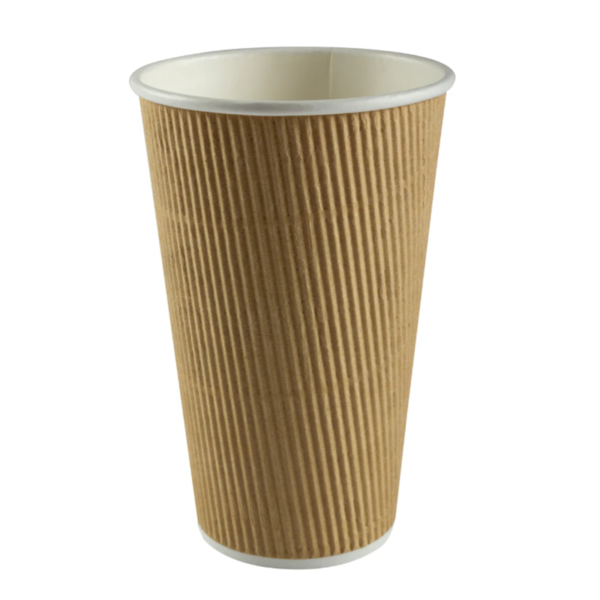
| Item | Information |
| Product Name | Paper Soup Cups |
| Material | Food-Grade Paperboard |
| Product Type | Disposable Soup Cups |
| Typical Sizes | 8oz, 12oz, 16oz, 20oz, 24oz, 26oz, 32oz |
| Applications | Restaurants, Takeaway, Food Delivery, Catering, Supermarkets, Convenience Stores |
| Suitable Foods | Soup, Noodles, Porridge, Chili, Curry, Ice Cream, Salad |
| Coating Options | PE, PLA, Water-Based Barrier |
| Customization | OEM & ODM Available |
| Printing | CMYK, Pantone, Full Surface Printing |
| Compatible Lids | Paper Lid, PP Lid, PET Lid |
| Supply Type | Manufacturer & Supply Chain Partner |
| Export Markets | North America, Europe, Australia, Middle East, Asia |
Paper Soup Cups are durable food-grade containers designed for serving hot and cold foods in takeaway, delivery, and food service applications. Compared with traditional plastic containers, paper soup cups offer excellent leak resistance, attractive branding opportunities, and environmentally friendly material options. DAILYECO provides custom paper soup containers, printed soup cups, and private-label packaging solutions for global distributors, restaurants, catering companies, and food packaging brands.
Paper Soup Cups are disposable food containers manufactured from high-quality food-grade paperboard with a protective barrier coating. Designed for both hot and cold foods, they are widely used for soups, noodles, porridge, desserts, salads, and takeaway meals.
Unlike ordinary paper bowls, paper soup cups feature a reinforced structure that provides excellent leak resistance and maintains rigidity when filled with hot liquids. Available in multiple capacities and compatible with secure-fitting lids, they help food service businesses deliver a clean, convenient, and reliable dining experience.
Today, disposable paper soup cups are commonly used by restaurants, cafes, fast-food chains, cloud kitchens, supermarkets, and food delivery platforms that require practical, hygienic, and customizable food packaging.
Professional paper soup cups combine durability, leak protection, and attractive printing, making them an ideal choice for modern takeaway and food delivery businesses.
| Feature | Performance | Explanation |
| Leak Resistance | Excellent | Designed to securely hold soups, noodles, porridge, sauces, and other liquid foods. |
| Food Contact Safety | Food Grade | Manufactured from certified food-grade paperboard suitable for direct food contact. |
| Heat Resistance | Excellent | Suitable for serving hot foods while maintaining cup rigidity. |
| Cold Food Performance | Excellent | Ideal for ice cream, frozen yogurt, fruit, and salads. |
| Structural Strength | Excellent | Reinforced construction helps prevent deformation during takeaway and delivery. |
| Printing Performance | Excellent | Supports high-quality logo printing and full-color branding. |
| Lid Compatibility | Excellent | Compatible with paper, PP, and PET lids for secure transportation. |
| Customization | Available | OEM & ODM services including size, printing, packaging, and private-label production. |
| Coating Options | Available | PE, PLA, and water-based barrier coatings available. |
| Sustainability Options | Available | Renewable paper materials with recyclable or compostable coating options for different markets. |
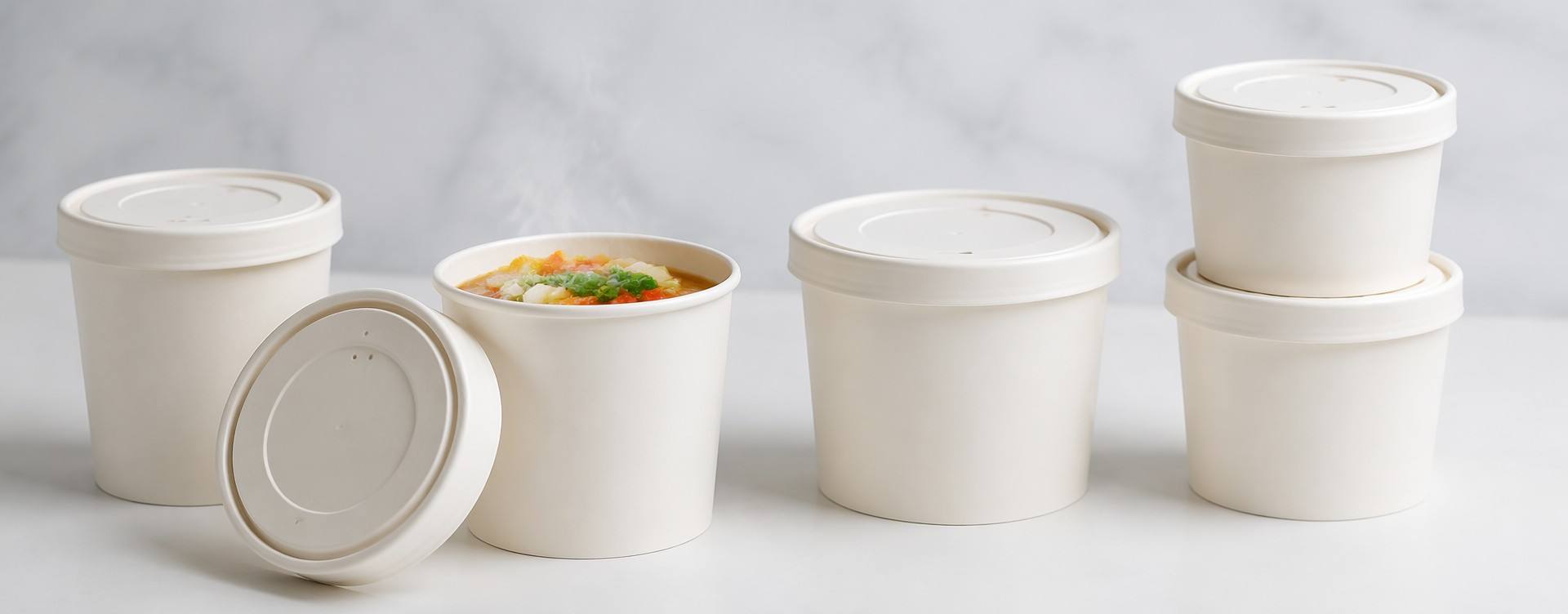
The rapid growth of takeaway dining, online food delivery, and convenience meals has significantly increased global demand for paper soup cups.
Consumers expect food packaging to keep meals secure, leak-free, and easy to carry. Compared with traditional plastic containers, paper soup cups provide excellent insulation, premium branding opportunities, and a more environmentally responsible packaging solution.
Restaurants, food delivery brands, supermarkets, and catering companies are also investing in custom printed paper soup cups to strengthen brand recognition while improving the customer experience. At the same time, increasing environmental regulations are encouraging businesses to adopt paper-based packaging with recyclable and compostable coating options.
For importers, distributors, wholesalers, and private-label brands, paper soup cups continue to be one of the fastest-growing categories in disposable food packaging.
The global takeaway food market continues to expand as consumers increasingly prefer convenient dining and home delivery services. This trend is driving strong demand for high-quality paper soup cups, particularly those offering leak resistance, premium printing, and sustainable material options.
For food packaging distributors and restaurant brands, selecting the right paper soup containers is no longer based only on price. Product performance, food safety, customization capability, and environmental compliance have become key purchasing considerations.
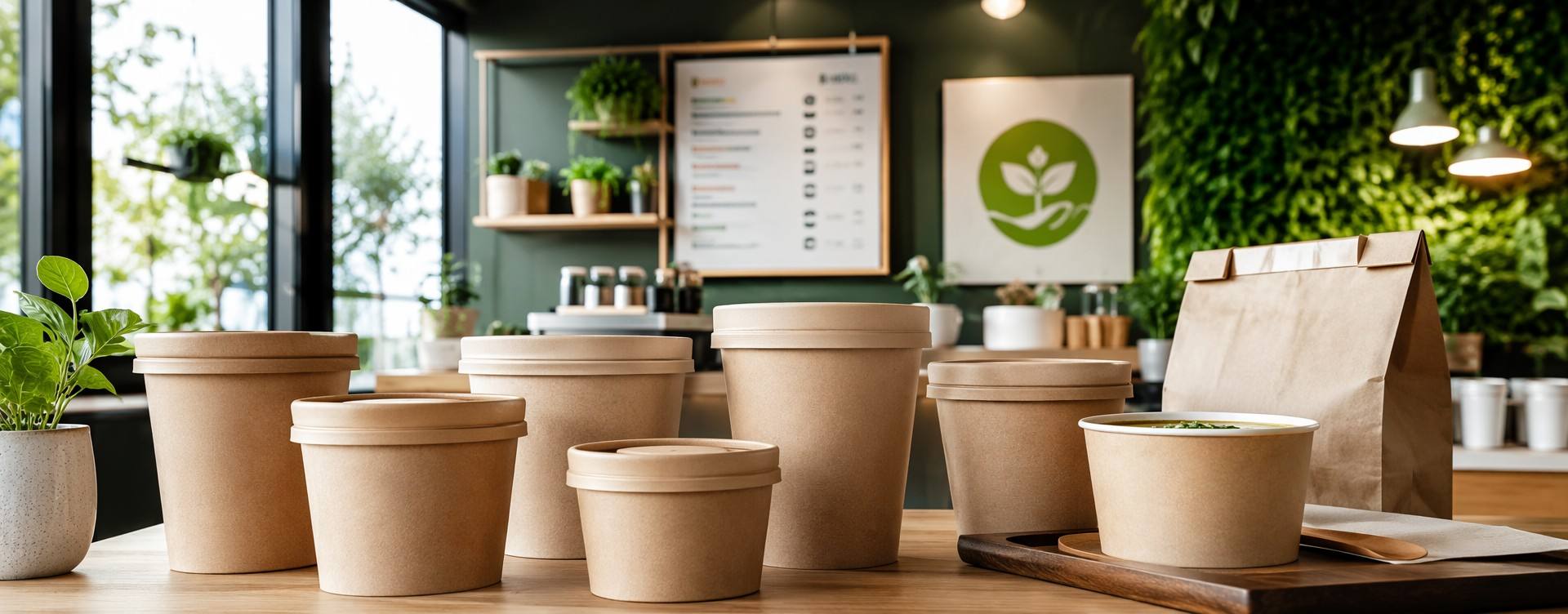
Disposable food packaging is evolving as businesses seek solutions that balance food safety, brand presentation, operational efficiency, and changing environmental expectations. Paper soup cups have become a preferred alternative to many traditional plastic containers because they provide excellent heat retention, reliable leak resistance when paired with compatible lids, and extensive customization opportunities for branding. Their compatibility with multiple barrier coating technologies also allows businesses to select packaging solutions that meet different market requirements and sustainability objectives, making paper soup cups an increasingly popular choice for takeaway and food delivery services.
The continued growth of takeaway dining, online food delivery, and premium food packaging has significantly increased global demand for paper soup cups. Buyers are placing greater emphasis on product consistency, custom printing, supply chain reliability, and compliance with destination-market regulations. As a result, manufacturers capable of providing OEM services, stable production capacity, and comprehensive documentation support are becoming preferred long-term partners for distributors, restaurant brands, and foodservice packaging companies.
Growing Demand for Takeaway & Food Delivery
The continued expansion of takeaway restaurants, online food delivery platforms, and cloud kitchens has significantly increased demand for paper soup cups with reliable leak resistance, secure lid compatibility, and excellent food safety performance.
Sustainability Is Influencing Purchasing Decisions
Businesses worldwide are actively replacing traditional plastic food containers with paper soup cups made from renewable materials. PE, PLA, and water-based barrier coatings allow buyers to choose solutions that align with regional environmental regulations and sustainability goals.
Custom Branding Creates Competitive Value
Food packaging has become an important marketing tool. Custom printed paper soup cups help restaurants, cafés, and takeaway brands strengthen brand recognition through high-quality graphics, logos, and promotional designs.
Demand for Leak-Proof Food Packaging
Consumers expect takeaway soups, noodles, and hot meals to arrive safely without leakage. As a result, buyers increasingly prioritize paper soup containers with reinforced construction, tight-fitting lids, and dependable sealing performance.
One-Stop Packaging Procurement
Many distributors and restaurant chains prefer suppliers that can provide complete food packaging solutions, including paper soup cups, paper bowls, paper cups, lids, cutlery, and takeaway containers. Consolidating sourcing simplifies purchasing, improves inventory management, and reduces overall procurement costs.
| Region | Typical Market Focus |
| North America | Food safety, leak resistance, custom branding |
| Europe | Sustainable materials, recyclable packaging, regulatory compliance |
| Australia & New Zealand | Eco-friendly takeaway packaging, premium food presentation |
| Middle East | Heat resistance, premium quality, hospitality applications |
| Asia | Cost efficiency, stable supply, fast production and delivery |
Professional buyers should evaluate suppliers based on five key criteria:
Businesses that invest in high-quality paper soup cups can improve customer satisfaction, strengthen brand image, and better adapt to the changing food packaging market.
Selecting the right material is one of the most important decisions when sourcing paper soup cups. The ideal packaging solution depends on food temperature, leak resistance, sustainability goals, branding requirements, local regulations, and overall procurement cost.
Selecting the appropriate material depends on food temperature, transportation time, local regulations, sustainability objectives, and overall packaging costs. Businesses serving hot soups often prioritize reliable moisture resistance, while environmentally focused brands may consider alternative barrier technologies that align with regional recycling or composability requirements. Evaluating both product performance and compliance requirements helps buyers identify the most suitable solution for their target markets.
The following comparison helps buyers evaluate the most common disposable food container materials from a commercial purchasing perspective.
| Evaluation Criteria | PE Coated Paper Soup Cup | PLA Coated Paper Soup Cup | Water-Based Barrier Paper Soup Cup | Bagasse Soup Bowl | Plastic Cup (PP) |
| Primary Material | Virgin Paperboard + PE | Virgin Paperboard + PLA | Virgin Paperboard + Water-Based Barrier | Sugarcane Fiber | Petroleum-Based Plastic |
| Leak Resistance | Excellent | Excellent | Excellent | Good | Excellent |
| Heat Resistance | Excellent | Excellent | Excellent | Excellent | Excellent |
| Cold Food Performance | Excellent | Excellent | Excellent | Good | Excellent |
| Printing Quality | Excellent | Excellent | Excellent | Moderate | Good |
| Brand Presentation | Excellent | Excellent | Excellent | Natural Appearance | Standard |
| Typical Unit Cost | $$ | $$$ | $$$ | $$$ | $ |
| OEM Customization | Excellent | Excellent | Good | Good | Excellent |
| Food Contact Compliance | Available | Available | Available | Available | Available |
| Industrial Composability | No | Yes* | Depends on Local Standards | Yes* | No |
| Recyclability | Limited | Limited | Improved in Some Markets | Limited | Depends on Local Systems |
| Biodegradable | No | Yes* | Depends on Material | Yes* | No |
| Consumer Sustainability Perception | Good | Excellent | Excellent | Excellent | Low |
| Suitable Markets | Global | Europe, Australia | Europe, Selected Markets | Global Sustainable Packaging | Cost-Sensitive Markets |
| Recommended Applications | Restaurants, Takeaway, Food Delivery | Eco-Friendly Foodservice | Premium Sustainable Packaging | Sustainable Catering | Budget Food Packaging |
| Buyer Type | Recommended Option | Primary Reason |
| Restaurant Chains | PE Coated | Excellent balance of performance and cost |
| Food Delivery Brands | PE or Water-based | Reliable leak resistance and transportation performance |
| Eco-Friendly Brands | PLA | Supports sustainability initiatives where suitable infrastructure exists |
| Packaging Distributors | Multiple Options | Serves customers with different market requirements |
| Private Label Brands | Depends on Target Market | Material selection based on branding and regulatory needs |
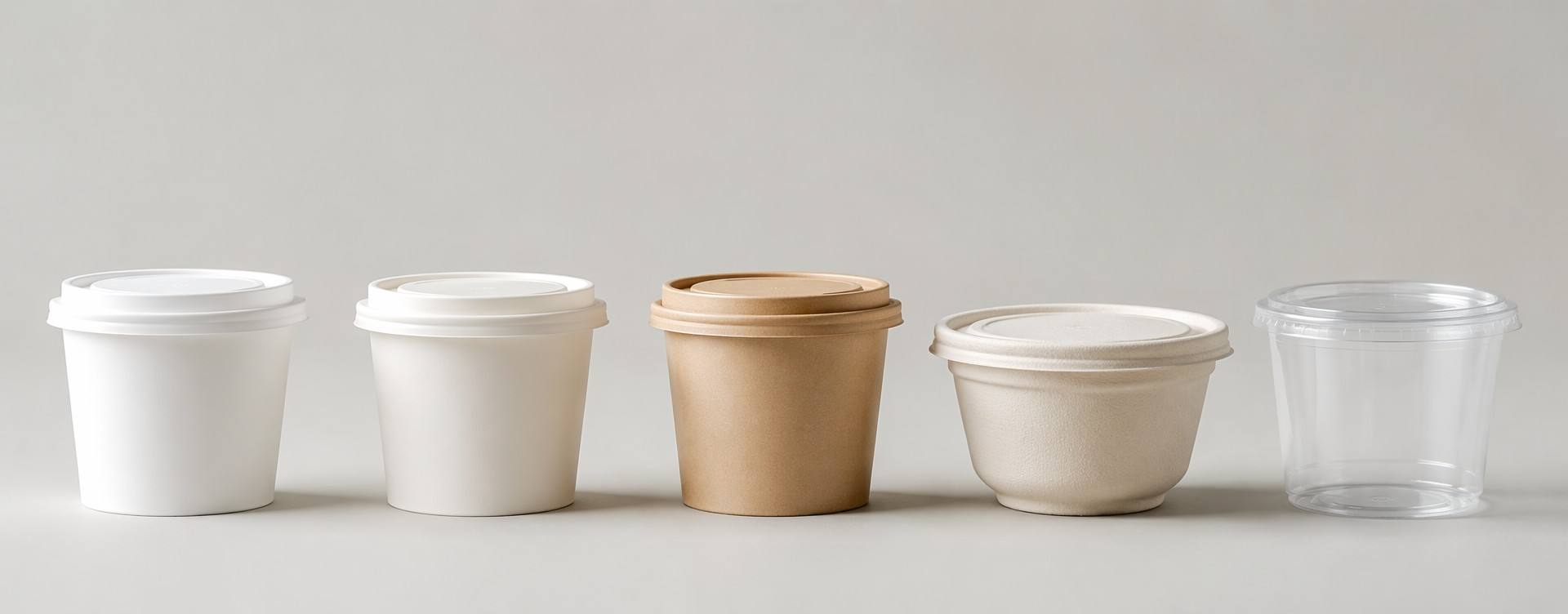
Composability depends on product certification and the availability of industrial composting facilities.
Actual recyclability depends on local collection, sorting, and recycling infrastructure.
Choosing the right paper soup cup is not simply about selecting the most sustainable or lowest-cost option. The best choice depends on your menu, target customers, local regulations, distribution model, and brand positioning.
The table below provides practical recommendations for different business scenarios.
| Business Type | Recommended Material | Why It’s Suitable |
| Restaurant Chains | PE Coated Paper Soup Cup | Excellent leak resistance and cost efficiency for daily operations |
| Takeaway & Delivery Brands | PE / Water-Based Barrier Paper Soup Cup | Secure food transportation with reliable sealing performance |
| Coffee Shops & Cafés | PE Coated Paper Soup Cup | Suitable for soups, oatmeal, desserts, and seasonal menu items |
| Eco-Friendly Brands | PLA or Water-Based Barrier Paper Soup Cup | Supports sustainability goals and environmentally responsible packaging |
| Catering Companies | Bagasse Soup Bowl | Renewable material for large-scale foodservice events |
| Supermarkets & Convenience Stores | PE Coated Paper Soup Cup | Stable quality for ready-to-eat meals and grab-and-go products |
| Government & Institutional Projects | Water-Based Barrier Paper Soup Cup | Suitable for projects requiring reduced plastic content |
| Budget-Focused Markets | PE Coated Paper Soup Cup | Delivers dependable performance with competitive pricing |
When comparing different materials, buyers should evaluate more than unit price. Consider the following factors before making a purchasing decision:
Selecting the right material helps improve customer satisfaction, reduce packaging risks, and optimize long-term procurement costs.
DAILYECO offers a complete range of paper soup cups designed to meet the packaging needs of restaurants, takeaway businesses, food delivery platforms, supermarkets, catering companies, and private-label food packaging brands.
From small side dishes to family-size meals, our product range supports various food applications while ensuring excellent leak resistance, attractive presentation, and reliable transportation.
| Pictures | Name | Size(mm) | Material and Weight | Pcs/ Bag | Bag/ Ctn | Pcs/Ctn | CTN Size L/W/H(cm) | ||
 | 8oz/240ml paper soup cups | 90*72*60 | Wall 300gsm Kraft Paper/Bottom 210gsm Kraft Paper+18gsm PE | 25 | 20 | 500 | 45.5 | 19 | 60.5 |
 | 12oz/360ml paper soup cups | 90*72*88 | Wall 300gsm Kraft Paper/Bottom 210gsm Kraft Paper+18gsm PE | 25 | 20 | 500 | 45.5 | 20 | 61.5 |
 | 16oz/480ml paper soup cups | 97*72*100 | Wall 300gsm Kraft Paper/Bottom 210gsm Kraft Paper+18gsm PE | 25 | 20 | 500 | 49.5 | 21 | 63 |
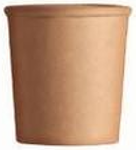 | 20oz/600ml paper soup cups | 114*83*85 | Wall 300gsm Kraft Paper/Bottom 210gsm Kraft Paper+18gsm PE | 25 | 20 | 500 | 58 | 23 | 43 |
 | 26oz/760ml paper soup cups | 115*90*110 | Wall 300gsm Kraft Paper/Bottom 210gsm Kraft Paper+18gsm PE | 25 | 20 | 500 | 58 | 23 | 61.5 |
 | 32oz/950ml paper soup cups | 116*89*134 | Wall 300gsm Kraft Paper/Bottom 210gsm Kraft Paper18gsm PE | 25 | 20 | 500 | 60 | 48 | 46 |
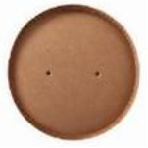 | 8oz/12oz Kraft Paper Lid With PE Lined | D90 | 250gsm Kraft Paper +18gsm PE | 25 | 20 | 500 | 50 | 33 | 38.5 |
| 16oz Kraft Paper Lid With PE Lined | D97 | 250gsm Kraft Paper +18gsm PE | 25 | 20 | 500 | 50 | 33 | 38.5 |
| 26oz Kraft Paper Lid With PE Lined | D115 | 250gsm Kraft Paper +18gsm PE | 25 | 20 | 500 | 53 | 43 | 34 |
| 32oz Kraft Paper Lid With PE Lined | D116 | 250gsm Kraft Paper +18gsm PE | 25 | 20 | 500 | 61 | 50 | 34 |
All sizes can be customized to match your branding strategy, portion requirements, and local market preferences.
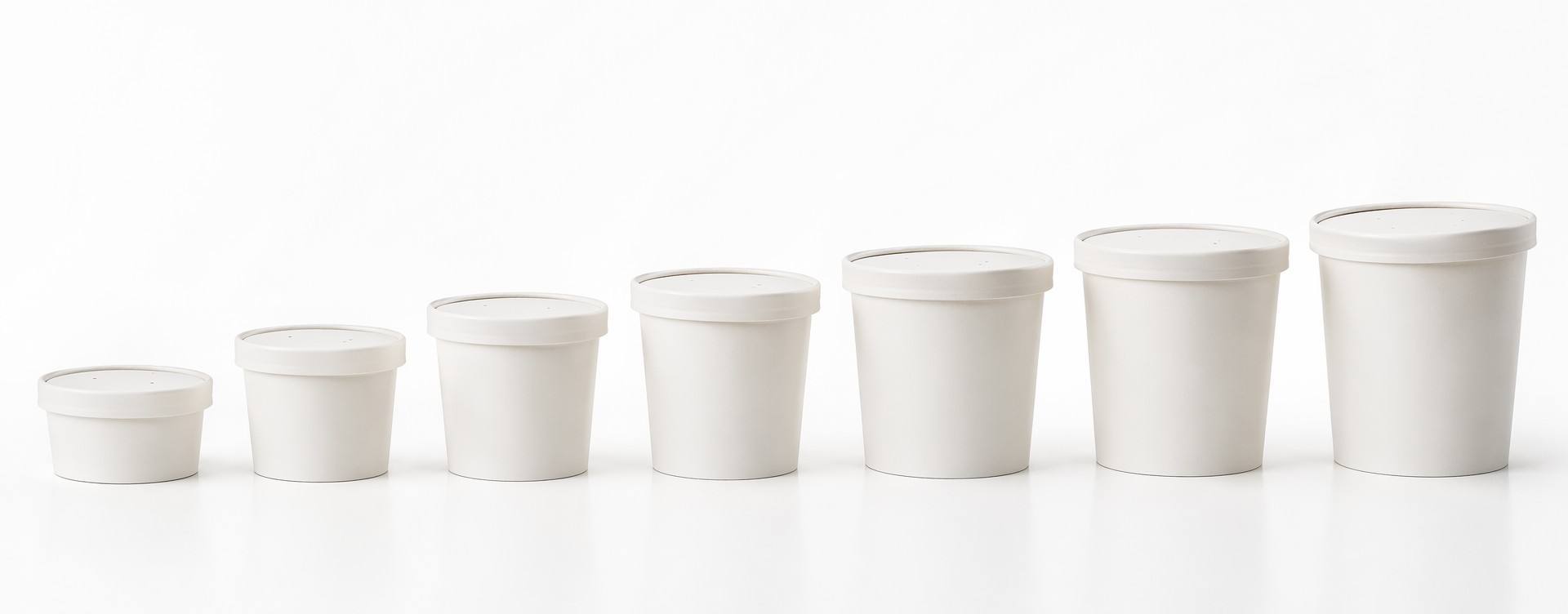
DAILYECO supports complete OEM and private-label manufacturing for global customers.
Our customization services include:
Whether you’re launching a new takeaway brand or expanding an existing product line, our engineering and printing teams work closely with you to deliver packaging that reflects your brand while maintaining consistent manufacturing quality.
| Cup Size | Typical Food |
| 8oz | Sauces, dressings |
| 12oz | Soup, oatmeal |
| 16oz | Instant noodles, chili |
| 20oz | Rice bowls, pasta |
| 24oz | Large soup servings |
| 26oz | Mixed meals |
| 32oz | Family meals, catering |
Different countries and restaurant concepts may use different serving sizes. DAILYECO can recommend the most suitable paper soup cup specifications according to your menu, target market, and packaging requirements.
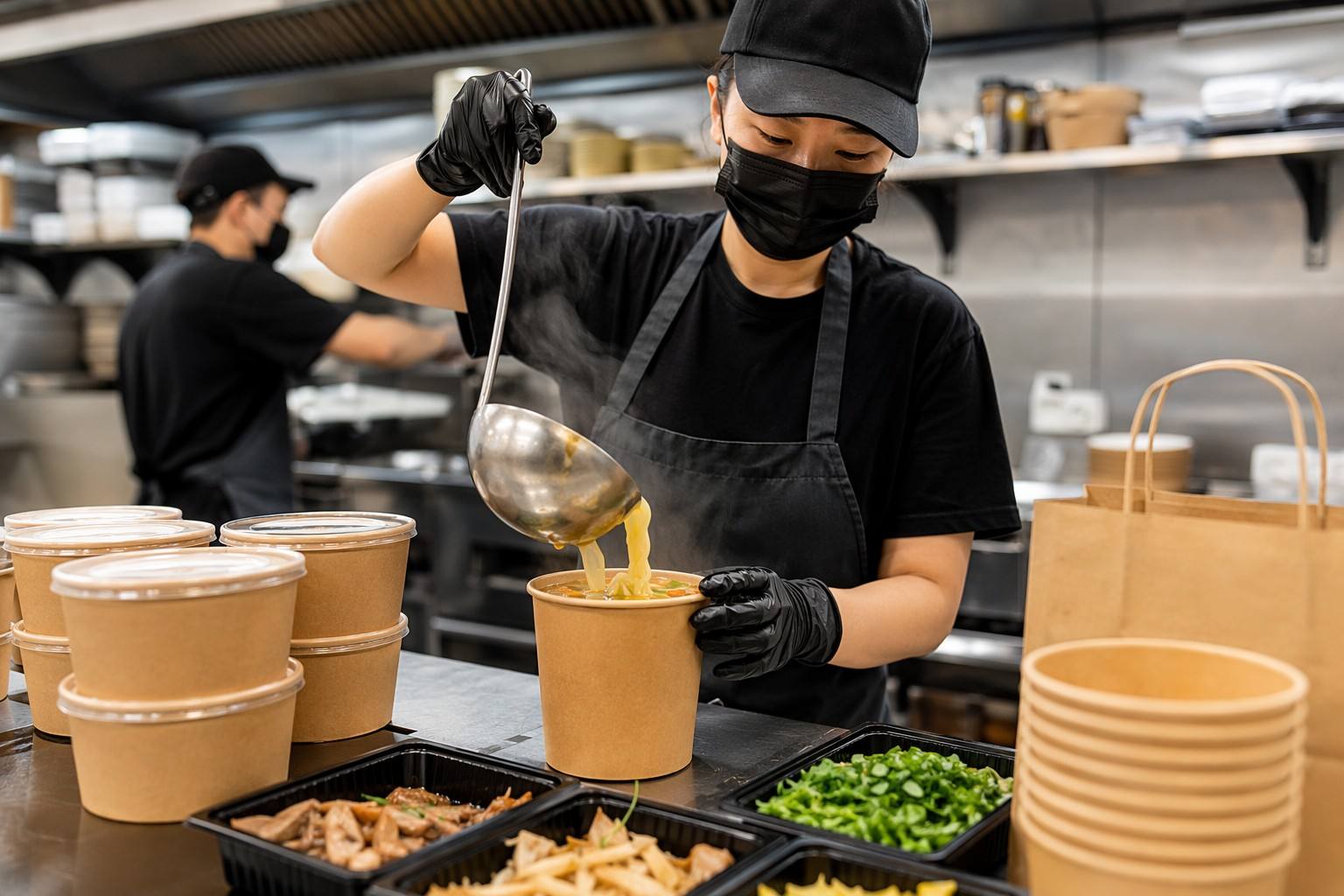
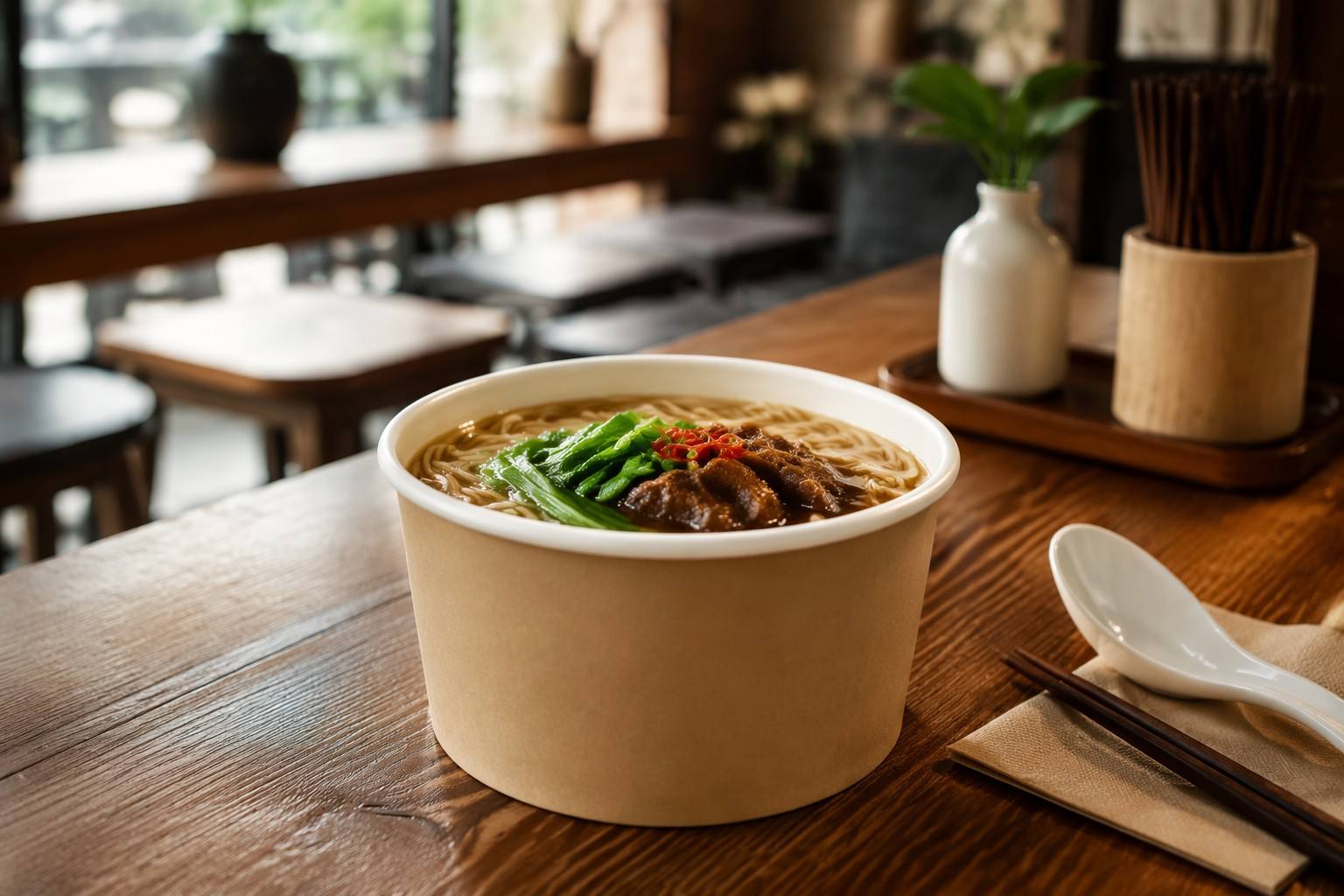
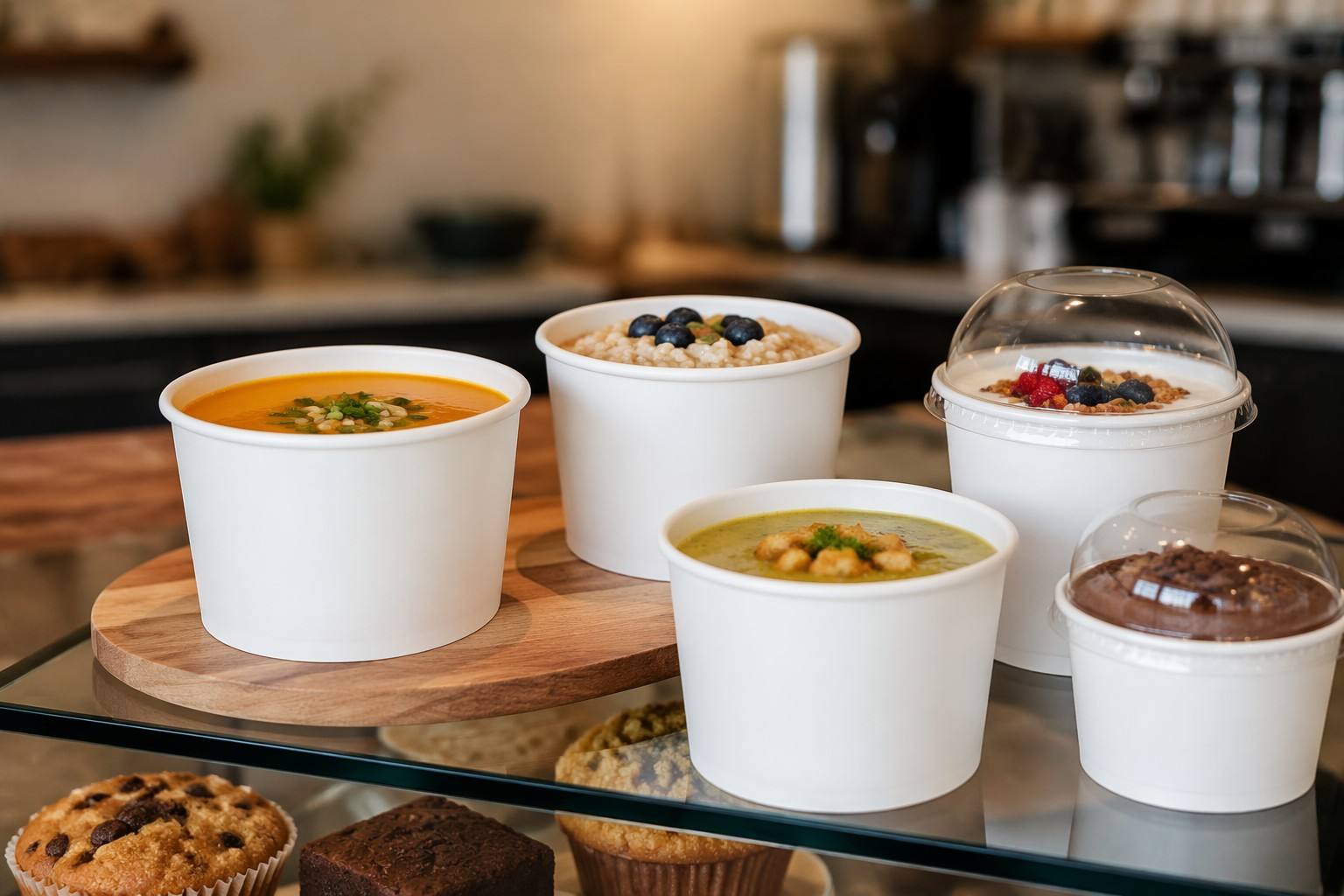
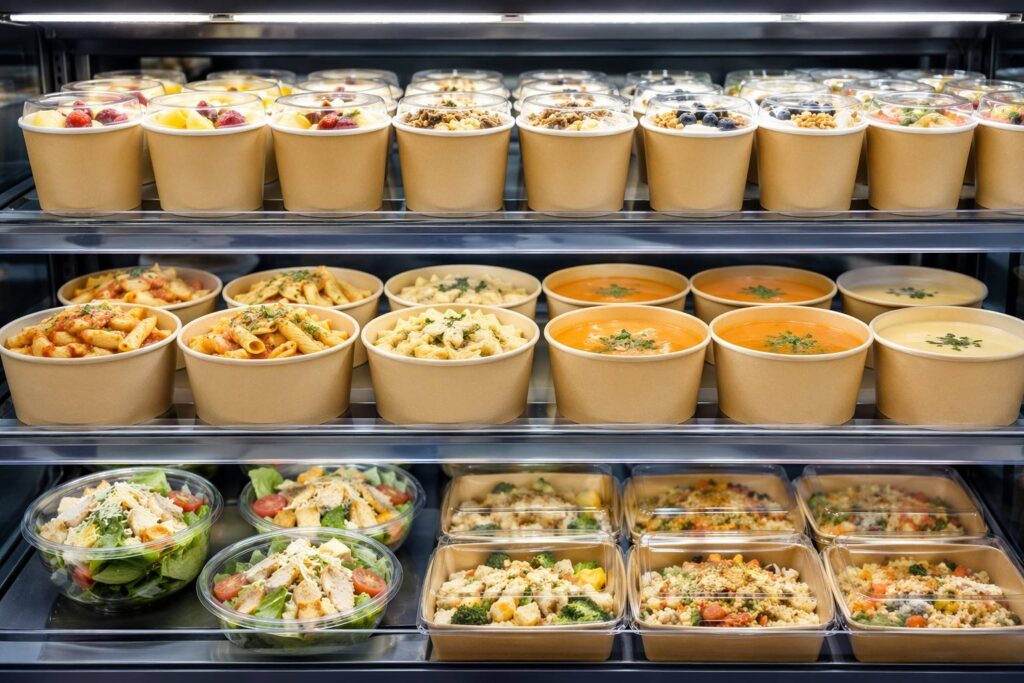
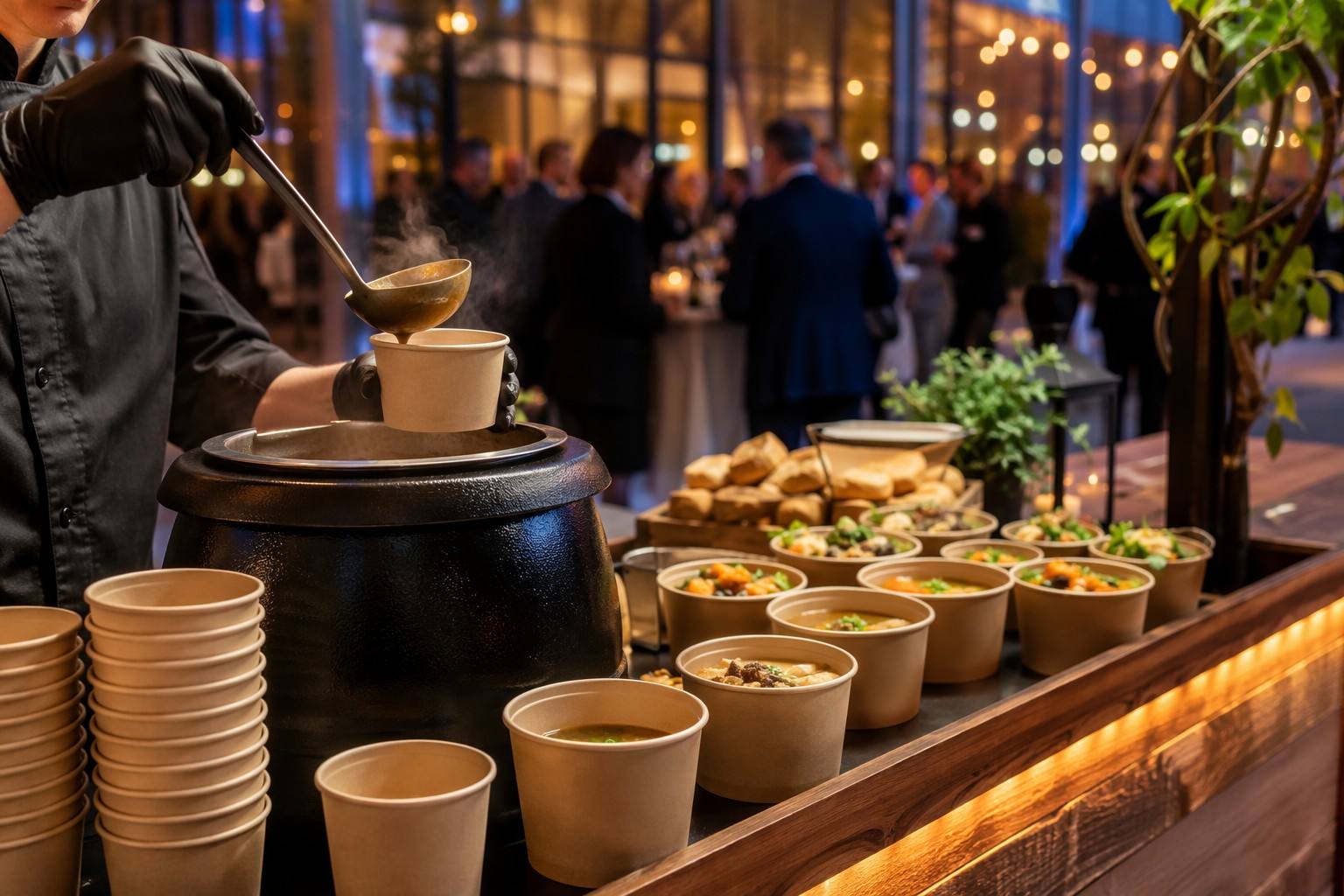
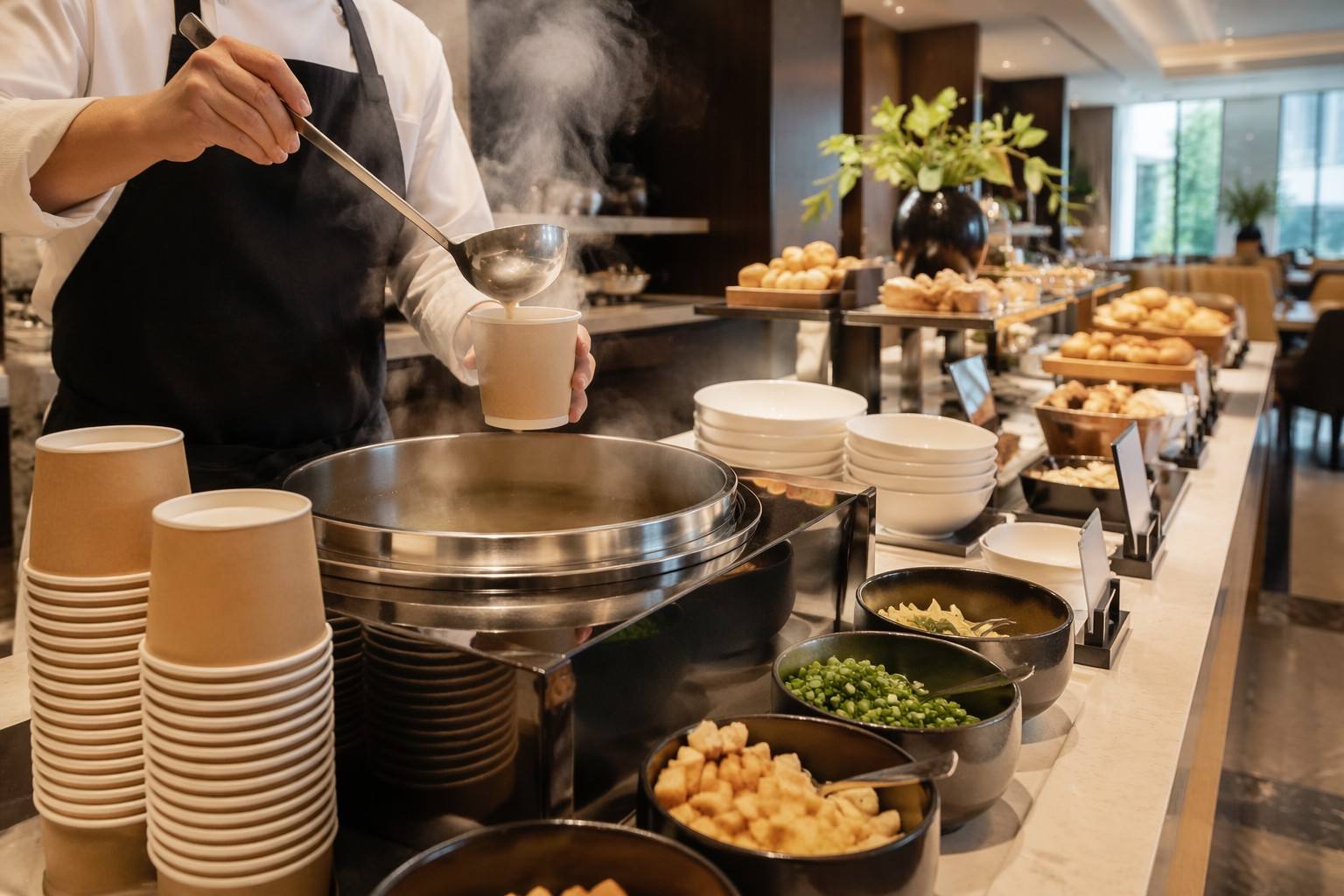
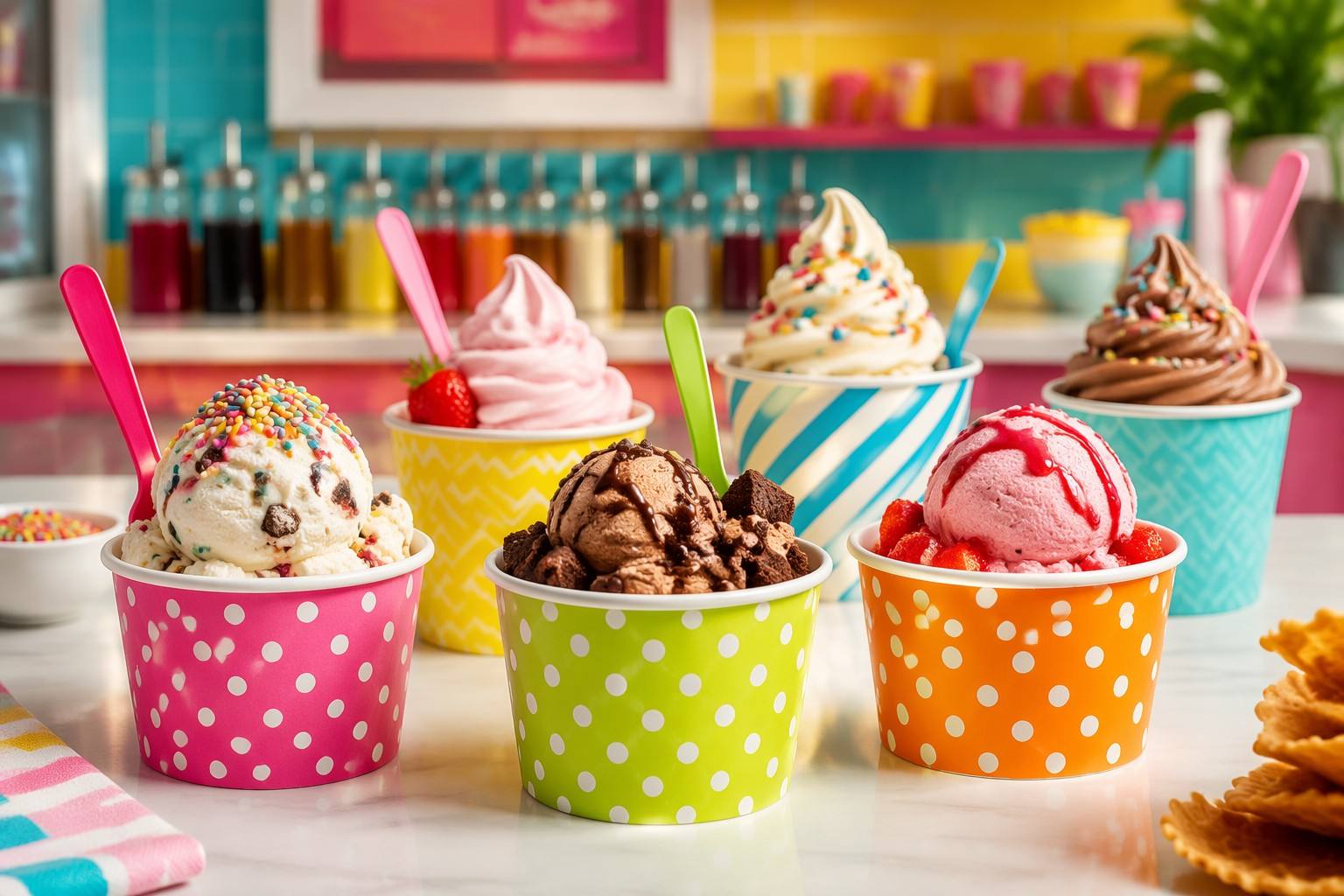
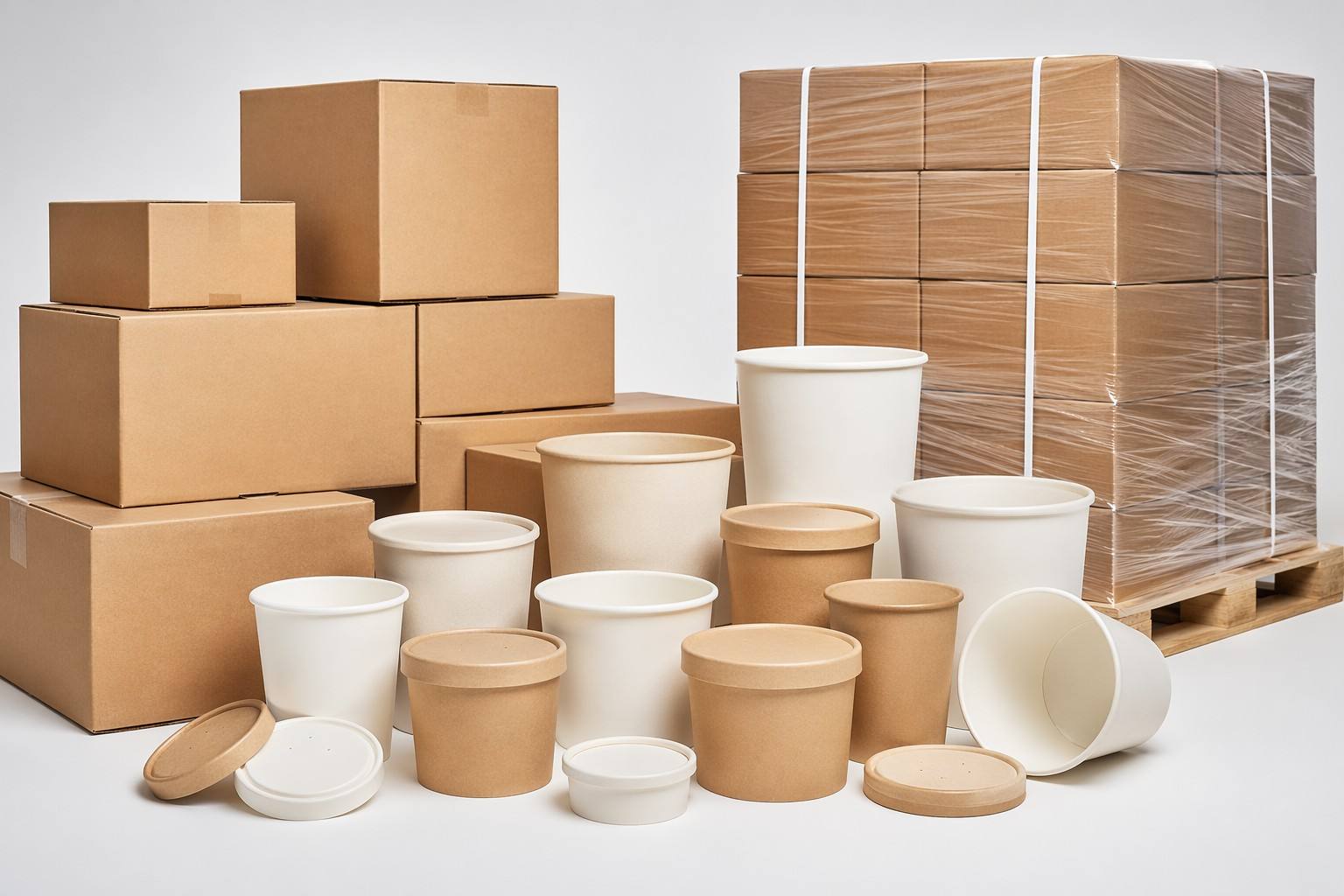
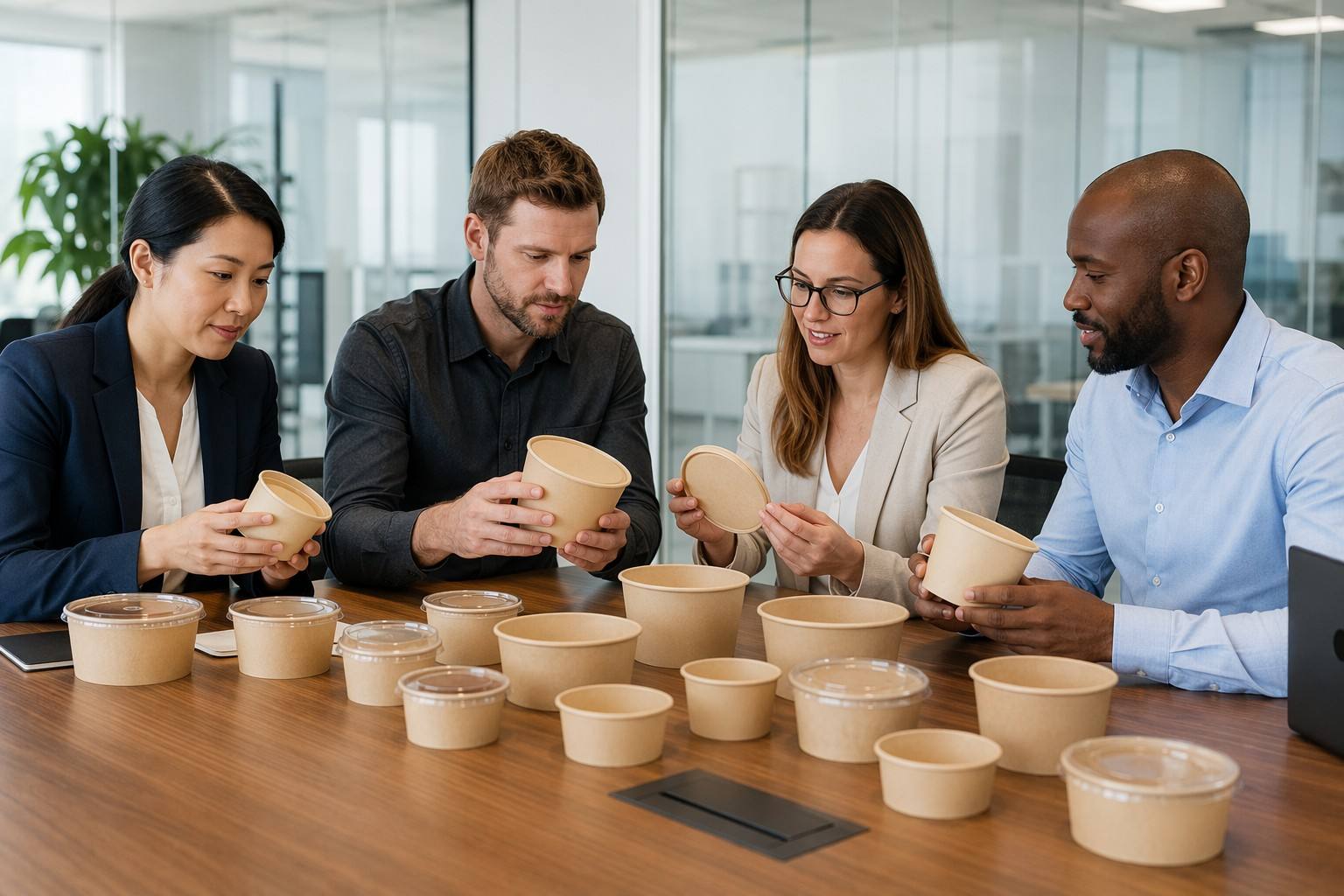
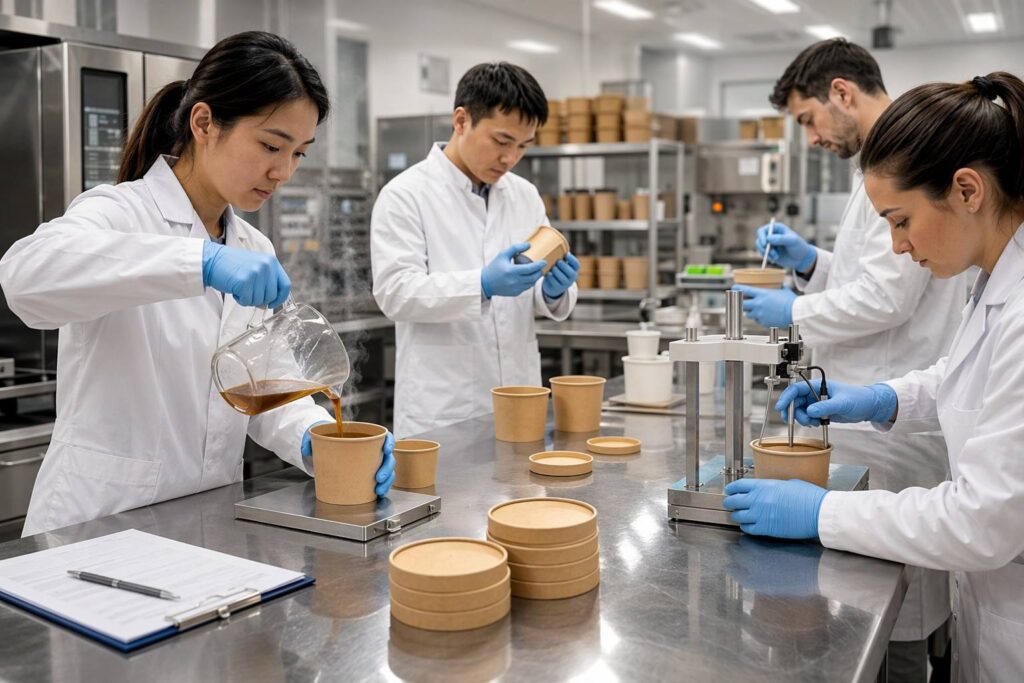
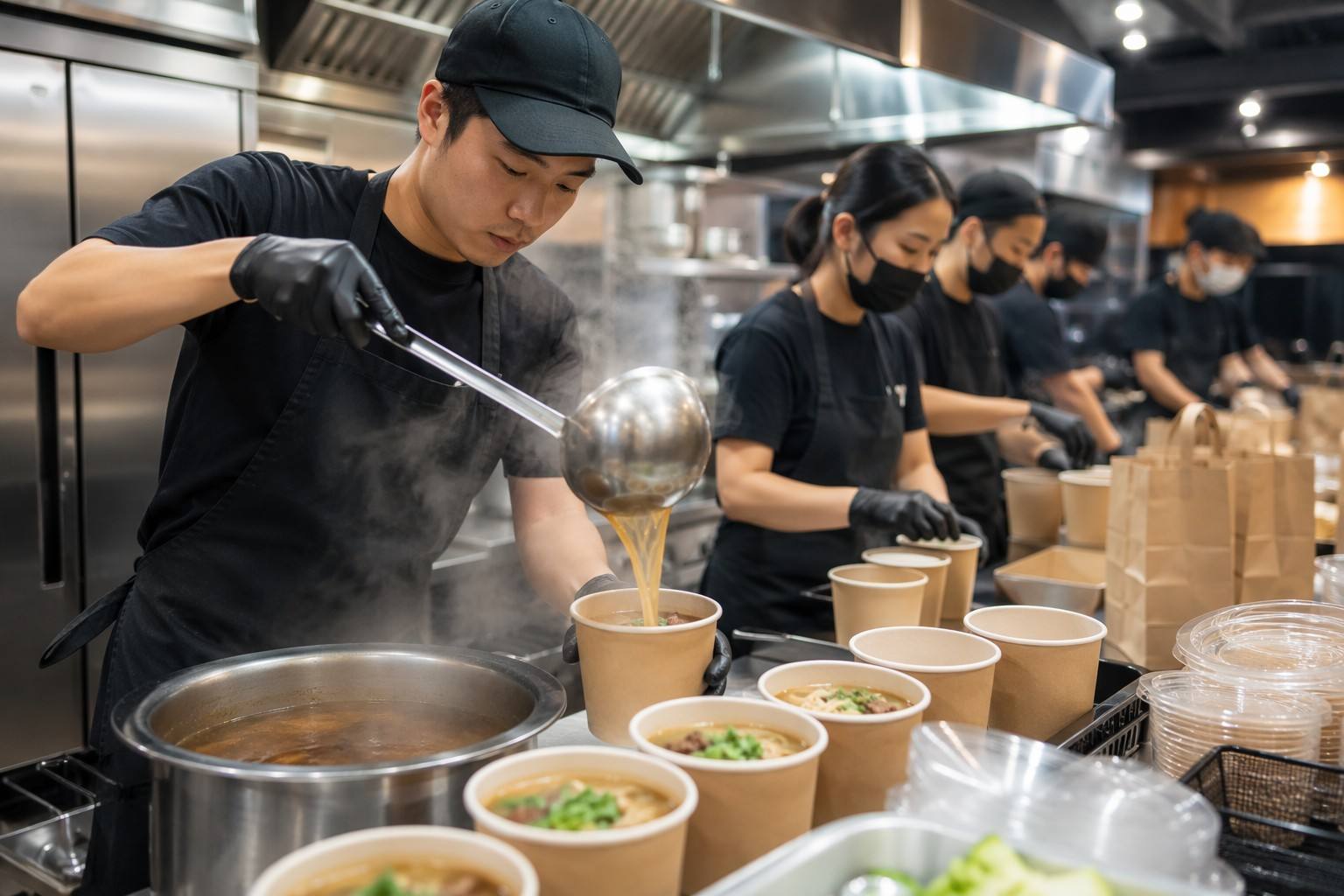
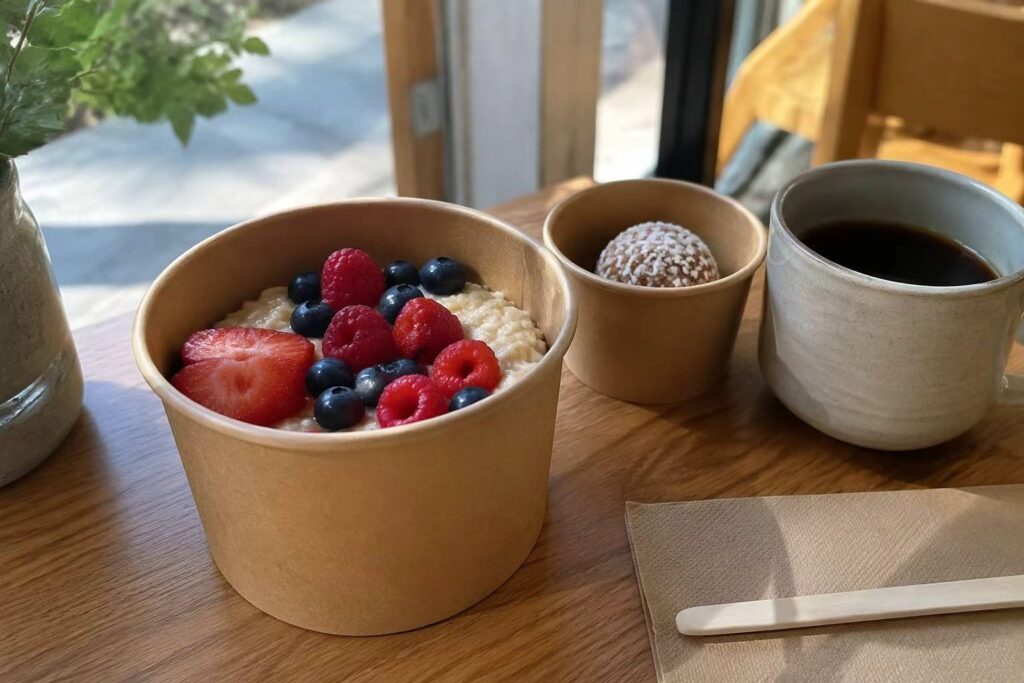
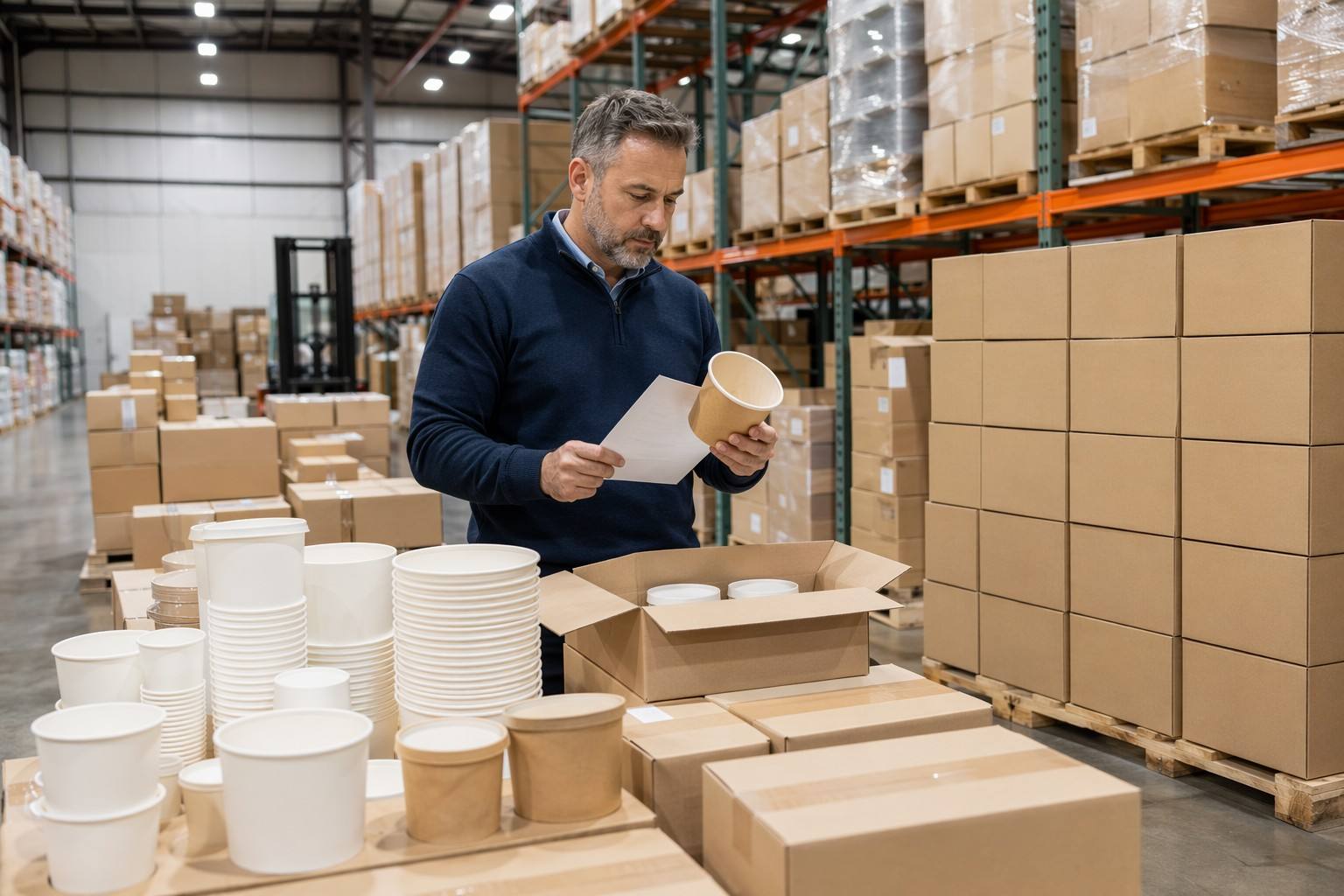
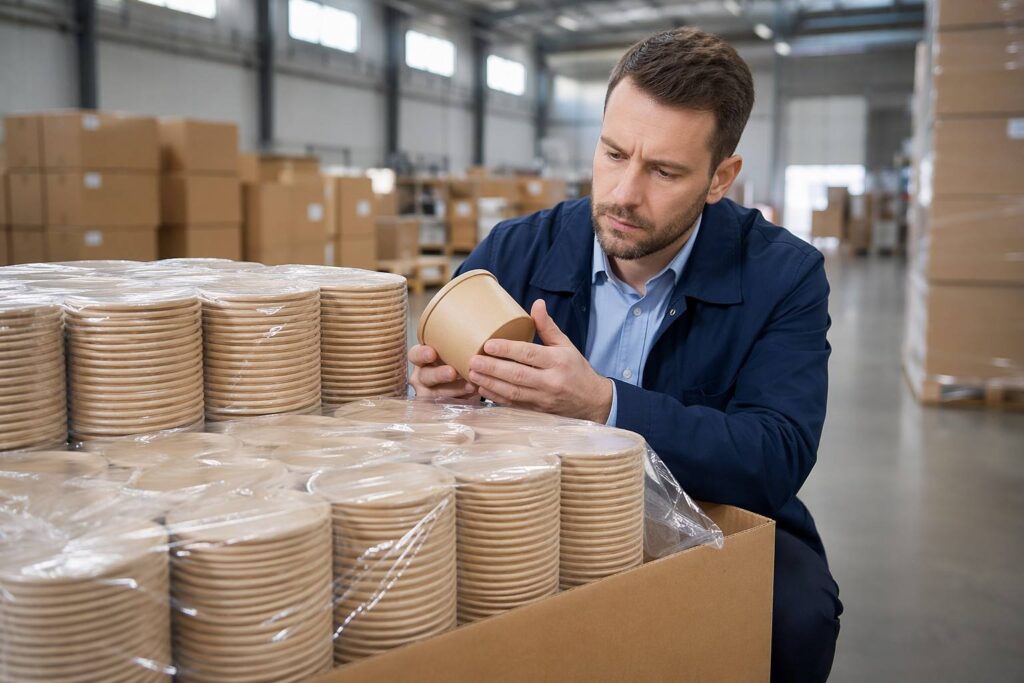
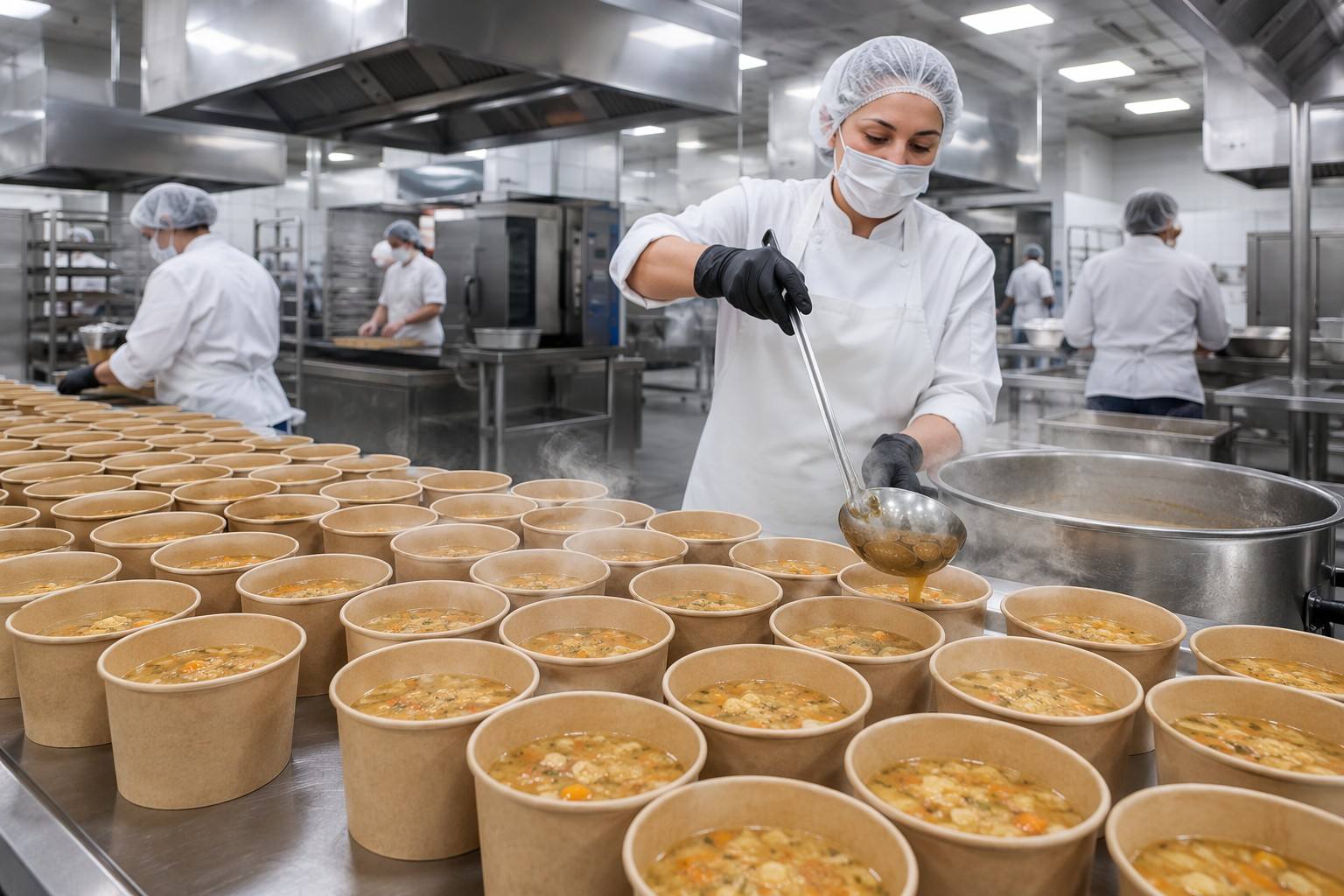
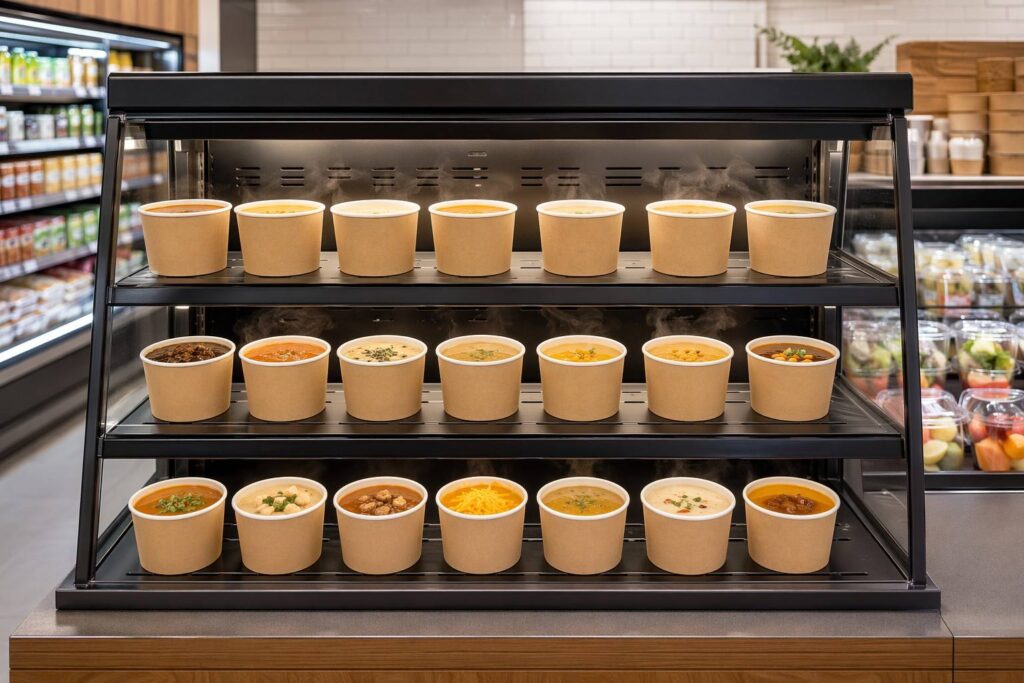
Not every disposable food container is suitable for every type of foodservice operation. Choosing the right paper soup cup depends on your menu, serving method, transportation requirements, branding objectives, and sustainability goals.
The following guide helps buyers determine whether paper soup cups are the right solution for their business.
Application | Recommended | Reason |
Hot Soup | ✔ Excellent | Excellent heat resistance and leak protection |
Noodles & Ramen | ✔ Excellent | Deep structure with secure lid compatibility |
Porridge & Oatmeal | ✔ Excellent | Suitable for hot liquid foods |
Chili & Stew | ✔ Excellent | Strong construction for thick foods |
Rice Bowls | ✔ Good | Suitable for medium-portion takeaway meals |
Pasta | ✔ Good | Reliable for takeaway and delivery |
Salad | ✔ Good | Food-grade material with premium printing |
Ice Cream & Frozen Yogurt | ✔ Good | Suitable for both hot and cold foods |
Long-Term Food Storage | ✖ Not Recommended | Designed for short-term food service |
Microwave Heating* | △ Depends | Depends on coating material and customer testing |
Please verify local regulations and conduct product testing before microwave use.
Purchasing paper soup cups involves more than selecting a size or requesting a quotation. Professional buyers often evaluate product performance, customization options, food safety, production capability, and long-term supply before making a sourcing decision.
The following questions can help simplify the procurement process and ensure you select the most suitable paper soup cup solution for your business.
Before placing a bulk order, buyers should evaluate more than product pricing. Confirming material specifications, available sizes, compatible lids, printing options, production lead time, minimum order quantities, packaging methods, and compliance documentation helps reduce sourcing risks and ensures the selected paper soup cups meet operational and regulatory requirements in the destination market.
Choose cup capacity according to your food portions. Smaller sizes are suitable for soups and side dishes, while larger sizes are better for noodles, rice bowls, and family meals.
PE, PLA, and water-based barrier coatings each offer different advantages. The best option depends on local regulations, sustainability requirements, and customer expectations.
Different foods require different lid types. Ensure the lid matches your cup size and provides a secure seal for takeaway and delivery.
Yes. Most manufacturers provide OEM and private-label services, including custom logos, full-color printing, packaging design, and carton customization.
Always confirm that the paperboard and coatings comply with food-contact regulations in your target market.
Leak resistance is one of the most important performance factors for soup packaging. Request samples and perform transportation tests before mass production.
MOQ varies depending on cup size, printing requirements, and customization level. Standard products generally have lower minimum order quantities.
Lead time typically depends on order quantity, printing complexity, and production schedules. Planning purchases in advance helps ensure timely delivery.
Choose manufacturers with stable production capacity, quality control systems, and international export experience to reduce supply chain risks.
Professional buyers commonly request:
Instead of focusing only on unit price, consider carton optimization, container loading efficiency, standardized cup sizes, and long-term purchasing plans to reduce total procurement costs.
An experienced manufacturer can provide technical support, product recommendations, quality consistency, and customized packaging solutions that help improve purchasing efficiency and reduce operational risks.
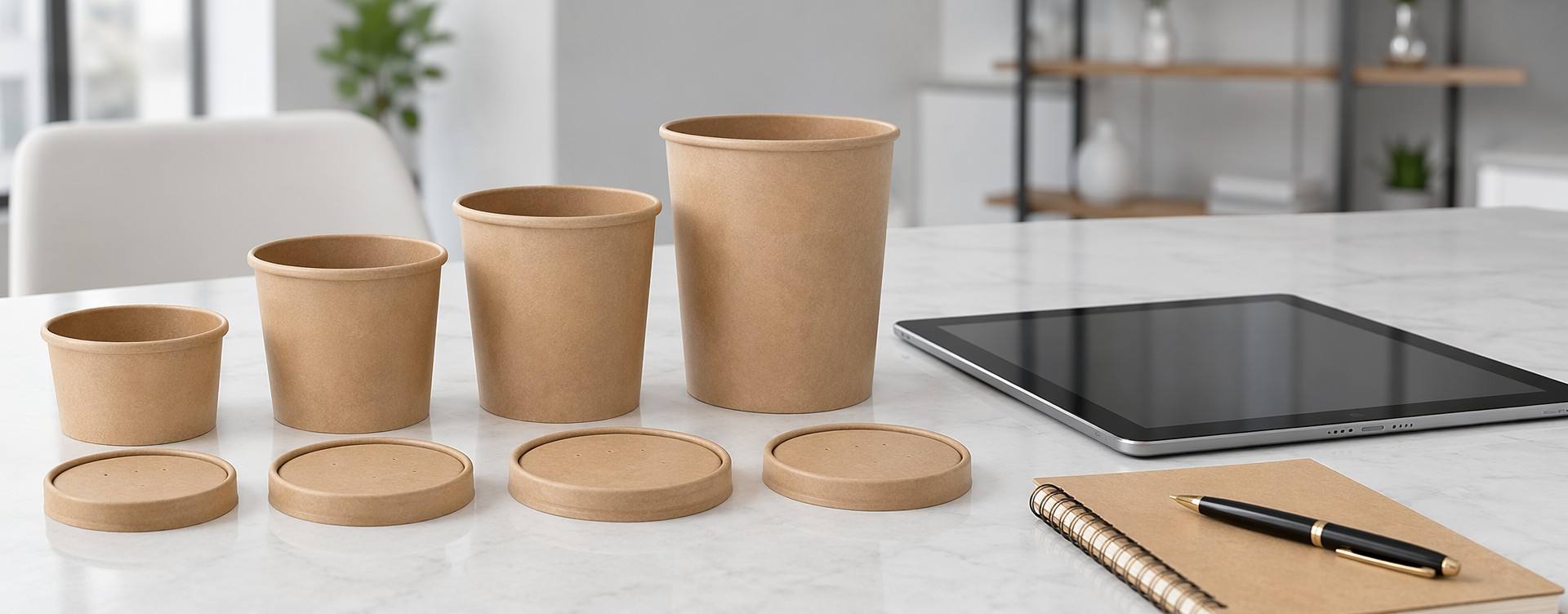
Although paper soup cups are an excellent packaging solution for soups, noodles, porridge, and takeaway meals, they may not be suitable for every foodservice application. Understanding these limitations helps buyers select the most appropriate packaging for different menu items and operating environments.
Paper soup cups are designed for short-term food packaging and takeaway service. If food needs to be stored for extended periods or distributed as shelf-stable products, specialized food containers should be considered.
Standard paper soup cups are not intended for oven baking or direct exposure to high temperatures. For baking or reheating applications, aluminum foil containers or oven-safe food trays are recommended.
Although large-capacity paper soup cups are available, oversized meals or sharing portions are often better served in paper bowls or bagasse food containers that provide a wider opening and larger serving capacity.
Paper soup cups are manufactured for commercial foodservice use only. They are not suitable for industrial liquid handling, laboratory testing, or chemical storage.
Businesses seeking completely plastic-free packaging may prefer bagasse food containers or molded fiber bowls. These products better support brands focusing on natural plant-fiber packaging and compostable foodservice solutions.
Selecting the right packaging according to your menu, transportation needs, sustainability goals, and customer expectations helps maximize product performance while optimizing procurement costs.
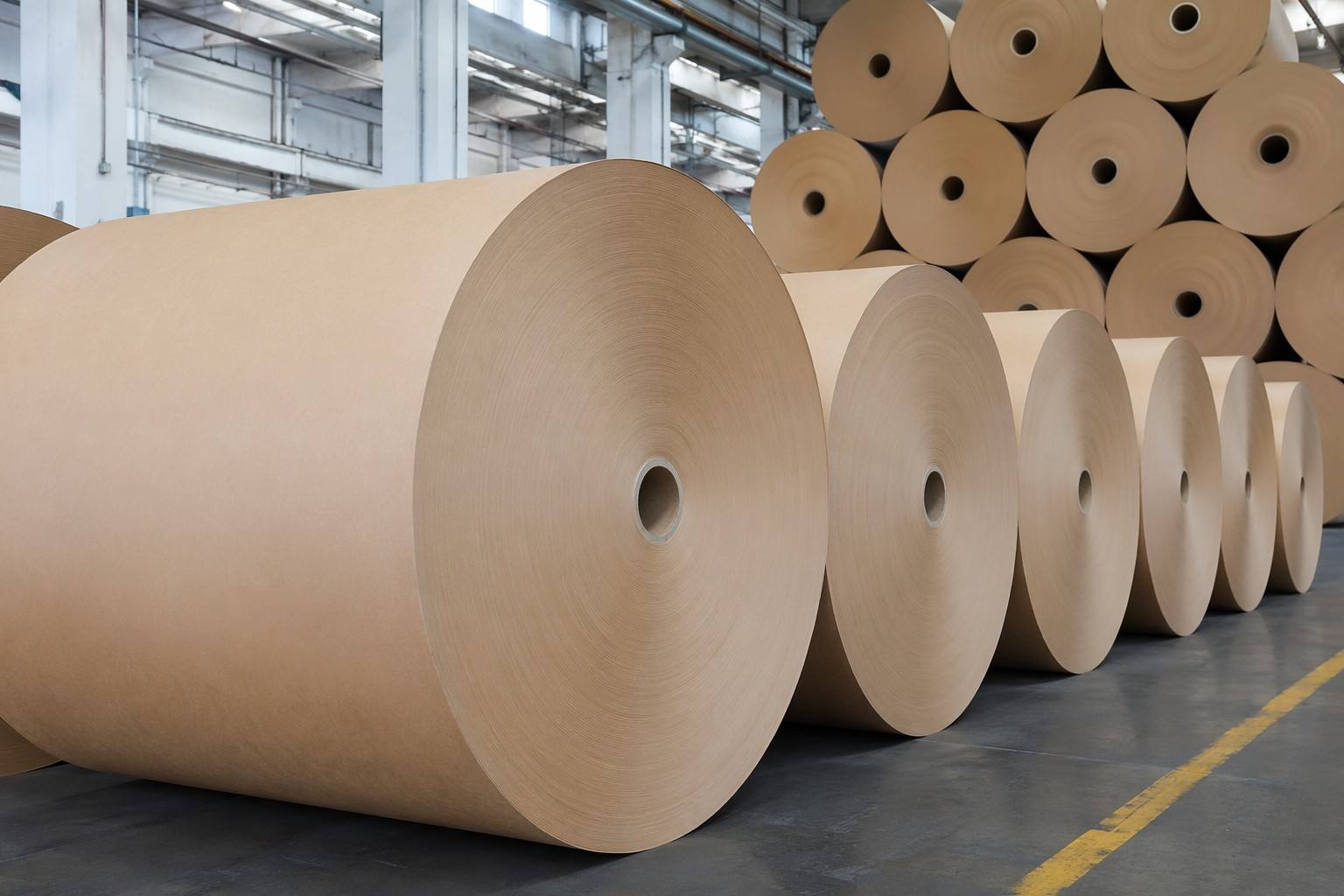
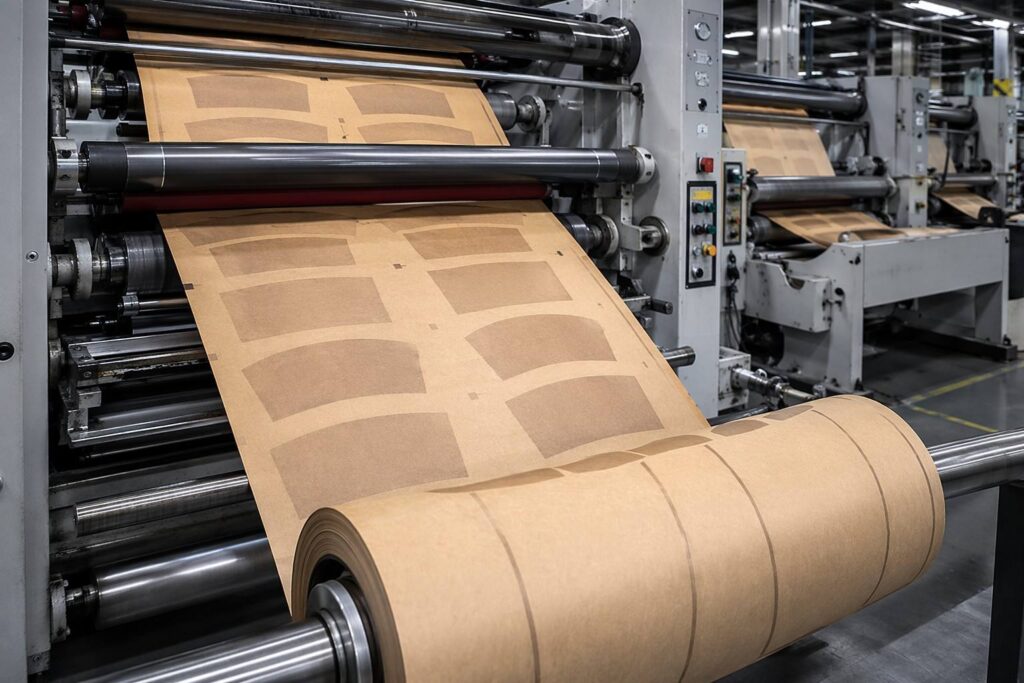
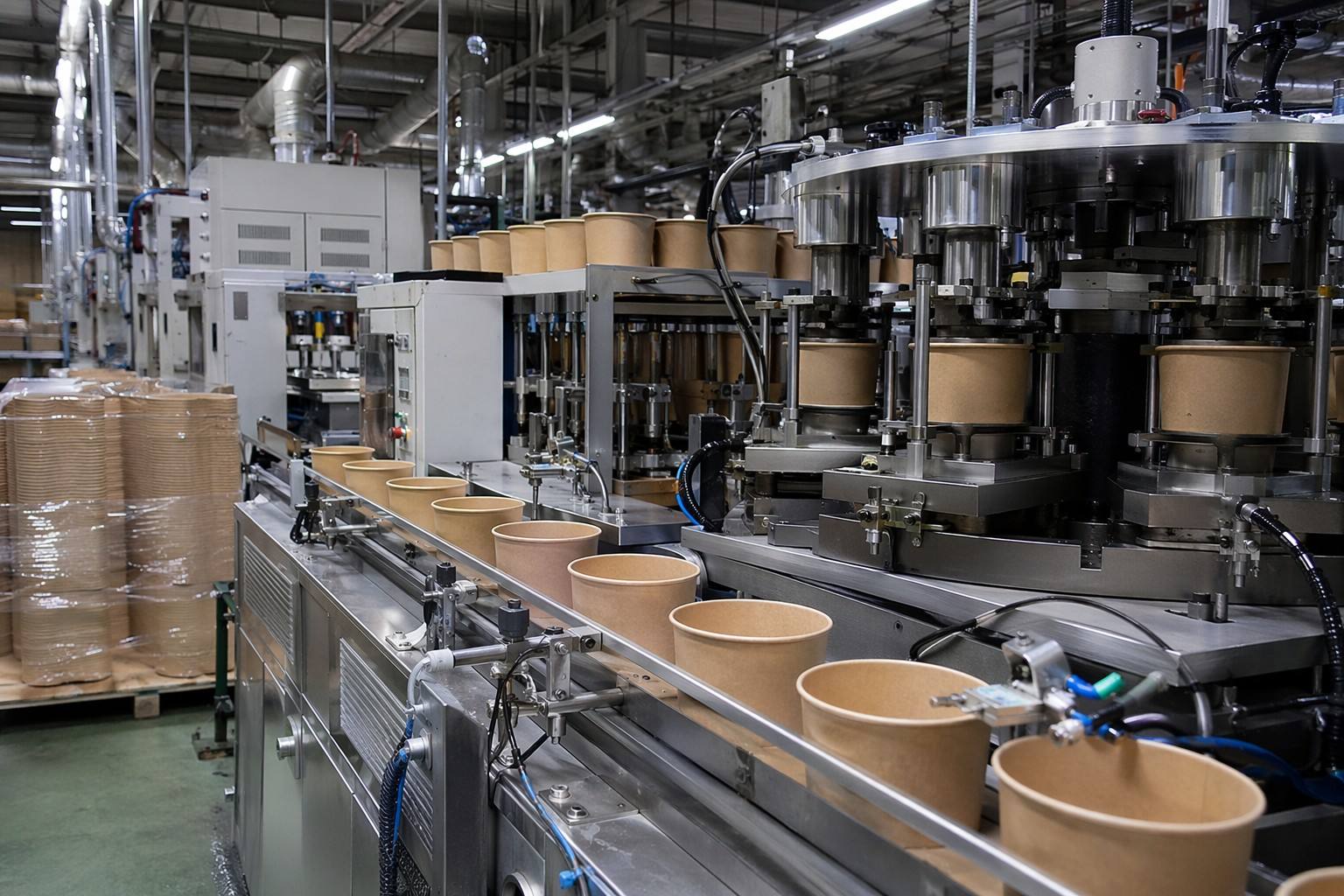
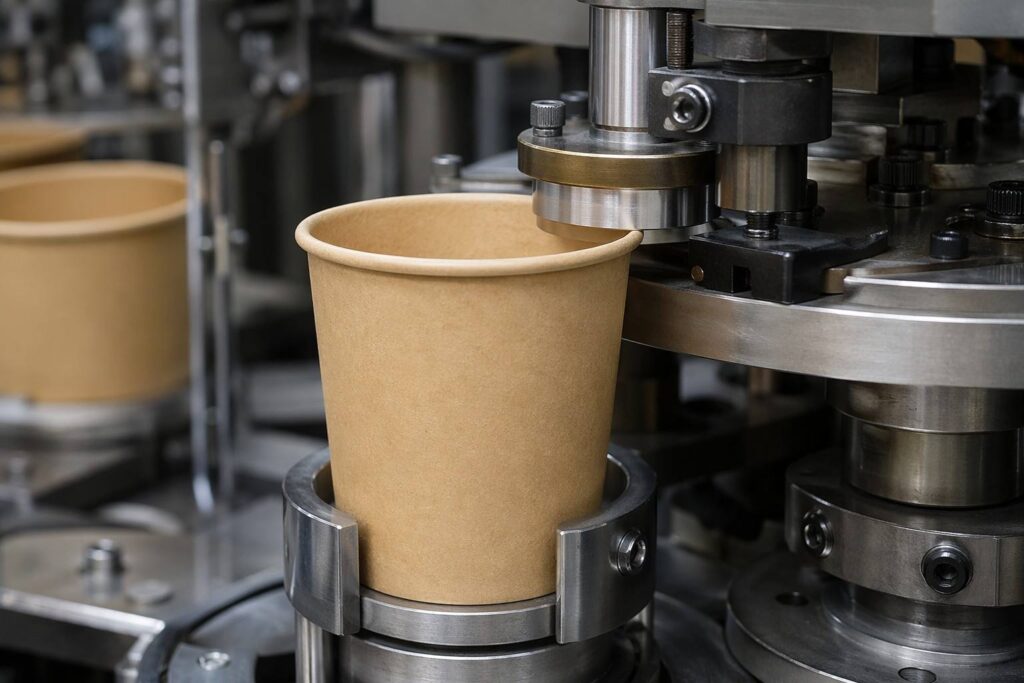
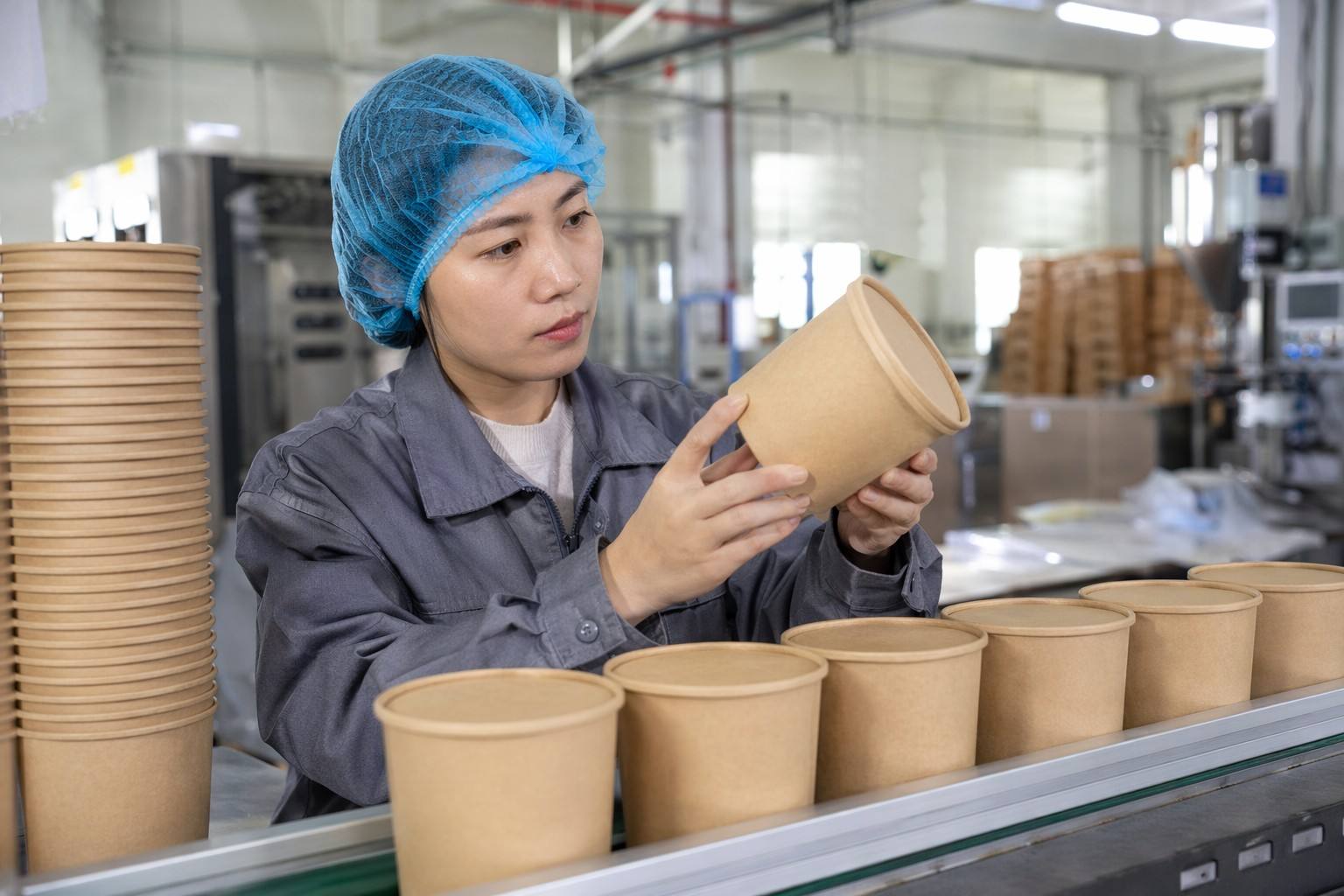
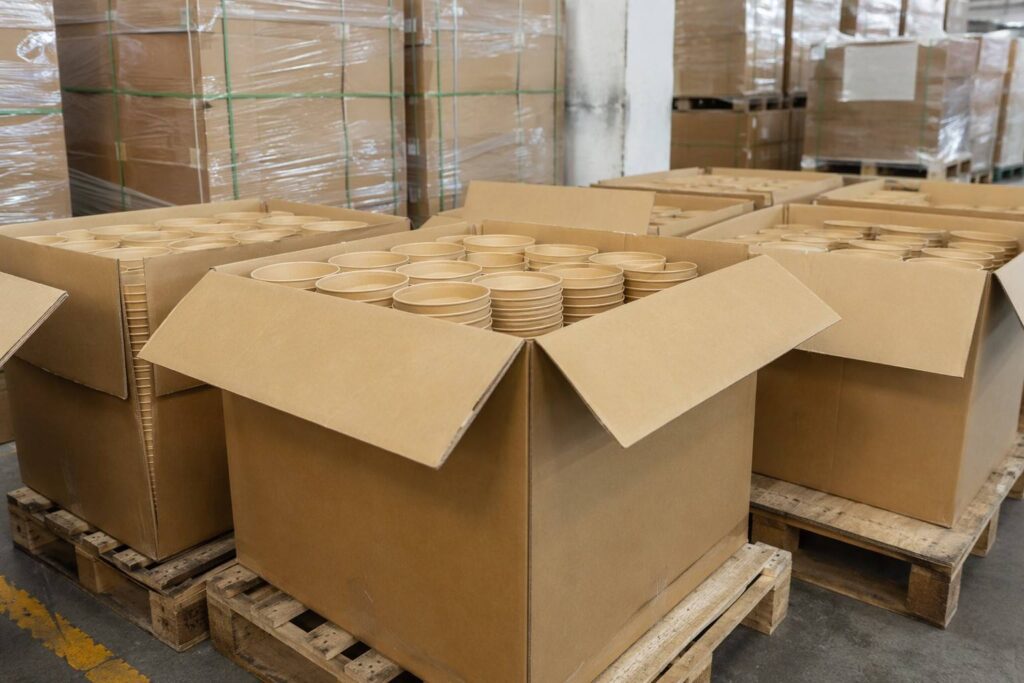
Selecting the right paper soup cup manufacturer is just as important as choosing the right product. A reliable manufacturing partner can help improve product quality, reduce procurement risks, support custom branding, and ensure a stable long-term supply.
The following factors are commonly evaluated by professional buyers when selecting a supplier.
A professional manufacturer should have sufficient production capacity, advanced equipment, and standardized production management to ensure stable quality and on-time delivery.
Choose a supplier that uses food-grade raw materials and follows strict quality control procedures. Compliance with international food-contact standards helps ensure product safety for global markets.
Experienced OEM manufacturers can support custom logo printing, full-color graphics, retail packaging, and private-label solutions while maintaining consistent production quality.
A strong supplier should provide flexible customization, including cup sizes, coating options, lid compatibility, carton printing, and packaging design to meet different market requirements.
Manufacturers with extensive export experience understand international packaging standards, shipping requirements, and documentation, helping buyers reduce procurement risks.
Responsive communication, technical recommendations, sampling support, and after-sales service are essential for building long-term business partnerships.
Before placing an order for paper soup cups, buyers are encouraged to review the following checklist to help ensure the selected products meet both commercial and technical requirements.
□ Cup Capacity
□ Cup Diameter & Height
□ Paperboard Specification
□ Coating Type (PE / PLA / Water-Based Barrier)
□ Printing Artwork Approval
□ Pantone Color Requirements
□ Compatible Lid Type
□ Food Application (Soup / Noodles / Porridge / Ice Cream / Salad)
□ Hot or Cold Food Requirements
□ Food Contact Compliance
□ Leak Resistance Requirements
□ Sustainability Requirements
□ MOQ
□ Production Lead Time
□ Packaging Specifications
□ Carton Marking
□ Shipping Method
□ Destination Market Regulations
□ Annual Purchasing Forecast
□ Sample Approval
□ Factory Audit Requirements
□ Payment Terms
Completing this checklist before production begins helps minimize procurement risks, improve communication with suppliers, and ensure your paper soup cups meet quality, branding, and market requirements.
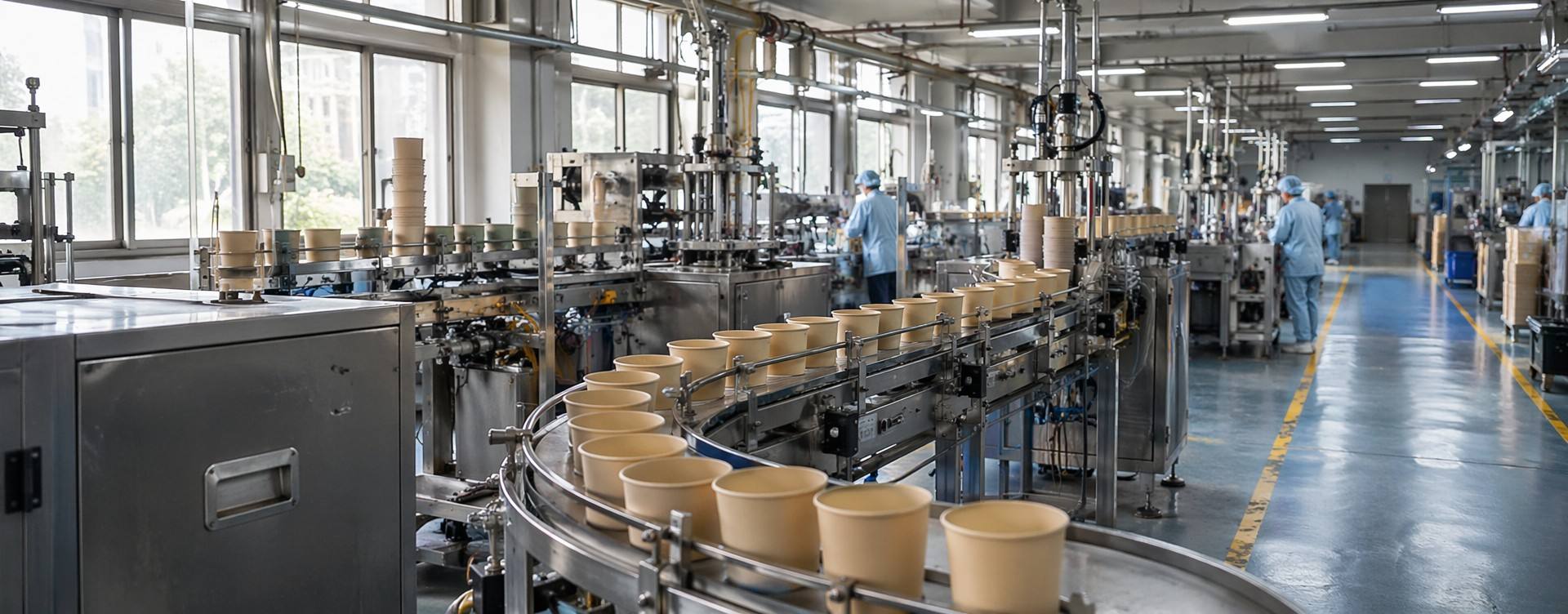
DAILYECO provides integrated paper soup cup packaging solutions for importers, distributors, restaurant chains, foodservice suppliers, supermarkets, and private-label food packaging brands worldwide.
As a professional manufacturer and supply chain partner, we are committed to delivering consistent product quality, flexible OEM & ODM services, and reliable global supply to help customers build competitive food packaging solutions.
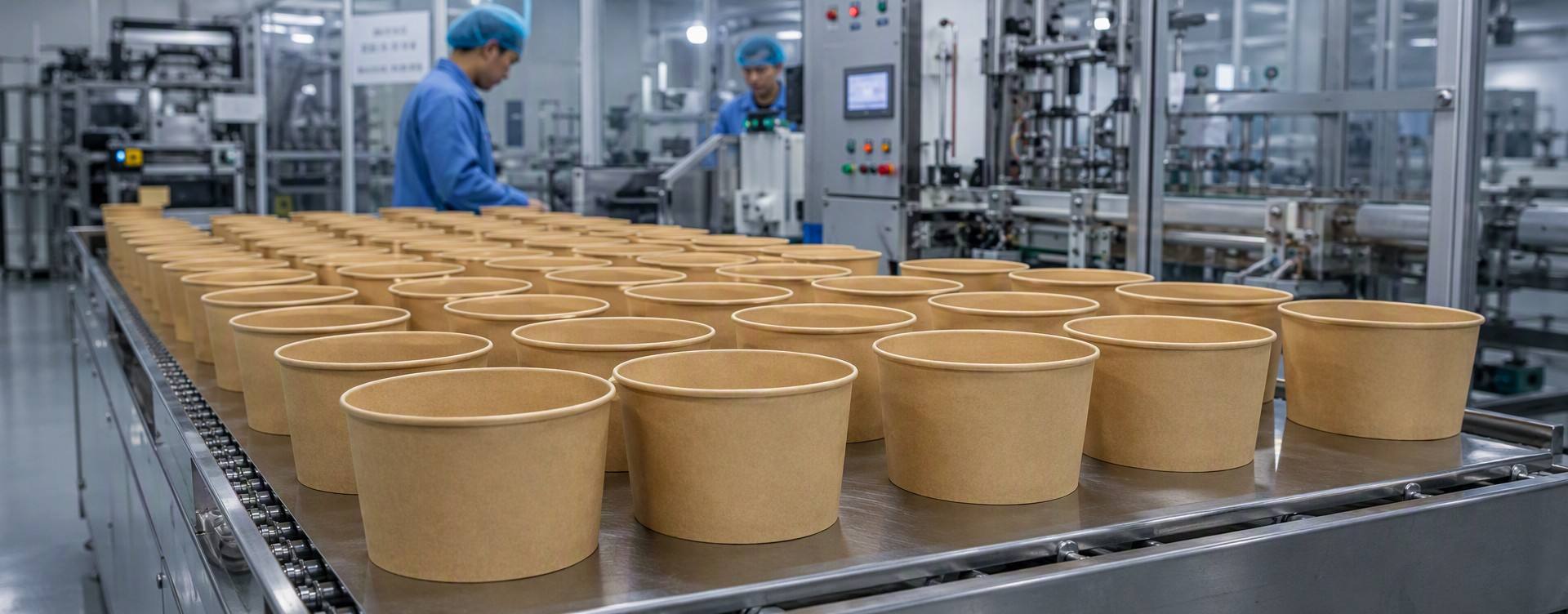
DAILYECO Manufacturing Facility | Description |
Employees | More than 1,000 employees |
Production Lines | 20 production lines with advanced paper soup cup manufacturing equipment |
Monthly Supply Capacity | 30–35 × 40HQ containers |
Product Sizes | Multiple standard molds available for various paper soup cup capacities |
Printing Capability | Flexographic & Offset Printing |
OEM | Logo, printing, packaging, carton customization |
ODM | Material selection, cup structure, artwork optimization |
Technical Support | Available |
Production MOQ | 50,000 pcs per size for standard orders; customized MOQ available based on specifications |
Typical Lead Time | Approximately 30–35 days for new customized orders |
Different countries have different requirements for disposable food packaging, and documentation expectations may vary depending on product materials, coatings, and intended food-contact applications.
DAILYECO assists importers, distributors, and foodservice brands by preparing the compliance documents commonly requested during sourcing, customs clearance, and market entry. Our team helps customers identify the documentation required for their destination market and provides corresponding technical support whenever available.
Whether you are importing paper soup cups for North America, Europe, Australia, or other international markets, we aim to simplify the compliance process and reduce procurement risks through transparent documentation support.
DAILYECO helps customers prepare the documentation required for importing disposable food packaging into different markets.
Depending on your destination country and product specification, support may include:
Learn more about our certifications, testing capabilities, and compliance support →
Different countries require different documentation before disposable food packaging can enter the market.
Our technical team helps buyers identify the appropriate compliance documents according to their destination, reducing procurement risks and simplifying customs clearance.
Typical support includes:
FDA, EU, LFGB, Testing, Factory Audit, Material Declaration
View Our Compliance & Certification Support Page
DAILYECO provides comprehensive customization solutions for paper soup cups, helping customers develop distinctive food packaging that enhances brand recognition.
Customization services include:
DAILYECO exports paper soup cups to customers across North America, Europe, Australia, the Middle East, and Asia.
With extensive international trade experience, we help customers streamline procurement, optimize shipping efficiency, and establish a stable long-term supply chain.
Our experienced international sales team provides responsive support throughout every stage of your project.
Services include:
As the global foodservice industry continues to evolve, DAILYECO continuously develops new paper soup cup sizes, barrier coating technologies, lid solutions, and sustainable packaging options.
Our ongoing investment in product innovation enables customers to meet changing market demands while improving packaging performance, brand presentation, and operational efficiency.