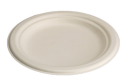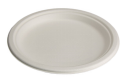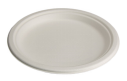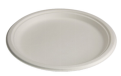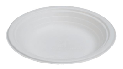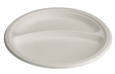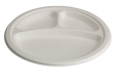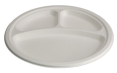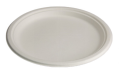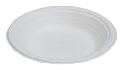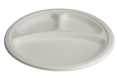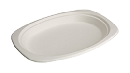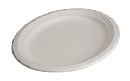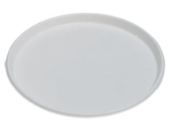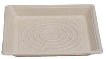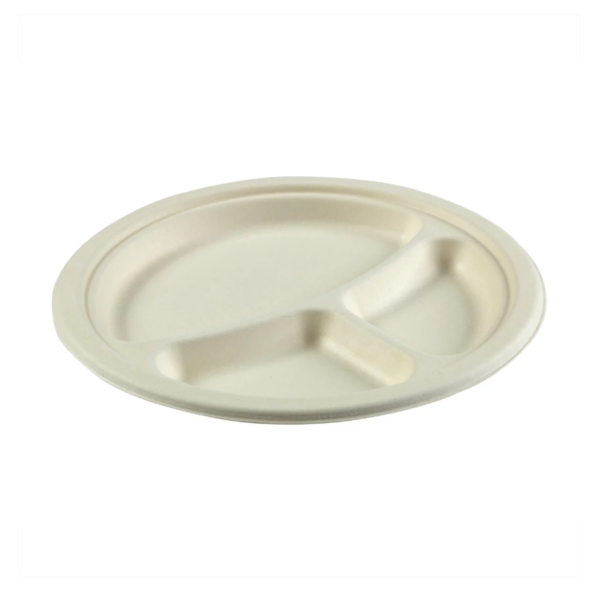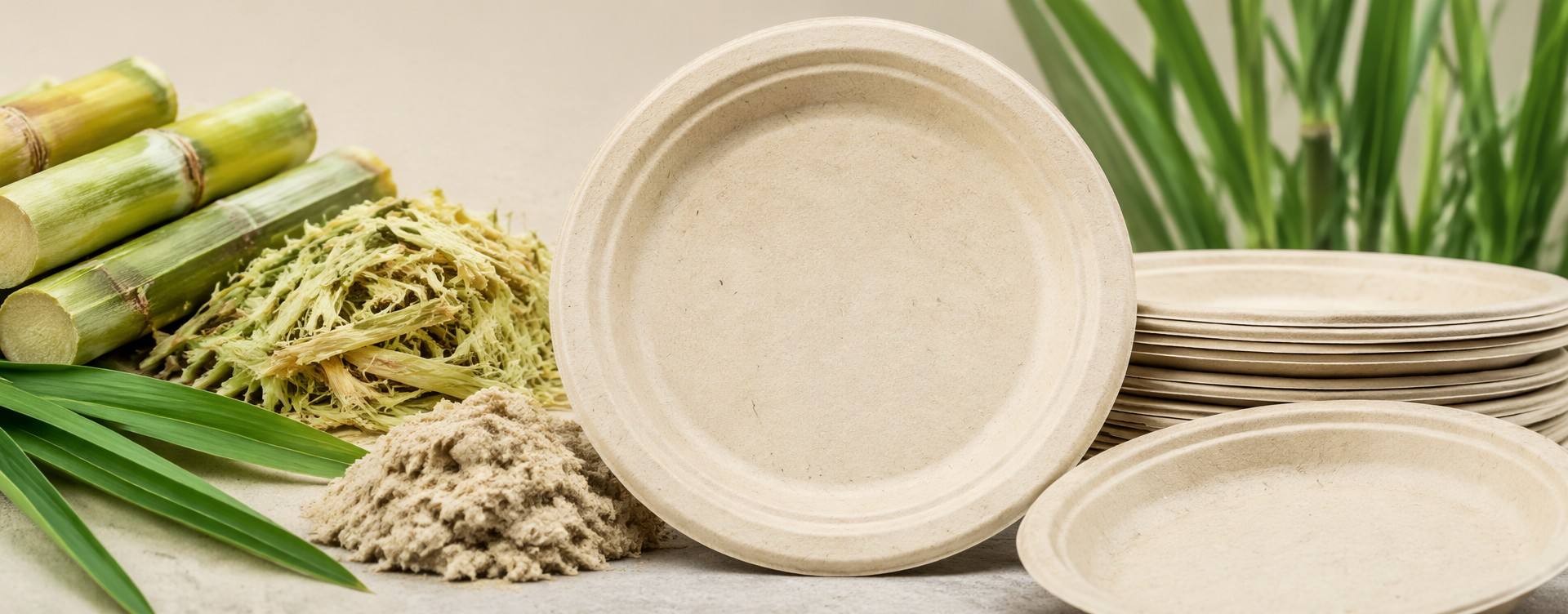
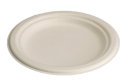
Round Plate

DAILYECO, Your Professional Compostable Paper Plates Manufacturer

Custom Compostable Paper Plates for Sustainable Food Packaging

Key Facts About Compostable Paper Plates

Item

Information

Product Name

Compostable Paper Plates

Material

Sugarcane Bagasse, Molded Fiber, Food-Grade Plant Fiber

Product Type

Compostable Disposable Plates

Typical Sizes

6″ · 7″ · 8″ · 9″ · 10″ · 10.5″ · 12″ · Square: 7″ · 9″ · 10″ · Rectangular: 6″ × 4″ · 8″ × 5″ · 9″ × 6″ · Hot Dog: 7″ · 8″

Applications

Restaurants, Cafés, Catering, Hotels, Schools, Supermarkets, Food Delivery, Parties, Events

Food Types

Hot Meals, Cold Foods, Salads, Desserts, BBQ, Fast Food

Structure

Heavy Duty Molded Fiber Construction

Surface Options

Natural, White, Smooth Finish

Customization

OEM & ODM Available

Printing

Custom Logo & Private Label Packaging

Features

Oil Resistant, Water Resistant, Microwave Safe, Freezer Safe

Supply Type

Manufacturer & Supply Chain Partner

Export Markets

North America, Europe, Australia, Middle East, Asia

Compostable paper plates are eco-friendly disposable food packaging products manufactured from renewable plant fibers such as sugarcane bagasse. Designed to replace conventional plastic and foam plates, they provide excellent strength, grease resistance, and food-contact safety while supporting sustainable foodservice operations.

Compared with traditional disposable plastic or foam plates, compostable paper plates offer superior environmental performance, excellent rigidity, and a natural premium appearance. They are widely used by restaurants, catering companies, cafés, hotels, supermarkets, foodservice distributors, and takeaway businesses seeking reliable and environmentally responsible disposable tableware.

DAILYECO supplies both self-manufactured and supply-chain-supported compostable paper plates, including bagasse plates, sugarcane plates, heavy-duty compostable plates, compartment plates, OEM production, private-label branding, custom packaging, and global export services for professional B2B customers.

What Are Compostable Paper Plates? 

Compostable paper plates are disposable foodservice plates manufactured primarily from renewable plant fibers rather than petroleum-based plastics. The most common raw material is sugarcane bagasse, the natural fiber remaining after sugar extraction, which is transformed into durable molded fiber tableware through high-pressure and high-temperature production processes.

Unlike conventional plastic plates, bagasse paper plates are produced from agricultural by-products that would otherwise become waste. This manufacturing approach helps maximize resource utilization while reducing dependence on virgin plastic materials.

Depending on customer requirements, production specifications, and destination market regulations, compostable paper plates can be manufactured in various sizes, shapes, colors, and thicknesses. Products may include round compostable paper plates, square compostable paper plates, compartment plates, heavy-duty disposable plates, and custom-developed solutions for commercial foodservice applications.

Because molded fiber construction provides excellent rigidity and resistance to oil and moisture, these plates perform reliably when serving hot meals, grilled foods, fried foods, salads, desserts, pasta, rice dishes, and takeaway meals. They are suitable for microwave reheating and freezer storage, making them one of the most versatile disposable tableware solutions available today.

Today, compostable paper plates are widely used by restaurants, catering companies, food delivery platforms, supermarkets, institutional dining facilities, schools, hospitality businesses, and event organizers worldwide. Their combination of sustainability, strength, food safety, and customization flexibility has made them one of the fastest-growing categories in sustainable food packaging.

For businesses looking to improve sustainability while maintaining excellent food presentation and operational efficiency, compostable paper plates provide a practical, scalable, and commercially proven packaging solution.

What Are the Key Features of Compostable Paper Plates?

Professional buyers typically evaluate compostable paper plates based on structural performance, food application compatibility, material options, compliance support, operational efficiency, and long-term supply capability rather than marketing claims alone.

The following table summarizes the key product characteristics commonly considered when sourcing compostable paper plates for commercial foodservice and retail packaging programs.

Feature

Procurement Information

Buyer Notes

Material Construction

Manufactured primarily from molded sugarcane bagasse and other renewable plant fibers. Alternative fiber blends may be available depending on product specifications and project requirements.

Buyers should confirm the exact material composition, basis weight, and fiber formulation for each SKU, particularly when market-specific documentation or certifications are required.

Structural Performance

Designed to support a wide range of foodservice applications, including hot meals, cold dishes, takeaway foods, and buffet service. Product rigidity varies according to plate size and construction.

Performance should be evaluated using the intended food type, serving weight, and service duration rather than relying on product descriptions alone.

Oil & Grease Resistance

Suitable for serving foods containing oils, sauces, or moderate grease under normal commercial foodservice conditions.

Buyers serving high-fat or high-temperature foods should request samples for application-specific evaluation before mass purchasing.

Moisture Resistance

Designed for foods with typical moisture content while maintaining structural integrity during normal serving periods.

Holding time, food temperature, and storage conditions may affect product performance and should be verified for the intended application.

Microwave & Freezer Compatibility

Many product specifications are suitable for microwave reheating and freezer storage under normal usage conditions.

Compatibility should be confirmed for each individual product specification and validated according to customer requirements.

Food Contact Documentation

Products may be supported by food-contact documentation appropriate to the destination market and agreed project scope.

Required documentation should be confirmed before production to ensure compliance with customer and regulatory requirements.

Product Configuration

Available in multiple sizes, shapes, compartment designs, and depth options to support different meal formats and serving requirements.

Selecting standardized specifications across multiple product lines can simplify purchasing, warehousing, and inventory management.

Customization Capability

OEM and ODM services may include custom dimensions, embossed logos, private-label packaging, retail-ready cartons, and tailored packaging configurations.

Custom projects should be reviewed according to minimum order quantity, artwork approval, production lead time, and packaging specifications.

Supply Capability

Supports recurring purchasing programs for distributors, restaurant chains, wholesalers, supermarkets, catering suppliers, and private-label brands.

Long-term buyers should evaluate manufacturing consistency, production planning, quality control systems, and supply continuity in addition to product specifications.

Sustainability Options

Material solutions may be selected according to local composting infrastructure, recycling systems, customer sustainability objectives, and destination-market expectations.

Environmental claims should always correspond to the specific product supplied and be supported by applicable documentation where required.

Expert Procurement Recommendation 

Experienced buyers generally evaluate compostable paper plates as part of an overall foodservice packaging program rather than as standalone products. In addition to size and appearance, procurement decisions should consider food application, material performance, destination-market requirements, documentation, supply continuity, and customization capability.

For long-term purchasing programs, standardizing a core range of plate specifications across restaurants, catering operations, and distribution channels can simplify inventory management, improve purchasing efficiency, reduce logistics complexity, and support consistent product performance throughout the

Compostable Paper Plates Structure and Sustainable Material Composition

 Why Are Compostable Paper Plates Becoming Popular Worldwide? 

The rapid growth of sustainable foodservice, takeaway dining, and environmentally responsible packaging has significantly increased global demand for compostable paper plates.

Governments, foodservice operators, and consumers are placing greater emphasis on reducing plastic waste and adopting renewable packaging materials. As a result, restaurants, cafés, catering companies, supermarkets, and hospitality businesses are increasingly replacing traditional plastic and foam tableware with bagasse plates and other compostable disposable plates.

Customer expectations have also evolved. Modern consumers increasingly prefer food packaging that not only performs well but also reflects a brand’s environmental commitment. The natural appearance of sugarcane plates helps businesses communicate sustainability while maintaining a premium dining experience.

Advances in molded fiber manufacturing technology have further improved product strength, dimensional consistency, grease resistance, and production efficiency. Today’s heavy-duty compostable paper plates provide excellent performance for hot meals, cold foods, oily dishes, and takeaway packaging while supporting large-scale commercial operations.

For importers, distributors, wholesalers, restaurant chains, and food packaging brands, compostable paper plates continue to represent one of the fastest-growing product categories within the global sustainable food packaging industry.

Industry Insights & Market Trends

Growing environmental awareness, changing foodservice consumption habits, and international plastic reduction initiatives continue to accelerate demand for compostable paper plates across global markets.

Disposable tableware is evolving from a simple serving accessory into an important part of sustainability strategy, brand positioning, regulatory compliance, and customer experience.

For manufacturers, distributors, retailers, and brand owners, understanding these market trends helps guide more informed purchasing decisions and long-term sourcing strategies.
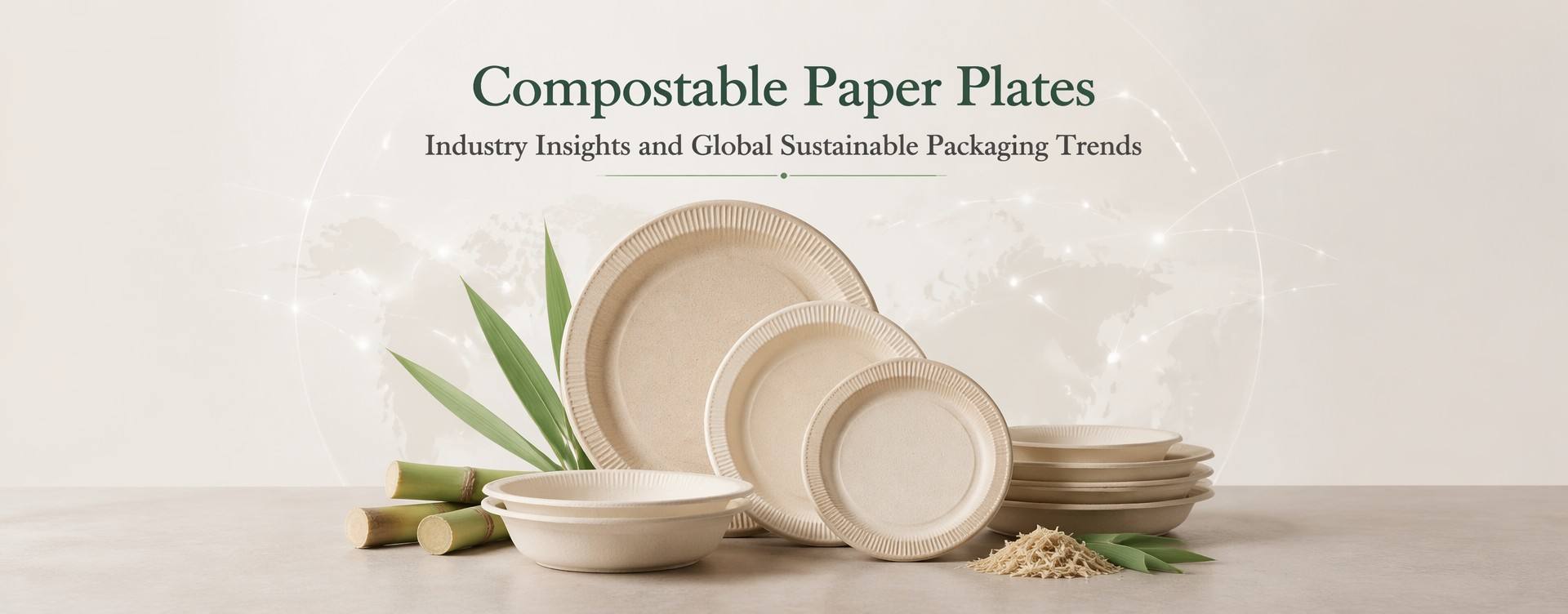
Compostable Paper Plates Industry Insights and Global Sustainable Packaging Trends

Global Market Overview

The global foodservice industry is experiencing a significant shift toward sustainable disposable packaging. As governments introduce stricter regulations on single-use plastics and consumers become more environmentally conscious, compostable paper plates have become one of the fastest-growing categories in disposable tableware.

Restaurants, cafés, hotels, catering companies, supermarkets, and food delivery platforms are increasingly replacing conventional plastic and foam plates with bagasse plates and sugarcane plates that offer both reliable performance and a lower environmental impact.

At the same time, food packaging has become an extension of brand identity. Businesses are looking for packaging solutions that not only protect food during serving and transportation but also demonstrate their commitment to sustainability and responsible sourcing.

This market evolution has contributed to the rapid adoption of heavy-duty compostable paper plates, which combine durability, food-contact safety, and premium presentation while supporting long-term environmental goals.

Key Industry Trends

Growing Demand for Sustainable Food Packaging

Sustainability has become a key purchasing factor across the global foodservice industry. More restaurants, retailers, and distributors are actively replacing traditional disposable tableware with compostable paper plates manufactured from renewable plant fibers.

Expansion of Takeaway and Food Delivery

The continued growth of takeaway dining and food delivery services has increased demand for disposable plates that maintain their strength during transportation. Buyers now prioritize products with excellent grease resistance, rigidity, and leak prevention for commercial foodservice applications.

Premium Food Presentation

Disposable tableware is no longer viewed as a low-value product. Many restaurant chains and catering companies now select eco friendly paper plates with premium finishes and consistent quality to enhance customer experience and strengthen brand perception.

Customization Is Becoming Standard

Private-label packaging and branded disposable tableware continue to grow worldwide. Importers and distributors increasingly require custom compostable paper plates, OEM manufacturing, customized packaging, and retail-ready solutions to differentiate themselves in competitive markets.

Brand Differentiation Through Packaging

For many foodservice businesses, disposable tableware is one of the first physical touchpoints customers experience.

High-quality compostable paper plates with consistent dimensions, clean molded surfaces, and attractive natural finishes help reinforce a professional brand image while supporting sustainability messaging.

Many international restaurant chains also use customized packaging to promote seasonal campaigns, strengthen brand recognition, and create a more memorable dining experience.

As a result, packaging has evolved from a simple serving product into an important marketing asset that contributes to customer satisfaction and brand value.

Regional Market Focus

Different regions prioritize different purchasing considerations when sourcing compostable paper plates.

Region

Typical Market Focus

North America

Product durability, food safety, operational efficiency

Europe

Compostability, regulatory compliance, plastic reduction

Australia & New Zealand

Sustainable materials, premium food presentation

Middle East

Heavy-duty performance, hospitality applications

Asia

Cost efficiency, production stability, reliable delivery

Understanding regional purchasing priorities enables importers and distributors to select products that better align with local regulations, customer expectations, and commercial requirements.

What This Means for Buyers

Today’s procurement decisions are no longer based solely on unit price.

Professional buyers increasingly evaluate manufacturers based on their ability to provide:

  • Consistent product quality
  • Stable manufacturing capacity
  • Flexible OEM & ODM services
  • Food-contact compliance support
  • Reliable global supply
  • Sustainable material solutions
  • Technical consultation
  • Long-term product development support

As sustainable packaging regulations continue to evolve worldwide, successful sourcing depends on selecting manufacturing partners that can support both current operational needs and future market requirements.

Businesses that combine high-quality compostable paper plates with strategic packaging planning are better positioned to improve customer satisfaction, reduce procurement risks, and build stronger long-term competitive advantages.

Which Material Is Right for Your Business? 

Different businesses require different packaging solutions depending on food types, target markets, sustainability objectives, and budget.

Choose Bagasse Compostable Paper Plates If You

  • Prioritize renewable plant-fiber packaging.
  • Supply restaurants, cafés, hotels, and catering companies.
  • Require heavy-duty compostable paper platesfor hot, oily, or wet foods.
  • Export to markets promoting sustainable food packaging.
  • Want to strengthen your brand’s environmental image.

Choose Virgin Paper Plates If You

  • Need a smooth surface for high-quality printing.
  • Focus on desserts, bakery products, or light meals.
  • Require cost-effective disposable tableware.
  • Prioritize premium branding and full-color graphics.
  • Serve retail and supermarket packaging programs.

Choose PLA-Coated Compostable Paper Plates If You

  • Target markets with industrial composting infrastructure.
  • Need products that support certified compostable programs.
  • Serve environmentally conscious foodservice brands.
  • Want to replace traditional PE-coated disposable tableware.
  • Focus on sustainability-driven purchasing strategies.

Choose Plastic Plates If You

  • Primarily serve cold foods.
  • Require reusable plastic-style performance.
  • Operate in applications where compostability is not a purchasing priority.
  • Focus on the lowest initial product cost.

Procurement Recommendations by Market

Different international markets prioritize different packaging characteristics. Selecting the appropriate compostable paper plates according to your destination market can improve customer satisfaction while reducing procurement and compliance risks.

Target Market

Recommended Material

Primary Purchasing Considerations

North America

Bagasse Plates

Product Performance, Food Contact Compliance, Operational Efficiency

Europe

Bagasse / PLA Plates

Compostability, Sustainability, Plastic Reduction Regulations

Australia & New Zealand

Bagasse Plates

Environmental Performance, Premium Foodservice

Middle East

Heavy Duty Bagasse Plates

Heat Resistance, Strength, Hospitality Applications

Asia

Bagasse & Paper Plates

Cost Efficiency, Stable Supply, Fast Delivery

Restaurants & Catering

Heavy Duty Compostable Paper Plates

Food Performance, Customer Experience

Eco-Focused Brands

Sugarcane Plates

Renewable Materials, Sustainability Marketing

Rather than selecting products based on price alone, buyers should evaluate material performance, destination market regulations, branding objectives, food applications, production stability, and long-term procurement costs. This comprehensive approach helps identify the most suitable compostable paper plates for sustainable business growth.

DAILYECO’s Complete Compostable Paper Plates Categories Will Cover All Your Sales and On-Site Application Needs

DAILYECO offers a comprehensive range of compostable paper plates designed for restaurants, cafés, hotels, catering companies, supermarkets, institutional dining, food delivery businesses, wholesalers, distributors, and private-label food packaging brands.

Our product portfolio covers the industry’s most popular sizes and configurations, providing reliable solutions for appetizers, desserts, full meals, BBQ, takeaway foods, and commercial catering. Every product is engineered to deliver excellent rigidity, grease resistance, and food safety while supporting sustainable packaging initiatives.

Pictures

Name

Size

Weight

Pcs/bag

Bag/CTN

Pcs/CTN

Length

Width

Height

6“ Lace Plate

Ø155*12.5

7

125

8

1000

32

27

32


5” Plate

Ø127*15.16

5.5

125

8

1000

26.5

27

26.5

7” Lace Plate

Ø182*15

8

125

8

1000

36

29.5

36

8“ Lace Plate

Ø210*15

11

125

8

1000

32

24

46

6” Plate

Ø155*12.5

6

125

8

1000

32

27

32

7” Plate

Ø175*15.8

8

125

8

1000

36

29.5

36

8″Plate

Ø205*16

11

125

8

1000

42

26

42.5

8.78″Plate

Ø22.23*18.95

12

125

4

500

32

23.3

45.6

9” Plate

Ø225*19.6

15

125

4

500

32

23.5

46

PET Lid for 9” Plate

Ø230*53

19

50

4

200

55.5

47.5

47

9” Large Plate

Ø230*22

16

125

4

500

47

32

24

9″  Deep Plate

Ø225*36

19

125

4

500

46

18.5

46

9” 2 Compartment Plate

Ø225*19.6

15

125

4

500

46

32

23.5

9” 3 Compartment Plate

Ø225*19.6

15

125

4

500

46.5

32

23.5

9″ 3 Compartment Plate (Big)

Ø235*20.4

18

125

4

500

49

34

24.5

10” Plate

Ø258*20.5

20

125

4

500

53

34

27

10″  Deep Plate

Ø258.6*28

24

125

4

500

53

19.5

53

10” 3 Compartment Plate

Ø258*25.5

21

125

4

500

52.5

18

52.5

Square Edge Oval Plate

230*160*20

13

125

4

500

47

37

33

Small Oval Plate

264*200*18

17

125

4

500

36

27.5

41

Large Oval Plate

317.5*254*24.5

28

125

4

500

34

32.5

53

12″ Pizza Box

320*17

34

50

4

200

55

34

34

12″ Pizza Box PET Lid

350*330*50

42

50

4

200

66

45.5

67


Pictures

Name

Size

Weight

Pcs/bag

Bag/CTN

Pcs/CTN

Length

Width

Height

6” Square Plate

160*160*15

13

50

10

500

34

28

17

8” Square Plate

200*200*15

17

50

10

500

56

21

21

10” Square Plate

260*260*15

30

50

10

500

57

27

27

10” Rec Plate

260*130*20

17

50

10

500

30.5

27

28

10 Square Plate

260*260*30

35.5

100

2

200

34

27

27

All specifications can be customized according to your target market, food applications, branding strategy, and sustainability requirements.

Customization Options

DAILYECO provides comprehensive OEM and private-label solutions for foodservice brands, distributors, wholesalers, retailers, and packaging companies worldwide.

Customization services include:

  • Custom Logo Embossing
  • Custom Packaging Design
  • Private Label Solutions
  • Retail Packaging
  • Supermarket Packaging
  • Amazon Ready Packaging
  • Barcode Printing
  • QR Code Printing
  • Product Label Customization
  • Carton Printing
  • Customized Plate Size Development
  • Customized Mold Development
  • Seasonal Promotional Packaging

Our engineering, mold development, and packaging teams work closely with customers to ensure every project reflects brand identity while maintaining stable production quality and efficient large-scale manufacturing.
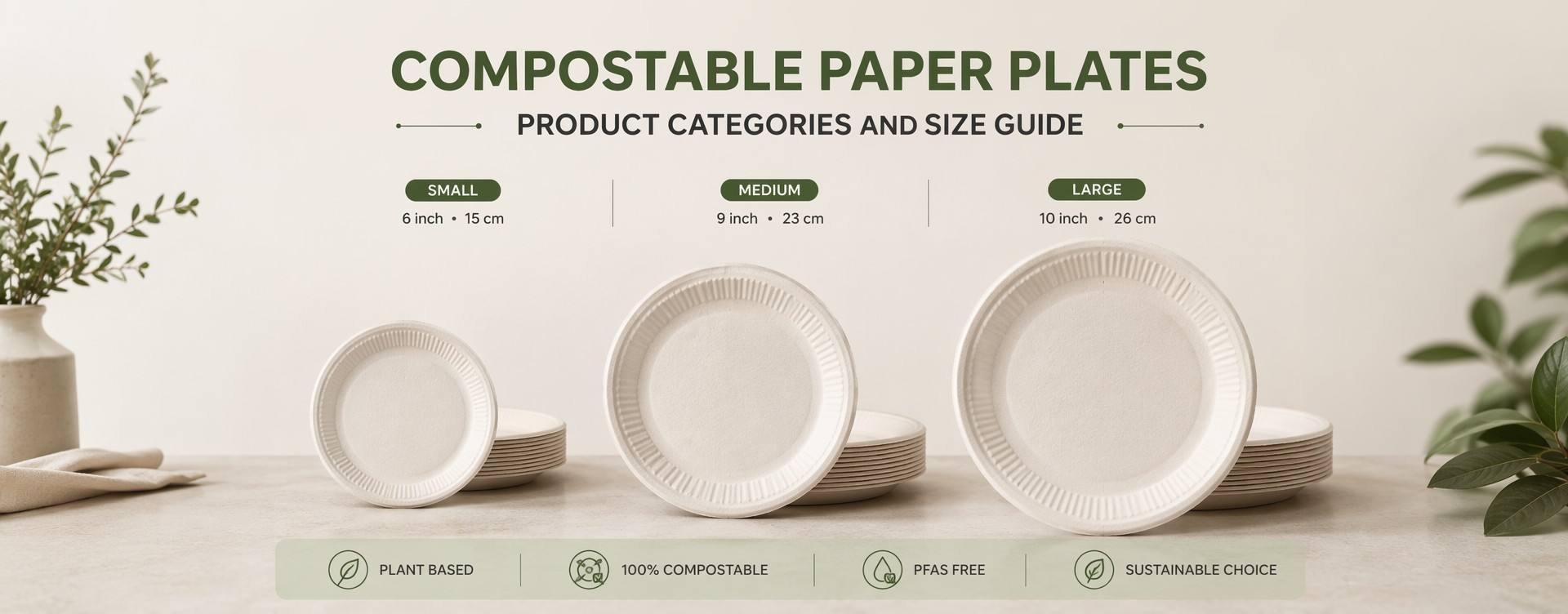
Compostable Paper Plates Product Categories and Size Guide 

Compostable Paper Plates Size Guide

Selecting the appropriate compostable paper plates helps improve food presentation, portion control, transportation performance, and customer satisfaction. DAILYECO manufactures a complete range of compostable paper plates in multiple sizes, shapes, and styles to meet the needs of restaurants, catering companies, bakeries, supermarkets, food delivery businesses, and institutional foodservice providers.

Standard Compostable Paper Plates Size Guide

Plate Size

Approx. Diameter

Typical Applications

6 Inch Compostable Paper Plates

155 mm

Cakes, pastries, fruit, desserts, appetizers

7 Inch Compostable Paper Plates

180 mm

Salads, snacks, side dishes, breakfast

8 Inch Compostable Paper Plates

200 mm

Sandwiches, burgers, light meals, café service

9 Inch Compostable Paper Plates

230 mm

Lunch, takeaway meals, fast food, restaurant dining

10 Inch Compostable Paper Plates

255 mm

Dinner, BBQ, grilled food, buffet service

10.5–10.75 Inch Compostable Paper Plates

268 mm

Main courses, steak, premium catering

12 Inch Compostable Paper Plates

305 mm

Seafood platters, family meals, banquets, sharing dishes

Square Compostable Paper Plates

Plate Size

Typical Applications

7 Inch Square Compostable Paper Plates

Cakes, desserts, salads

9 Inch Square Compostable Paper Plates

Lunch, bakery, takeaway meals

10 Inch Square Compostable Paper Plates

Restaurants, catering, premium food presentation

Specialty Compostable Paper Trays

Product Type

Recommended Applications

Hot Dog Paper Trays

Hot dogs, sandwiches, street food

Rectangular Paper Trays

Fries, snacks, bakery products, takeaway meals

Rounded Square Paper Trays

Cafés, restaurants, desserts

Conch Shell Paper Trays

Seafood, fried food, outdoor events

Recommended Plate Sizes by Food Type

Food Type

Recommended Size

Cake & Desserts

6 Inch

Bread & Pastries

6–7 Inch

Salads

7 Inch

Sandwiches

8 Inch

Burgers

8–9 Inch

Lunch Meals

9 Inch

Main Courses

10 Inch

Steak & Seafood

10.5–12 Inch

BBQ & Buffet

10–12 Inch

Family Sharing Meals

12 Inch

DAILYECO provides 6 inch, 7 inch, 8 inch, 9 inch, 10 inch, 10.5 inch, and 12 inch compostable paper plates, together with square plates, specialty trays, and custom OEM solutions. Our experienced team can recommend the most suitable plate specifications based on your menu, serving style, annual purchasing volume, and destination market.
Get Latest Catalog

What Is the Application of Compostable Paper Plates? 

Compostable paper plates are widely used across the global foodservice industry. Their excellent structural strength, grease resistance, food-contact safety, and sustainable material composition make them a preferred disposable tableware solution for commercial foodservice businesses.

From restaurants and catering companies to supermarkets, hotels, schools, and food delivery platforms, compostable paper plates provide reliable performance while supporting plastic reduction initiatives and environmentally responsible business practices.

The following guide explains not only where compostable paper plates are used, but also why different industries choose them and what purchasing considerations are typically involved.

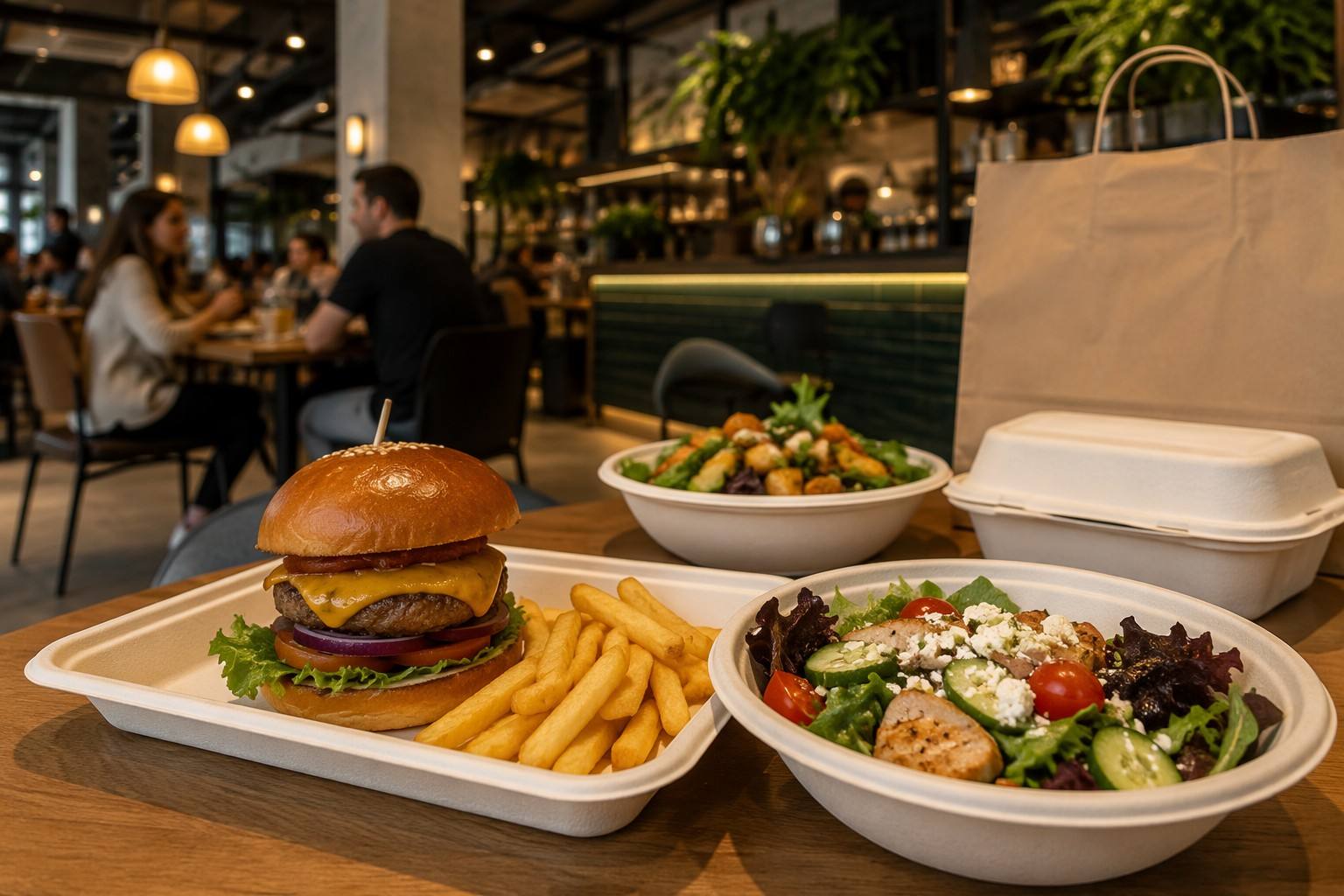
Branded Compostable Paper Plates for Restaurant Dining and Takeaway

Restaurant Dine-In & Takeaway Service 

Restaurants remain one of the largest users of compostable paper plates worldwide.

Whether serving dine-in customers or preparing takeaway meals, restaurants require disposable plates that can handle hot, oily, and heavy foods without bending or leaking. Heavy-duty bagasse plates provide the durability needed while reinforcing a restaurant’s commitment to sustainable packaging.

Typical Requirements

  • Excellent structural strength
  • Oil and grease resistance
  • Microwave-safe performance
  • Premium food presentation
  • Multiple plate sizes

Recommended Sizes

7″ · 9″ · 10″ · 10.25″

Catering & Banquet Services

Professional catering companies require disposable tableware that combines attractive presentation with dependable performance during high-volume events.

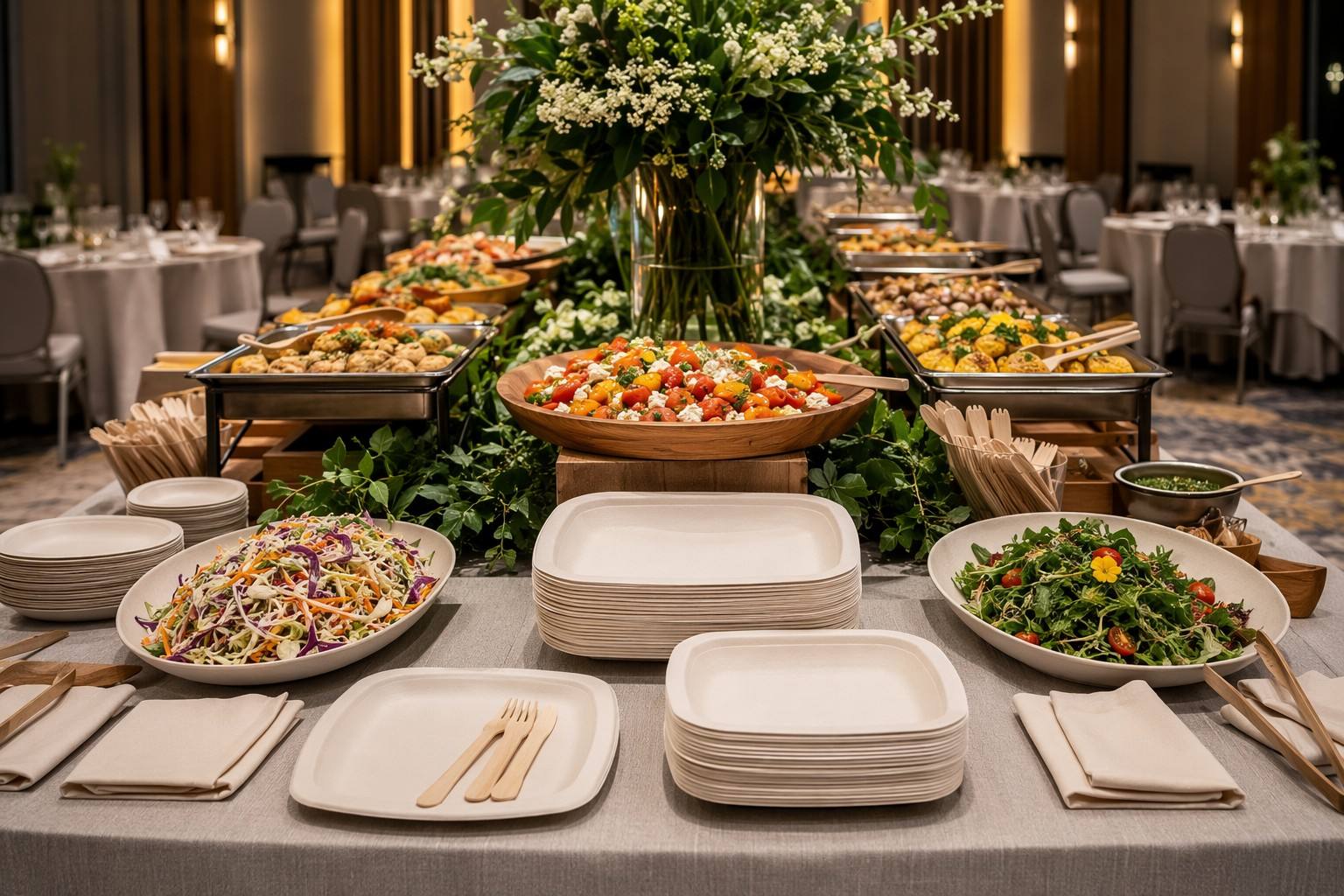
From weddings and corporate banquets to outdoor receptions and large-scale celebrations, compostable paper plates help simplify operations while supporting environmentally responsible event management.

Typical Requirements

  • Heavy-duty construction
  • Elegant appearance
  • Large serving capacity
  • Easy transportation
  • Consistent product quality

Recommended Sizes

9″ · 10″ · 10.25″ · Compartment Plates

Compostable Paper Plates for Professional Catering Services
Compostable Paper Plates for Food Delivery Services

Food Delivery & Takeaway Platforms

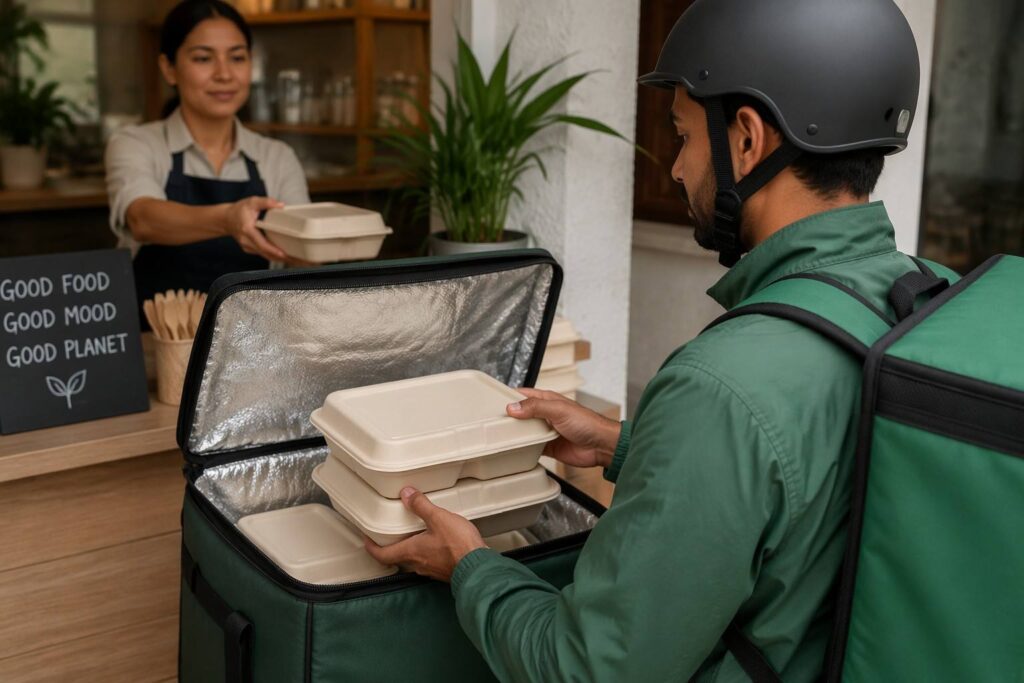
With the rapid growth of online food ordering, disposable packaging must protect food quality throughout transportation.

Compostable paper plates used together with food containers and matching packaging solutions help restaurants provide a reliable takeaway experience while reducing plastic waste.

Typical Requirements

  • Excellent rigidity
  • Oil resistance
  • Transportation durability
  • Sustainable packaging
  • Consistent supply

Recommended Sizes

8″ · 9″ · 10″

Hotels & Hospitality

Hotels commonly use compostable paper plates for breakfast buffets, room service, outdoor dining, employee cafeterias, conference catering, and special events.

Premium disposable tableware enhances guest experience while helping hospitality businesses achieve their sustainability objectives.

Typical Requirements

  • Premium appearance
  • Food-contact safety
  • Reliable product consistency
  • Heavy-duty performance
  • Stable year-round supply

Recommended Sizes

7″ · 9″ · 10″

Premium Compostable Paper Plates for Hotel Hospitality
Compostable Paper Plates for School and Institutional Foodservice

School & Institutional Dining

Schools, universities, hospitals, and institutional dining facilities require disposable tableware that is safe, durable, and cost-effective for large-scale daily meal service.

Compostable paper plates help reduce plastic waste while maintaining operational efficiency in high-volume foodservice environments.

Typical Requirements

  • Food-grade safety
  • Consistent quality
  • Cost-effective specifications
  • Bulk supply capability
  • Easy waste management

Recommended Sizes

8″ · 9″ · Compartment Plates

Supermarkets & Ready-to-Eat Food Programs

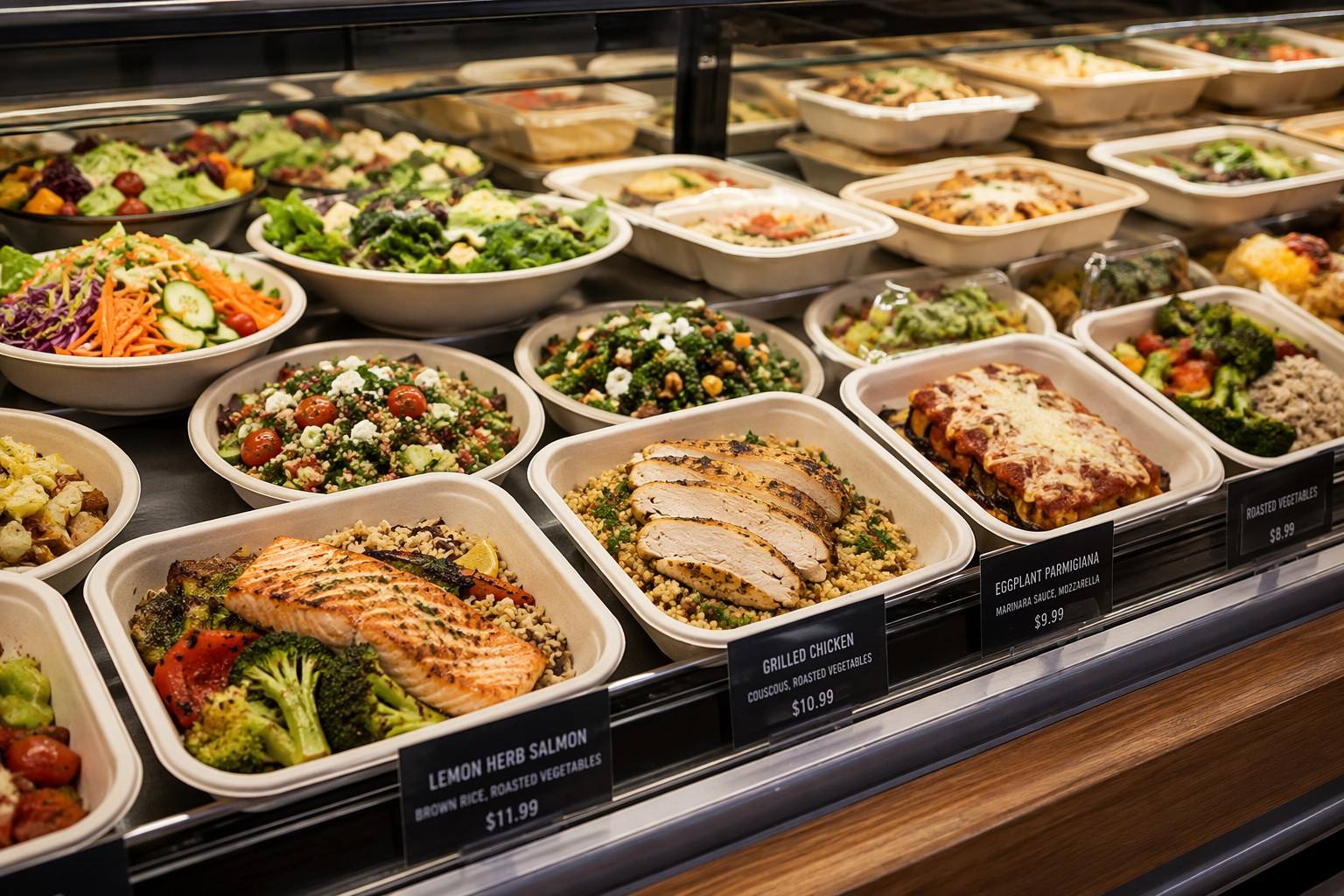
Many supermarkets now offer freshly prepared meals, bakery products, salads, and ready-to-eat foods that require attractive and sustainable disposable tableware.

Compostable paper plates provide an environmentally responsible solution while enhancing product presentation and supporting retail sustainability initiatives.

Typical Requirements

  • Attractive appearance
  • Reliable food performance
  • Retail-ready packaging
  • Consistent dimensions
  • Private-label availability

Recommended Sizes

6″ · 7″ · 9″

Compostable Paper Plates for Supermarket Ready-to-Eat Food Programs
Compostable Paper Plates for Outdoor Events and Food Festivals

Outdoor Events & Festivals

Music festivals, community celebrations, sporting events, seasonal markets, food festivals, and outdoor catering programs require disposable tableware that is lightweight, durable, and environmentally responsible.

Compostable paper plates provide excellent food performance while helping organizers reduce plastic waste and support sustainable event management. Their natural appearance also enhances the overall event experience and aligns with growing consumer expectations for eco-friendly packaging.

Typical Requirements

  • Lightweight for easy transportation
  • Heavy-duty construction
  • Sustainable materials
  • Bulk supply availability
  • Reliable performance for hot and cold foods

Recommended Sizes

9″ · 10″ · 10.25″

Airline & Railway Catering

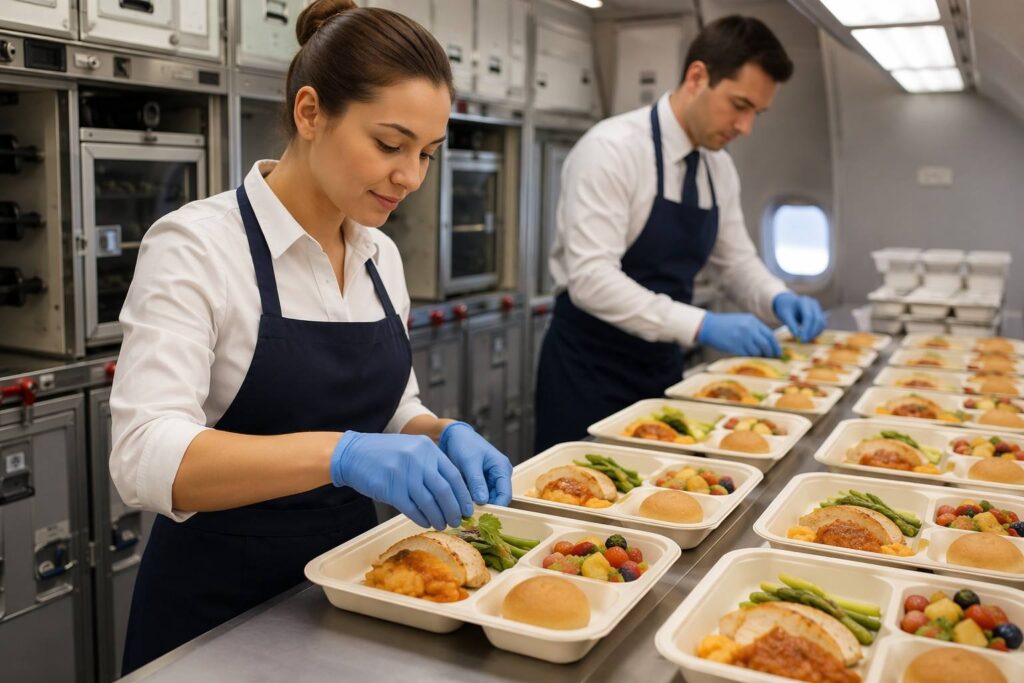
Airlines, railway operators, cruise lines, and transportation catering companies require disposable tableware that combines lightweight construction, food safety, and operational efficiency.

Compostable paper plates help simplify meal service while supporting sustainability initiatives increasingly adopted by transportation providers worldwide.

Typical Requirements

  • Lightweight packaging
  • Food-contact safety
  • Reliable structural strength
  • Standardized specifications
  • Large-volume supply

Recommended Sizes

8″ · 9″ · Compartment Plates

Compostable Paper Plates for Airline and Railway Catering
Compostable Paper Plates for Corporate Catering Programs

Corporate Events & Office Catering 

Corporate meetings, training sessions, office cafeterias, and business events increasingly require disposable tableware that reflects professional standards while supporting company sustainability goals.

Compostable paper plates provide a clean, modern appearance for business dining while reducing cleanup time and minimizing environmental impact.

Typical Requirements

  • Professional appearance
  • Easy inventory management
  • Stable daily supply
  • Sustainable packaging
  • Multiple plate sizes

Recommended Sizes

7″ · 9″ · 10″

Compostable Paper Plates vs Other Disposable Plates

Selecting the right disposable plate requires balancing food performance, structural strength, sustainability objectives, customer experience, regulatory requirements, and overall procurement cost. Different disposable tableware materials are designed for different foodservice applications, and understanding their differences helps buyers choose the most suitable solution

Compostable Paper Plates vs Plastic Plates 

Procurement Criteria

Compostable Paper Plates

Plastic Plates

Primary Material

Sugarcane bagasse and renewable plant fibers

PP, PS, or other plastic materials

Typical Applications

Restaurants, catering, takeaway, events, foodservice

General foodservice, parties, cold food applications

Food Performance

Suitable for hot meals, oily foods, and daily foodservice

Suitable for various food applications depending on plastic type

Sustainability Considerations

Supports renewable material and compostable packaging programs

Limited sustainability positioning due to plastic material

Customization Options

OEM sizes, private label packaging, custom solutions

Standard customization options depending on supplier

Buyer Considerations

Suitable for buyers prioritizing sustainable packaging and brand image

Suitable for buyers focusing on conventional performance and cost

Compostable paper plates are increasingly selected by businesses looking to reduce plastic usage while maintaining reliable foodservice performance.

Compostable Paper Plates vs Foam Plates

Procurement Criteria

Compostable Paper Plates

Foam Plates

Primary Material

Molded plant fiber materials

Expanded polystyrene foam

Typical Applications

Restaurants, catering, takeaway, institutional dining

Cost-focused foodservice applications

Structural Characteristics

Suitable for hot meals and heavier food portions

Lightweight structure for basic serving needs

Sustainability Considerations

Renewable fiber-based alternative

Increasingly restricted in many markets

Food Presentation

Natural molded fiber appearance

Traditional disposable appearance

Buyer Considerations

Suitable for businesses seeking sustainable alternatives

Suitable for buyers prioritizing low initial cost

Many businesses are replacing foam plates with molded fiber solutions to meet changing sustainability expectations and regulatory requirements.

Compostable Paper Plates vs Virgin Paper Plates

Procurement Criteria

Compostable Paper Plates

Virgin Paper Plates

Primary Material

Sugarcane bagasse and plant fibers

Virgin paperboard

Typical Applications

Main meals, catering, takeaway, BBQ

Desserts, bakery, snacks, light meals

Structural Performance

Designed for heavier food applications

Suitable for lighter food service

Surface Characteristics

Natural molded fiber appearance

Smooth paper surface

Customization Options

OEM production, packaging, private label

Printing-focused customization

Buyer Considerations

Suitable for buyers requiring strength and sustainable positioning

Suitable for buyers prioritizing printed appearance

Virgin paper plates remain suitable for lightweight applications, while compostable paper plates are commonly selected for stronger foodservice requirements.

Compostable Paper Plates vs PLA-Coated Paper Plates

Procurement Criteria

Compostable Paper Plates

PLA-Coated Paper Plates

Primary Material

Molded plant fiber

Paperboard with PLA coating

Typical Applications

Restaurants, catering, takeaway, foodservice

Retail packaging and branded applications

Surface Characteristics

Natural fiber texture

Smooth printing surface

Food Application

Hot meals, oily foods, commercial serving

Depends on coating specification

Customization Options

Product customization and packaging solutions

Strong graphic printing capability

Buyer Considerations

Suitable for buyers prioritizing molded fiber performance

Suitable for brands requiring printed presentation

Both solutions support sustainable packaging strategies. The suitable choice depends on application requirements, branding goals, and market expectations.

Compostable Paper Plates vs Bagasse Plates

Procurement Criteria

Compostable Paper Plates

Bagasse Plates

Product Definition

Broad category of compostable disposable plates

Specific category made from sugarcane fiber

Primary Material

Bagasse, bamboo fiber, or other compostable fibers

Sugarcane bagasse

Typical Applications

Restaurants, catering, retail, institutional foodservice

Restaurants, catering, takeaway

Food Performance

Depends on material and product design

Widely used for hot and oily foods

Sustainability Considerations

Depends on certification and material source

Uses agricultural by-products

Buyer Considerations

Suitable for buyers comparing different compostable materials

Suitable for buyers seeking proven molded fiber solutions

Bagasse plates are one of the most widely used solutions within the compostable paper plates category due to their reliable performance and renewable material advantages.

Who Usually Buys Compostable Paper Plates?

Compostable paper plates are primarily purchased by businesses rather than individual consumers. Different buyer groups have different purchasing priorities, from product performance and supply stability to customization, sustainability requirements, and long-term partnership capabilities.

Understanding who your customers are—and what they value most—helps manufacturers provide more targeted solutions and develop stronger business relationships.

Importer Reviewing Compostable Paper Plates Samples

Importers

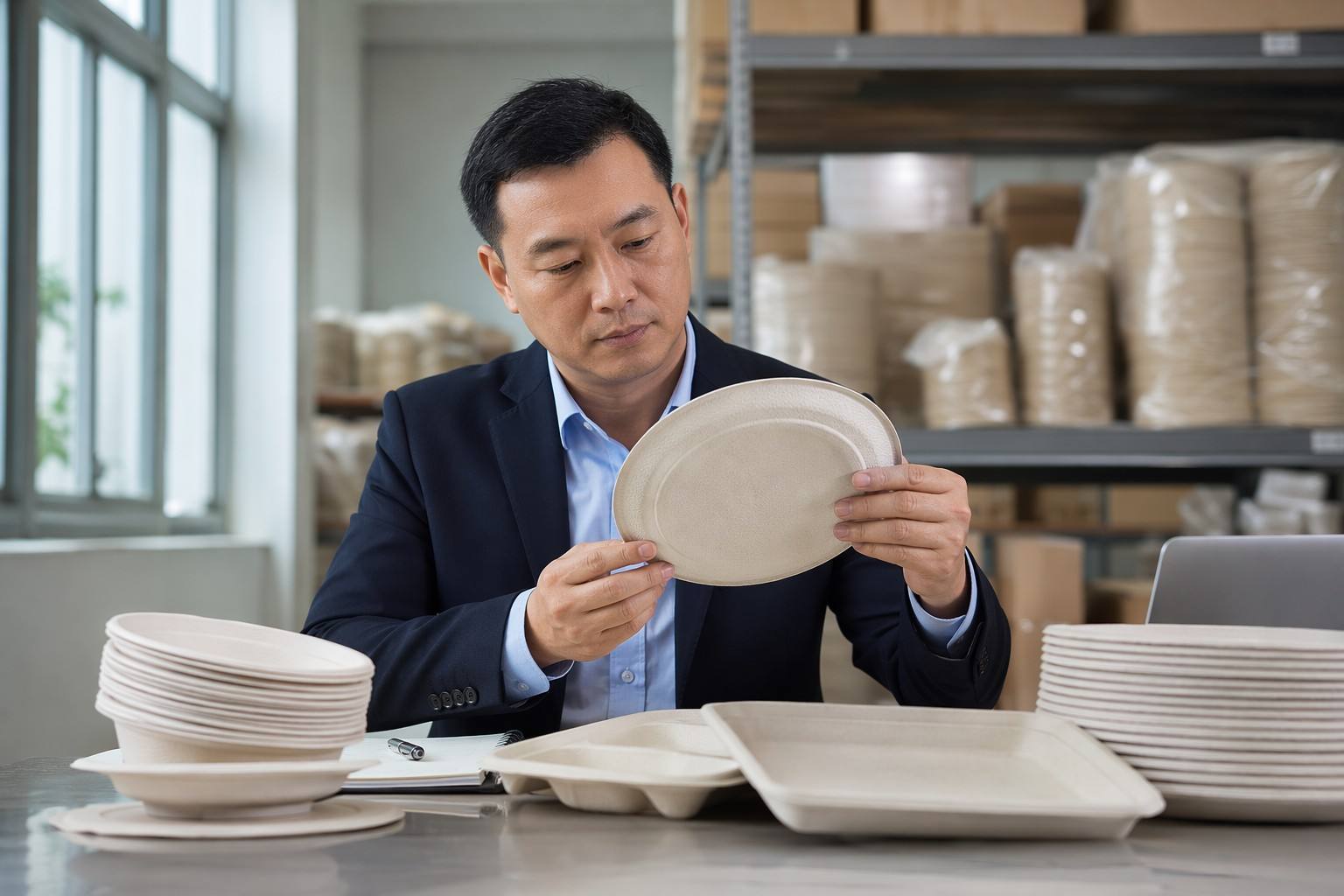
Importers typically purchase compostable paper plates in large quantities and distribute them through local foodservice channels, wholesalers, retailers, and commercial packaging networks.

Their main focus is maintaining stable supply, competitive pricing, consistent product quality, and reliable export support. They usually require manufacturers that can provide complete documentation, flexible customization, and dependable production capacity.

Typical Requirements

  • Competitive wholesale pricing
  • Stable production capacity
  • Export experience
  • Food-contact documentation
  • Reliable shipping schedules
  • Flexible customization options

Packaging Distributors 

Packaging distributors supply restaurants, catering companies, hotels, supermarkets, and foodservice businesses with complete disposable packaging solutions.

They typically maintain inventories of multiple sizes and product categories, including bagasse plates, compostable dinner plates, compartment plates, and other sustainable food packaging products.

Product availability, consistent quality, and fast replenishment are key competitive advantages.

Typical Requirements

  • Wide product portfolio
  • Multiple sizes available
  • Reliable inventory supply
  • Competitive wholesale terms
  • Consistent product specifications
Packaging Distributor Stocking Compostable Paper Plates
Restaurant Chain Procurement Team Reviewing Compostable Paper Plates

Restaurant Chain Procurement Teams

Regional and international restaurant chains usually purchase through centralized procurement departments responsible for maintaining consistent packaging standards across multiple locations.

For these buyers, supply stability, product consistency, and sustainability compliance are often more important than achieving the lowest unit price.

They require suppliers capable of supporting large-scale operations while maintaining consistent product quality.

Typical Requirements

  • Stable long-term supply
  • Standardized specifications
  • Food safety compliance
  • Sustainable material options
  • Multi-location delivery support

Brand Owners

Brand owners view packaging as an extension of their customer experience.

For these businesses, compostable paper plates are selected not only for functionality but also for their ability to communicate sustainability values and strengthen brand recognition.

Custom packaging, private labeling, and consistent product appearance are important factors when developing branded foodservice solutions.

Typical Requirements

  • Custom branding
  • Premium appearance
  • Private label solutions
  • Packaging design support
  • Product differentiation
Brand Owner Reviewing Custom Compostable Paper Plates Designs
Private Label Compostable Paper Plates Manufacturing

Private Label Packaging Companies 

Private-label packaging companies cooperate with manufacturers to develop customized disposable tableware products under their own brands.

They require confidential production, flexible customization, stable quality control, and efficient product development support.

Manufacturers with OEM capabilities help these companies create differentiated products for retail, e-commerce, and foodservice markets.

Typical Requirements

  • OEM manufacturing
  • Confidential production
  • Custom packaging
  • Flexible MOQ solutions
  • Product development support

Foodservice Supply Companies

Foodservice suppliers provide complete packaging solutions for restaurants, hotels, schools, hospitals, catering companies, and institutional customers.

They typically require a broad product range rather than a single specification, including different plate sizes, shapes, and material options.

Compostable paper plates help these suppliers respond to increasing demand for sustainable disposable tableware.

Typical Requirements

  • Complete product range
  • Bulk purchasing capability
  • Reliable supply chain
  • Multiple packaging formats
  • Sustainable product options
Foodservice Supplier Managing Compostable Paper Plates Inventory
Hospitality Procurement Team Evaluating Compostable Paper Plates

Hospitality Procurement Companies 

Hospitality procurement companies purchase disposable tableware for hotel groups, resorts, conference centers, and catering operations.

Their focus is on maintaining guest experience standards while ensuring dependable supply for daily operations and special events.

Premium-looking compostable paper plates help hospitality businesses achieve sustainability objectives without compromising presentation quality.

Typical Requirements

  • Premium product appearance
  • Food safety assurance
  • Stable annual supply
  • Large-volume purchasing
  • Custom packaging options

E-commerce Packaging Brands 

Many e-commerce packaging brands build their product portfolios around sustainable disposable tableware sold through online marketplaces and direct-to-consumer channels.

These companies often require attractive packaging, flexible product development, and efficient supply solutions for launching new product lines.

Typical Requirements

  • Retail-ready packaging
  • Custom branding
  • Product photography support
  • Flexible order quantities
  • Fast product development
E-commerce Packaging Brand Developing Custom Compostable Paper Plates

Is Compostable Paper Plates Right for Your Application? 

The following guide helps buyers determine whether compostable paper plates are suitable for different commercial foodservice applications.

Application

Recommended

Restaurant Dining

Takeaway Meals

Catering Service

Hotel Breakfast Service

School Food Programs

Corporate Events

Food Delivery

Outdoor Festivals

BBQ & Grilled Food

Buffet Service

Dessert Service

Salad Service

Supermarket Ready Meals

Long-Term Liquid Storage

Industrial Packaging Applications

Compostable paper plates are specifically designed for short-term food serving applications across commercial foodservice environments. They provide excellent strength, food-contact safety, and sustainable performance for restaurants, catering operations, takeaway services, and institutional dining.

For applications requiring long-term liquid containment, industrial packaging performance, or specialized chemical resistance, alternative packaging solutions should be considered.

Key Buyer Questions Before Purchasing Compostable Paper Plates

Choosing the right compostable paper plates involves more than selecting a product size. Professional buyers should evaluate material type, food performance, sustainability requirements, customization options, supplier capability, and long-term supply stability before placing an order.

The following questions help importers, distributors, restaurant groups, retailers, and foodservice businesses make more informed purchasing decisions.

Are Compostable Paper Plates suitable for hot foods?

Yes.

Compostable paper plates are specifically designed for serving hot foods such as burgers, rice meals, pasta, grilled foods, fried foods, and catering dishes.

High-quality bagasse plates provide excellent heat resistance and structural strength, allowing them to maintain shape when exposed to hot meals without easily becoming soft or deformed.

For restaurants and catering companies serving heavier meals, heavy duty compostable paper plates are usually recommended.

Can Compostable Paper Plates be used for oily foods?

Yes.

One of the key advantages of premium compostable paper plates is their excellent grease resistance.

Products manufactured from molded sugarcane fiber provide a dense structure that helps prevent oil penetration when serving foods such as:

  • Fried chicken
  • Burgers
  • BBQ
  • French fries
  • Grilled meats
  • Saucy dishes

For commercial foodservice applications, buyers should select plates with suitable thickness and material density according to their food requirements.

What materials are used to manufacture Compostable Paper Plates?

The most common material is sugarcane bagasse, a renewable fiber produced from the residue left after sugar extraction.

Other possible materials include:

  • Bamboo fiber
  • Molded plant fiber
  • Recycled paper fiber
  • Other certified compostable materials

Among these options, bagasse plates are widely preferred because they offer excellent strength, natural appearance, and reliable foodservice performance.

Are Compostable Paper Plates microwave safe?

Yes, most high-quality compostable paper plates made from molded fiber are microwave safe.

They are commonly used for takeaway meals where customers need to reheat food before consumption.

However, microwave performance can vary depending on product structure, thickness, food type, and heating conditions. Buyers should always confirm product specifications before large-scale purchasing.

Are Compostable Paper Plates freezer safe?

Yes.

Many sugarcane plates and molded fiber plates maintain their structural integrity under frozen storage conditions.

This makes them suitable for:

  • Frozen food service
  • Meal preparation programs
  • Catering preparation
  • Food storage applications

Are Compostable Paper Plates biodegradable?

Yes, products made from suitable plant fibers can naturally break down under appropriate composting conditions.

However, buyers should distinguish between:

  • Biodegradable
  • Compostable
  • Industrially compostable
  • Home compostable

Different countries and regions may have different certification requirements and composting infrastructure.

What sizes of Compostable Paper Plates are available?

DAILYECO provides a wide range of sizes to meet different foodservice requirements.

Common sizes include:

  • 6 inch compostable paper plates
  • 7 inch compostable paper plates
  • 8 inch compostable paper plates
  • 9 inch compostable paper plates
  • 10 inch compostable paper plates
  • 25 inch heavy duty compostable plates
  • Compartment plates
  • Custom sizes

The correct size depends on food type, serving portion, customer expectations, and application environment.

Can Compostable Paper Plates be customized?

Yes.

DAILYECO supports OEM and private-label customization services.

Available options include:

  • Custom product sizes
  • Custom packaging
  • Private label branding
  • Carton printing
  • Retail packaging
  • Product labeling
  • Customized mold development

For businesses building their own sustainable packaging brands, customization helps create stronger market differentiation.

Can I order custom compostable paper plates with my logo?

Yes.

Custom logo solutions are available for qualified projects.

Branding options may include:

  • Packaging logo printing
  • Carton branding
  • Retail-ready packaging
  • Customized product presentation

Custom branding is especially popular among:

  • Restaurant chains
  • Catering companies
  • Food brands
  • Retail packaging companies

What is the difference between Compostable Paper Plates and Bagasse Plates?

Bagasse plates are one type of compostable paper plates manufactured from sugarcane fiber.

The term compostable paper plates describes the broader product category, while bagasse plates specifically refer to products made from sugarcane residue.

Bagasse products are popular because they provide:

  • Excellent strength
  • Renewable material sourcing
  • Natural appearance
  • Good heat resistance
  • Commercial foodservice performance

Are Compostable Paper Plates suitable for restaurants?

Yes.

Restaurants are one of the largest application markets for compostable paper plates.

They are commonly used for:

  • Takeaway meals
  • Fast food
  • Casual dining
  • Outdoor dining
  • Catering
  • Promotional events

Their combination of sustainability, durability, and professional appearance makes them suitable for modern foodservice operations.

What is the MOQ for Compostable Paper Plates?

MOQ depends on:

  • Product size
  • Material specification
  • Packaging requirements
  • Printing requirements
  • Customization level

Standard products usually have lower MOQ requirements, while customized OEM products may require larger production quantities.

DAILYECO works with different buyer types, including wholesalers, distributors, retailers, and brand owners.

How long is the production lead time?

Production lead time depends on order quantity, customization requirements, and current production schedules.

Typical factors include:

  • Sample approval
  • Artwork confirmation
  • Mold preparation
  • Material availability
  • Production planning
  • Quality inspection

For customized projects, early communication helps ensure efficient production scheduling.

Can DAILYECO provide samples before bulk orders?

Yes.

Sample evaluation is recommended before large-scale purchasing.

Samples allow buyers to confirm:

  • Product size
  • Plate strength
  • Surface quality
  • Food performance
  • Packaging details
  • Custom printing results

Are food-contact compliance documents available?

Yes.

DAILYECO supports customers with relevant documentation based on market requirements.

Documentation support may include:

  • Food-contact declarations
  • Material information
  • Product testing reports
  • Sustainability documentation
  • Factory audit support

Which markets are suitable for Compostable Paper Plates?

Compostable paper plates are widely used in:

  • North America
  • Europe
  • Australia
  • Middle East
  • Asia
  • South America

Different markets may have different requirements regarding compostability, labeling, recycling systems, and food-contact regulations.

How do I choose the right Compostable Paper Plates Manufacturer?

Professional buyers should evaluate:

  • Manufacturing experience
  • Production capacity
  • Quality control systems
  • Product development ability
  • Export experience
  • Compliance support
  • Customization capability
  • Customer service

Choosing the right supplier helps reduce procurement risks and ensures consistent product quality.

Can Compostable Paper Plates replace plastic plates?

For many foodservice applications, yes.

Restaurants, catering companies, and event organizers are increasingly replacing plastic plates with compostable disposable plates because they provide:

  • Similar functional performance
  • Better sustainability perception
  • Renewable material advantages
  • Improved brand image

Are Compostable Paper Plates suitable for food delivery?

Yes.

Food delivery businesses require packaging that remains stable during transportation.

Compostable paper plates provide:

  • Structural strength
  • Grease resistance
  • Food safety
  • Sustainable branding opportunities

When combined with suitable containers and packaging systems, they support a better delivery experience.
Frequently Asked Questions About Compostable Paper Plates

When Compostable Paper Plates May Not Be the Best Choice

Although compostable paper plates are widely used across restaurants, catering services, food delivery, hospitality, and institutional foodservice industries, they may not be the ideal solution for every application.

Understanding these limitations helps buyers choose the most appropriate disposable tableware solution based on food type, operational requirements, sustainability objectives, and overall cost considerations.

Extremely Cost-Sensitive Projects

For projects where minimizing unit cost is the highest priority, conventional paper plates or lightweight disposable tableware may provide a more economical alternative.

Although compostable paper plates deliver better sustainability performance and stronger environmental positioning, certain high-volume applications with strict cost limitations may prioritize the lowest possible purchase price.

However, buyers should consider the complete cost impact, including product performance, customer perception, waste management requirements, and future sustainability regulations.

Long-Term Food Storage Applications

Compostable paper plates are designed for short-term food serving rather than long-term food storage.

For applications requiring extended shelf life, refrigerated storage, frozen distribution, or sealed food preservation, specialized food packaging solutions should be evaluated.

Products such as meal trays, sealed containers, or modified atmosphere packaging may be more suitable depending on the application requirements.

Applications Requiring Liquid Containment

Although many bagasse plates provide excellent moisture resistance and grease resistance, they are primarily designed for solid food applications.

For products involving:

  • Soups
  • Beverages
  • Liquid sauces
  • Long-duration liquid holding

buyers should evaluate alternative packaging solutions specifically designed for liquid containment.

Industrial Packaging Applications

Compostable paper plates are intended for commercial foodservice and disposable tableware applications.

They are not designed for:

  • Industrial material handling
  • Chemical applications
  • Laboratory use
  • Heavy-duty industrial packaging

For specialized industrial requirements, buyers should select packaging solutions developed specifically for those environments.

Applications Requiring Maximum Branding Printing Area

For brands whose primary objective is extensive graphic printing, full-color retail packaging, or maximum visual branding space, coated paperboard packaging solutions may sometimes provide greater printing flexibility.

Compostable paper plates offer a natural fiber appearance that strongly communicates sustainability, but the surface characteristics differ from traditional coated paper products.

Understanding the intended application before purchasing helps buyers select packaging that balances food performance, sustainability positioning, customer expectations, and overall commercial value.
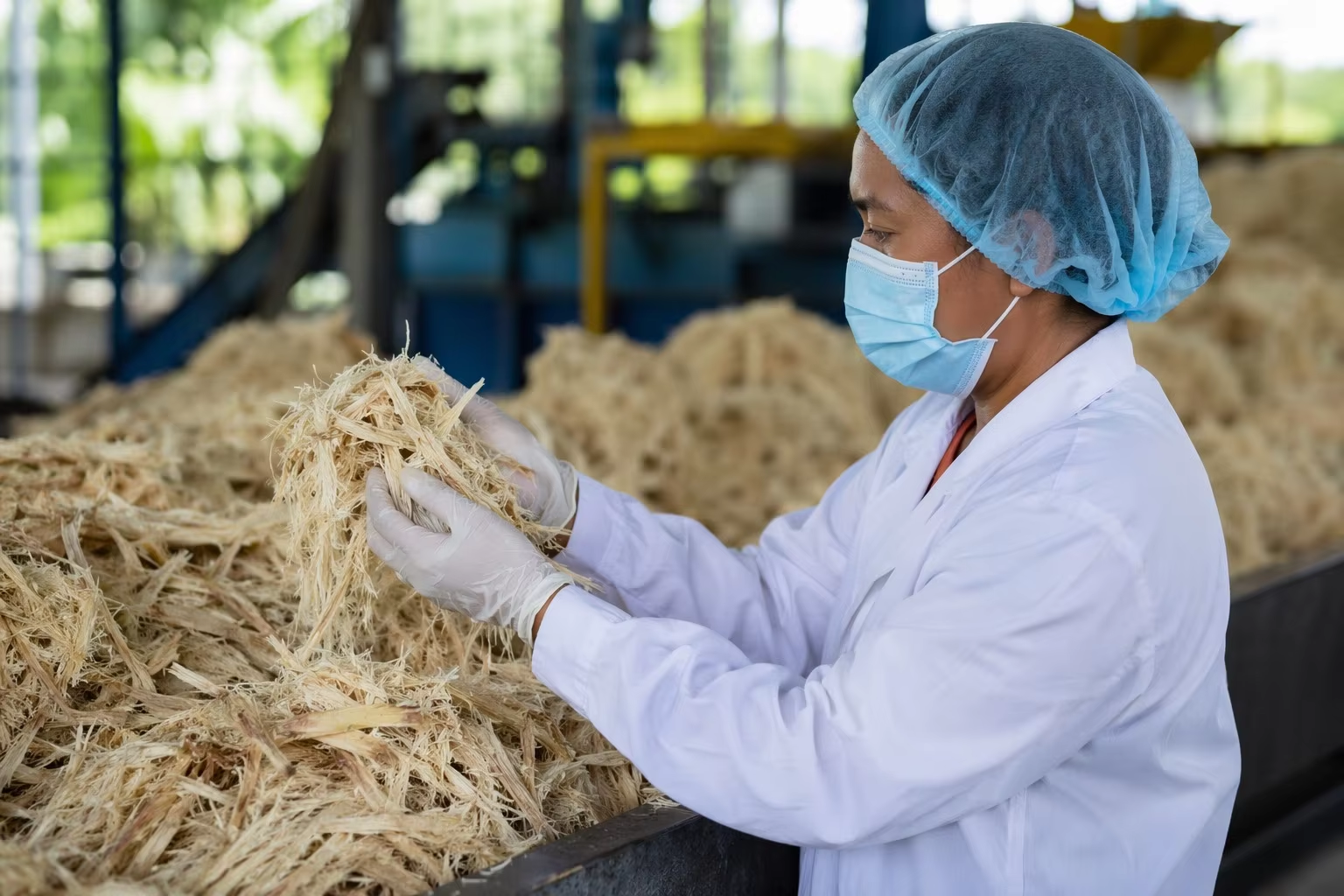
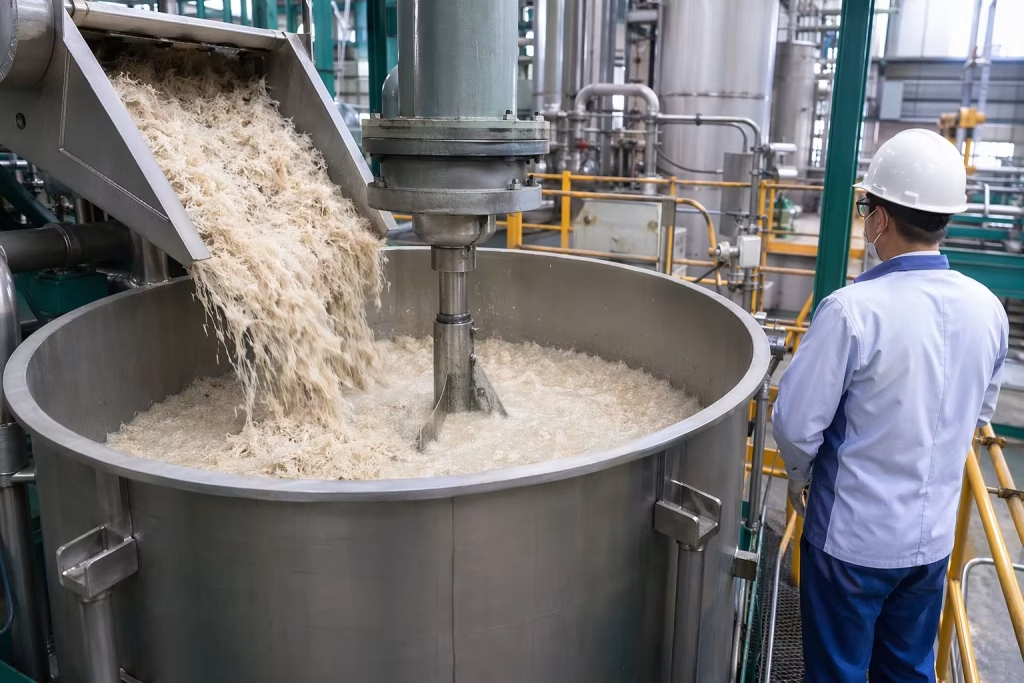
What Is the Processing to Manufacture Compostable Paper Plates?

Producing high-quality compostable paper plates requires precise manufacturing technology to ensure consistent dimensions, structural strength, food-contact safety, moisture resistance, and reliable performance during commercial foodservice applications.

The production process combines renewable fiber preparation, molding technology, heat forming, quality inspection, and professional packaging procedures.

Sugarcane Fiber Material for Compostable Paper Plates Manufacturing

Step 1 – Raw Material Selection

High-quality renewable fibers are carefully selected according to strength requirements, food-contact standards, moisture resistance, and sustainability objectives.

For most bagasse plates, sugarcane fiber is processed and prepared to create durable molded fiber products.

Step 2 – Fiber Preparation & Pulping

Selected plant fibers are processed through specialized pulping equipment to create a consistent fiber mixture.

This stage determines the final product characteristics, including:

  • Plate strength
  • Surface quality
  • Thickness consistency
  • Moldability
Fiber Pulp Preparation Process for Compostable Paper Plates
Compostable Paper Plates Molding Process

Step 3 – Plate Molding

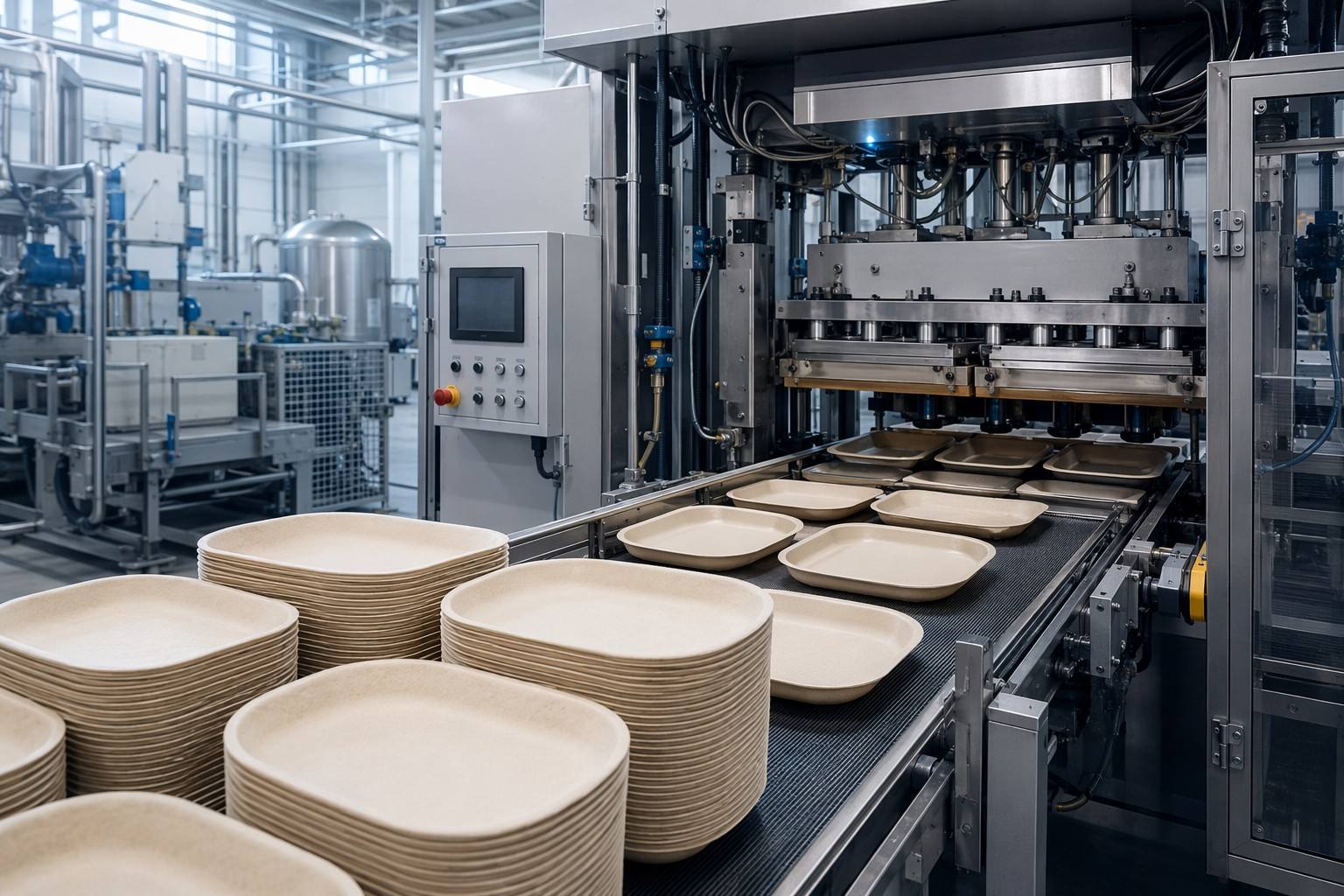
The prepared fiber pulp is transferred into forming molds where heat and pressure create the final plate structure.

Advanced molding technology ensures accurate dimensions, smooth edges, and consistent product quality across large production volumes.

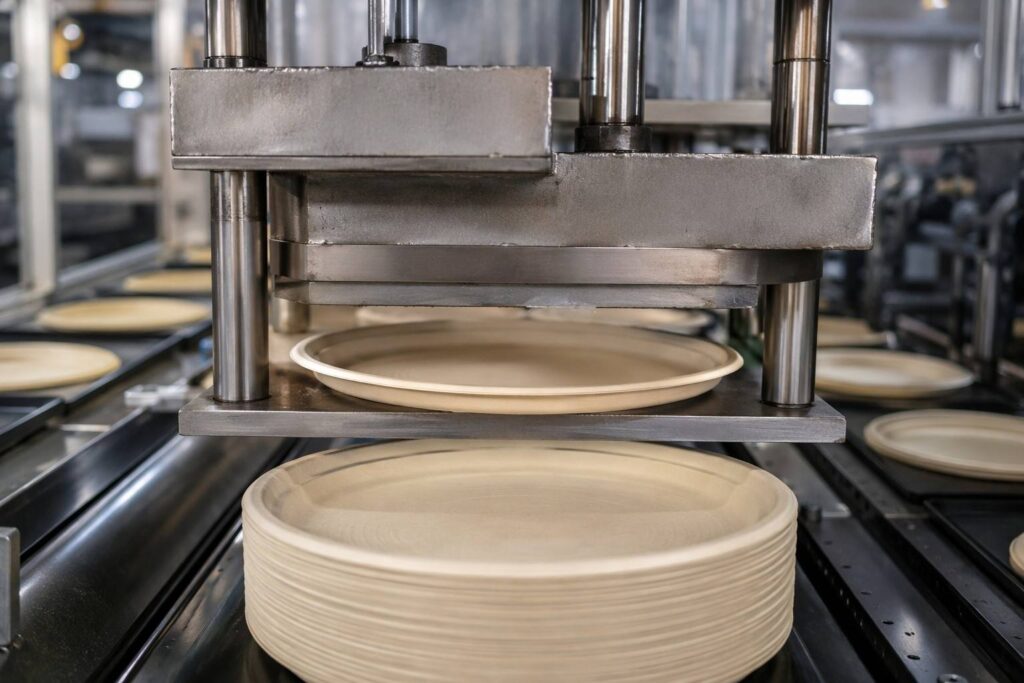
Step 4 – Hot Pressing & Surface Treatment

After initial molding, plates undergo hot pressing processes to improve rigidity, surface smoothness, and moisture resistance.

This process helps create durable heavy duty compostable plates suitable for commercial foodservice applications.

Hot Pressing Process for Bagasse Compostable Plates
Quality Inspection of compostable paper Plates

Step 5 – Inspection & Quality Control

Every production batch undergoes strict quality inspection before packaging.

Quality checks may include:

  • Product dimension inspection
  • Weight verification
  • Strength testing
  • Water resistance testing
  • Appearance inspection
  • Packaging inspection

Quality control ensures consistent performance for global customers.

Step 6 – Packaging & Export 

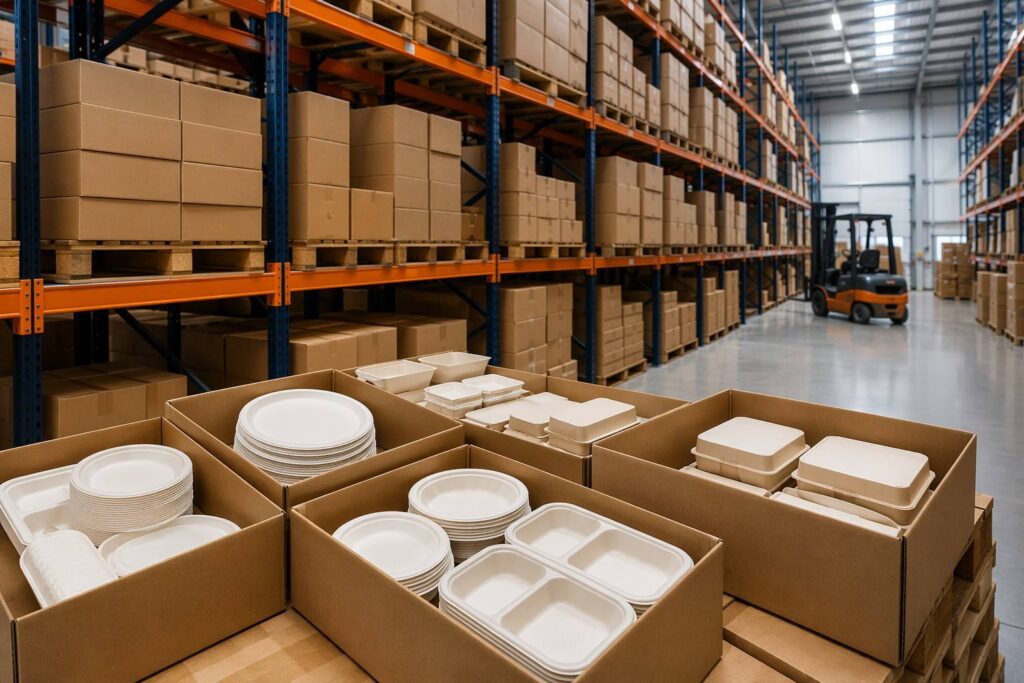
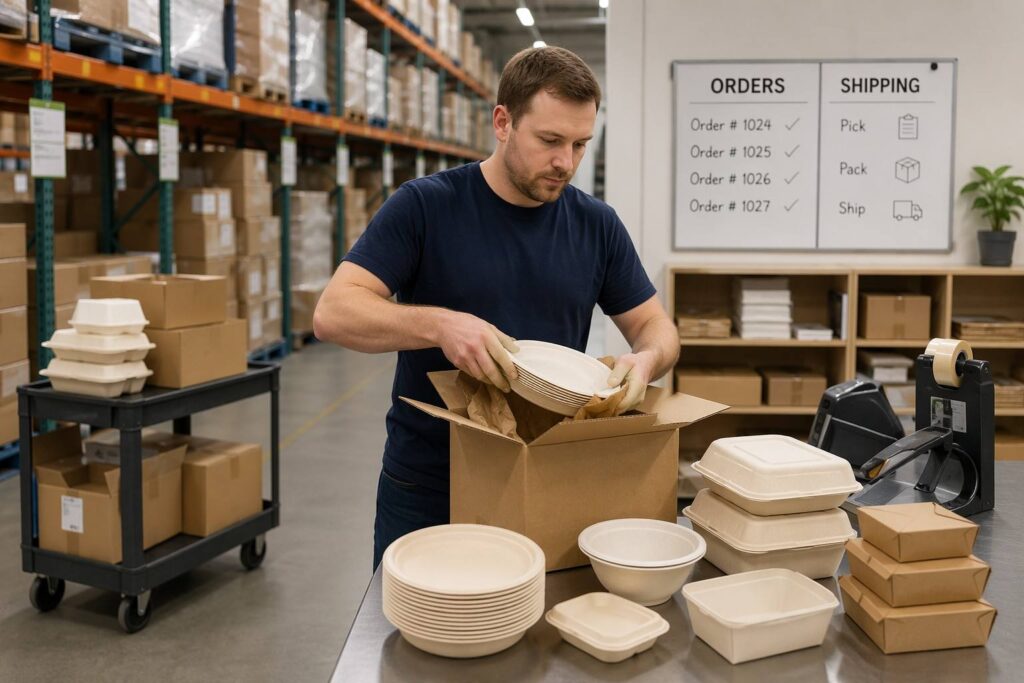
Finished compostable paper plates are automatically counted, packed into cartons, palletized when required, and prepared for international shipment.

Packaging solutions can be customized according to customer requirements, including:

  • Bulk foodservice packaging
  • Retail packaging
  • Private label packaging
  • Export carton customization
Packaging and Export of Compostable Paper Plates

How to Choose the Right Compostable Paper Plates Manufacturer?

Selecting the right manufacturing partner is just as important as selecting the right disposable tableware product.

A reliable compostable paper plates manufacturer not only provides consistent product quality but also helps buyers reduce procurement risks, improve supply chain stability, and develop long-term sustainable packaging programs.

When evaluating potential suppliers, buyers should consider the following factors.

Manufacturing Experience

Choose a manufacturer with proven experience in producing compostable paper plates, bagasse plates, and other sustainable food packaging products for international markets.

Experienced manufacturers are generally better equipped to manage:

  • Product consistency
  • Material selection
  • Customization requirements
  • Export documentation
  • Large-volume production
  • Quality control procedures

A manufacturer with extensive industry experience can provide more professional recommendations based on different foodservice applications.

Production Capacity

Evaluate whether the supplier has sufficient production capacity to support both your current purchasing volume and future business growth.

Important factors include:

  • Number of production lines
  • Monthly output capacity
  • Production scheduling ability
  • Raw material supply stability
  • Peak season production capability

Stable manufacturing capacity helps reduce supply interruptions and ensures reliable delivery for distributors, wholesalers, restaurant groups, and retail customers.

Product Quality Management

Reliable manufacturers should implement standardized quality control procedures throughout the complete production process.

Typical inspections include:

  • Raw material inspection
  • Fiber consistency testing
  • Product dimension verification
  • Weight inspection
  • Strength testing
  • Water resistance testing
  • Appearance inspection
  • Packaging inspection

A documented quality management system helps ensure every shipment of compostable paper plates meets customer expectations.

Customization Capability

Many food brands and packaging distributors require products that match their sustainability positioning and brand identity.

Evaluate whether the manufacturer can support:

  • Custom plate sizes
  • Custom shapes
  • Compartment plate designs
  • Private label production
  • Retail packaging
  • Custom carton printing
  • Product packaging solutions

Strong customization capability allows compostable plates to become not only functional food packaging but also an effective brand communication tool.

Food Contact & Compliance Support

Different international markets have different requirements for sustainable food packaging products.

Before placing an order, confirm whether the supplier can provide support for:

  • Food-contact documentation
  • Material declarations
  • Product testing reports
  • Factory audit support
  • Sustainabilit documentation
  • Export compliance information

Preparing compliance documentation early can significantly reduce project delays and support smoother market entry.

Export Experience

Manufacturers with extensive export experience are generally more familiar with international shipping requirements, packaging standards, and customer expectations.

Important considerations include:

  • Export carton requirements
  • Container loading optimization
  • International logistics coordination
  • Documentation preparation
  • Destination market requirements
  • Communication efficiency

A professional export partner helps buyers simplify sourcing and reduce supply chain risks.

Technical Support 

A professional supplier should provide technical recommendations rather than simply accepting purchase orders.

Examples include:

  • Plate size recommendations
  • Material selection guidance
  • Thickness optimization
  • Packaging recommendations
  • Application suggestions
  • Sustainability strategy support

Technical support helps buyers select the most suitable compostable paper plates solution while avoiding unnecessary costs.

Customer Service

Timely communication is essential throughout every stage of a project.

Evaluate whether the supplier provides:

  • Dedicated account management
  • Fast quotation response
  • Sample support
  • Artwork confirmation
  • Production updates
  • Shipping coordination
  • After-sales assistance

Reliable communication contributes to smoother project execution and long-term cooperation.

Pre-Purchasing Checklist for Buyers

Before placing an order for compostable paper plates, buyers are encouraged to review the following checklist to ensure the selected products meet both commercial and technical requirements.

□ Plate Size
□ Plate Shape & Design
□ Material Specification
□ Fiber Type (Bagasse / Bamboo Fiber / Other Compostable Materials)
□ Plate Thickness Requirements
□ Food Contact Compliance
□ Compostability Requirements
□ Microwave Safety Requirements
□ Grease Resistance Requirements
□ Hot Food Performance
□ Product Weight
□ Packaging Specifications
□ Retail Packaging Requirements
□ Custom Logo Requirements
□ Printing Requirements
□ Private Label Requirements
□ MOQ
□ Production Lead Time
□ Carton Marking
□ Shipping Method
□ Destination Market Regulations
□ Annual Purchasing Forecast
□ Sample Approval
□ Factory Audit Requirements
□ Payment Terms

Completing this checklist before production begins can help minimize procurement risks and improve communication between buyers and suppliers.
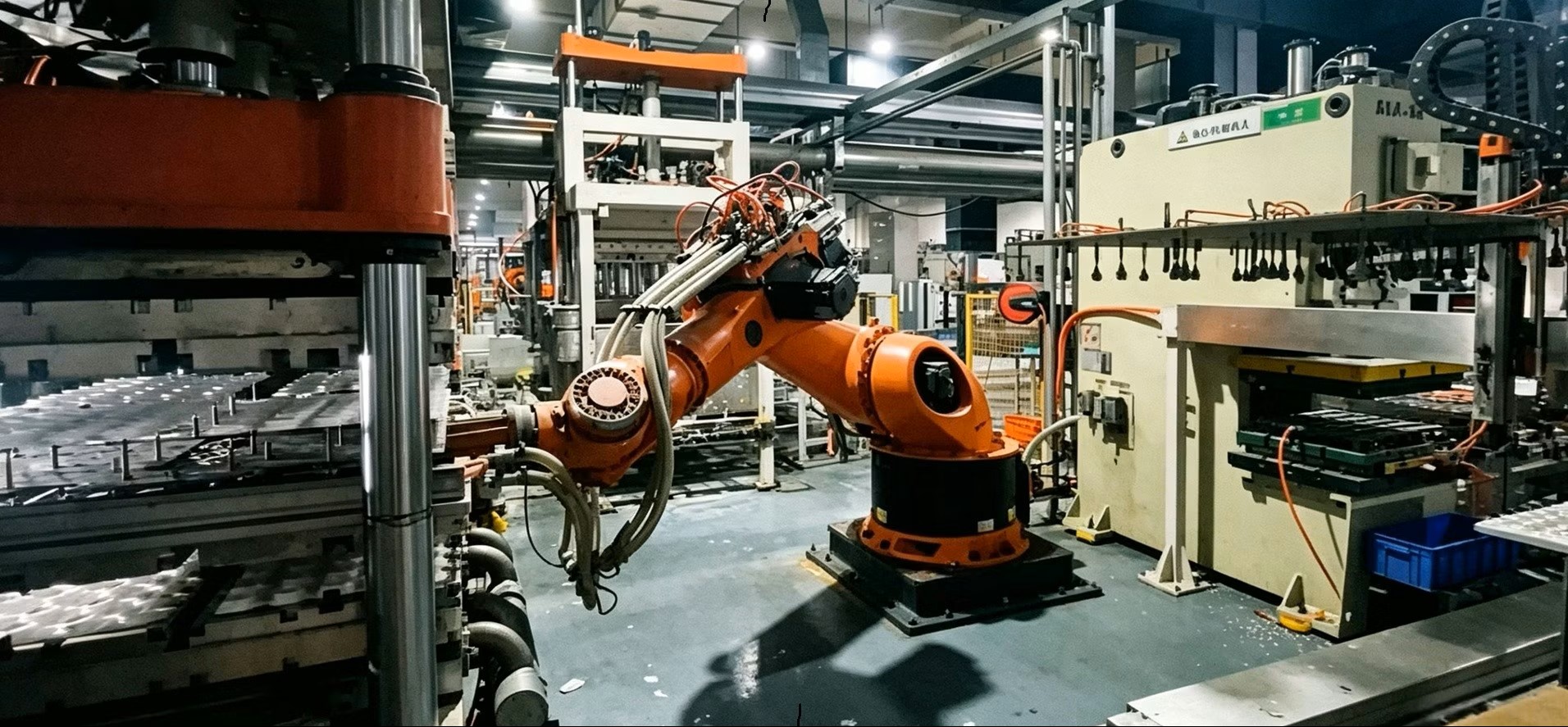
Choose DAILYECO to Be Your Professional Compostable Paper Plates Manufacturer

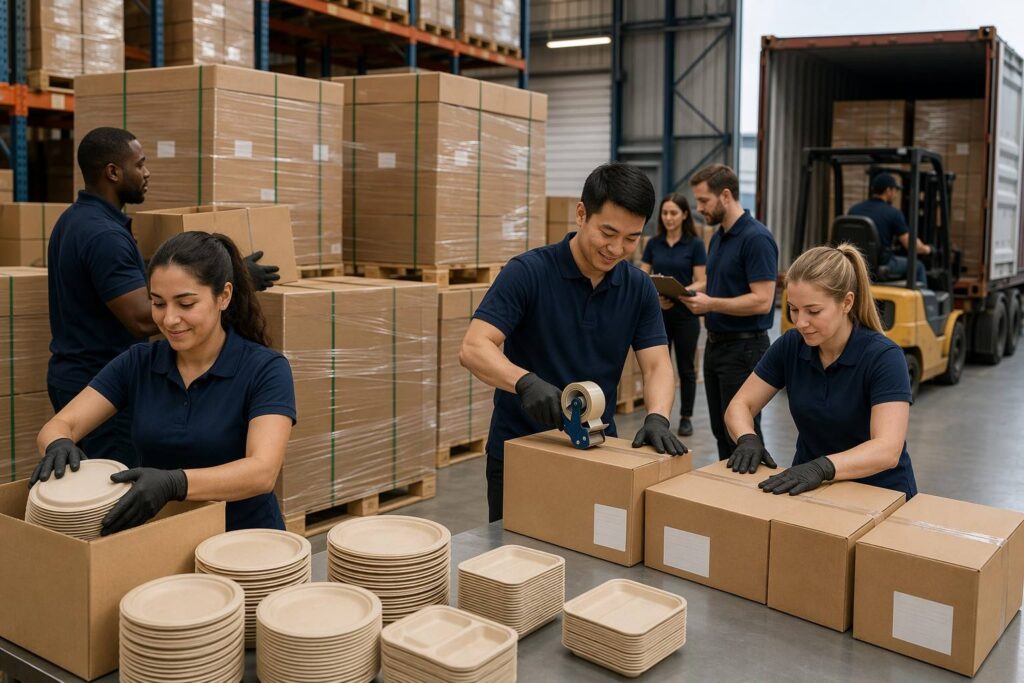
DAILYECO Compostable Paper Plates Manufacturing Facility

DAILYECO provides integrated sustainable food packaging solutions for importers, distributors, restaurant chains, catering companies, hospitality groups, retailers, and global packaging brands.

As a professional manufacturer and supply chain partner, we focus on delivering stable quality, flexible customization, and reliable international supply for customers seeking long-term cooperation in sustainable packaging.

Factory Capability

DAILYECO Manufacturing Facility

Description

Employees

More than 1,000 employees

Production Lines

Advanced molding production lines and automated equipment, 950kg production capacity for one machine daily

Monthly Supply Capacity

Stable capacity for large-volume export orders,40HQ*200 c0ntainers monthly

Product Range

Compostable paper plates, bagasse plates, bowls, trays, and molded fiber packaging

Material Options

Sugarcane bagasse, plant fiber, and customized sustainable materials

Production Capability

More than 200 40HQ containers per monthly

Customization

Logo, packaging, carton customization, and private label solutions

Quality Control

Complete inspection procedures throughout production

Technical Support

Available

Production MOQ

Based on product specification, packaging requirements, and customization level

Typical Lead Time

Approximately 30–40 days for new customized orders

Compliance & Documentation Support

DAILYECO supports customers with documentation according to destination market requirements.

Support may include:

  • Food-contact documentation
  • Material declarations
  • Product testing reports
  • Sustainability documentation
  • Factory audit support
  • Export compliance assistance

View Our Compliance & Certification Support Page

Customization Services

DAILYECO supports comprehensive customization throughout the product lifecycle, including:

  • Custom Logo Printing
  • Private Label Solutions
  • Custom Packaging
  • Retail Packaging
  • E-commerce Packaging
  • Custom Carton Printing
  • Customized Plate Sizes
  • Customized Product Shapes
  • Special Mold Development
  • Amazon Ready Packaging

For brands looking to build a differentiated sustainable packaging portfolio, customized compostable paper plates provide strong opportunities for market positioning.

Export Experience

DAILYECO products are exported to customers across:

  • North America
  • Europe
  • Australia
  • Middle East
  • Asia
  • South America

With extensive international shipping experience, we help customers simplify sourcing, optimize supply chains, and maintain stable long-term supply.

Our export experience allows us to better understand different market expectations regarding:

  • Sustainability requirements
  • Packaging standards
  • Documentation needs
  • Product specifications

Customer Service

DAILYECO’s experienced international sales team provides responsive communication throughout the entire project lifecycle.

Support includes:

  • Product Consultation
  • Sample Arrangement
  • Specification Confirmation
  • Packaging Discussion
  • Production Updates
  • Shipping Coordination
  • After-sales Support

We work closely with customers from initial product selection through final delivery to ensure smooth project execution.

Continuous Product Development

As global demand for sustainable food packaging continues to grow, DAILYECO continuously develops new compostable paper plates, bagasse plates, and molded fiber packaging solutions.

Our development focus includes:

  • New product structures
  • Improved material performance
  • Customized designs
  • Packaging optimization
  • Sustainable material solutions

Continuous innovation helps customers respond to changing market demands and evolving environmental expectations.
REQUEST A QUOTE

Case Study

Successful compostable paper plates sourcing projects require more than selecting a product. They require a manufacturing partner that understands application requirements, supply chain challenges, customization needs, and long-term business objectives.

The following cases demonstrate how DAILYECO helps global customers improve packaging performance, simplify procurement, and develop more sustainable foodservice solutions.

Case 1Restaurant Group Standardized Its Sustainable Tableware Portfolio 

Customer Background

A growing restaurant group in North America was expanding from 45 locations to more than 100 stores.

The company wanted to replace traditional disposable tableware with more sustainable alternatives while maintaining consistent food presentation across all restaurants.

Their goal was to introduce a standardized range of compostable paper plates suitable for dine-in events, takeaway meals, and promotional campaigns.

Challenge

Before working with DAILYECO, the customer sourced disposable plates from multiple suppliers.

This created several challenges:

  • Different plate specifications between locations
  • Inconsistent product quality
  • Difficult inventory management
  • Limited sustainability documentation
  • Higher procurement complexity

The restaurant group needed a reliable supplier capable of providing consistent bagasse plates with stable quality and scalable production capacity.

DAILYECO Solution

After reviewing the customer’s menu structure and operational requirements, DAILYECO recommended a simplified product portfolio:

  • Standard 7-inch plates for snacks and desserts
  • 9-inch plates for regular meals
  • 10-inch heavy-duty plates for larger food portions
  • Customized packaging for different restaurant locations

DAILYECO also optimized product specifications according to:

  • Food types
  • Portion sizes
  • Transportation requirements
  • Sustainability goals

Results

The customer successfully standardized its sustainable tableware purchasing system.

Benefits included:

  • Reduced number of product SKUs
  • Improved inventory management
  • More consistent customer experience
  • Simplified purchasing process
  • Stable long-term supply

Key Takeaways

Standardizing compostable paper plates specifications can improve operational efficiency more effectively than simply selecting the lowest-cost product.

Case 2Optimizing Packaging for a National Foodservice Distributor

Customer Background

A foodservice distributor supplying restaurants, hotels, catering companies, and institutional customers wanted to expand its sustainable disposable tableware portfolio.

The company identified increasing customer demand for:

  • Compostable plates
  • Sugarcane plates
  • Sustainable food packaging solutions

Challenge

The distributor previously managed multiple suppliers with different product specifications.

This resulted in:

  • Complex purchasing processes
  • Increased warehouse management costs
  • Inconsistent packaging standards
  • Difficulty managing product availability

The customer needed a manufacturing partner that could provide a complete sustainable tableware range.

DAILYECO Solution

DAILYECO worked with the distributor to develop a standardized product portfolio including:

  • Compostable paper plates
  • Bagasse plates
  • Compartment plates
  • Sustainable food containers
  • Complementary molded fiber products

We also supported:

  • Product specification optimization
  • Packaging configuration
  • Export carton planning
  • Supply schedule management

Results

The distributor improved overall supply chain efficiency through:

  • Simplified supplier management
  • Reduced purchasing complexity
  • Better inventory planning
  • Expanded sustainable product offering
  • Improved customer response capability

Key Takeaways

A reliable sustainable packaging partner can help distributors create a stronger product portfolio while reducing supply chain complexity.

Case 3Reducing Procurement Risks Through Early Technical Consultation

Customer Background

A European food brand planned a seasonal promotional campaign requiring customized compostable paper plates with private-label packaging.

The project involved:

  • Limited promotional timing
  • Custom packaging requirements
  • Specific sustainability claims
  • Strict delivery expectations

Challenge

The customer had concerns regarding:

  • Product selection
  • Packaging design
  • Production timeline
  • Compliance documentation
  • Export delivery schedule

Any mistake during development could delay the promotional launch.

DAILYECO Solution

Before production, DAILYECO’s technical and sales teams reviewed the complete project requirements with the customer.

The consultation covered:

  • Plate size selection
  • Material specification
  • Packaging structure
  • Sustainability documentation
  • Shipping arrangement

Potential risks were identified and resolved before mass production.

Results

The customer completed the project successfully with:

  • Approved samples before production
  • Stable product quality
  • On-time delivery
  • Reduced production adjustments
  • Improved cooperation efficiency

Key Takeaways

Early technical communication helps prevent costly changes and ensures smoother execution for customized compostable paper plates projects.

FAQ 

Are compostable paper plates suitable for food delivery?

Yes.

Compostable paper plates are widely used in takeaway and food delivery applications because they provide excellent structural stability during transportation.

They are suitable for:

  • Restaurant takeaway meals
  • Online food delivery
  • Catering delivery
  • Meal preparation services


When combined with suitable food containers and packaging systems, compostable plates help maintain food presentation while supporting sustainable packaging objectives.

What is the difference between compostable paper plates and bagasse plates?

Bagasse plates are one of the most popular types of compostable paper plates.

The difference is mainly in terminology:

Compostable paper plates refer to the broader category of sustainable disposable plates.

Bagasse plates specifically refer to plates manufactured from sugarcane fiber.

Because of their excellent performance, sugarcane plates are widely used in restaurants, catering, and foodservice industries.

Are sugarcane plates environmentally friendly?

Yes.

Sugarcane plates are made from renewable agricultural fiber and are considered an environmentally responsible alternative to traditional plastic tableware.

Their advantages include:

  • Renewable raw materials
  • Reduced plastic dependency
  • Natural fiber composition
  • Compostable characteristics
  • Sustainable brand positioning

Many restaurants and food brands choose sugarcane plates to support their sustainability goals.

Can compostable paper plates be used for catering services?

Yes.

Catering companies are one of the largest application markets for compostable paper plates.

They are commonly used for:

  • Weddings
  • Corporate events
  • Outdoor parties
  • Buffet services
  • Festivals
  • Large-scale gatherings

Their combination of durability, convenience, and sustainability makes them suitable for professional catering operations.

Are compostable paper plates suitable for restaurants?

Yes.

Restaurants increasingly use compostable paper plates because they provide reliable food performance while helping businesses demonstrate environmental responsibility.

Common applications include:

  • Fast food restaurants
  • Casual dining restaurants
  • Cafés
  • Food trucks
  • Takeaway restaurants
  • Sustainable food brands

Can I customize compostable paper plates with my logo?

Yes.

DAILYECO provides OEM and private-label customization services for qualified customers.

Customization options include:

  • Custom packaging
  • Private label branding
  • Carton printing
  • Product labeling
  • Customized sizes
  • Retail-ready packaging

For restaurant groups and packaging brands, customized compostable plates can strengthen brand recognition.

What packaging options are available for compostable paper plates?

Packaging solutions can be customized according to customer requirements.

Common options include:

  • Bulk foodservice cartons
  • Retail packaging
  • Private label packaging
  • Polybag packaging
  • Export cartons
  • Customized carton printing

DAILYECO can help customers select the most suitable packaging format based on sales channels and target markets.

What is the MOQ for compostable paper plates?

MOQ depends on:

  • Product size
  • Plate structure
  • Packaging requirements
  • Customization level
  • Order volume

Standard products usually have more flexible MOQ options, while customized OEM projects may require higher quantities.

DAILYECO works with:

  • Importers
  • Distributors
  • Restaurant groups
  • Retail brands
  • Foodservice companies

to provide suitable purchasing solutions.

How long is the production lead time?

Production lead time depends on:

  • Product specifications
  • Order quantity
  • Packaging requirements
  • Customization requirements
  • Production schedule

For new customized orders, production usually requires approximately 30–40 days after final confirmation.

Early planning helps ensure stable delivery, especially for seasonal promotions or large-volume projects.

Can DAILYECO provide samples before bulk orders?

Yes.

Sample approval is recommended before mass production.

Samples allow buyers to evaluate:

  • Plate size
  • Product strength
  • Surface quality
  • Food performance
  • Packaging details
  • Product appearance

Sample confirmation helps reduce potential risks before large-scale production.

Are food-contact compliance documents available?

Yes.

DAILYECO supports customers with documentation according to destination market requirements.

Support may include:

  • Food-contact documentation
  • Material declarations
  • Product testing reports
  • Sustainability documentation
  • Factory audit support

Proper documentation preparation helps customers enter international markets more efficiently.

Which countries are suitable for compostable paper plates?

Compostable paper plates are widely used in global markets including:

  • North America
  • Europe
  • Australia
  • Middle East
  • Asia
  • South America

Different regions may have different requirements regarding:

  • Compostability standards
  • Product labeling
  • Sustainability claims
  • Food-contact regulations

DAILYECO helps customers select suitable solutions according to their target market.

How do I choose the right compostable paper plates manufacturer?

Professional buyers should evaluate:

  • Manufacturing experience
  • Production capability
  • Quality control systems
  • Customization ability
  • Export experience
  • Compliance support
  • Customer service

A reliable manufacturer provides more than products—it provides technical support, supply stability, and long-term cooperation value.

Can compostable paper plates replace traditional disposable plates?

For many commercial foodservice applications, yes.

Businesses are increasingly replacing traditional plastic and foam plates with compostable plates because they provide:

  • Strong functional performance
  • Better sustainability positioning
  • Improved customer perception
  • Renewable material advantages

How should I select the right size of compostable paper plates?

The correct size depends on:

  • Food portion
  • Meal type
  • Serving environment
  • Customer expectations

Typical applications include:

6–7 inch plates

Suitable for:

  • Desserts
  • Snacks
  • Appetizers

9 inch plates

Suitable for:

  • Standard meals
  • Lunch service
  • Catering

10 inch and larger plates

Suitable for:

  • Heavy meals
  • Buffet service
  • Large portions

What information should I prepare before requesting a quotation?

Providing complete project information helps suppliers recommend the most suitable product and provide accurate pricing.

Typical information includes:

  • Plate size
  • Annual purchasing volume
  • Material requirements
  • Packaging requirements
  • Target market
  • Customization needs
  • Delivery schedule

Complete information helps shorten quotation and sampling processes.

DAILYECO Industry Expert Tips: 10 Professional Insights for Sourcing Compostable Paper Plates

Sourcing compostable paper plates is more than selecting a supplier or comparing quotations.
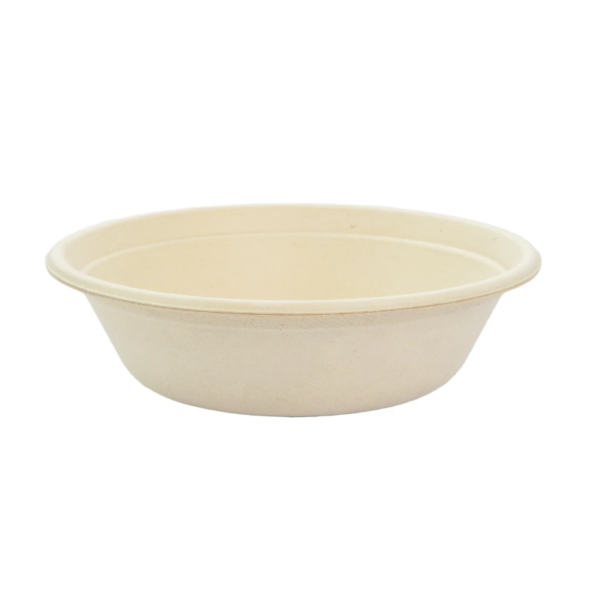
Successful purchasing decisions require balancing:

  • Product performance
  • Material sustainability
  • Food-contact compliance
  • Supply chain stability
  • Customization capability
  • Total procurement cost

Based on DAILYECO’s experience supporting importers, distributors, restaurant groups, catering companies, and private-label brands worldwide, the following professional insights highlight common sourcing mistakes and how buyers can avoid them.

1. Common Mistake: Comparing Prices Without Comparing Product Specifications

Why It Matters

A quotation for a “9 inch compostable paper plate” does not always represent the same product.

Different specifications can significantly affect product performance and cost, including:

  • Material type
  • Product weight
  • Plate thickness
  • Fiber quality
  • Manufacturing process
  • Packaging method

A lower quotation may come from a lighter specification that cannot provide the required strength for commercial foodservice applications.
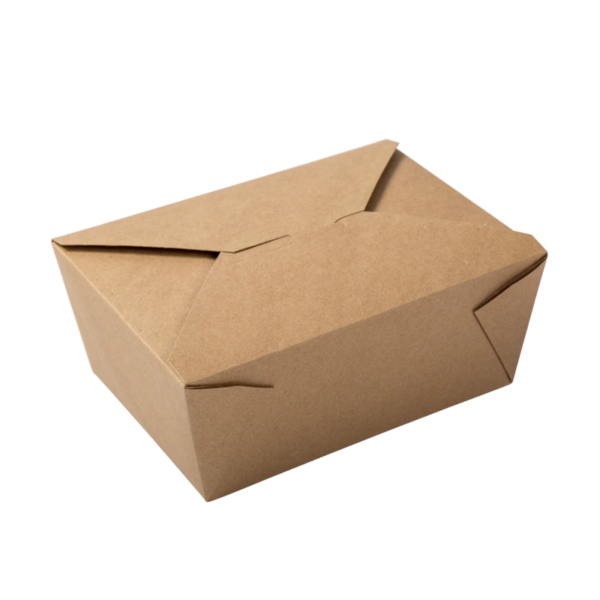
DAILYECO Expert Advice

Request a detailed product specification sheet from every supplier before comparing prices.

Best Practice

Compare quotations only after confirming:

  • Plate size
  • Material composition
  • Product weight
  • Thickness
  • Food-contact compliance
  • Packaging configuration
  • Application suitability

2. Common Mistake: Selecting Materials Based Only on Cost

Why It Matters

Different sustainable materials provide different performance characteristics.

For example, bagasse plates are widely selected because they offer:

  • Good strength
  • Heat resistance
  • Grease resistance
  • Natural fiber advantages

However, selecting materials only based on the lowest price may result in:

  • Reduced durability
  • Poor customer experience
  • Lower food performance

DAILYECO Expert Advice

Choose materials according to the actual application instead of simply selecting the cheapest option.

Best Practice

Evaluate:

  • Food type
  • Serving temperature
  • Portion weight
  • Usage environment
  • Sustainability objectives

The right material should balance performance, cost, and environmental positioning.

3. Common Mistake: Choosing the Wrong Sustainable Material for Your Market

Why It Matters

Different countries and regions have different expectations regarding sustainable packaging.

Some markets prioritize:

  • Compostability certification
  • Renewable materials
  • Plastic reduction
  • Natural product appearance
  • Environmental claims

A solution that works well in one market may not always be the best choice in another.

DAILYECO Expert Advice

Evaluate your destination market before selecting compostable paper plates materials.

Best Practice

Consider:

  • Local regulations
  • Composting infrastructure
  • Customer expectations
  • Sustainability requirements
  • Product positioning

For many foodservice applications, sugarcane plates provide an excellent balance between sustainability and practical performance.

4. Common Mistake: Ignoring Plate Size and Application Matching 

Why It Matters

Selecting the wrong plate size can increase inventory complexity and reduce operational efficiency.

For example:

  • Small plates may not support full meal portions.
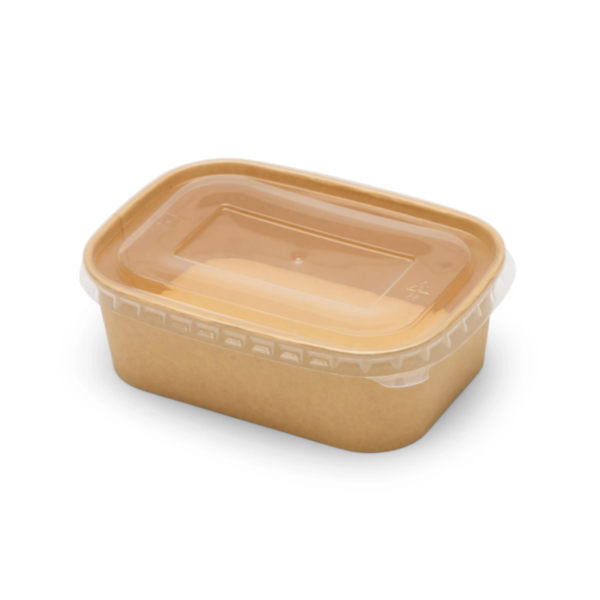
  • Oversized plates may increase packaging and transportation costs.

DAILYECO Expert Advice

Choose plate specifications according to the intended application.

Best Practice

Match plate sizes based on usage:

6–7 inch plates

Suitable for:

  • Desserts
  • Snacks
  • Appetizers

9 inch plates

Suitable for:

  • Daily meals
  • Restaurants
  • Takeaway food

10 inch and larger plates

Suitable for:

  • Catering
  • Buffet service
  • Large portions

A well-planned product portfolio helps reduce unnecessary SKUs.

5. Common Mistake: Ignoring Product Strength Requirements 

Why It Matters

Not all compostable plates are designed for the same food applications.
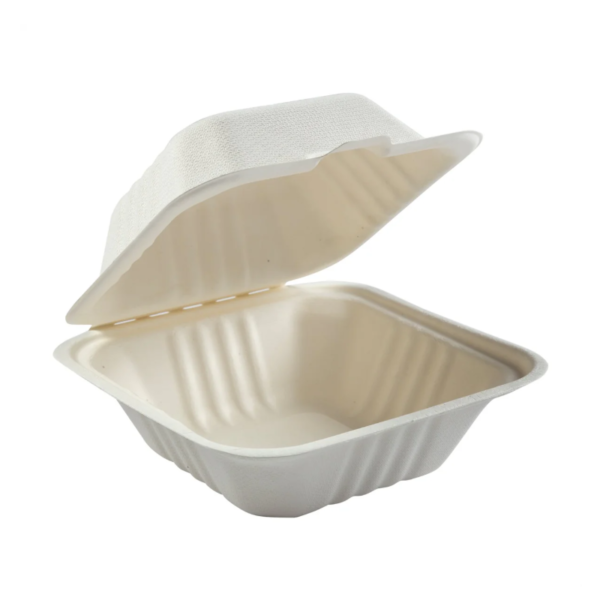
Heavy meals, oily foods, and hot dishes require stronger specifications.
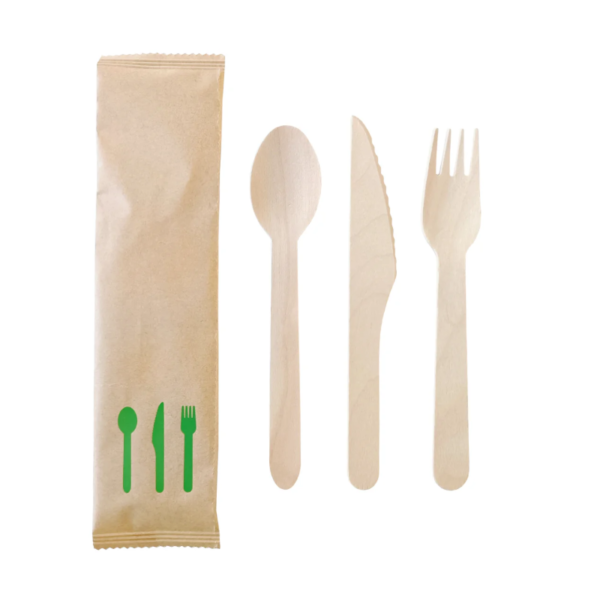
Poor product selection may lead to:

  • Plate bending
  • Leakage problems
  • Customer complaints
  • Poor food presentation

DAILYECO Expert Advice

Always evaluate plate performance according to real application conditions.
Best Practice

Before confirming bulk production, test:

  • Food weight capacity
  • Hot food performance
  • Grease resistance
  • Stacking strength
  • Transportation durability

Proper testing helps ensure reliable performance after market launch.

6. Common Mistake: Evaluating Only Unit Price Instead of Total Procurement Cost 

Why It Matters

The lowest unit price does not always create the lowest overall cost.

Total procurement cost is influenced by:

  • Product consistency
  • Damage rates
  • Packaging efficiency
  • Shipping utilization
  • Inventory management
  • Customer complaints

A cheaper product may create additional costs if quality issues occur.

DAILYECO Expert Advice

Evaluate suppliers based on Total Cost of Ownership (TCO), not only purchase price.

Best Practice

Consider:

  • Manufacturing stability
  • Product quality consistency
  • Container loading efficiency
  • Packaging optimization
  • Delivery reliability
  • Long-term cooperation value

7. Common Mistake: Ignoring Packaging Requirements Before Ordering

Why It Matters

Packaging affects:

  • Product protection
  • Warehouse management
  • Transportation efficiency
  • Retail presentation

Improper packaging planning may create:

  • Damaged products
  • Higher shipping costs
  • Difficult inventory control

DAILYECO Expert Advice

Discuss packaging requirements with your manufacturer before production begins.
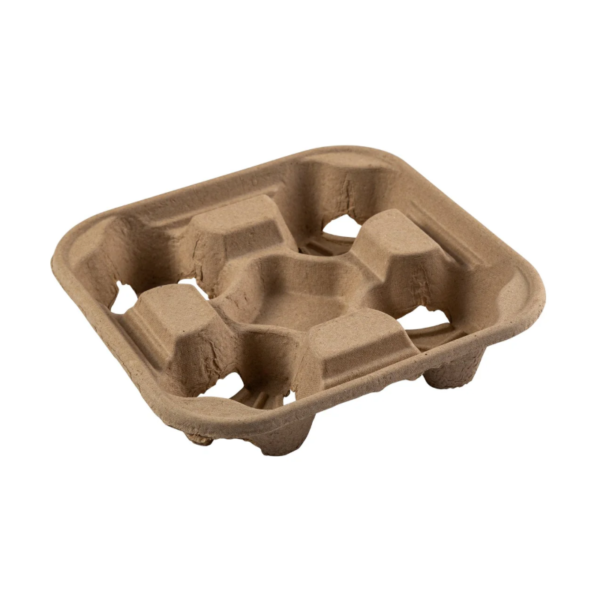
Best Practice

Confirm:

  • Carton quantity
  • Inner packaging method
  • Retail packaging requirements
  • Private label packaging
  • Carton printing
  • Container loading method

Professional packaging planning improves supply chain efficiency.
8. Common Mistake: Waiting Until Peak Season to Place Orders

Why It Matters

Demand for sustainable food packaging often increases during:

  • Holiday seasons
  • Outdoor events
  • Catering periods
  • Promotional campaigns
  • Restaurant expansion periods

Late purchasing may result in:

  • Longer production schedules
  • Limited factory capacity
  • Increased logistics costs

DAILYECO Expert Advice

Share purchasing forecasts with your manufacturer whenever possible.

Best Practice

Early production planning helps secure:

  • Manufacturing capacity
  • Raw material availability
  • Stable delivery schedules
  • Better inventory planning

9. Common Mistake: Choosing a Supplier Instead of a Long-Term Manufacturing Partner 

Why It Matters

A professional manufacturer should provide more than products.

As your business grows, you may require:

  • Technical recommendations
  • Product development support
  • Packaging optimization
  • Compliance assistance
  • Supply planning

DAILYECO Expert Advice

Evaluate whether the manufacturer can support your business growth over the next three to five years.

Best Practice

Assess suppliers based on:

  • Manufacturing capability
  • OEM experience
  • Export experience
  • Product development ability
  • Quality management
  • Customer service
  • Communication efficiency

The right partner can create long-term value beyond the initial purchase order.

10. Common Mistake: Asking Only for Price Instead of Professional Recommendations

Why It Matters

Experienced manufacturers can often identify opportunities to improve performance and reduce costs before production begins.

Professional advice can help buyers avoid:

  • Incorrect specifications
  • Unnecessary customization costs
  • Packaging inefficiencies
  • Supply chain problems

DAILYECO Expert Advice

Treat your manufacturer as a sustainable packaging consultant rather than only a production supplier.

Best Practice

Ask your supplier for recommendations regarding:

  • Plate specification optimization
  • Material selection
  • Packaging configuration
  • Product standardization
  • Container loading
  • Cost optimization
  • Market suitability

Small improvements made before production can create significant long-term savings.

Final Recommendation

The most successful compostable paper plates sourcing projects are built on informed procurement decisions rather than simply selecting the lowest quotation.

By carefully evaluating:

  • Product specifications
  • Material performance
  • Sustainability requirements
  • Manufacturing capability
  • Compliance support
  • Supply chain reliability
  • Long-term cooperation potential

buyers can significantly reduce procurement risks while creating better customer experiences and stronger commercial value.

At DAILYECO, we believe our responsibility extends beyond manufacturing.

Our goal is to help customers make better sustainable packaging decisions through:

  • Professional technical guidance
  • Transparent communication
  • Flexible customization solutions
  • Reliable manufacturing capability
  • Long-term cooperation support

With the right manufacturing partner, businesses can build a more efficient, sustainable, and competitive food packaging supply chain.

This Page Reviewed By

Lillian Guo

Food Packaging Compliance Manager

10+ Years of Experience

Specialized in:

  • Food Contact Compliance
  • Sustainable Packaging
  • Compostable Paper PlatesManufacturing
  • FDA
  • EU Food Contact Regulations
  • Packaging Compliance Documentation

Explore Our Related Sustainable Packaging

Discover more sustainable beverage and food packaging solutions from DAILYECO.

Contact Our Team

Looking for a reliable Compostable Paper Plates Manufacturer?

Our packaging specialists are ready to support your project with:

✓ Product Catalog

✓ Free Product Consultation

✓ OEM & ODM Development

✓ Custom Printing Solutions

✓ Sample Requests

✓ Compliance Guidance

✓ Packaging Optimization

✓ Global Export Support

Whether you are sourcing for banquet centers, food distributors, importers, hospitality groups or private label brands, our team will work with you to recommend the most suitable compostable bagasse plate solution for your business

Submit Your Inquiry Now