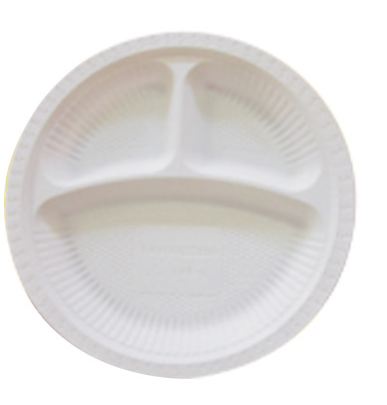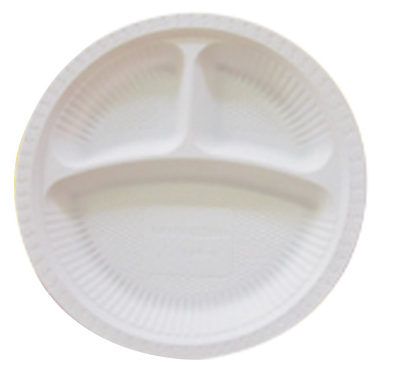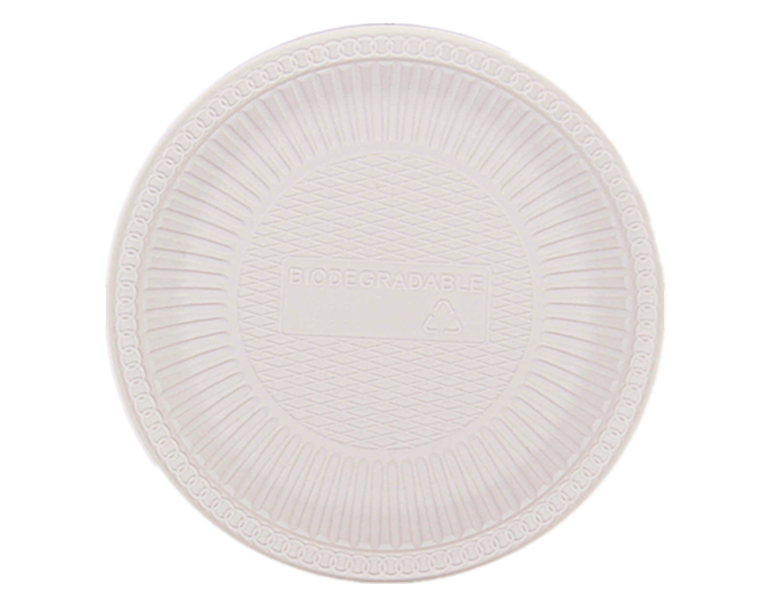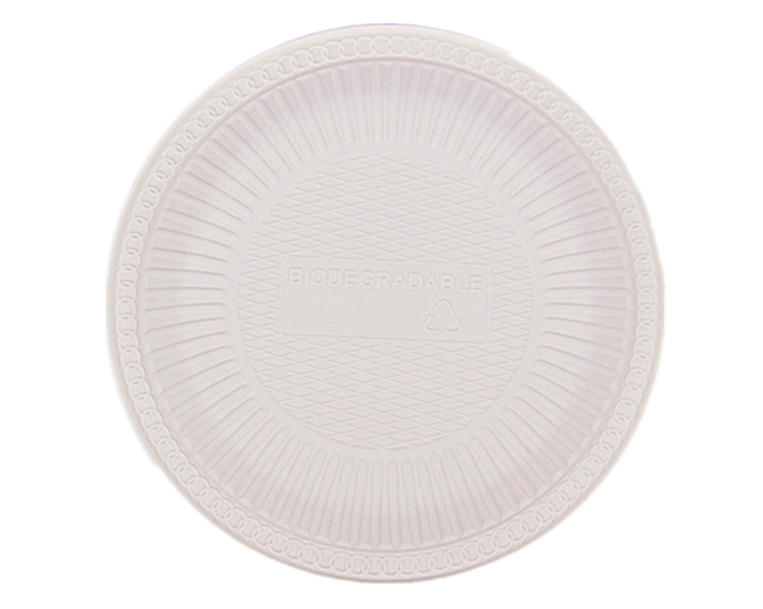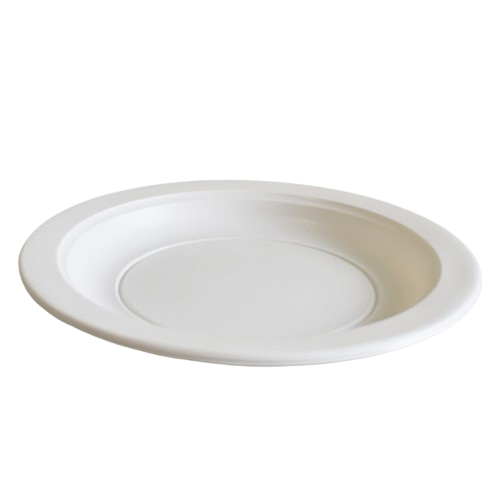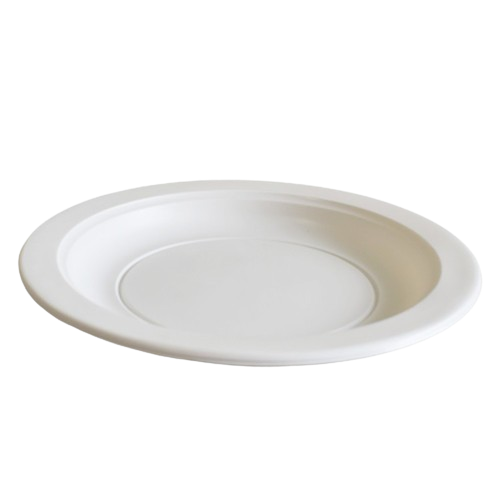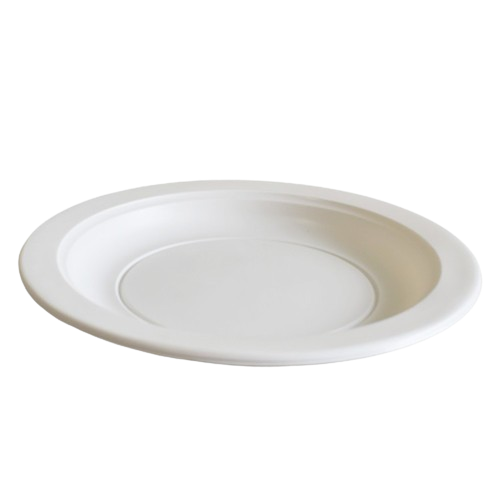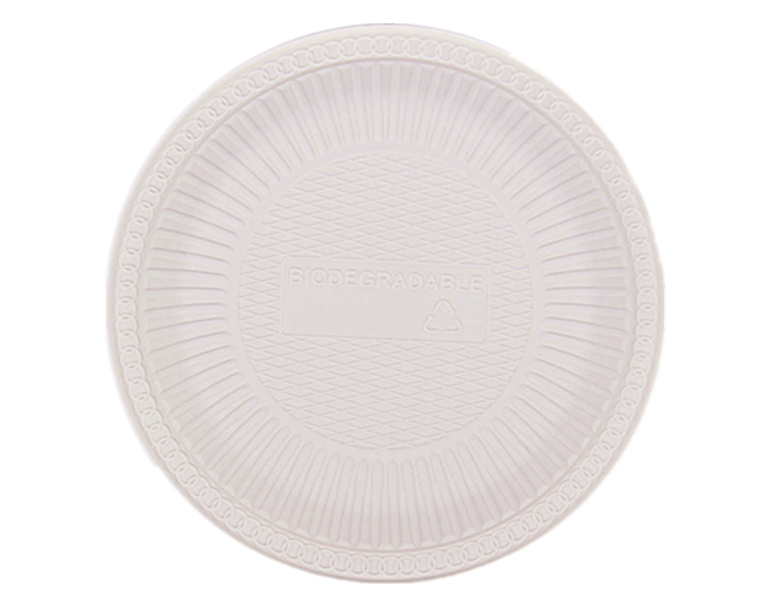
Item | Information |
Product Name | Cornstarch Plates |
Material | Corn Starch Polymer |
Product Type | Plant-Based Disposable Food Plate |
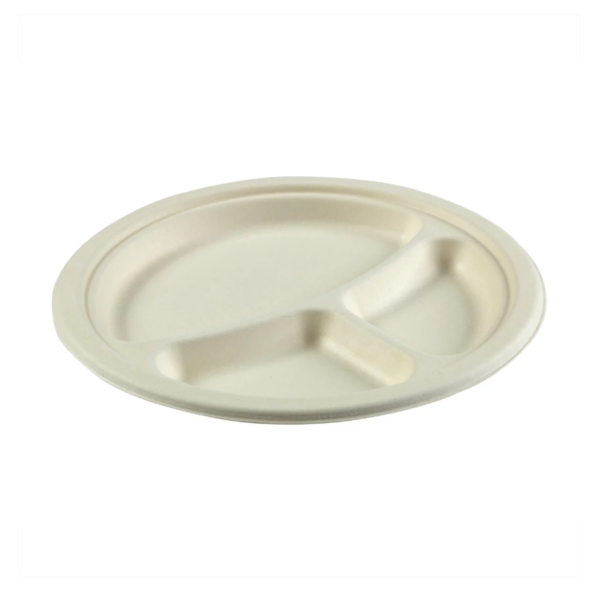
Typical Sizes | 6 inch, 7 inch, 8 inch, 9 inch, 10 inch, Compartment Plate |
Applications | Restaurants, Catering, Foodservice, Events, Takeaway, Retail |
Food Types | Snacks, Desserts, Salad, Fast Food, Main Courses, Catering Meals |
Material Feature | Renewable Plant-Based Material |
Plate Structure | Lightweight Disposable Plate Design |
Temperature Performance | Depends on Material Formulation and Application Requirements |
Sustainability Options | Biodegradable / Compostable Options Available |
Customization | OEM & ODM Available |
Printing | Custom Logo, Packaging Design, Private Label Solutions |
Supply Type | Manufacturer & Global Supply Chain Partner |
Export Markets | North America, Middle East, Asia, South America |
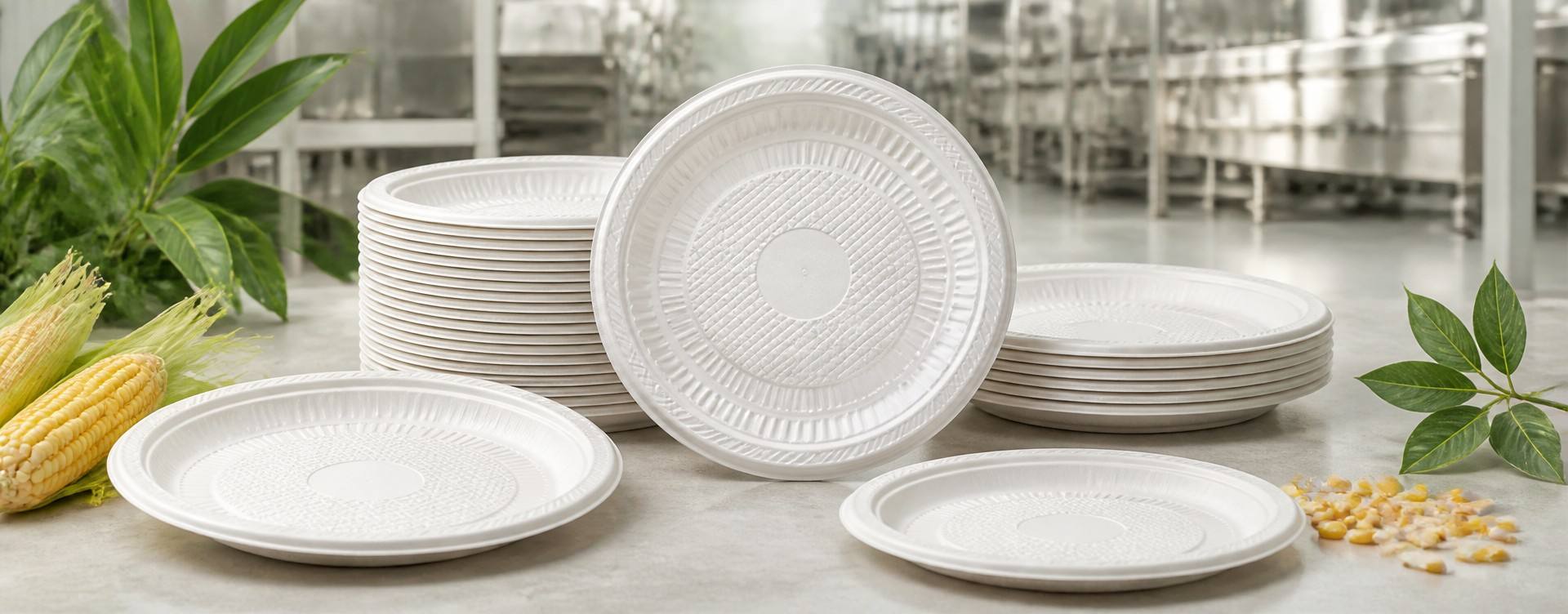
Cornstarch Plates are disposable food plates manufactured using corn-derived materials, including corn starch-based polymers and other plant-based formulations. These plates are designed to provide businesses with an alternative solution to traditional petroleum-based disposable plastic tableware while maintaining practical performance for daily foodservice applications.
Compared with conventional plastic plates, cornstarch disposable plates provide a renewable material option with lightweight construction, attractive appearance, and flexible customization possibilities. They are commonly selected by restaurants, catering companies, foodservice distributors, hospitality groups, event organizers, and private-label packaging brands seeking more sustainable tableware solutions.
DAILYECO supplies customized biodegradable cornstarch plates solutions for global B2B customers, including OEM production, private-label packaging, product development support, and international export services. Our team helps buyers select suitable specifications based on application requirements, target markets, and sustainability objectives.
Cornstarch Plates are disposable foodservice plates produced from corn-derived materials that are processed into suitable food-contact packaging structures. Depending on the specific formulation and manufacturing technology, these plates may use corn starch polymers, PLA-based materials, or other plant-based compounds.
Unlike traditional disposable plastic plates made from fossil-based materials, biodegradable cornstarch plates are developed using renewable agricultural resources. Their plant-based origin makes them an attractive choice for businesses looking to reduce reliance on conventional plastic packaging and improve their sustainability positioning.
The manufacturing process typically begins with the preparation of corn-based raw materials, followed by forming, temperature control, trimming, quality inspection, and packaging. Different formulations can influence important performance factors such as strength, heat resistance, moisture resistance, and compostability characteristics.
For professional buyers, selecting suitable corn starch plates requires evaluating several factors, including:
Because sustainability standards and waste management systems vary between regions, buyers should confirm applicable compliance documentation and disposal requirements before selecting cornstarch disposable plates for commercial use.
Today, cornstarch plates are increasingly used in restaurants, catering services, takeaway operations, food events, institutional foodservice, and retail packaging programs. Their combination of plant-based materials, functional design, and customization flexibility makes them a growing category within sustainable disposable tableware.
For businesses seeking to improve environmental positioning while maintaining efficient food presentation, biodegradable corn starch plates provide a practical and scalable packaging option.
Feature | Typical Performance Reference | Explanation |
Plant-Based Material | Corn-derived renewable material | Manufactured using corn-based materials to support sustainable disposable tableware solutions |
Plate Sizes | 6 inch – 10 inch commonly available | Covers applications from desserts and snacks to meals and catering services |
Temperature Resistance | Typically around -20°C to 100°C (depending on formulation) | Suitable for many short-term food serving applications; actual performance depends on material composition |
Plate Thickness | Approximately 0.5mm – 1.5mm (varies by design) | Thickness can be adjusted according to food type, strength requirements, and application needs |
Load Performance | Suitable for daily foodservice use | Designed for common foodservice applications such as snacks, meals, and catering |
Grease Resistance | Suitable for light to medium oily foods | Helps reduce oil penetration during normal serving conditions |
Moisture Resistance | Typically suitable for short-term serving | Helps maintain food presentation during takeaway and catering applications |
Microwave Use | Depends on material formulation | Buyers should confirm microwave suitability according to product specifications |
Customization | OEM & ODM available | Supports custom sizes, shapes, packaging, and private-label solutions |
Sustainability Positioning | Renewable material alternative | Helps brands communicate plant-based packaging initiatives |
The main advantage of Cornstarch Plates is their ability to combine renewable material positioning with practical foodservice performance. With commonly available sizes from 6 inch to 10 inch, they can support a wide range of commercial applications including restaurants, catering services, takeaway businesses, and events.
For professional buyers, biodegradable cornstarch plates provide a sustainable packaging option while maintaining the functional requirements needed for daily food presentation.
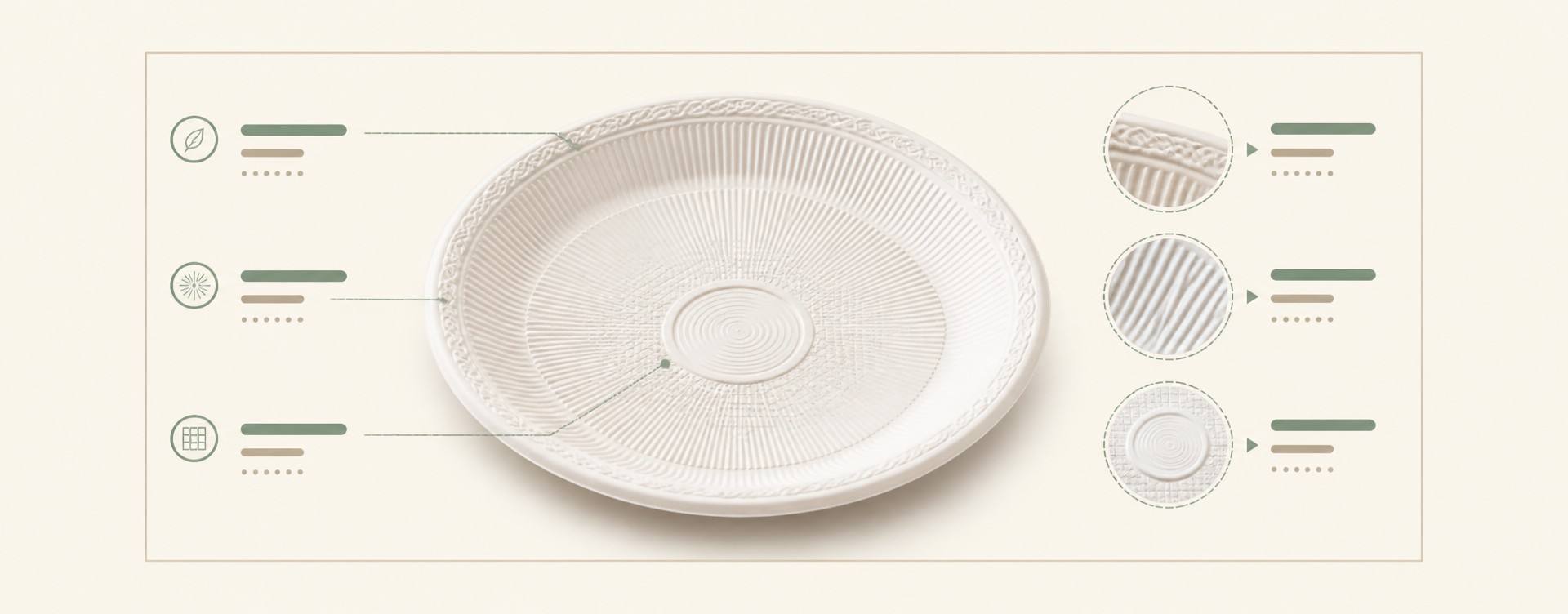
The increasing global focus on sustainable packaging, plastic reduction, and responsible consumption has significantly accelerated demand for Cornstarch Plates across the foodservice industry.
Restaurants, catering companies, and foodservice suppliers are facing growing pressure from customers, governments, and businesses to reduce dependence on traditional plastic tableware. As a result, plant-based alternatives such as cornstarch disposable plates are becoming an important option for companies seeking more sustainable packaging solutions.
Consumer expectations are also changing. Today, packaging is no longer viewed only as a disposable item but as part of a company’s environmental commitment and brand identity. Businesses increasingly prefer tableware solutions that combine practical functionality with a stronger sustainability message.
For foodservice brands, biodegradable cornstarch plates offer additional opportunities for differentiation. Natural material positioning, customized packaging, and environmentally focused product communication can help companies create stronger connections with environmentally conscious customers.
Advances in plant-based material technology have further improved the consistency, appearance, and commercial usability of corn starch plates. Modern production processes allow manufacturers to provide more reliable dimensions, better surface quality, and customized solutions for different market requirements.
For importers, distributors, wholesalers, and private-label brands, Cornstarch Plates represent a growing sustainable tableware category with increasing opportunities in international markets.
The global foodservice packaging industry is undergoing a significant transformation as businesses increasingly evaluate sustainability, regulatory requirements, operational efficiency, and customer expectations when selecting disposable tableware solutions.
As governments introduce stricter plastic reduction policies and consumers become more environmentally aware, demand for renewable material packaging continues to increase. Plant-based solutions such as Cornstarch Plates are gaining attention because they provide businesses with an alternative approach to traditional petroleum-based disposable products.
For manufacturers, distributors, restaurant groups, and private-label brands, understanding these market developments helps identify suitable packaging strategies, reduce sourcing risks, and respond to changing customer expectations.
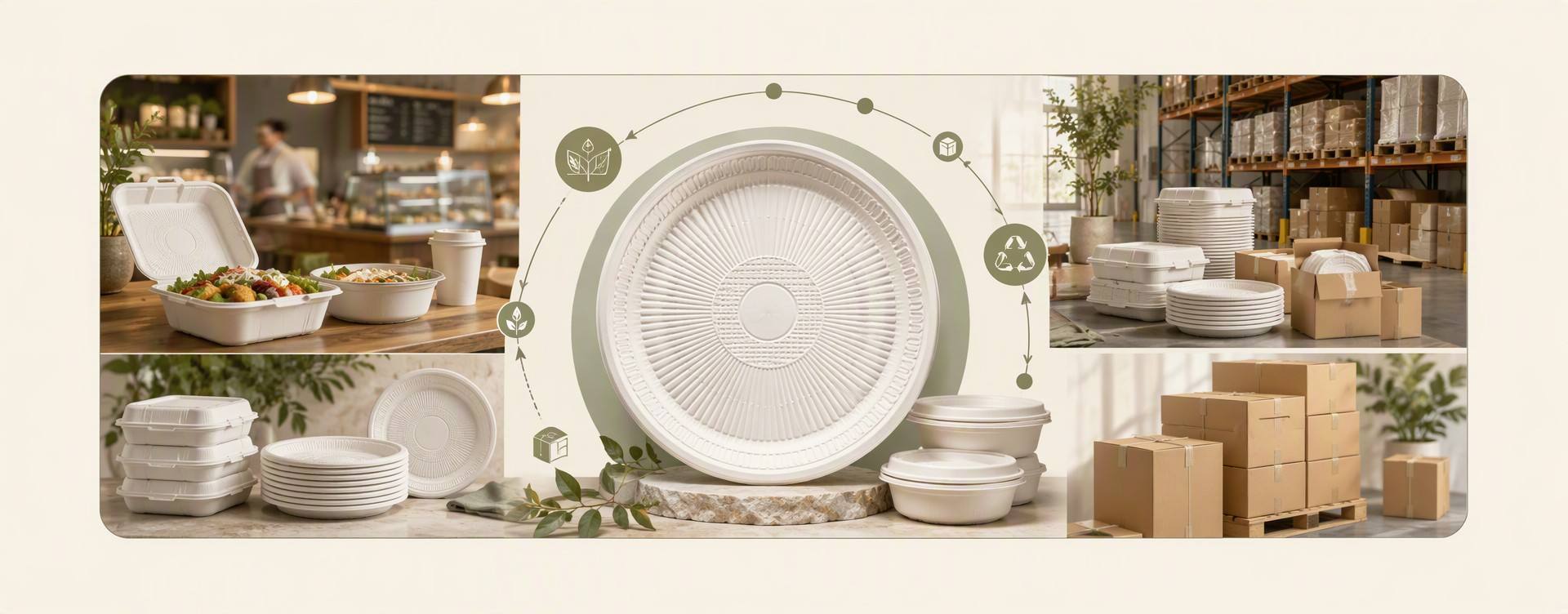
The global foodservice industry continues to expand through restaurants, catering services, takeaway businesses, hospitality operations, retail channels, and delivery platforms.
At the same time, sustainability has become an increasingly important purchasing consideration. Businesses are no longer evaluating disposable tableware only through unit price and basic performance. They are also considering:
This shift has contributed to growing adoption of plant-based tableware categories, including biodegradable cornstarch plates, molded fiber products, and other sustainable disposable packaging solutions.
For professional buyers, selecting the right material requires balancing sustainability objectives with practical factors such as food application, strength requirements, supply stability, and destination market regulations.
Growth of Sustainable Foodservice Packaging
Sustainable packaging has become an important factor in commercial purchasing decisions.
Restaurants, catering companies, hospitality groups, and foodservice distributors are increasingly exploring renewable material alternatives to meet customer expectations and support corporate sustainability strategies.
Compared with traditional plastic tableware, plant-based solutions such as corn starch plates provide businesses with additional opportunities to communicate environmental responsibility while maintaining practical foodservice performance.
Plastic Reduction Regulations
Many international markets are introducing policies aimed at reducing single-use plastics and encouraging alternative packaging solutions.
These regulatory changes are increasing demand for products such as cornstarch disposable plates, fiber-based tableware, and compostable packaging options.
For exporters and distributors, understanding local regulations and disposal infrastructure has become an important part of product selection and market planning.
Expansion of Takeaway and Catering Applications
The continued growth of takeaway food, food delivery, outdoor events, and catering services has increased demand for convenient disposable tableware.
Businesses require products that are easy to store, transport, and distribute while maintaining reliable food presentation.
Products such as Cornstarch Plates provide lightweight and practical solutions for:
Sustainability as a Brand Differentiation Tool
For many food service businesses, packaging has become an important customer touchpoint.
Using biodegradable cornstarch plates allows brands to communicate sustainability initiatives and create stronger connections with environmentally conscious customers.
For private-label brands and restaurant chains, sustainable packaging is increasingly becoming part of overall brand positioning rather than simply a purchasing decision.
Different regions prioritize different aspects of sustainable disposable tableware.
Region | Typical Market Focus |
North America | Sustainable packaging, foodservice efficiency, customer expectations, plastic reduction |
Middle East | Food presentation, hospitality applications, reliable supply, customer experience |
Asia | Cost efficiency, production stability, expanding sustainable packaging demand |
South America | Sustainable alternatives, foodservice growth, import supply reliability |
Understanding regional market requirements enables buyers to select suitable Cornstarch Plates solutions according to local regulations, customer preferences, food service applications, and long-term business objectives.
For global buyers, successful sourcing is no longer only about finding a competitive price. It requires selecting products and suppliers that can support changing market expectations, sustainability goals, and future business growth.
Today’s purchasing decisions are no longer based only on product price.
Professional buyers increasingly evaluate suppliers based on their ability to provide:
As sustainable packaging markets continue to develop, successful sourcing depends on selecting products that support both current operational requirements and future market expectations.
Businesses that combine suitable sustainable materials with reliable supply chain partnerships are better positioned to improve customer satisfaction, strengthen brand value, and achieve long-term growth.
Different disposable plate materials provide different advantages depending on your application requirements, target market, sustainability goals, and budget considerations.
Choose Cornstarch Plates If You:
Choose Bagasse Plates If You:
Choose Bamboo Fibre Plates If You:
Choose PLA Coated Paper Plates If You:
Choose Plastic Plates If You:
Different regions have different priorities when selecting disposable tableware. Choosing the right material can help improve compliance, customer acceptance, and long-term supply performance.
Target Market | Recommended Material | Primary Purchasing Considerations |
North America | Cornstarch Plates / Bagasse Plates | Sustainability, food-contact compliance, brand positioning |
Europe | Cornstarch Plates / PLA / Bagasse Plates | Compostability, regulations, plastic reduction |
Australia & New Zealand | Cornstarch Plates / Bamboo Fibre Plates | Renewable materials, environmental performance |
Middle East | Cornstarch Plates / Bagasse Plates | Food presentation, supply stability |
Asia | Cornstarch Plates / Bagasse Plates | Cost efficiency, reliable production |
Hospitality & Catering | Bagasse Plates / Cornstarch Plates | Performance, appearance, operational efficiency |
Eco-Focused Brands | Cornstarch Plates / Bamboo Fibre Plates | Sustainability messaging, renewable materials |
Rather than selecting a material based on a single factor, buyers should consider food application, material performance, sustainability requirements, customization needs, and total procurement value together.
This approach helps businesses choose the most suitable disposable plate solution for their target market and long-term packaging strategy.
DAILYECO supplies a complete range of Cornstarch Plates designed for restaurants, catering companies, food service distributors, hospitality groups, retailers, and private-label brands.
Our product portfolio covers commonly used plate sizes and formats for desserts, snacks, daily meals, takeaway food, catering services, and large-scale food service operations. Different plate dimensions can be selected according to portion size, menu requirements, customer experience, and market preferences.
All Cornstarch Plates specifications can be customized according to your application requirements, packaging strategy, and branding objectives.
Pictures | Name | Size | Weight (g) | Pcs/bag | Bag/CTN | Pcs/CTN | Length (cm) | Width (cm) | Height (cm) |
| 6″ Plates | Ø152.4mm | 8 | 50 | 20 | 1000 | 31 | 28 | 17 |
| 6″ Plates | Ø152.4mm | 8 | 50 | 20 | 1000 | 31 | 28 | 17 |
| 7″ Plates | Ø178mm | 12 | 50 | 20 | 1000 | 47 | 37 | 19.5 |
| 9″ Plates | Ø228.6mm | 21 | 50 | 10 | 500 | 47.5 | 26.5 | 24.5 |
| 9″ | Ø228.6mm | 21 | 50 | 10 | 500 | 48 | 26.5 | 24.5 |
| 10″ | Ø254mm | 23 | 50 | 10 | 500 | 42 | 37.5 | 26.5 |
| 10″ | Ø254mm | 23 | 50 | 10 | 500 | 42 | 37.5 | 26.5 |
| 6″ Plates | Ø152.4mm | 8 | 250 | 8 | 2000 | 31 | 28 | 17 |
| 7″ Plates | Ø178mm | 12 | 300 | 4 | 1200 | 47 | 37 | 19.5 |
| 9″ Plates | Ø228.6mm | 21 | 150 | 4 | 600 | 47.5 | 26.5 | 24.5 |
For professional buyers, selecting the right plate size helps improve food presentation, portion control, storage efficiency, and overall customer experience. DAILYECO can recommend suitable Cornstarch Plates specifications based on your menu structure, target customers, and distribution channels.
DAILYECO provides OEM and private-label solutions for global buyers seeking customized sustainable tableware products.
Customization services include:
Our production and technical teams work closely with customers to develop suitable Cornstarch Plates solutions while maintaining consistent quality, stable production, and reliable supply.

Selecting the correct plate size helps businesses optimize food presentation, operational efficiency, and purchasing management.
Size | Typical Food Application |
6 inch | Desserts, Snacks, Fruits |
7 inch | Appetizers, Side Dishes |
8 inch | Breakfast, Sandwiches, Light Meals |
9 inch | Fast Food, Lunch, Main Courses |
10 inch | Dinner, Catering, Buffet Meals |
Compartment Plate | Combination Meals, Institutional Catering |
Different markets may have different serving habits and portion standards. DAILYECO can recommend suitable Cornstarch Plates sizes and configurations according to your target market, food applications, and purchasing requirements.


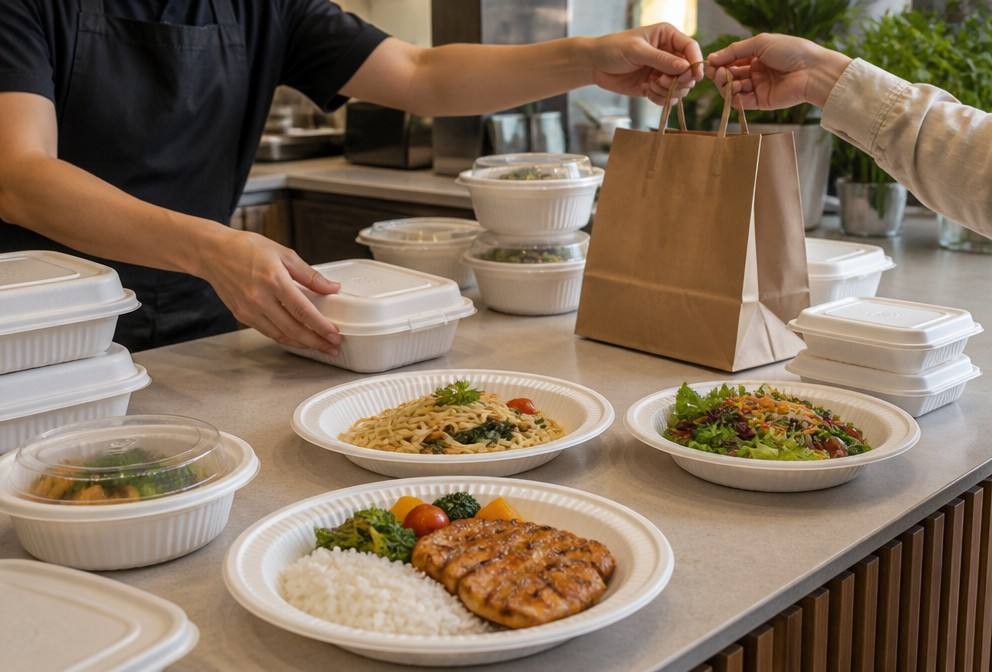





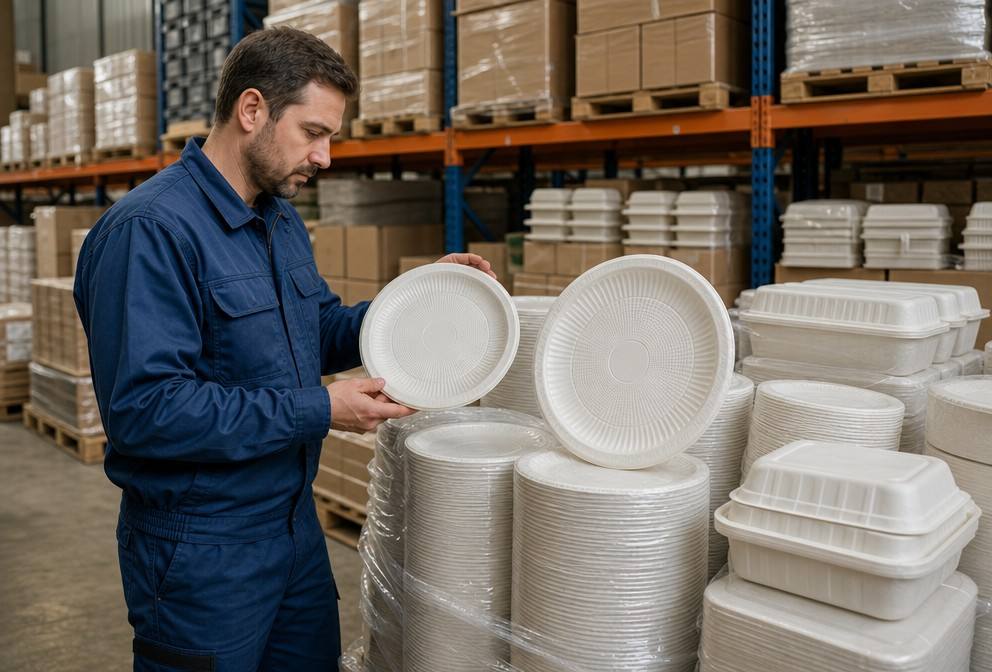
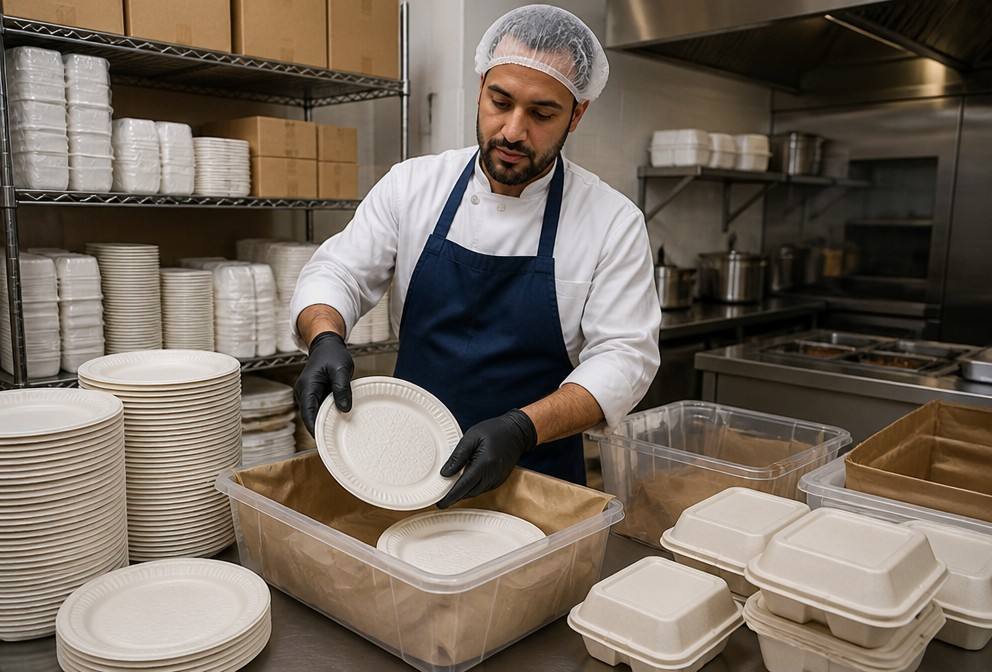

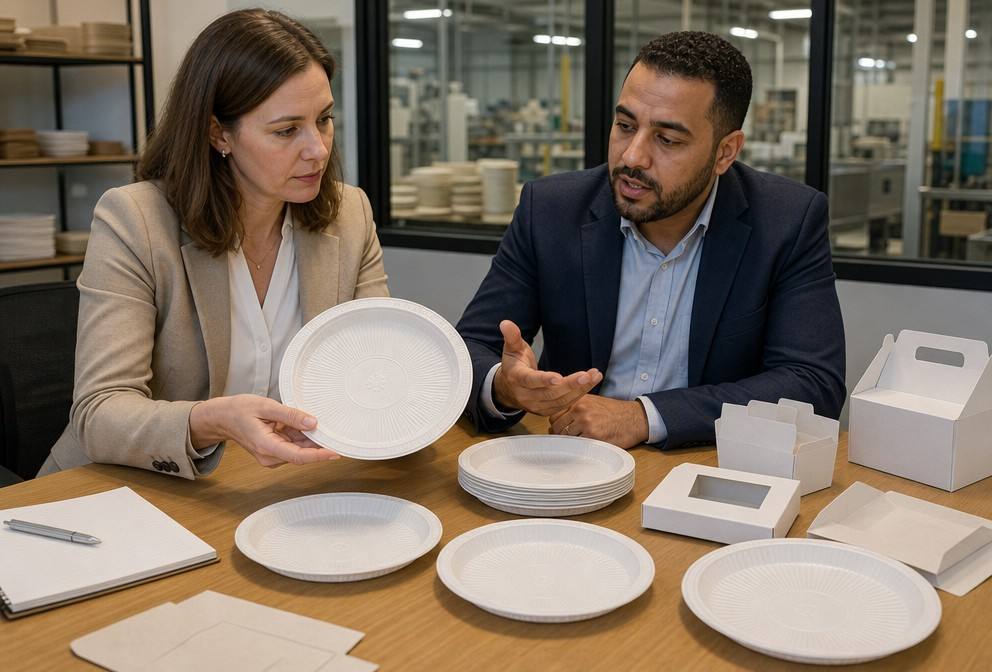

The following guide helps buyers determine whether Cornstarch Plates are suitable for different commercial foodservice applications.
Application | Recommended |
Desserts | ✓ |
Snacks | ✓ |
Fruits | ✓ |
Breakfast Service | ✓ |
Restaurant Meals | ✓ |
Catering Events | ✓ |
Takeaway Food | ✓ |
Outdoor Events | ✓ |
Retail Sustainable Tableware | ✓ |
Heavy Industrial Food Applications | ✗ |
Long-Term Food Storage | ✗ |
High-Temperature Cooking Applications | ✗ |
Cornstarch Plates are designed for short-term foodservice applications where sustainable material positioning, convenient handling, and food presentation are important considerations.
For applications requiring extended food storage, extreme temperatures, or heavy-duty structural performance, buyers should evaluate alternative packaging solutions.
Choosing the right Cornstarch Plates involves more than selecting a size. Buyers should evaluate material formulation, food applications, sustainability requirements, customization options, and supplier capabilities before placing an order.
Are Cornstarch Plates suitable for foodservice applications?
Yes. Cornstarch Plates are commonly used for restaurants, catering, takeaway services, events, and institutional food programs. They provide a plant-based disposable tableware option for short-term food serving applications.
Are Cornstarch Plates biodegradable or compostable?
It depends on the specific material formulation and certification requirements.
Some biodegradable cornstarch plates are designed for composting programs, while actual disposal performance depends on local waste management infrastructure and applicable standards.
What food types are suitable for Cornstarch Plates?
Cornstarch disposable plates are commonly used for:
For extremely hot, oily, or heavy food applications, buyers should confirm the product specifications before purchasing.
Can Cornstarch Plates be customized?
Yes.
DAILYECO provides customization services including:
What sizes are commonly available?
Common sizes include:
Additional sizes can be developed according to customer requirements.
Are food-contact compliant materials available?
Yes.
DAILYECO can provide food-contact documentation and related compliance support according to customer requirements and destination market regulations.
Are Cornstarch Plates suitable for takeaway and catering?
Yes.
They are widely used for takeaway meals, catering events, and foodservice operations because they combine convenient handling, practical food presentation, and sustainable material positioning.
Is OEM manufacturing available?
Yes.
DAILYECO provides OEM and ODM manufacturing services for importers, distributors, foodservice companies, hospitality groups, and private-label brands.
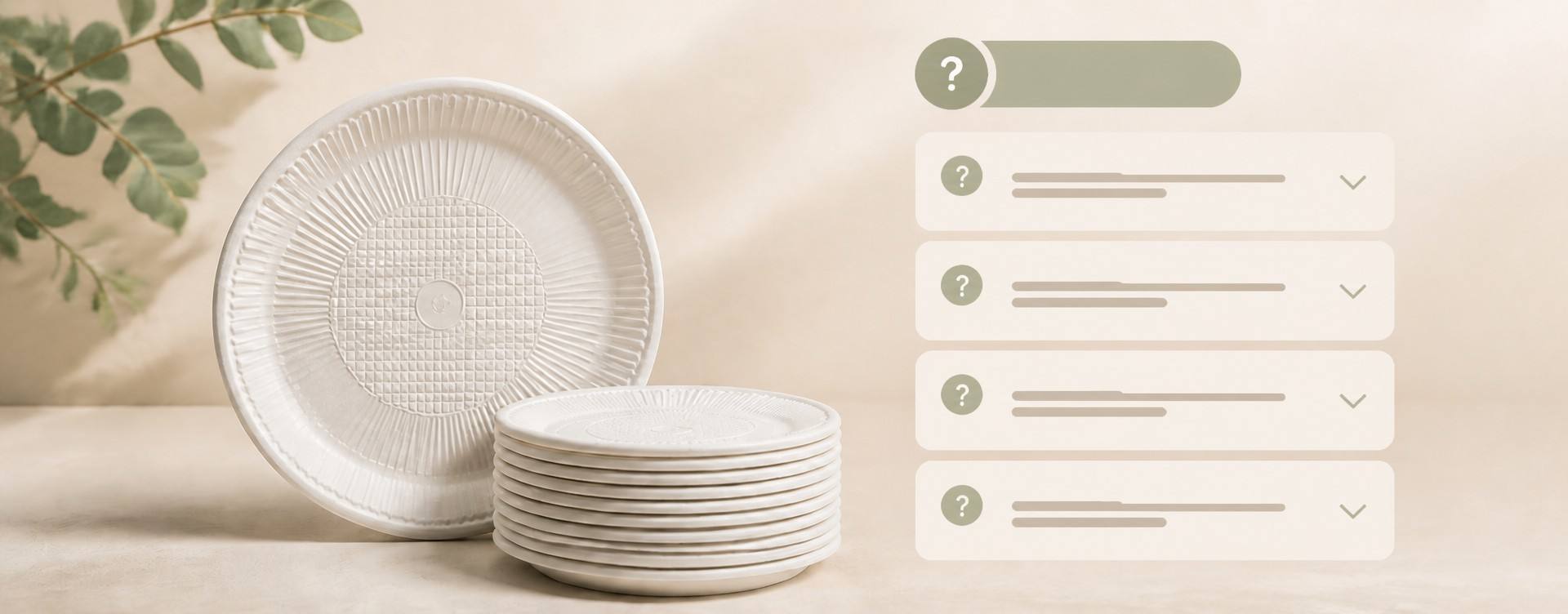
Although Cornstarch Plates are increasingly used in sustainable foodservice applications, they may not be suitable for every business requirement.
Understanding these limitations helps buyers select the most appropriate disposable tableware solution.
For projects where the lowest unit cost is the primary consideration, traditional plastic or standard disposable plates may provide a more economical option.
For large portions, heavy meals, or applications requiring maximum rigidity, molded fiber solutions such as bagasse plates may be more suitable.
Cornstarch Plates are designed for food serving rather than cooking or extreme heat exposure. Applications involving very high temperatures should be evaluated carefully.
Disposable plates are intended for short-term serving applications and are not designed for extended food storage or shelf-life requirements.
In markets where sustainability is not a purchasing priority, buyers may select more cost-focused alternatives depending on their business objectives.
Selecting the right material before purchasing helps businesses balance performance, sustainability goals, application requirements, regulatory compliance, and total procurement cost.
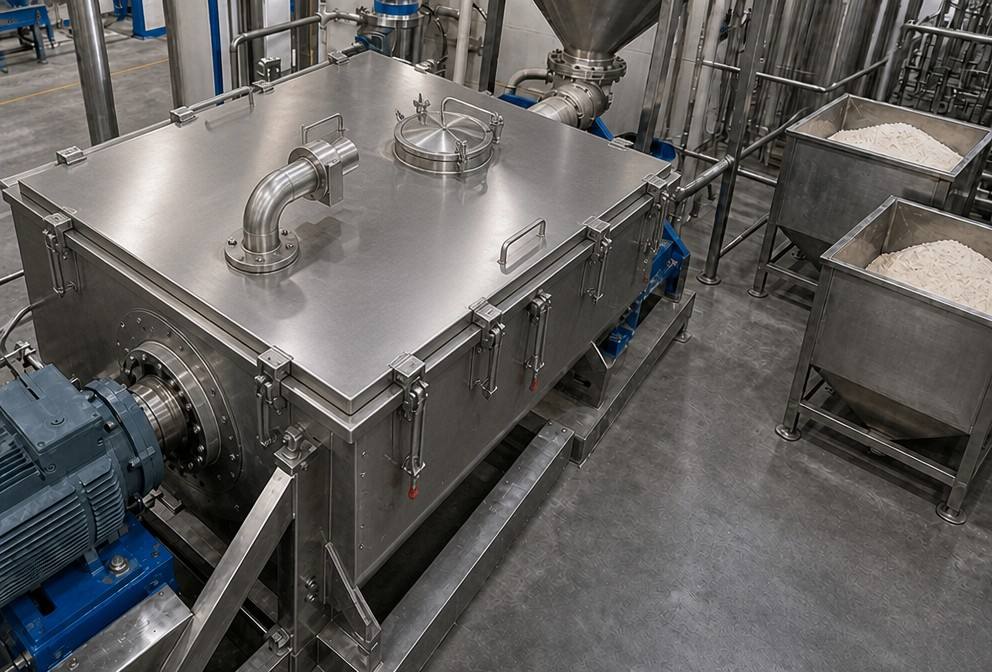
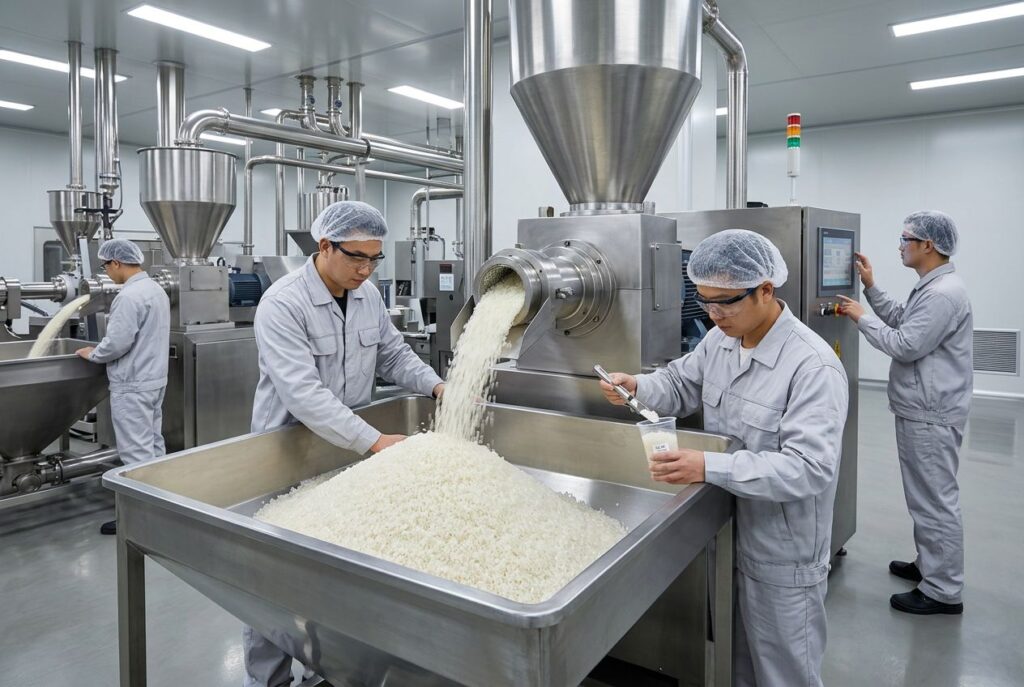
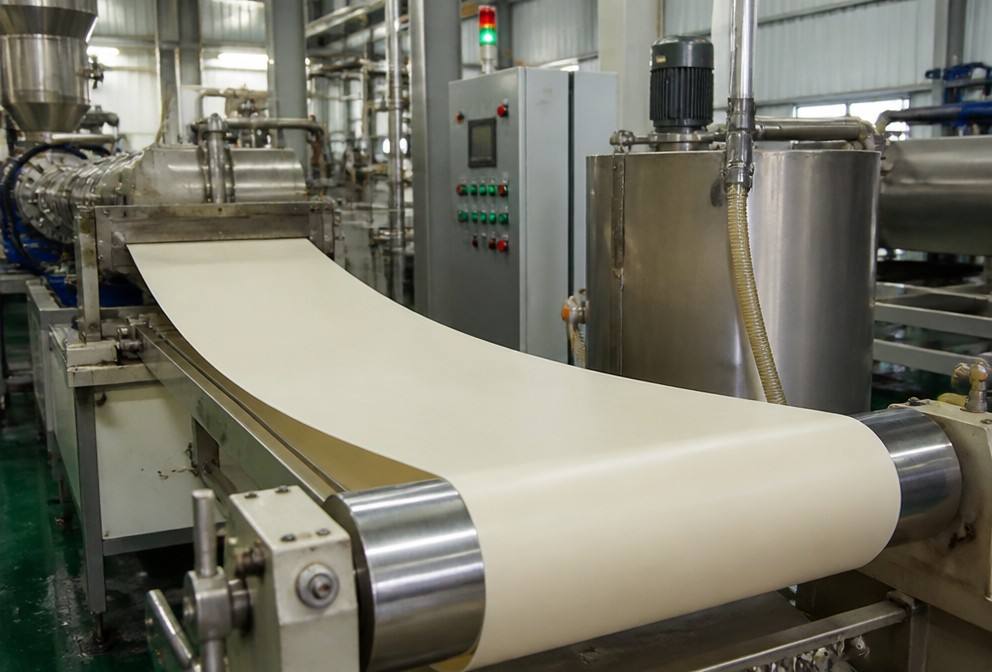
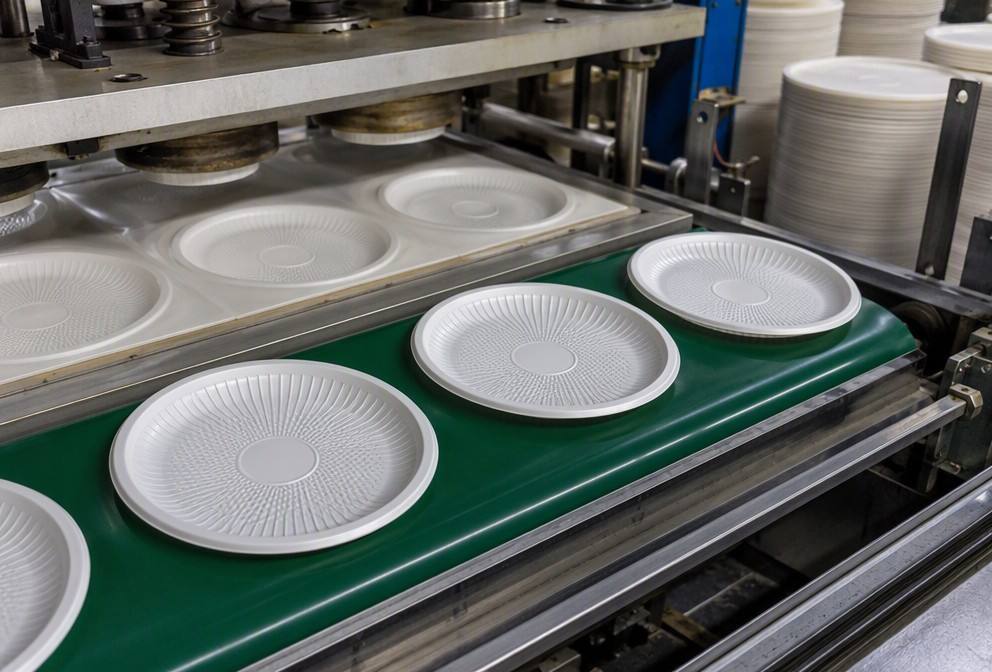
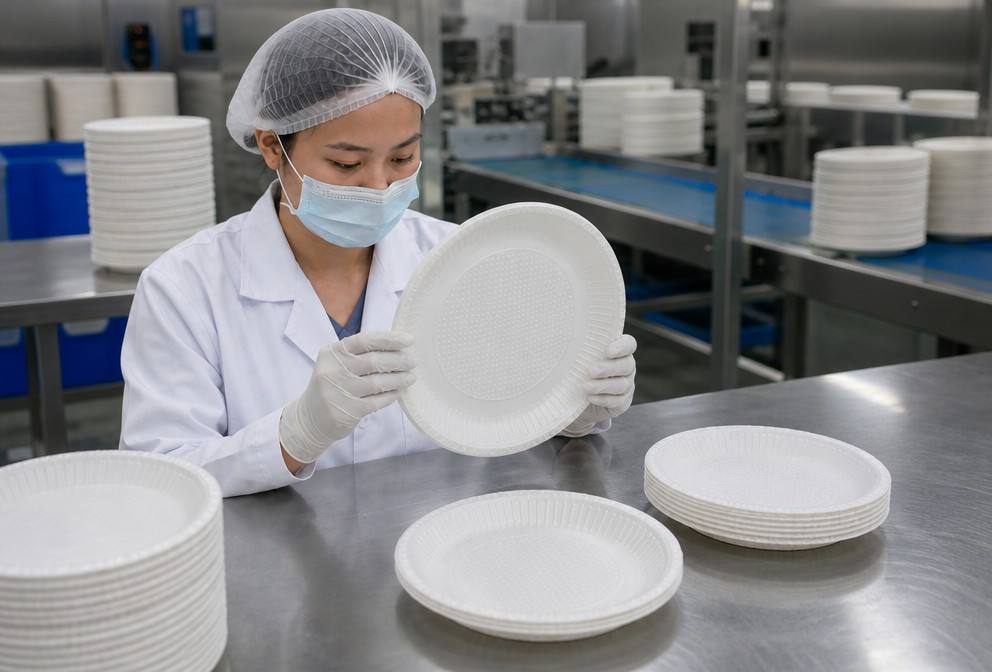
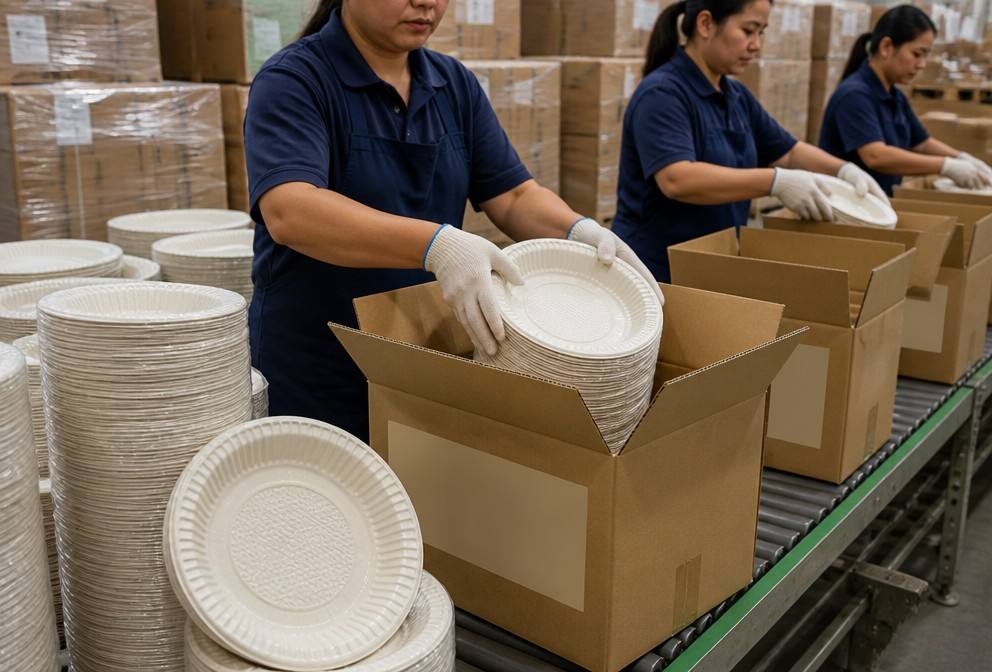
Selecting the right manufacturing partner is as important as selecting the right product. A reliable supplier helps ensure consistent quality, stable supply, customization support, and smooth international purchasing.
When evaluating suppliers, buyers should consider the following factors.
Choose a manufacturer with experience producing sustainable disposable tableware for international markets.
Experienced suppliers are generally better equipped to manage product consistency, customization requirements, and export procedures.
Evaluate whether the supplier can support your current and future purchasing requirements.
Consider:
Stable production helps reduce supply interruptions.
Reliable manufacturers should implement quality control throughout production.
Typical inspections include:
A standardized quality system helps maintain consistent product performance.
Many brands require customized sustainable tableware solutions.
Evaluate whether the manufacturer can support:
Strong customization capability helps brands create differentiated packaging solutions.
Before purchasing, confirm whether the supplier can provide:
Proper documentation helps reduce compliance risks in international markets.
Experienced exporters understand international packaging requirements, logistics coordination, and communication processes.
Important considerations include:
Reliable communication helps ensure smoother long-term cooperation.
Before placing an order for Cornstarch Plates, buyers should review the following checklist to ensure the selected products meet both commercial and technical requirements.
□ Plate Size & Shape
□ Material Specification
□ Thickness & Strength Requirements
□ Food Contact Compliance
□ Temperature Requirements
□ Grease & Moisture Resistance
□ Sustainability Requirements
□ Certification Requirements
□ Custom Logo & Packaging
□ Printing Requirements
□ OEM Requirements
□ MOQ
□ Production Lead Time
□ Packaging Specifications
□ Carton Marking
□ Shipping Method
□ Destination Market Regulations
□ Sample Approval
□ Factory Audit Requirements
□ Payment Terms
Completing this checklist before production helps reduce procurement risks and improves communication between buyers and suppliers.
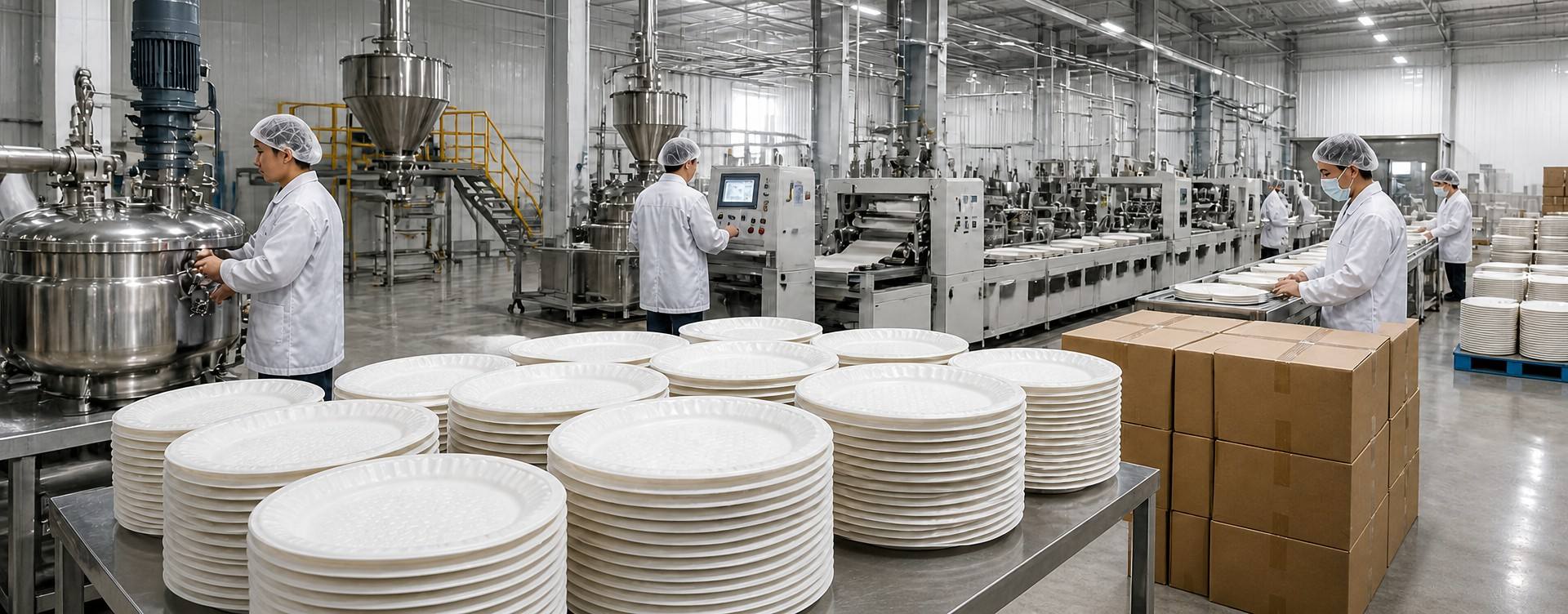
DAILYECO provides sustainable disposable tableware solutions for importers, distributors, foodservice companies, hospitality groups, and private-label brands.
As a manufacturing and supply chain partner, we focus on delivering stable quality, flexible customization, and reliable international supply for customers seeking long-term cooperation.
DAILYECO Manufacturing Facility | Description |
Employees | More than 1,000 employees |
Production Capability | 300 tons final products monthly |
Production Lines | Cornstarch-based material preparation and automated molding; exact equipment scope to be confirmed by product grade |
Monthly Supply Capacity | 30 containers x 40HQ containers |
Customization | OEM & ODM solutions available |
Product Development | Material, structure, and packaging optimization |
Quality Control | Raw material, production, and final inspection |
Technical Support | Available |
Production MOQ | Based on product specification and customization requirements |
Typical Lead Time | Approximately 30–35 days for customized orders |
DAILYECO supports customers with documentation according to destination market requirements.
Support may include:
View Our Compliance & Certification Support Page
DAILYECO provides customized Cornstarch Plates solutions, including:
DAILYECO supplies customers across North America, Europe, Australia, the Middle East, Asia, and other international markets.
With export experience and supply chain support, we help customers reduce sourcing risks and maintain stable product supply.
DAILYECO’s international team provides support throughout the project lifecycle.
Support includes:
DAILYECO continuously improves sustainable tableware solutions by developing new materials, product structures, and customization options to meet changing market requirements.
Customer Background
A growing restaurant chain operating more than 70 locations wanted to upgrade its disposable tableware portfolio by introducing more sustainable plate solutions.
The company was looking for Cornstarch Plates that could support daily foodservice operations while maintaining consistent product quality across all locations.
Challenge
Before working with DAILYECO, the customer purchased disposable plates from multiple suppliers with different specifications, resulting in:
DAILYECO Solution
After reviewing the customer’s menu structure, serving requirements, and purchasing data, DAILYECO recommended standardizing the product portfolio.
The solution included:
Results
After implementation:
Key Takeaways
Standardizing disposable tableware specifications can help businesses improve supply chain efficiency, reduce purchasing complexity, and achieve better long-term operational performance.
Customer Background
A food service distributor supplying restaurants, catering companies, and hospitality customers wanted to expand its sustainable disposable tableware range with reliable Cornstarch Plates solutions.
Challenge
The distributor previously managed multiple suppliers for sustainable packaging products, creating challenges including:
DAILYECO Solution
DAILYECO worked with the distributor to develop a standardized Cornstarch Plates product range.
The solution included:
Results
The distributor achieved:
Key Takeaways
For distributors, selecting a manufacturing partner with stable production capability and customization support can improve both product competitiveness and customer retention.
What are Cornstarch Plates made from?
Cornstarch Plates are made from corn-derived materials, such as corn starch polymers or other plant-based formulations.
Unlike conventional plastic plates made from fossil-based materials, they use renewable agricultural resources and are often selected by businesses looking for more sustainable disposable tableware solutions.
Are Cornstarch Plates biodegradable?
The biodegradability of Cornstarch Plates depends on the specific material formulation, certification standards, and disposal environment.
Some products are designed for industrial composting systems, while actual disposal performance depends on local waste management infrastructure and applicable regulations.
Are Cornstarch Plates compostable?
Some biodegradable cornstarch plates can be designed for compostable applications when they meet relevant certification requirements.
Businesses should evaluate local composting facilities and market regulations before selecting compostable tableware solutions.
What food applications are suitable for Cornstarch Plates?
Cornstarch disposable plates are commonly used for:
They are designed for short-term food serving applications rather than long-term food storage.
Can Cornstarch Plates be used for hot food?
Yes, Cornstarch Plates can be used for many hot food applications.
However, performance depends on material formulation, food temperature, exposure time, and product structure. Buyers should confirm specifications according to their intended application.
Are Cornstarch Plates better than plastic plates?
The answer depends on business priorities.
Cornstarch Plates provide stronger sustainability positioning because they are made from plant-based materials, while plastic plates may still be selected for applications where the lowest cost and specific plastic performance are the main considerations.
What is the difference between Cornstarch Plates and bagasse plates?
The main difference is material source.
Cornstarch plates are often selected for plant-based positioning and lightweight applications, while bagasse plates are commonly chosen for stronger molded fiber performance.
Are Cornstarch Plates microwave safe?
Microwave suitability depends on the specific material formulation and product design.
For applications involving reheating, buyers should confirm the manufacturer’s recommended usage conditions before selecting a product.
Are Cornstarch Plates oil resistant?
Many Cornstarch Plates are designed to handle common foodservice applications involving light to moderate grease exposure.
For oily foods, extended holding times, or heavy meals, buyers should evaluate product specifications before purchasing.
Do Cornstarch Plates have different sizes?
Yes.
Common sizes include:
Different sizes are used for different applications, including desserts, snacks, meals, catering, and takeaway food.
Are Cornstarch Plates food safe?
Yes.
DAILYECO supports food-contact documentation according to customer requirements and destination market regulations.
Food-contact compliance should always be evaluated according to the applicable standards of the target market.
Can Cornstarch Plates replace all disposable plates?
Not necessarily.
Although Cornstarch Plates are suitable for many foodservice applications, other materials may be more appropriate for specific requirements.
For example:
The right choice depends on application needs and business objectives.
Are Cornstarch Plates suitable for restaurants and catering companies?
Yes.
Restaurants, catering companies, hotels, and event operators commonly use plant-based disposable plates to support food presentation while improving sustainability positioning.
How should businesses choose the right sustainable plate material?
Businesses should evaluate:
Selecting the right material requires balancing performance and sustainability rather than focusing on a single factor.
Sourcing Cornstarch Plates requires more than comparing prices. Successful purchasing decisions need to balance material performance, food application requirements, sustainability objectives, regulatory compliance, supply stability, and total procurement value.
Based on our experience supporting importers, distributors, foodservice companies, and private-label brands worldwide, the following insights highlight common sourcing mistakes and how to avoid them.
Why It Matters
A quotation for “Cornstarch Plates” does not always represent the same product. Differences in material formulation, plate thickness, size, packaging, and quality standards can affect product performance and cost.
DAILYECO Expert Advice
Request detailed product specifications before comparing supplier quotations.
Best Practice
Compare suppliers based on:
Why It Matters
Different plant-based materials provide different performance characteristics. A material that is suitable for one application may not be ideal for another.
DAILYECO Expert Advice
Select materials according to food type, usage environment, and market requirements rather than sustainability claims alone.
Best Practice
Evaluate:
Why It Matters
Desserts, snacks, meals, and catering foods have different requirements for strength, moisture resistance, and plate size.
DAILYECO Expert Advice
Choose plate specifications based on actual serving scenarios.
Best Practice
Confirm:
Why It Matters
Too many plate sizes increase inventory complexity, while unsuitable sizes may affect food presentation and customer experience.
DAILYECO Expert Advice
Develop a standardized size strategy based on your main applications.
Best Practice
Evaluate:
Why It Matters
Different markets have different requirements for biodegradable, compostable, and food-contact packaging.
DAILYECO Expert Advice
Review destination market requirements before selecting products.
Best Practice
Consider:
Why It Matters
The lowest purchase price does not always create the lowest overall cost. Product consistency, logistics efficiency, and supply reliability also influence total procurement value.
DAILYECO Expert Advice
Evaluate suppliers based on Total Cost of Ownership (TCO).
Best Practice
Consider:
Why It Matters
Excessive SKUs increase inventory pressure and make purchasing management more complicated.
DAILYECO Expert Advice
Create a practical product portfolio covering the majority of applications.
Best Practice
Many foodservice businesses can operate efficiently with:
This reduces inventory complexity while maintaining application flexibility.
Why It Matters
For retail and private-label brands, packaging is an important part of product presentation and customer recognition.
DAILYECO Expert Advice
Consider packaging design as part of the product development process.
Best Practice
Confirm:
Why It Matters
A reliable manufacturer provides more than products. Technical recommendations, customization support, and supply planning become increasingly important as businesses grow.
DAILYECO Expert Advice
Evaluate manufacturers based on long-term cooperation capability.
Best Practice
Assess:
Why It Matters
Experienced manufacturers can often identify opportunities to improve product selection, reduce costs, and avoid potential production issues.
DAILYECO Expert Advice
Work with manufacturers as technical partners rather than only quotation providers.
Best Practice
Ask suppliers for recommendations regarding:
Early technical communication often helps reduce purchasing risks and improve long-term project performance.
Successful Cornstarch Plates sourcing depends on informed decisions rather than selecting the lowest quotation.
By evaluating material performance, application requirements, compliance needs, customization capability, and supplier reliability, buyers can reduce procurement risks and build more stable long-term supply partnerships.
At DAILYECO, we believe our role extends beyond manufacturing. We help customers make better packaging decisions through technical guidance, transparent communication, and reliable sustainable tableware solutions.
Lillian Guo
Food Packaging Compliance Manager
10+ Years of Experience
Specialized in: