| Item | Information |
| Product Name | Paper Food Bowl |
| Material | Food-grade kraft paperboard with PE lining in the supplied catalogue |
| Product Types | Round paper bowl, paper soup bowl, square paper bowl and compatible lid systems |
| Catalogue Capacity Range | 240 ml to 1500 ml |
| Applications | Soup, salad, rice, noodles, pasta, snacks, desserts, takeaway meals and food delivery |
| Food Types | Hot, warm, chilled and dry foods, subject to specification and use-condition testing |
| Catalogue Paperboard | 280–370 gsm walls; 210–250 gsm bottoms; catalogue references 18 gsm PE |
| Available Shapes | Round and square |
| Customization | Logo, full-surface artwork, QR code, private-label packs and cartons subject to project confirmation |
| Printing | CMYK and Pantone color options subject to artwork, print-process and production approval |
| Compatible Lids | Paper, PP, OPS and anti-fog PET lid options by bowl diameter or format |
| Supply Type | Manufacturer and supply-chain partner |
| Export Support | Product documentation and logistics support according to destination-market requirements |
Paper food bowls are formed paperboard containers designed for serving, takeaway and delivery of prepared foods. The attached product catalogue covers kraft paper bowls for meals, paper soup bowls, square paper bowls and matched lid systems for salads, rice, noodles, pasta, snacks, desserts and hot or chilled dishes.
For B2B buyers, selecting a paper food bowl starts with the menu and service process. Rim diameter, bowl depth, paperboard grammage, barrier material, lid fit, fill temperature, holding time and delivery route define the functional specification; printing, packing, MOQ and lead time define the commercial program.
DAILYECO supports importers, distributors, foodservice groups and packaging brands that need coordinated paper food bowls with lids rather than isolated SKUs. Final dimensions, lid compatibility, use conditions, artwork, performance claims and documentation should be approved before mass production.
Paper food bowls are formed paperboard food containers produced for single-use serving, takeaway and delivery. Depending on size and geometry, they can hold soup, salad, rice, noodles, pasta, snacks, desserts or complete meals. Optional customization may include logo printing, full artwork, QR codes, private-label packs and coordinated cartons.
The supplied catalogue uses kraft paperboard with PE lining. The paperboard provides stiffness and a printable surface, while the lining acts as a functional barrier. Printed side-wall blanks are formed, the side seam and bottom are sealed, the rim is rolled, and the geometry is controlled so the assigned lid can engage securely.
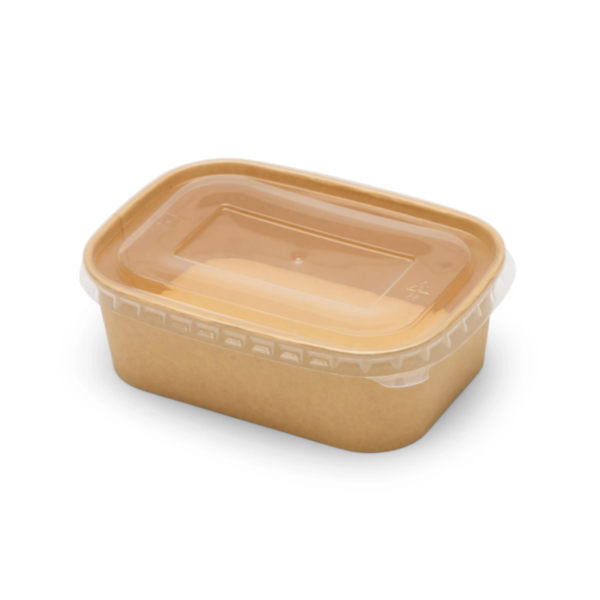
Paper salad bowls and round meal bowls are commonly selected for salads, rice, noodles and mixed meals. Paper soup bowls use deeper profiles for soup, chili and hot side dishes. Square paper bowls provide a broad presentation area for prepared-food retail and takeaway programs.
Search terms such as cardboard bowls and paper bowl container often refer to the same general product family, but buyers should rely on the technical specification rather than the search label. Material construction, dimensions, coating, sealing and lid compatibility determine whether a bowl is suitable for a specific food and service process.
For commercial sourcing, paper food bowls with lids should be evaluated as one packaging system. Bowl and lid compatibility, portion control, stacking, transport, packing and any print orientation should be approved together; nominal diameter alone does not guarantee fit.
| Feature | Performance Role | Buyer Explanation |
| Paperboard construction | Structural support | Grammage and fiber quality affect rigidity, forming and stack performance. |
| Barrier lining | Grease and moisture resistance | The catalogue references PE lining; alternative barriers require project-specific confirmation. |
| Rolled rim | Lid engagement and handling | Rim consistency is critical for dependable bowl-and-lid fit. |
| Bottom and side sealing | Leak resistance | Seal quality must be tested with the intended food, temperature and holding time. |
| Multiple capacities | Menu coverage | The catalogue spans 240–1500 ml for sides, soups, meals and larger servings. |
| Round and square formats | Presentation flexibility | Shape influences filling, stacking, display and lid choice. |
| Custom printing | Brand communication | Logos, campaign graphics, QR codes and private-label artwork can be developed subject to print review. |
| Color and proof control | Repeatable visual identity | Pantone or CMYK targets, dielines and approved proofs establish the production reference. |
| Matched lid systems | Takeaway and delivery support | Paper, PP, OPS and PET options are assigned by product family and rim size. |
| Nested storage | Operational efficiency | Empty bowls can be stacked for counter, warehouse and transport efficiency. |
| Specification traceability | Procurement control | Approved samples, drawings and pack data help keep repeat orders consistent. |

Growth in takeaway meals, delivery platforms, prepared-food counters and multi-site foodservice has increased demand for disposable paper food bowls. Buyers want a coordinated packaging family that covers soups, salads, rice dishes, noodles, snacks and desserts while maintaining one recognizable brand system.
Paper food bowls with lids help operators standardize portion sizes, protect prepared meals during handling and support takeaway or delivery. A planned range of diameters and capacities can reduce lid SKUs, simplify staff training and support more predictable inventory control.
Natural kraft appearance gives kraft paper food bowls a familiar foodservice presentation, while the printable wall can carry menu information, handling instructions, branding and QR codes when required. The bowl remains first and foremost a functional food container.
Environmental expectations are another purchasing driver, but terminology must remain accurate. Claims involving compostable paper bowls, biodegradable paper bowls or recyclable paper bowls depend on the complete material structure, relevant certification, local collection systems and the actual end-of-life route. Buyers should verify evidence before publishing a claim.
The market is moving toward branded packaging systems rather than isolated containers. For distributors and multi-site operators, reliable bowl-and-lid compatibility, repeatable specifications, print consistency, seasonal artwork control and supply planning are becoming as important as the bowl itself.

Commercial demand comes from quick-service restaurants, meal-prep brands, supermarkets, catering companies, hotels, transport hubs, distributors and online packaging sellers. Their shared requirement is a dependable paper food bowl system that performs consistently from the filling line or service counter to the customer.
Capacity naming varies by market. Some buyers source in ounces, others in milliliters or cubic centimeters. The catalogue therefore needs dimensional drawings and lid references in addition to nominal capacity so local product listings remain accurate.
Printed paper food bowls can reinforce a brand at the point of consumption. Buyers commonly use controlled color, repeatable logo placement, ingredient or disposal guidance, promotional codes and coordinated lid or carton graphics, while custom paper food bowls may support broader private-label programs.
Artwork should be evaluated against the tapered bowl geometry. Critical logos should remain inside the safe print area, small text should be checked at production scale, and color expectations should be approved through a defined proofing process.
| Region / Buyer Group | Typical Focus |
| North America | Portion sizes, delivery performance, food-contact support, retail and distributor pack formats |
| Europe | Barrier-material disclosure, plastic-reduction strategy, claim substantiation and local waste pathways |
| Australia & New Zealand | Takeaway applications, compostability or recyclability evidence where claimed, practical heat testing |
| Middle East | Hospitality presentation, warm-weather logistics, stable supply and printed brand programs |
| Asia | Cost efficiency, flexible capacity range, production consistency and fast-moving takeaway menus |
Buyers should define the food, temperature, hold time, fill method, lid style, stacking condition and transport route before requesting a price. These details allow the supplier to recommend the correct paperboard, lining, geometry and packaging configuration.
A lower unit price may not produce the lowest operating cost if it creates extra lid SKUs, poor carton utilization, slow counter handling or inconsistent repeat orders. The most useful quotation compares equivalent specifications and includes the full bowl-and-lid system.
Every material offers different advantages. Selection should follow the intended food, use condition, market requirements and verified end-of-life pathway.
Choose PE-Coated Kraft Paper Bowls If You:
Choose PLA-Coated Paper Bowls If You:
Choose Water-Based Barrier Paper Bowls If You:
Choose Bagasse Bowls If You:
Choose Plastic Bowls If You:
| Market / Program | Starting Material Route | Primary Purchasing Considerations |
| General takeaway and delivery | Catalogue PE-lined kraft paper bowl | Food temperature, hold time, seal quality, lid fit and cost |
| Industrial composting program | PLA-coated or certified compostable system | Complete-product certification, collection and facility access |
| Fiber-recovery program | Verified water-based barrier or accepted paper structure | Local mill acceptance, residue and coating disclosure |
| Premium prepared-food retail | Printed paperboard bowl with clear or paper lid | Shelf presentation, anti-fog need, print quality and closure |
| Institutional foodservice | Standardized round or soup bowl range | Portion control, inventory simplification and repeat supply |
| Eco-focused brand | Evidence-led material selection | Avoiding unsupported eco-friendly paper bowls claims |
Do not select a bowl based on a single environmental word. Compare functional performance, documentation, local infrastructure, regulatory obligations and total procurement cost together.
The supplied product catalogue provides a coordinated technical base for paper food bowls in round meal, soup and square food formats with compatible lids. Buyers can build a practical portfolio covering small sides, individual meals, large servings and delivery applications.
| Pictures | Name | Size | Material and Weight | Pcs/Bag | Bags/CTN | Pcs/CTN | Carton L (cm) | Carton W (cm) | Carton H (cm) |
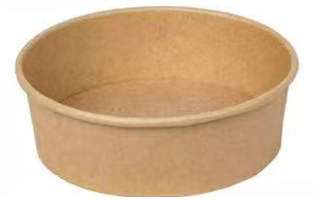 | 17oz/500ml Bowl with PE Lined | 150*47*128 | Wall 280gsm Kraft Paper/Bottom 210gsm Kraft Paper+18gsm PE | 50 | 6 | 300 | 45 | 30 | 38 |
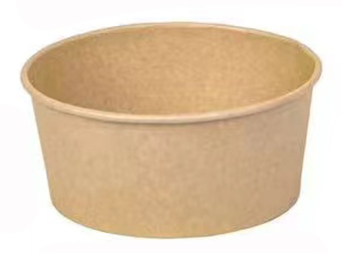 | 25oz/750ml Bowl with PE Lined | 150*60*128 | Wall 280gsm Kraft Paper/Bottom 210gsm Kraft Paper+18gsm PE | 50 | 6 | 300 | 45 | 30 | 39 |
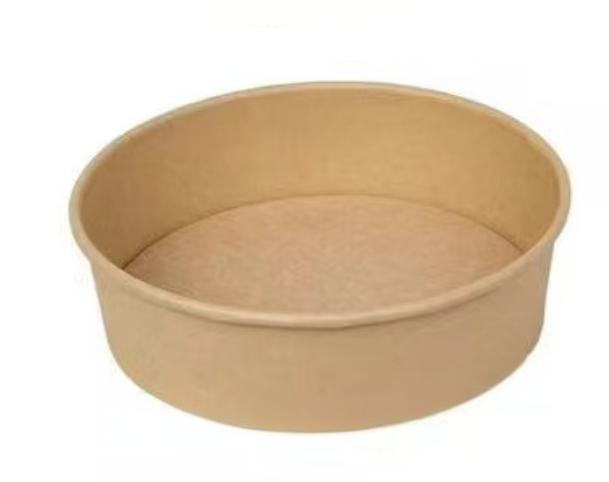 | 30oz/900ml Bowl with PE Lined | 180*50*160 | Wall 280gsm Kraft Paper/Bottom 210gsm Kraft Paper+18gsm PE | 50 | 6 | 300 | 55 | 37.2 | 38.5 |
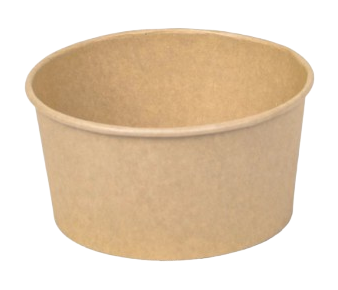 | 34oz/1000ml Bowl with PE Lined | 150*75*128 | Wall 280gsm Kraft Paper/Bottom 210gsm Kraft Paper+18gsm PE | 50 | 6 | 300 | 50.5 | 34 | 41.5 |
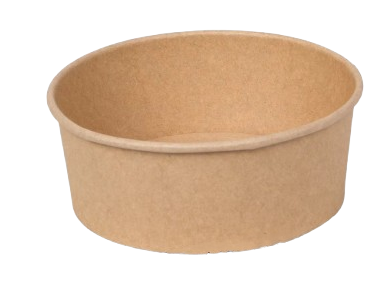 | 37oz/1100ml Bowl with PE Lined | 165*65*144 | Wall 280gsm Kraft Paper/Bottom 210gsm Kraft Paper+18gsm PE | 50 | 6 | 300 | 52 | 35.5 | 44 |
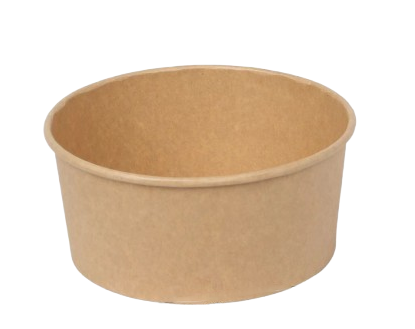 | 44oz/1300ml Bowl with PE Lined | 165*75*144 | Wall 280gsm Kraft Paper/Bottom 210gsm Kraft Paper+18gsm PE | 50 | 6 | 300 | 50.5 | 34 | 41 |
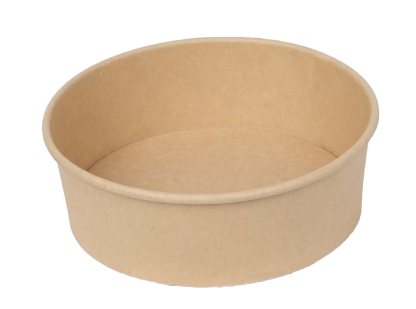 | 50oz/1450ml Bowl With PE Lined | 180*60*160 | Wall 300gsm Kraft Paper/Bottom 210gsm Kraft Paper+18gsm PE | 50 | 6 | 300 | 42 | 27.5 | 44 |
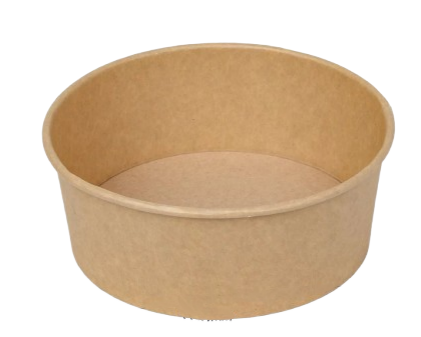 | 50oz/1500ml Bowl with PE Lined | 185*70*160 | Wall 300gsm Kraft Paper/Bottom 210gsm Kraft Paper+18gsm PE | 50 | 6 | 300 | 51 | 26 | 35 |
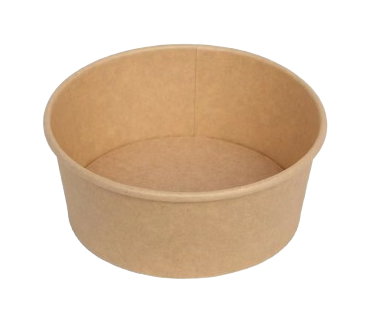 | 18oz/530ml Bowl with PE Lined | 135*55*114 | Wall 300gsm Kraft Paper/Bottom 210gsm Kraft Paper+18gsm PE | 50 | 6 | 300 | 41.7 | 28.2 | 40.7 |
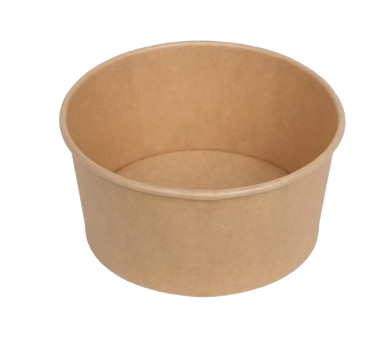 | 21oz/630ml Bowl with PE Lined | 135*65*114 | Wall 280gsm Kraft Paper/Bottom 210gsm Kraft Paper+18gsm PE | 50 | 6 | 300 | 40.3 | 27.2 | 42 |
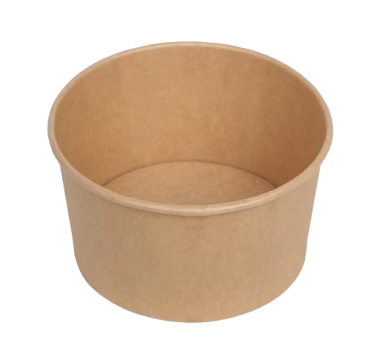 | 25oz/730ml Bowl with PE Lined | 135*75*114 | Wall 280gsm Kraft Paper/Bottom 210gsm Kraft Paper+18gsm PE | 50 | 6 | 300 | 41 | 27.5 | 41 |
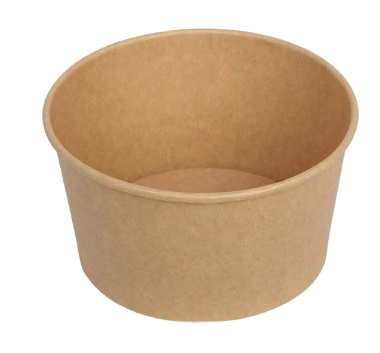 | 50oz/1480ml Bowl with PE Lined | 165*88*131 | Wall 300gsm Kraft Paper/Bottom 210gsm Kraft Paper+18gsm PE | 50 | 6 | 300 | 49.5 | 33.5 | 49.3 |
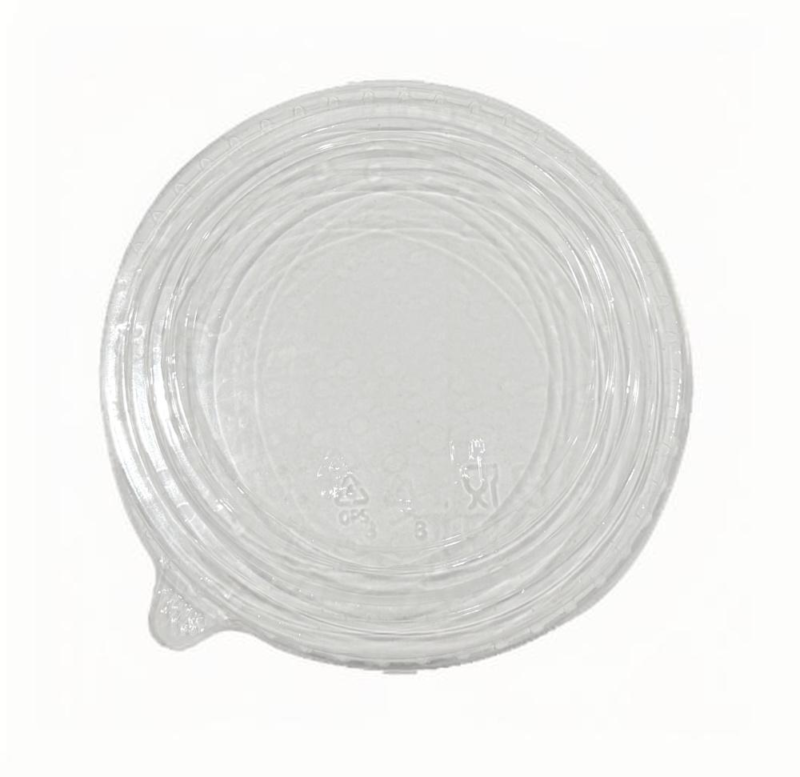 | D135 PP Lid | Lid for 530/630/730 Bowl | 4.8g | 50 | 6 | 300 | 42 | 33 | 28.5 |
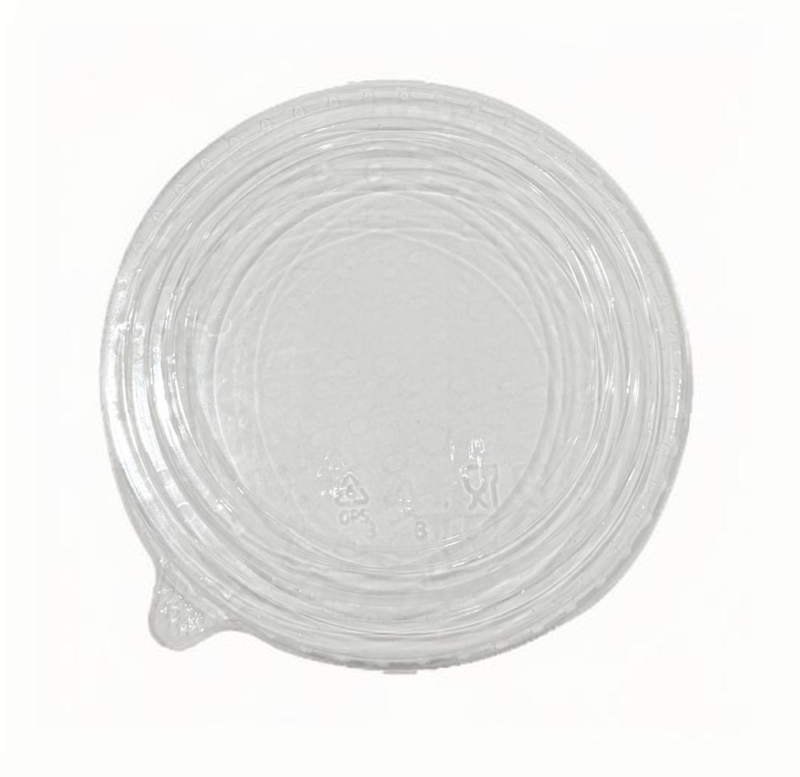 | D150 OPS Lid | Lid for 500/750/1000 Bowl | 3.6g | 50 | 6 | 300 | 38 | 16 | 32 |
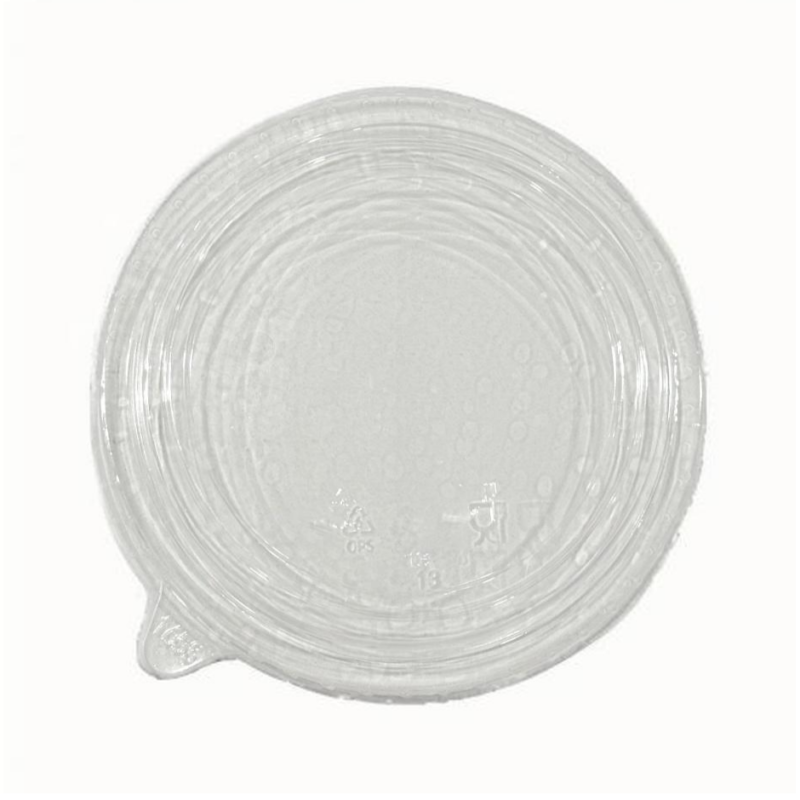 | D165 OPS Lid | Lid for 1100/1300/1480 Bowl | 4.5g | 50 | 6 | 300 | 47 | 33.5 | 18 |
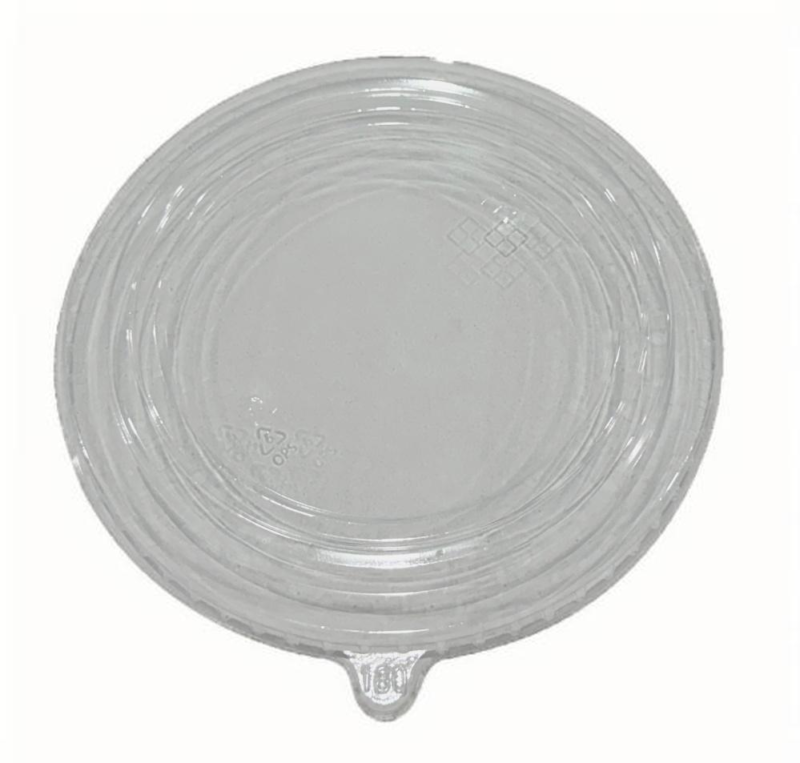 | D180 OPS Lid | Lid for 900/1450 Bowl | 5.5g | 50 | 6 | 300 | 40 | 19 | 37 |
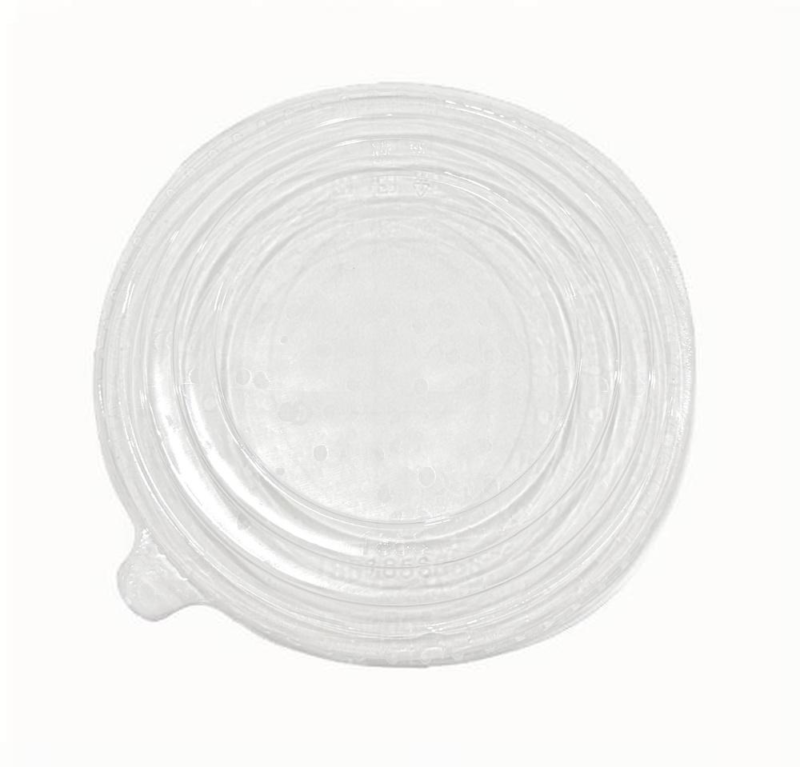 | D185 OPS Lid | Lid for 1500 Bowl | 5.4g | 50 | 6 | 300 | 41 | 19 | 39 |
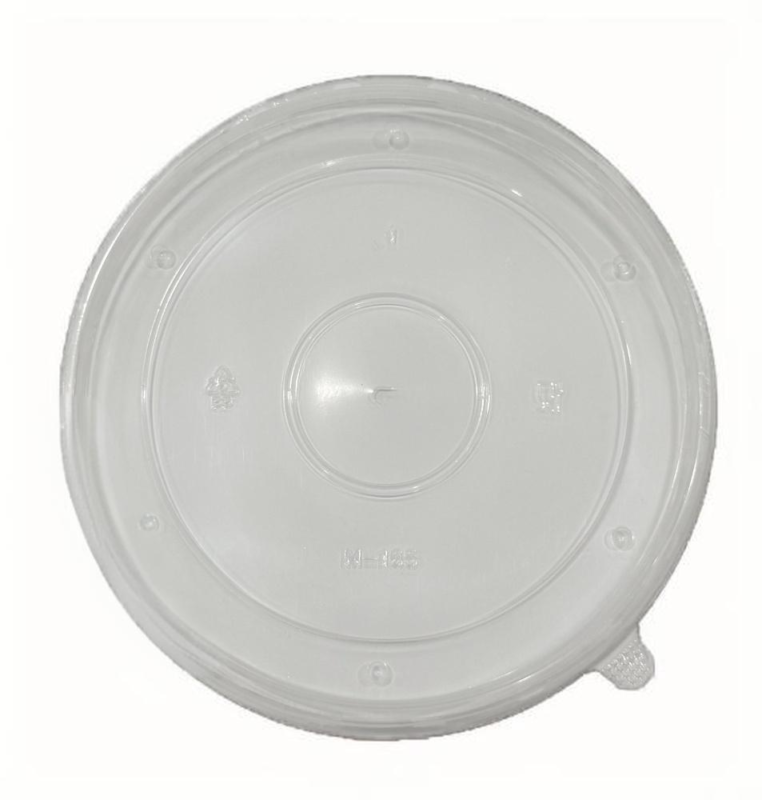 | D150PP Lid (Tall Lid) | Lid for 500/750/1000 Bowl | 5.5g | 50 | 6 | 300 | 48 | 31 | 31.5 |
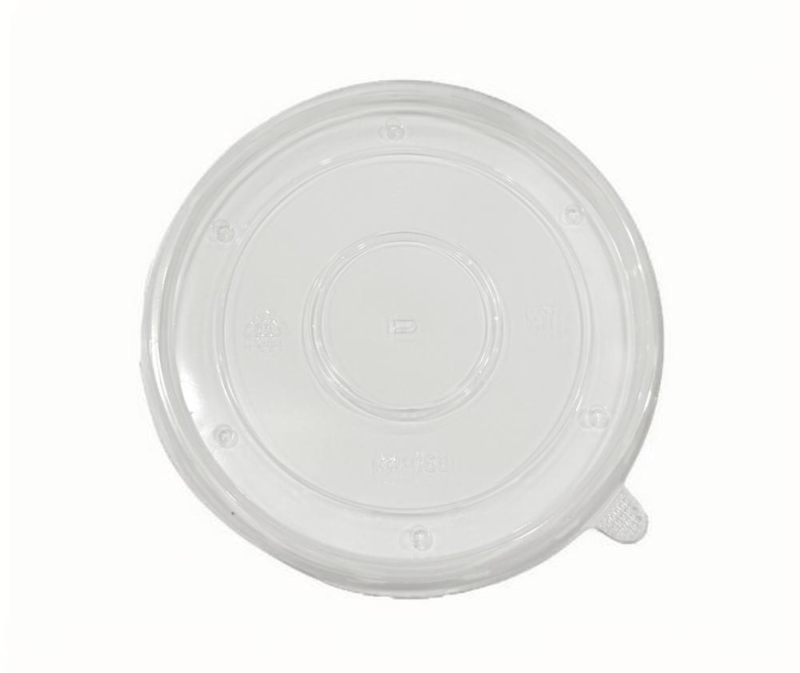 | D150 PP Lid (Standard Lid) | Lid for 500/750/1000 Bowl | 5.6g | 50 | 6 | 300 | 48 | 33 | 31.5 |
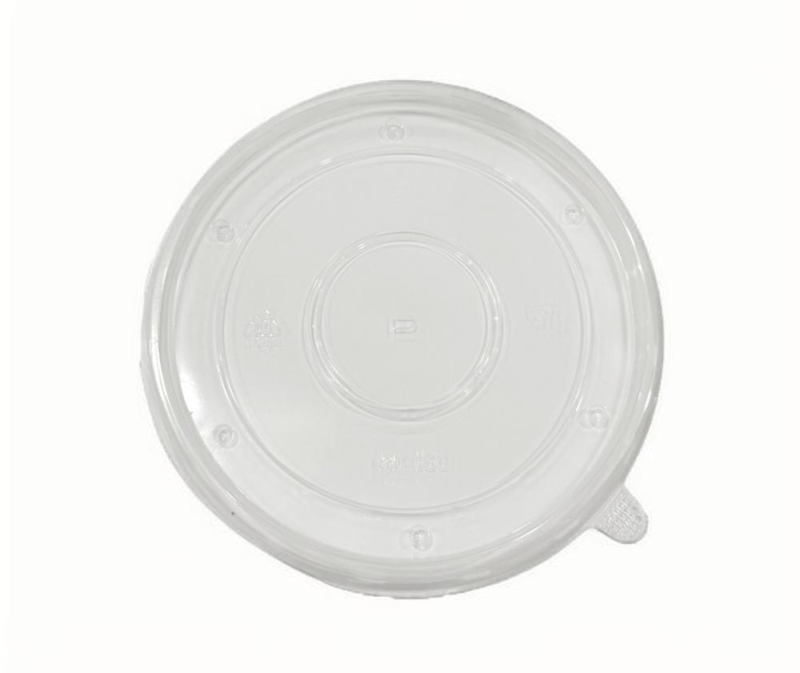 | D165 PP Lid (Tall Lid) | Lid for 1100/1300/1480 Bowl | 6.6g | 50 | 6 | 300 | 51.5 | 31 | 35 |
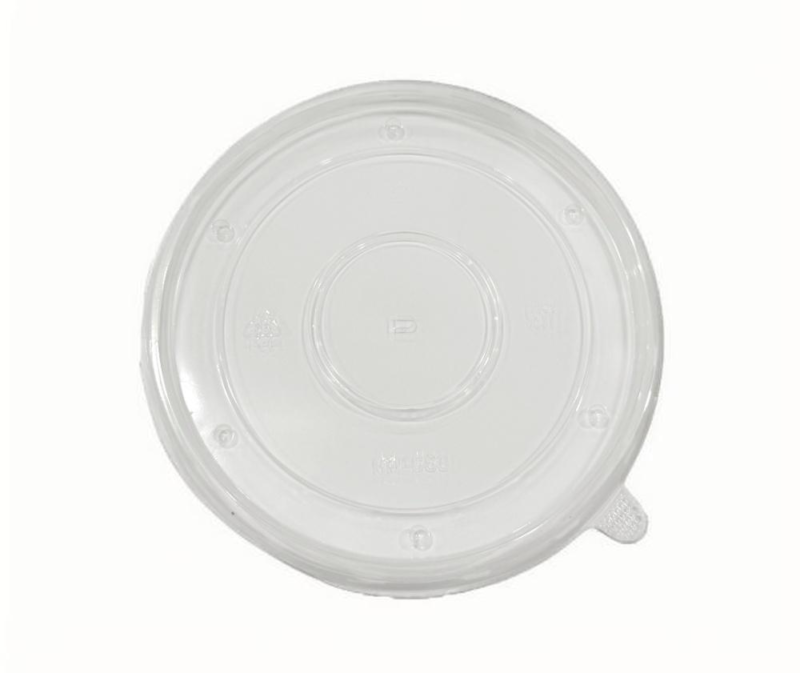 | D165 PP Lid (Standard Lid) | Lid 1100/1300/1480 Bowl | 6.5g | 50 | 6 | 300 | 51.5 | 33 | 35.5 |
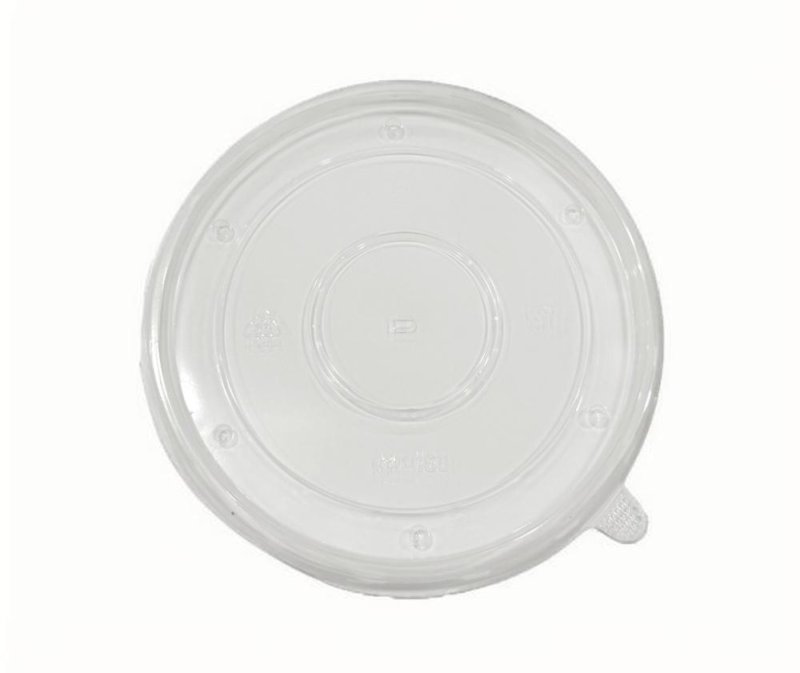 | D180 PP Lid (Standard Lid) | Lid for 900/1450 Bowl | 7.6g | 50 | 6 | 300 | 58 | 30 | 38 |
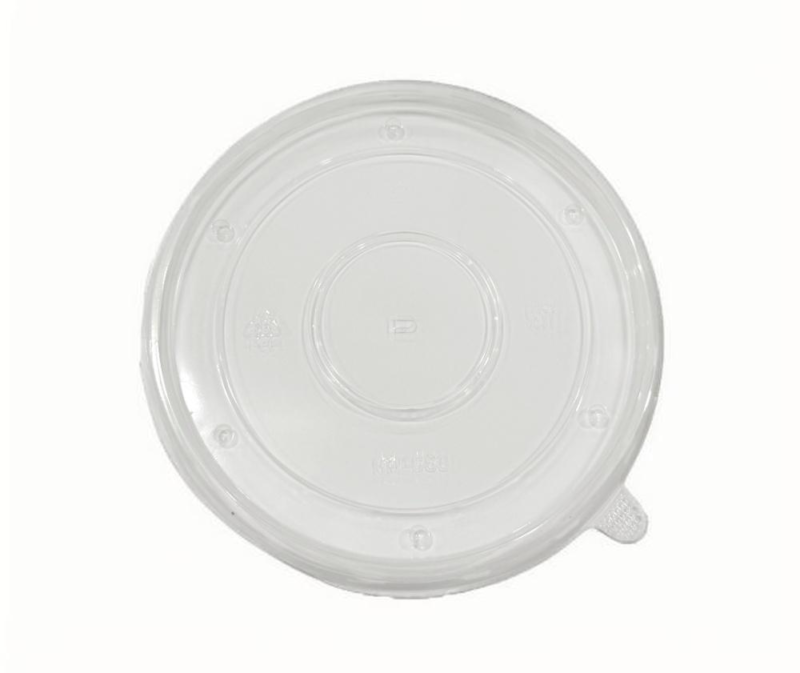 | D185 PP Lid (Standard Lid) | Lid for 1500 Bowl | 8.3g | 50 | 6 | 300 | 58 | 30 | 38 |
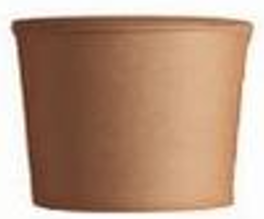 | 8oz/240ml Soup Bowl with PE Lined | 90*72*60 | Wall 300gsm Kraft Paper/Bottom 210gsm Kraft Paper+18gsm PE | 25 | 20 | 500 | 45.5 | 19 | 60.5 |
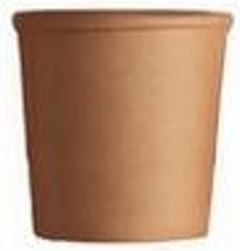 | 12oz/360ml Soup Bowl with PE Lined | 90*72*88 | Wall 300gsm Kraft Paper/Bottom 210gsm Kraft Paper+18gsm PE | 25 | 20 | 500 | 45.5 | 20 | 61.5 |
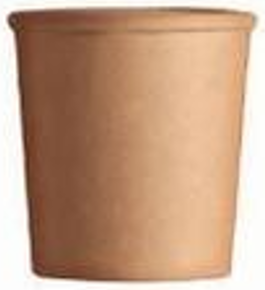 | 16oz/480ml Soup Bowl with PE Lined | 97*72*100 | Wall 300gsm Kraft Paper/Bottom 210gsm Kraft Paper+18gsm PE | 25 | 20 | 500 | 49.5 | 21 | 63 |
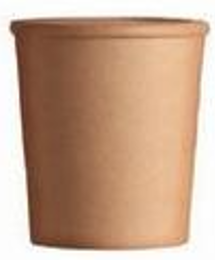 | 26oz/760ml Soup Bowl with PE Lined | 115*90*110 | Wall 300gsm Kraft Paper/Bottom 210gsm Kraft Paper+18gsm PE | 25 | 20 | 500 | 58 | 23 | 61.5 |
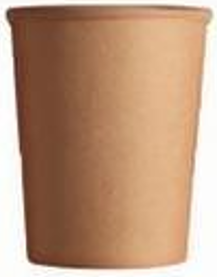 | 32oz/950ml Soup Bowl with PE Lined | 116*89*134 | Wall 300gsm Kraft Paper/Bottom 210gsm Kraft Paper18gsm PE | 25 | 20 | 500 | 60 | 48 | 46 |
 | 8oz/12oz Kraft Paper Lid With PE Lined | D90 | 250gsm Kraft Paper +18gsm PE | 25 | 20 | 500 | 50 | 33 | 38.5 |
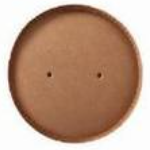 | 16oz Kraft Paper Lid with PE Lined | D97 | 250gsm Kraft Paper +18gsm PE | 25 | 20 | 500 | 50 | 33 | 38.5 |
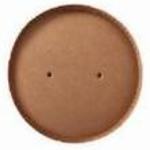 | 26oz Kraft Paper Lid with PE Lined | D115 | 250gsm Kraft Paper +18gsm PE | 25 | 20 | 500 | 53 | 43 | 34 |
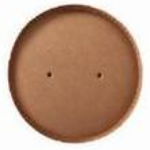 | 32oz Kraft Paper Lid with PE Lined | D116 | 250gsm Kraft Paper +18gsm PE | 25 | 20 | 500 | 61 | 50 | 34 |
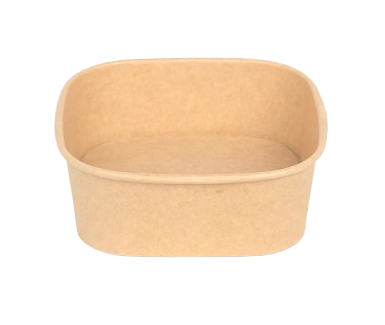 | 16oz/500ml Square Bowl with PE Lined | 130*130*49 114*114 | Wall 300gsm Kraft Paper/Bottom 210gsm Kraft Paper18gsm PE | 50 | 6 | 300 | 42 | 27.5 | 44 |
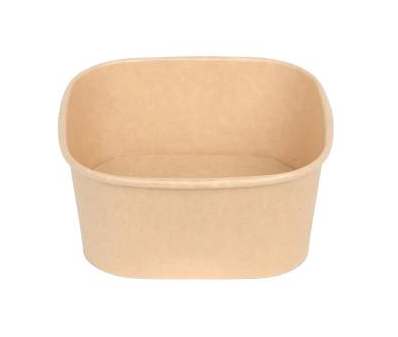 | 22oz/650ml Square Bowl with PE Lined | 130*130*59 112*112 | Wall 300gsm Kraft Paper/Bottom 210gsm Kraft Paper18gsm PE | 50 | 6 | 300 | 42 | 27.5 | 45 |
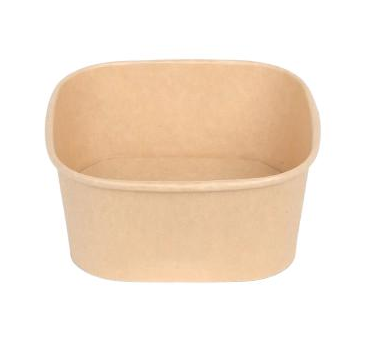 | 24oz/700ml Square Bowl with PE Lined | 151*151*45 130*130 | Wall 320gsm Kraft Paper/Bottom 250gsm Kraft Paper18gsm PE | 50 | 6 | 300 | 47.5 | 32.5 | 42.5 |
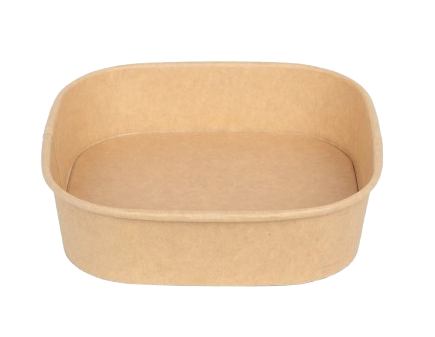 | 25oz/750ml Square Bowl with PE Lined | 170*170*45 153*153 | Wall 320gsm Kraft Paper/Bottom 250gsm Kraft Paper18gsm PE | 50 | 6 | 300 | 52 | 35.5 | 44 |
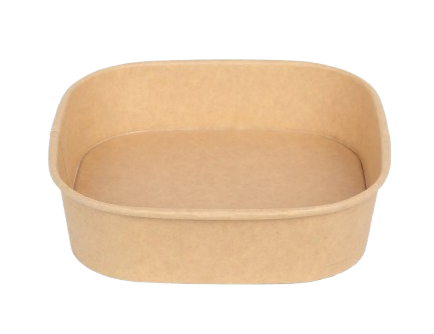 | 29oz/850ml Square Bowl with PE Lined | 151*151*55* 130*130 | Wall 320gsm Kraft Paper/Bottom 250gsm Kraft Paper18gsm PE | 50 | 6 | 300 | 47.5 | 32.5 | 42.5 |
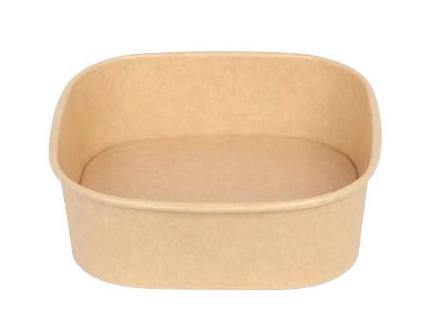 | 33oz/1000ml Square Bowl with PE Lined | 170*170*56 152*152 | Wall 320gsm Kraft Paper/Bottom 250gsm Kraft Paper18gsm PE | 50 | 6 | 300 | 52 | 35.5 | 44 |
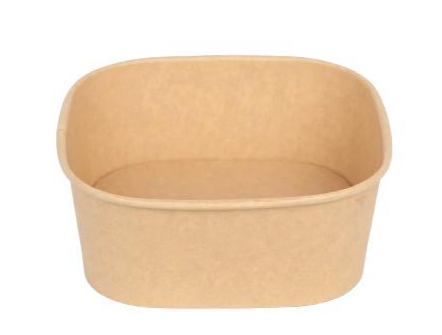 | 37oz/1100ml Square Bowl with PE Lined | 151*151*65 130*130 | Wall 320gsm Kraft Paper/Bottom 250gsm Kraft Paper18gsm PE | 50 | 6 | 300 | 47.5 | 32.5 | 43.5 |
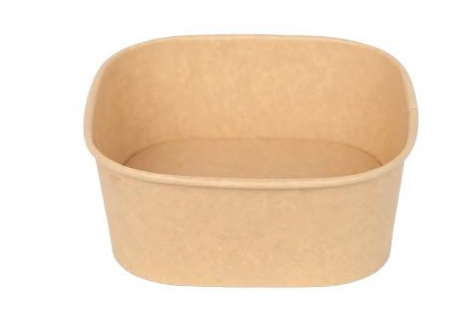 | 40oz/1200ml Square Bowl with PE Lined | 170*170*68 149*149 | Wall 320gsm Kraft Paper/Bottom 250gsm Kraft Paper18gsm PE | 50 | 6 | 300 | 52 | 35.5 | 45.5 |
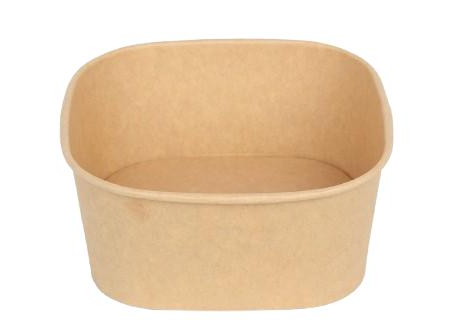 | 48oz/1400ml Square Bowl with PE Lined | 170*170*76 147*147 | Wall 320gsm Kraft Paper/Bottom 250gsm Kraft Paper18gsm PE | 50 | 6 | 300 | 52 | 35.5 | 46 |
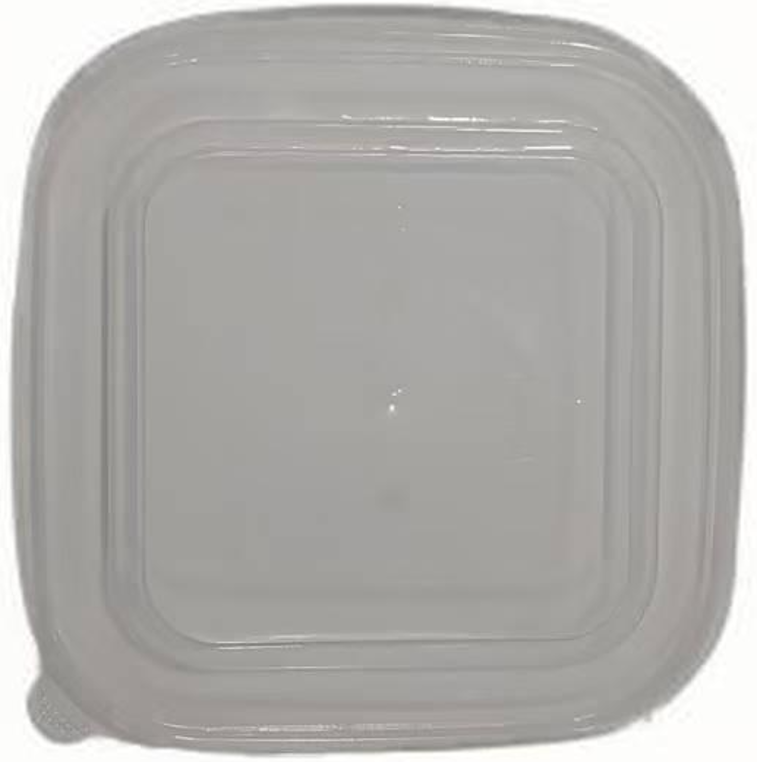 | D130 PP Square Bowl Lid | Square Bowl Lid for 500/650 | 6.3g | 50 | 6 | 300 | 42 | 33 | 28 |
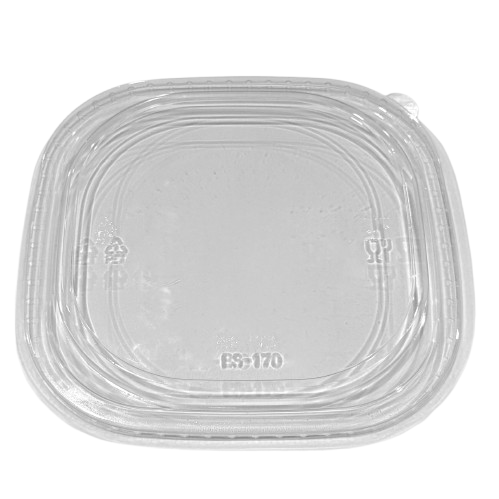 | D130 Anti-Fog PET Square Bowl Lid | Square Bowl Lid for 500/650 | 6.3g | 50 | 6 | 300 | 40 | 27 | 28 |
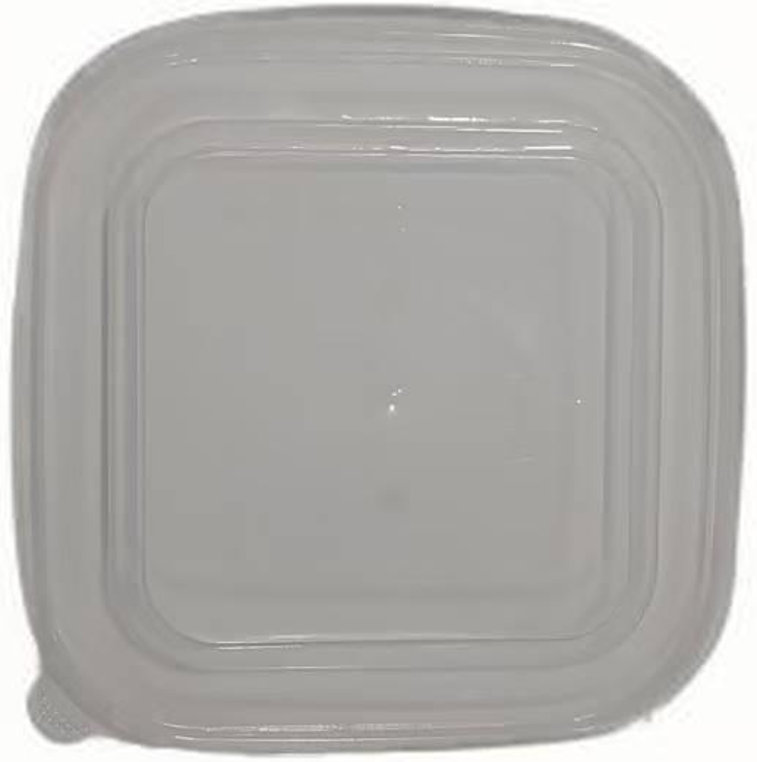 | D151 PP Square Bowl Lid | Square Bowl Lid for 700/850/1100 | 9g | 50 | 6 | 300 | 52 | 35 | 35 |
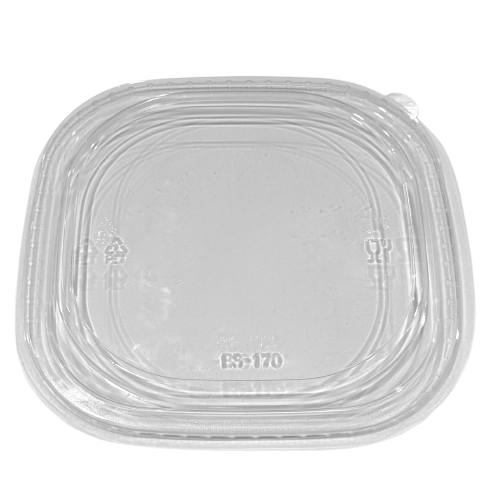 | D151 Anti-Fog PET Square Bowl Lid | Square Bowl Lid for 700/850/1100 | 8.5g | 50 | 6 | 300 | 50 | 26 | 35 |
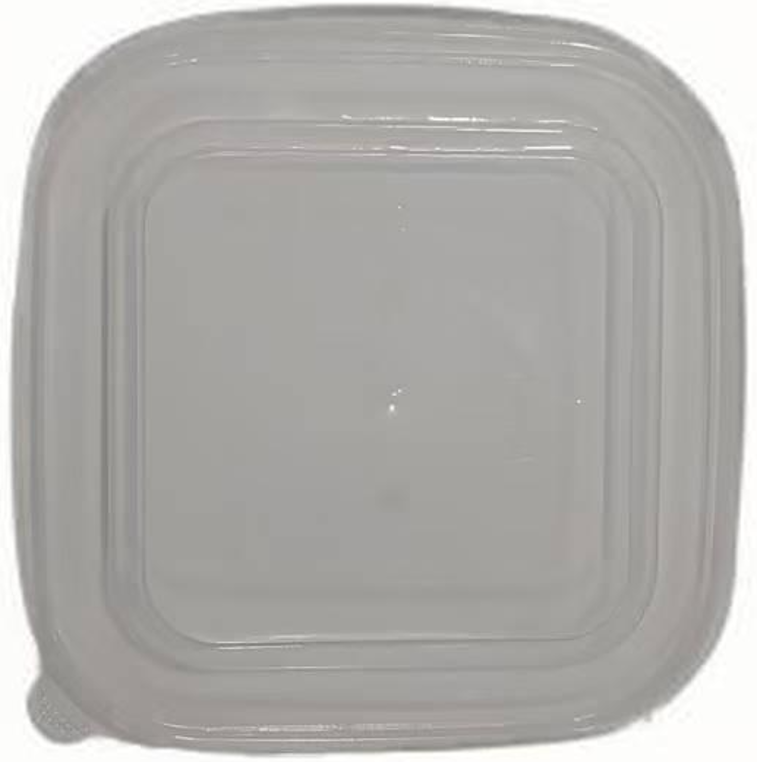 | D170 PP Square Bowl Lid | Square Bowl Lid for 750/1000/1200/1400 | 11g | 50 | 6 | 300 | 53 | 36 | 36 |
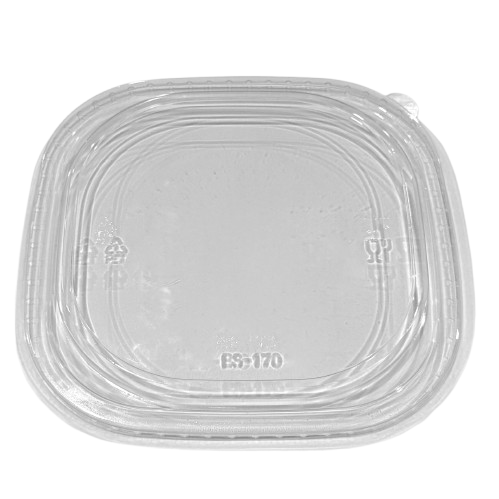 | D170 Anti-Fog PET Square Bowl Lid | Square Bowl Lid for 750/1000/1200/1400 | 10.8g | 50 | 6 | 300 | 51 | 26 | 35 |


Application | Recommendation |
Soup, chili and curry | Recommended after temperature and hold-time testing |
Rice, grain and burrito bowls | Recommended |
Salads and chilled prepared meals | Recommended |
Noodles and pasta | Recommended after sauce and transport testing |
Snacks, chips and popcorn | Recommended |
Desserts and ice cream | Recommended; confirm condensation and freezer conditions |
Takeaway meals | Recommended |
Food delivery | Recommended with matched lid and delivery-bag test |
Hotel and catering service | Recommended |
Retail prepared-food display | Conditional; evaluate lid clarity, anti-fog need and shelf time |
Microwave reheating | Conditional; use only a verified microwave safe paper bowl specification |
Freezer storage | Conditional; validate material and cycle |
Extended liquid storage | Usually not recommended without dedicated testing |
Industrial or chemical liquids | Not recommended |
Oven use | Not recommended unless a separate oven able specification is documented |
Reuse program | Not the intended use for a single-use paper bowl |
The table is a selection guide, not a universal performance guarantee. Always test the final bowl, lid, food, filling process, temperature, holding time and transport condition together.
Are paper bowls suitable for hot food and soup?
They can be, provided the selected construction is validated for the food temperature, grease level and holding time. Paper bowls for hot soup should be tested filled and closed, not evaluated empty.
Which lid should I choose?
Use the exact lid family assigned to the catalogue bowl. Rim diameter alone is not sufficient; profile, engagement and material also matter. Request a matched paper bowl lid sample set.
Which coating option should I choose?
The attached catalogue references PE lining. PLA or water-based barriers should be treated as project options requiring performance, documentation, MOQ and lead-time confirmation.
What can be customized on paper bowls?
Custom paper food bowls can include logos, full-color artwork, Pantone targets, QR codes, product instructions, private-label packs and custom cartons, subject to the agreed print process and production conditions.
How should artwork be prepared?
Start with the manufacturer’s approved dieline. Keep logos and mandatory text within the safe area, outline or package fonts as requested, define CMYK or Pantone targets, and identify barcode or QR-code minimum sizes.
How is print color approved?
Agree whether approval will use a digital proof, Pantone reference, drawdown, press proof or signed production sample. Kraft paper changes the appearance of some colors, so screen previews alone are not sufficient.
Which paper bowl sizes are available?
The attached catalogue covers 240–1500 ml across soup, round meal and square bowl formats. Map ounce or cc search terms to a confirmed catalogue drawing.
Are microwavable paper bowls available?
Only describe a product as microwavable paper bowls after the final bowl and any lid have been tested with a documented maximum time, power, food load and temperature. Remove the lid unless its specification explicitly permits microwave use.
Are paper bowls recyclable or compostable?
The answer depends on the complete structure and local infrastructure. Do not use recyclable paper bowls, compostable paper bowls or biodegradable paper bowls as product claims without relevant evidence.
Can food-contact documentation be supplied?
DAILYECO can coordinate applicable declarations or test documentation according to the confirmed material, product and destination-market requirement. The exact document set must be agreed before order confirmation.
Is OEM or private-label manufacturing available?
OEM and private-label projects can be evaluated for printing, pack configuration, carton marking and product-range coordination. MOQ and lead time depend on the final specification.

Although paper food bowls are versatile, a paperboard format is not suitable for every filling, storage or disposal condition. Objective limitations help buyers avoid mismatched specifications, closure failures and unsupported claims.
Extended wet holding:
For long shelf life or prolonged liquid storage, a rigid plastic, foil or specialized barrier container may provide more predictable performance.
Transparent product display:
When customers must see the food through the container wall, clear plastic formats may be more suitable than an opaque paperboard bowl.
High-temperature appliances:
Do not use a standard catalogue bowl in an oven or microwave unless the exact specification has been approved for that process.
Freezer-to-heat cycles:
Repeated temperature cycling can affect paperboard, seal and lid performance. A dedicated test program is required.
Lowest unit-cost projects:
A thin or simple alternative container may have a lower purchase price, but compare failure risk, lid cost, staff handling and customer experience before deciding.
Very small or short-run campaigns:
Dedicated printing may not be economical below the confirmed MOQ. A stock bowl with a sleeve, label or secondary printed pack may be more practical.
Artwork still changing:
Frequent design revisions create plate, proofing and obsolete-inventory risk. Finalize brand assets and legal text before releasing mass production.
End-of-life certainty: A paper-based appearance does not by itself prove recyclability, biodegradability or compostability. Claims require evidence and a relevant local pathway.
When the application falls outside standard takeaway foodservice, ask the manufacturer for a written recommendation and run a practical filled-product trial before approving the order.


Review experience with formed paper food containers, bowl geometries, barrier materials and matched lid systems. Ask for comparable samples rather than a generic company profile.
Confirm installed bowl equipment, practical monthly capacity, peak-season planning and how the supplier prioritizes repeat programs. Capacity should be documented for the product family being purchased.
Evaluate approved specifications, incoming material control, in-process checks, traceability, filled-product testing, lid-fit verification and corrective-action process.
A capable partner should review tapered artwork, dyelines, color expectations, print method, safe areas, proofing route, retail pack needs and carton marking before production.
Ask which declarations, migration tests, material records or destination-market documents can be supplied for the exact construction. Avoid assuming one report covers every variant.
International supply requires carton planning, shipping marks, documentation coordination, loading efficiency and communication across production and logistics milestones.
The supplier should help connect food type, temperature, holding time, bowl dimensions, lining and lid choice. Early technical review is more useful than a price-only response.
Assess response speed, specification discipline, artwork control, sample tracking, production updates and after-sales handling.
Complete this checklist before requesting a final quotation or approving mass production.
Checklist Item | Buyer Confirmation |
Food and menu item | Soup / salad / rice / noodles / pasta / snack / dessert / other |
Capacity and fill weight | ml / oz / grams and target headspace |
Bowl shape | Round / soup / square |
Dimensions | Top, height, bottom and approved drawing |
Paperboard and barrier | Grammage, color and lining |
Filling temperature | Actual product temperature at fill |
Holding and delivery time | Counter, transport and consumption window |
Lid requirement | Paper / PP / OPS / PET; flat, tall or anti-fog where relevant |
Microwave / freezer need | Exact conditions and required test evidence |
Artwork and dyeline | Final files, safe area, mandatory text, barcode and QR code |
Printing | Pantone/CMYK targets, print method, coverage and registration tolerance |
Proof approval | Digital proof / color reference / press proof / signed production sample |
Artwork version control | Final filename, revision, approver and approval date |
Food-contact documentation | Required country, regulation or customer standard |
Environmental claim | Exact claim and supporting document |
MOQ and annual forecast | Per SKU and total program |
Packing | Pcs/bag, bags/carton, retail pack and barcode |
Logistics | Destination, pallet/floor load and required ship date |
Sample approval | Plain sample, printed sample, filled test and signed specification |
A completed checklist reduces quotation revisions, prevents mismatched bowl-and-lid combinations and creates a clear basis for sampling, testing and repeat orders.

DAILYECO supports importers, distributors, foodservice groups and packaging brands that require wholesale paper food bowls, matched lids, optional printing and related food packaging within a coordinated sourcing program.
Our role is to help buyers convert a menu and market requirement into an approved specification, sample, quality plan, packaging configuration and repeatable supply process.
DAILYECO Manufacturing Capability | Description |
Employees | Approximately 1,000 employees |
Paper bowl production equipment | 30 more automated production lines achieve a daily output of up to 1,000,000 individual products. |
Monthly supply capacity | Approximately 30,000,000 pieces per month |
Catalogue range | Round, soup and square paper bowls from 240 ml to 1500 ml |
Printing capability | CMYK and Pantone custom printing options are available, subject to artwork, print-process and production approval. |
OEM support | Logo, artwork, pack and carton customization subject to confirmation |
ODM support | Material, structure and product-development evaluation subject to feasibility |
Technical support | Specification review, sampling, lid matching and use-condition guidance |
Production MOQ | 50,000 pieces |
Typical lead time | 20–30 days |
Documentation is coordinated according to the confirmed product, material and destination market. Support may include material declarations, food-contact test reports, product specifications, factory questionnaires and customer audit documents, subject to availability and project agreement.
View Our Compliance & Certification Support Page
Customization can include artwork adaptation, logo printing, CMYK or Pantone color targets, private-label packs, barcode placement, e-commerce cartons and coordinated product naming. Production begins only after specification and artwork approval.
For export projects, DAILYECO coordinates product data, carton marking, loading plans and shipping documents according to the agreed trade and destination requirements. Verify current destination coverage and any market-specific documentation before publication.
The project workflow can cover product consultation, sample arrangement, artwork review, specification confirmation, production updates, shipment coordination and after-sales communication.
As foodservice menus and packaging requirements evolve, DAILYECO can evaluate new capacities, matched lid systems, print configurations and barrier options when project volume and technical feasibility support development.