.jpg)
Item | Information |
Product Name | Custom Paper Bowls |
Material | Supplied catalogue construction: food-grade kraft paperboard with PE barrier lining |
Product Types | Round meal bowls, paper soup bowls, square bowls and their assigned lid systems |
Catalogue Capacity Range | 240 ml through 1500 ml |
Applications | Soup, salad, rice, noodles, pasta, snacks, desserts, takeaway meals and delivery |
Food Types | Hot, warm, chilled and dry foods after specification and use-condition validation |
Catalogue Paperboard | Walls: 280–320 gsm; bottoms: 210–250 gsm; catalogue construction references 18 gsm PE |
Available Shapes | Round and square |
Customization | Logo, full artwork, QR code, private-label inner packs and cartons, subject to project approval |
Printing | CMYK or Pantone targets subject to artwork, process and production confirmation |
Compatible Lids | Paper, PP, OPS and anti-fog PET options allocated by bowl family and rim format |
Supply Type | Manufacturer and supply-chain partner |
Export Support | Product-document and logistics coordination based on destination-market requirements |
Custom paper bowls are formed paperboard food containers adapted with a brand’s artwork, colors, product information or private-label packaging. DAILYECO’s product catalogue covers kraft paper bowls for meals, paper soup bowls, square paper bowls, and matched lid systems that can provide a technical base for branded takeaway and delivery programs.
For B2B buyers, a custom paper bowl project involves more than adding a logo. Rim diameter, bowl depth, paperboard grammage, barrier material, lid fit, fill temperature and holding time define the functional specification; dielines, print colors, proofing, carton artwork, MOQ and lead time define how the brand is reproduced at scale.
DAILYECO supports importers, distributors, foodservice groups and private-label packaging brands that need coordinated custom paper bowls with lids rather than isolated SKUs. Specifications, artwork, performance claims and documentation should be approved for each project before mass production.
Custom paper bowls are not simply stock containers with graphics added at the end. In a commercial program, the buyer approves both the food-contact pack and the brand system: bowl format, barrier, lid pairing, print layout, color standard, product coding and outer-carton presentation.
The catalogue starts from PE-lined kraft paperboard, but customization begins by locking the base SKU before artwork is prepared. Once capacity, rim family and service conditions are confirmed, a size-specific dieline can position logos, mandatory copy, QR codes and decorative elements away from seams and forming zones.
A branded range may combine custom paper salad bowls for chilled meals, deeper custom paper soup bowls for liquid-rich dishes and square paper bowls for prepared-food presentation. The value comes from assigning each menu family to a controlled bowl-and-lid specification instead of applying one design indiscriminately.
Market labels such as cardboard bowls or paper bowl containers describe broad search intent, not a production specification. Procurement should reference the approved drawing, paperboard and lining, practical fill level, seam construction, assigned lid and artwork revision.
For custom printed paper bowls with lids, approval should follow the customer journey: fill the bowl, close the specified lid, stack it, transport it and inspect the graphics at handoff. This system test is more reliable than approving the bowl and lid as separate catalogue items.
Feature | Performance Role | Buyer Explanation |
Paperboard construction | Rigidity, forming control and stacking | Fiber quality and grammage influence how the bowl holds its shape through printing, forming and service. |
Barrier lining | Protection from grease and moisture | PE is referenced in the catalogue; any alternative barrier must be approved as a separate project construction. |
Rolled rim | Closure interface and hand feel | A repeatable rolled profile allows the specified lid to close consistently across production lots. |
Bottom and side sealing | Retention of liquid-rich foods | Side and bottom seals should be qualified with the actual recipe, fill temperature and service window. |
Multiple capacities | Portfolio and portion architecture | The 240–1500 ml range can be organized around sides, soup, core meals and larger servings. |
Round and square formats | Menu and display differentiation | Round or square geometry changes filling flow, shelf appearance, stacking and lid selection. |
Custom printing | Customer-facing brand communication | Approved layouts may carry logos, campaign graphics, QR codes and private-label product information. |
Color and proof control | Repeat-order visual control | Dielines, Pantone or CMYK references and approved proofs establish the released print standard. |
Matched lid systems | Takeaway closure options | Paper, PP, OPS and PET lids are paired by bowl family rather than selected by name alone. |
Nested storage | Counter and warehouse efficiency | Nested empty bowls reduce space at service stations and during storage or transport. |
Specification traceability | Control of repeat procurement | A signed sample, drawing, artwork revision and pack record keep future orders aligned. |
.jpg)
The growth of meal delivery, prepared-food retail and multi-location dining has turned packaging into a repeatable brand asset. Custom disposable paper bowls allow the same identity to travel across soups, salads, rice dishes, noodles, snacks and desserts without relying on labels applied at the point of service.
For operators, custom paper bowls with lids can also reduce operational variation. A planned capacity ladder, limited rim families and controlled artwork files make it easier to train staff, replenish stock and introduce new menu items without rebuilding the packaging system.
The printable wall gives custom kraft paper bowls a role beyond containment. Menu cues, campaign messages, reheating or disposal instructions, loyalty links and QR-led promotions can be integrated into the approved layout while the natural kraft surface supports a recognizable visual character.
Sustainability language is increasingly visible on branded packaging, so claim control must sit inside the artwork approval process. Terms such as compostable paper bowls, biodegradable paper bowls and recyclable paper bowls should appear only when the complete construction, supporting evidence and destination waste route justify the statement.
Custom bowl procurement is shifting from one-off artwork orders to managed packaging platforms. Buyers now evaluate whether a supplier can hold the same color reference, lid relationship, product code and carton identity across several sizes and repeat production cycles.
.jpg)
Restaurants, meal-prep brands, supermarkets, caterers, hotels, transport operators and packaging resellers enter the category for different reasons, but they share one requirement: the custom paper bowls received next quarter must match the approved product and visual standard used today.
Regional listings may describe capacity in ounces, milliliters or cubic centimeters. A scalable brand program therefore links each commercial name to one drawing, one rim family, one lid reference and one artwork code, preventing local sales teams from creating conflicting specifications.
With custom printed paper bowls, repeated exposure matters more than a single attractive mockup. Logo position, color hierarchy, product naming, QR placement and lid or carton coordination should work consistently when bowls are nested, filled, displayed and delivered.
The tapered surface changes how flat artwork is perceived. Approval should check the front-facing panel, side seam, curvature, safe area and production-scale text, then record the accepted proof and substrate as part of the SKU specification.
Region / Buyer Group | Typical Focus |
North America | Portion conventions, delivery validation, food-contact records and distributor or retail pack formats |
Europe | Barrier disclosure, plastic-reduction plans, substantiated claims and market-specific collection routes |
Australia & New Zealand | Takeaway heat performance plus evidence for any recycling or composting statement |
Middle East | Guest-facing presentation, hot-climate logistics, dependable supply and branded hospitality programs |
Asia | Competitive range architecture, stable production and capacities suited to fast-moving takeaway menus |
A useful request for quotation starts with the menu and service workflow, then adds brand requirements. Buyers should state fill temperature, service window, lid use, delivery route, graphics hierarchy, languages, barcode needs, annual volume and planned artwork changes.
Commercial comparison should be made at program level. A slightly cheaper bowl can become more expensive when it introduces another lid, a low-volume artwork version, inefficient cartons or inconsistent color that forces rework and obsolete stock.
For a custom program, material selection should follow the menu, brand appearance, service window, destination rules and end-of-life communication. The preferred route is the one that can be printed, formed, documented and replenished consistently for the intended use.
Start with PE-Coated Kraft Paper Bowls When:
Evaluate PLA-Coated Paper Bowls When:
Consider a Water-Based Barrier When:
Select Bagasse Bowls When:
Retain a Plastic Bowl Route When:
Market / Program | Starting Material Route | Primary Purchasing Considerations |
General takeaway and delivery | Catalogue PE-lined kraft paper bowl | Recipe temperature, service duration, seam performance, assigned lid and program cost |
Industrial composting program | PLA-coated or certified compostable system | Finished-product evidence plus real collection and industrial processing access |
Fiber-recovery program | Verified water-based barrier or accepted paper structure | Acceptance by the intended recovery route, coating disclosure and food-residue conditions |
Premium prepared-food retail | Printed paperboard bowl with clear or paper lid | Shelf presentation, lid clarity or anti-fog need, print standard and closure performance |
Institutional foodservice | Standardized round or soup bowl range | Portion discipline, fewer operational SKUs and reliable replenishment |
Eco-focused brand | Evidence-led material selection | Select material from evidence and avoid unsupported eco-friendly bowl language |
Do not let a single material label decide the project. Shortlist the construction by food performance and brand needs, then review documentation, local infrastructure, regulatory obligations and program-level cost before releasing claims or artwork.
Our available product range provides a coordinated technical base for custom paper bowls in round meals, soup and square food formats with compatible lids. Buyers can apply one brand system across a practical portfolio covering small sides through large meals.
Pictures | Name | Size | Material and Weight | Pcs/Bag | Bags/CTN | Pcs/CTN | Carton L (cm) | Carton W (cm) | Carton H (cm) |
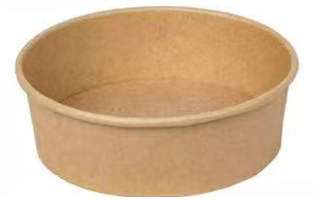 | 17oz/500ml Bowl with PE Lined | 150*47*128 | Wall 280gsm Kraft Paper/Bottom 210gsm Kraft Paper+18gsm PE | 50 | 6 | 300 | 45 | 30 | 38 |
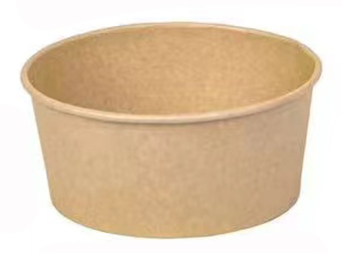 | 25oz/750ml Bowl with PE Lined | 150*60*128 | Wall 280gsm Kraft Paper/Bottom 210gsm Kraft Paper+18gsm PE | 50 | 6 | 300 | 45 | 30 | 39 |
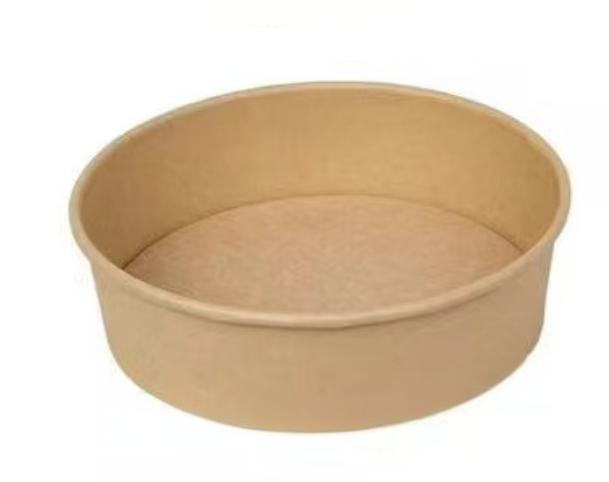 | 30oz/900ml Bowl with PE Lined | 180*50*160 | Wall 280gsm Kraft Paper/Bottom 210gsm Kraft Paper+18gsm PE | 50 | 6 | 300 | 55 | 37.2 | 38.5 |
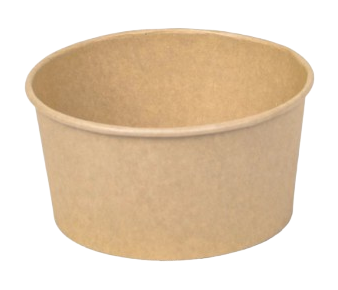 | 34oz/1000ml Bowl with PE Lined | 150*75*128 | Wall 280gsm Kraft Paper/Bottom 210gsm Kraft Paper+18gsm PE | 50 | 6 | 300 | 50.5 | 34 | 41.5 |
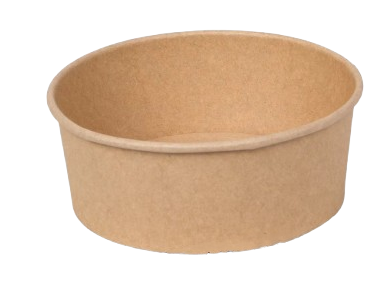 | 37oz/1100ml Bowl with PE Lined | 165*65*144 | Wall 280gsm Kraft Paper/Bottom 210gsm Kraft Paper+18gsm PE | 50 | 6 | 300 | 52 | 35.5 | 44 |
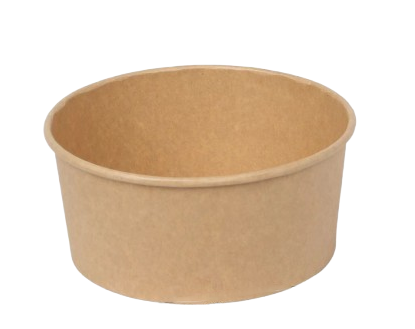 | 44oz/1300ml Bowl with PE Lined | 165*75*144 | Wall 280gsm Kraft Paper/Bottom 210gsm Kraft Paper+18gsm PE | 50 | 6 | 300 | 50.5 | 34 | 41 |
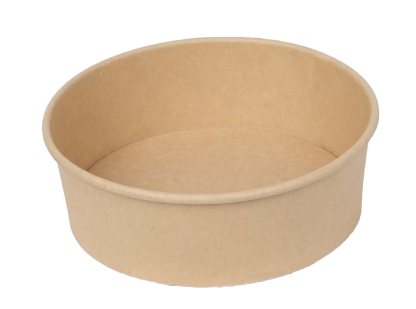 | 50oz/1450ml Bowl With PE Lined | 180*60*160 | Wall 300gsm Kraft Paper/Bottom 210gsm Kraft Paper+18gsm PE | 50 | 6 | 300 | 42 | 27.5 | 44 |
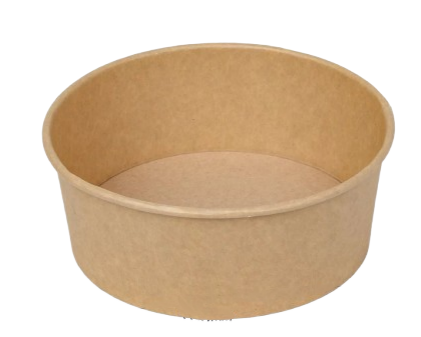 | 50oz/1500ml Bowl with PE Lined | 185*70*160 | Wall 300gsm Kraft Paper/Bottom 210gsm Kraft Paper+18gsm PE | 50 | 6 | 300 | 51 | 26 | 35 |
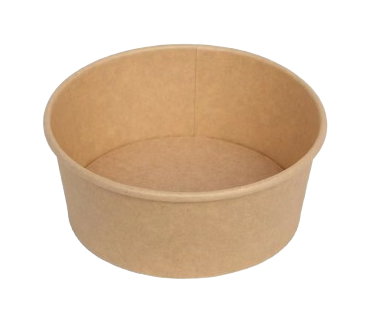 | 18oz/530ml Bowl with PE Lined | 135*55*114 | Wall 300gsm Kraft Paper/Bottom 210gsm Kraft Paper+18gsm PE | 50 | 6 | 300 | 41.7 | 28.2 | 40.7 |
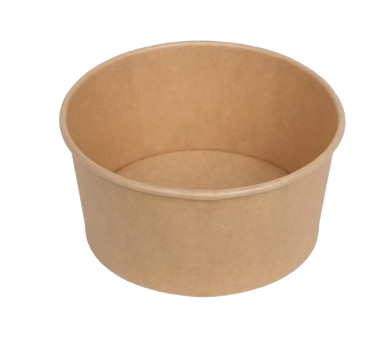 | 21oz/630ml Bowl with PE Lined | 135*65*114 | Wall 280gsm Kraft Paper/Bottom 210gsm Kraft Paper+18gsm PE | 50 | 6 | 300 | 40.3 | 27.2 | 42 |
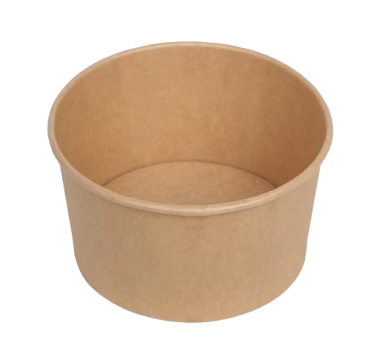 | 25oz/730ml Bowl with PE Lined | 135*75*114 | Wall 280gsm Kraft Paper/Bottom 210gsm Kraft Paper+18gsm PE | 50 | 6 | 300 | 41 | 27.5 | 41 |
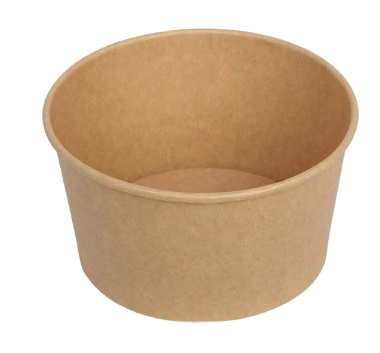 | 50oz/1480ml Bowl with PE Lined | 165*88*131 | Wall 300gsm Kraft Paper/Bottom 210gsm Kraft Paper+18gsm PE | 50 | 6 | 300 | 49.5 | 33.5 | 49.3 |
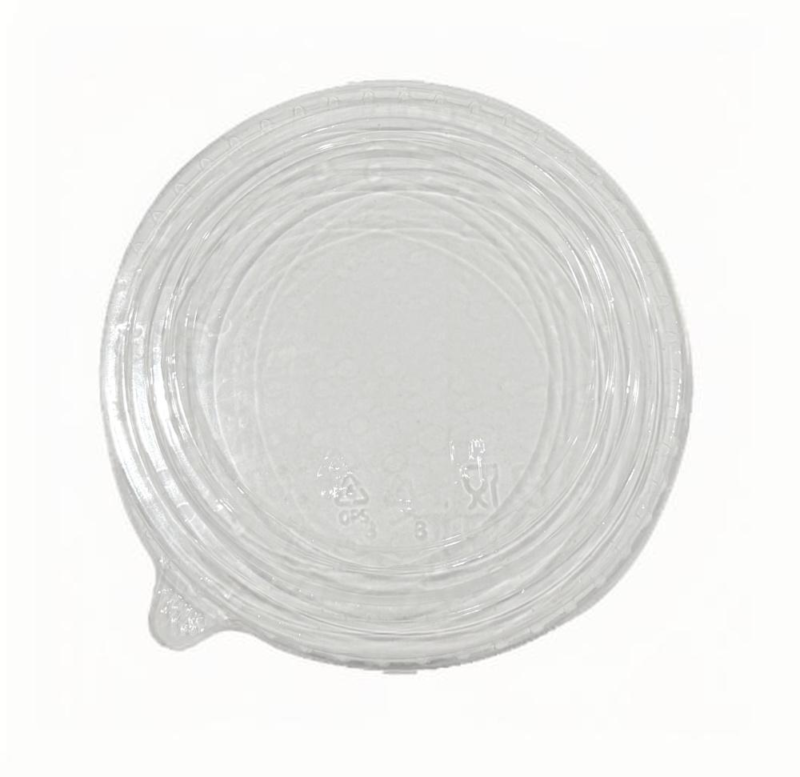 | D135 PP Lid | Lid for 530/630/730 Bowl | 4.8g | 50 | 6 | 300 | 42 | 33 | 28.5 |
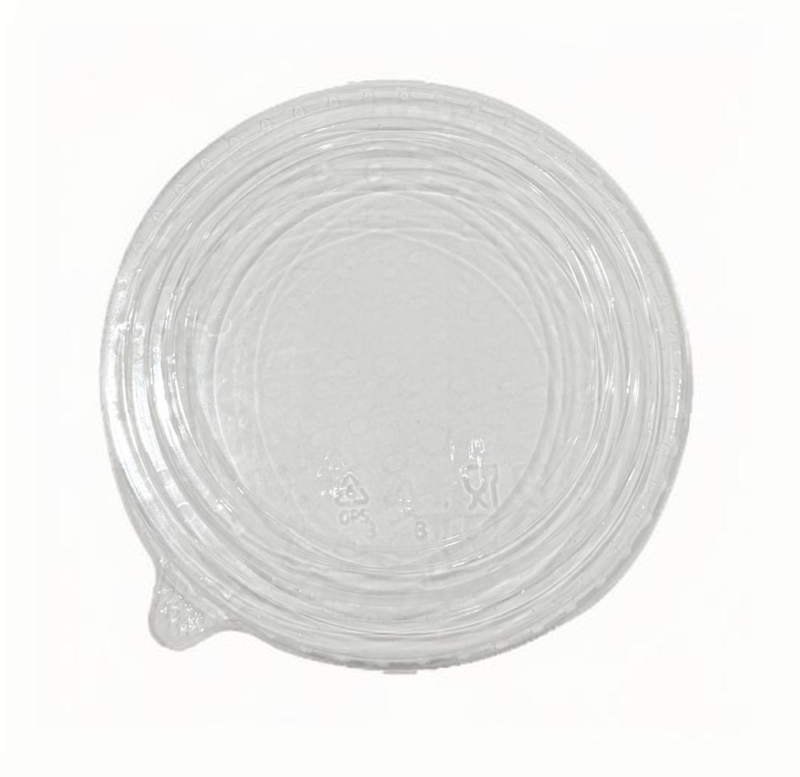 | D150 OPS Lid | Lid for 500/750/1000 Bowl | 3.6g | 50 | 6 | 300 | 38 | 16 | 32 |
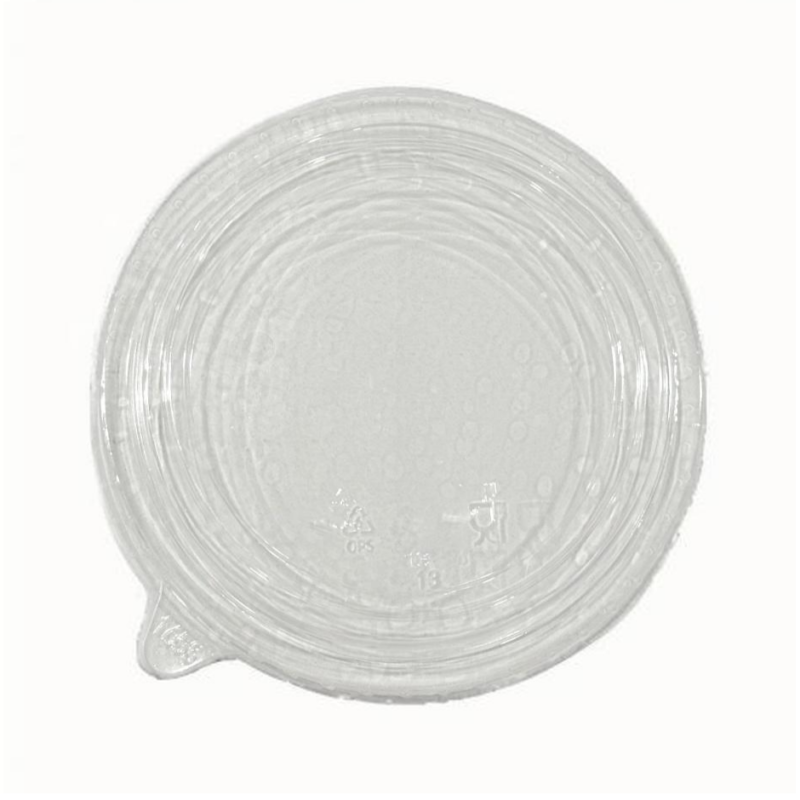 | D165 OPS Lid | Lid for 1100/1300/1480 Bowl | 4.5g | 50 | 6 | 300 | 47 | 33.5 | 18 |
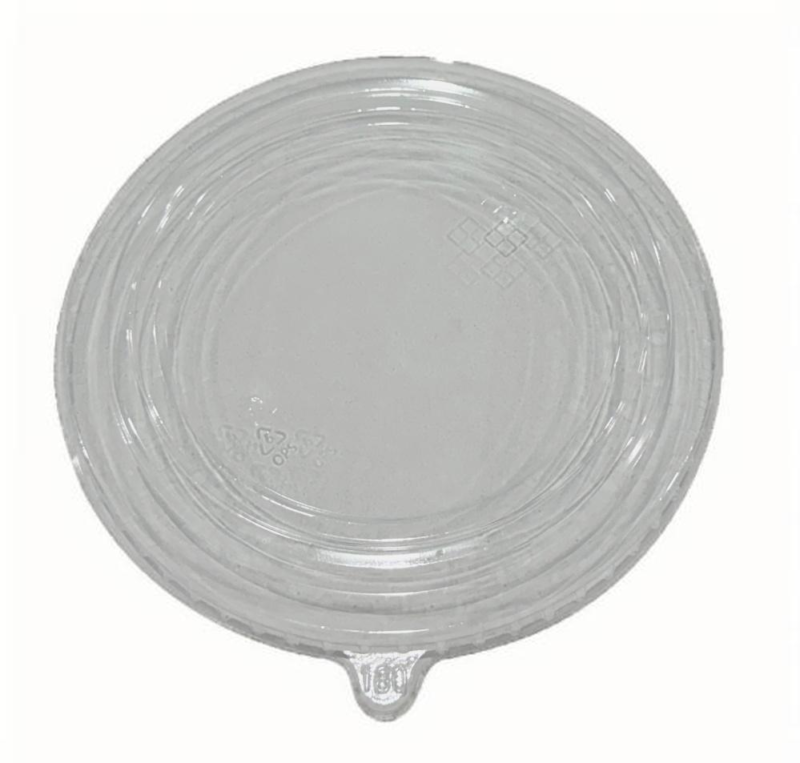 | D180 OPS Lid | Lid for 900/1450 Bowl | 5.5g | 50 | 6 | 300 | 40 | 19 | 37 |
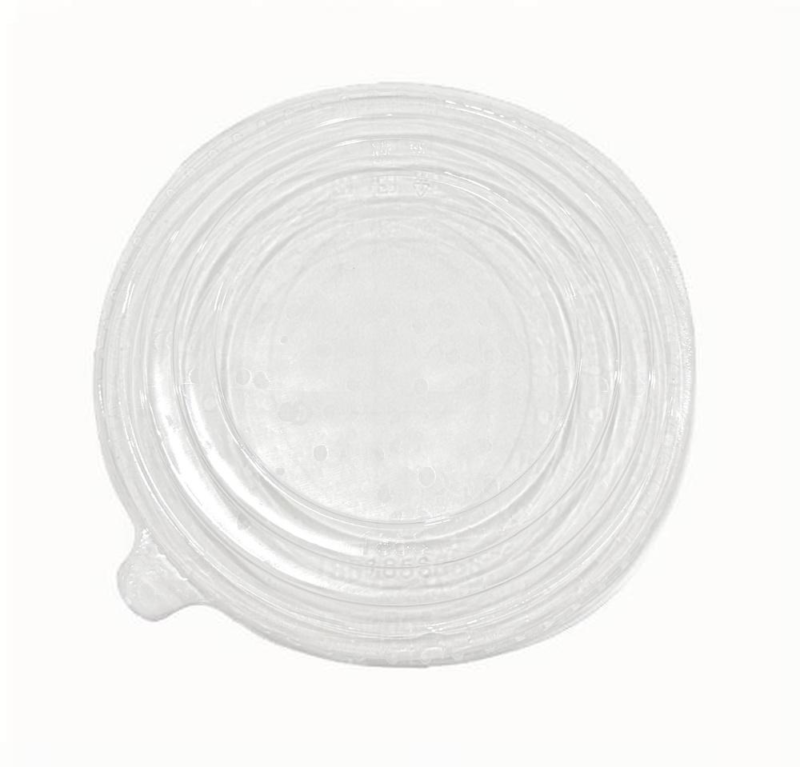 | D185 OPS Lid | Lid for 1500 Bowl | 5.4g | 50 | 6 | 300 | 41 | 19 | 39 |
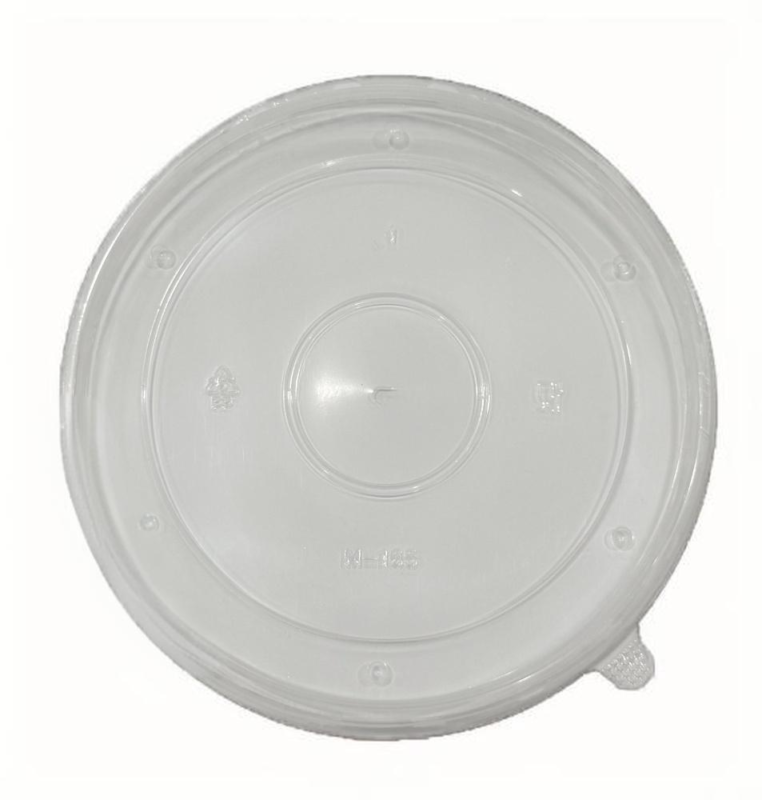 | D150PP Lid (Tall Lid) | Lid for 500/750/1000 Bowl | 5.5g | 50 | 6 | 300 | 48 | 31 | 31.5 |
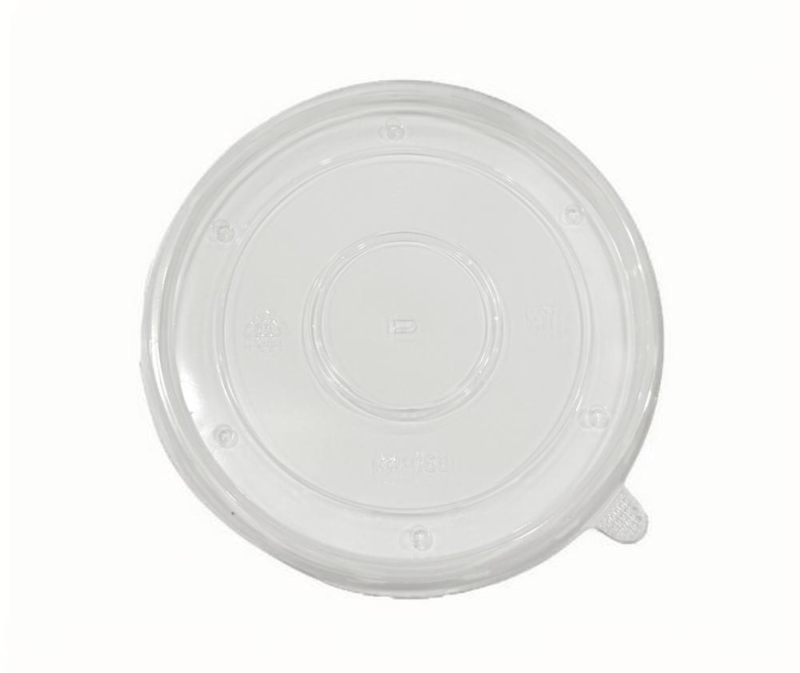 | D150 PP Lid (Standard Lid) | Lid for 500/750/1000 Bowl | 5.6g | 50 | 6 | 300 | 48 | 33 | 31.5 |
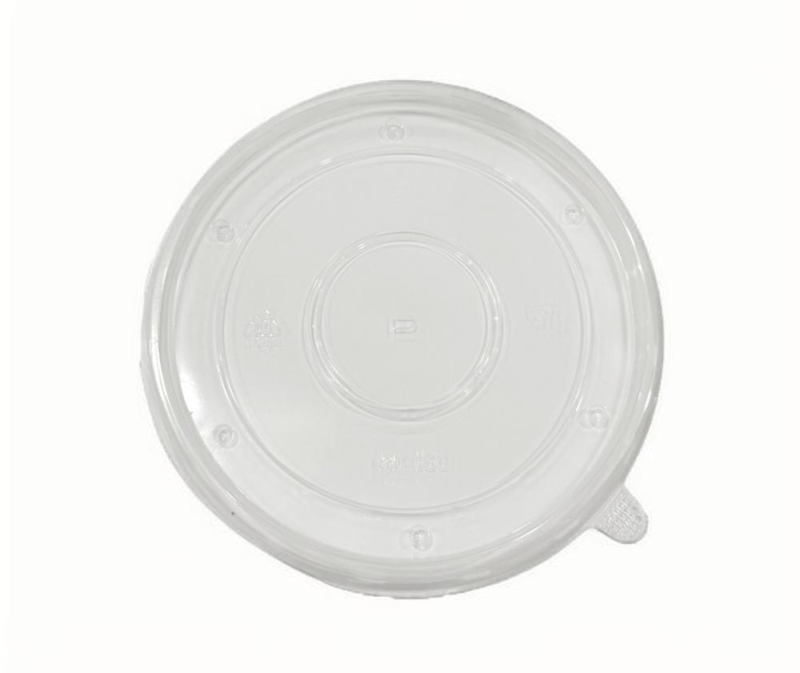 | D165 PP Lid (Tall Lid) | Lid for 1100/1300/1480 Bowl | 6.6g | 50 | 6 | 300 | 51.5 | 31 | 35 |
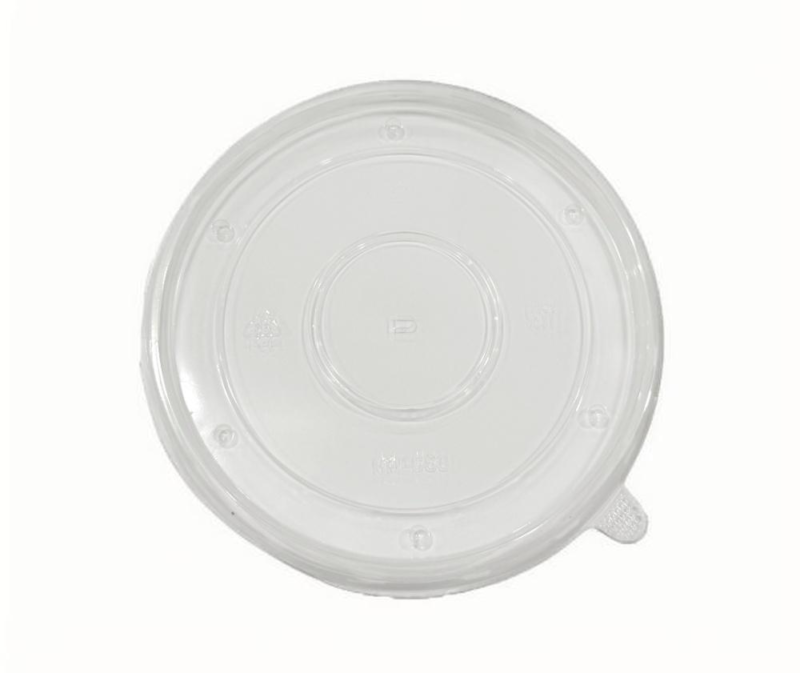 | D165 PP Lid (Standard Lid) | Lid 1100/1300/1480 Bowl | 6.5g | 50 | 6 | 300 | 51.5 | 33 | 35.5 |
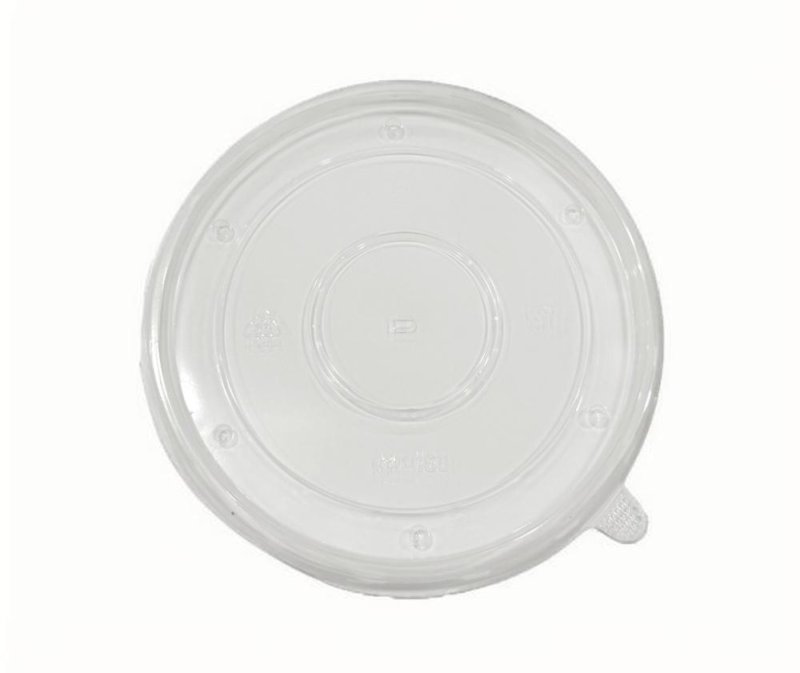 | D180 PP Lid (Standard Lid) | Lid for 900/1450 Bowl | 7.6g | 50 | 6 | 300 | 58 | 30 | 38 |
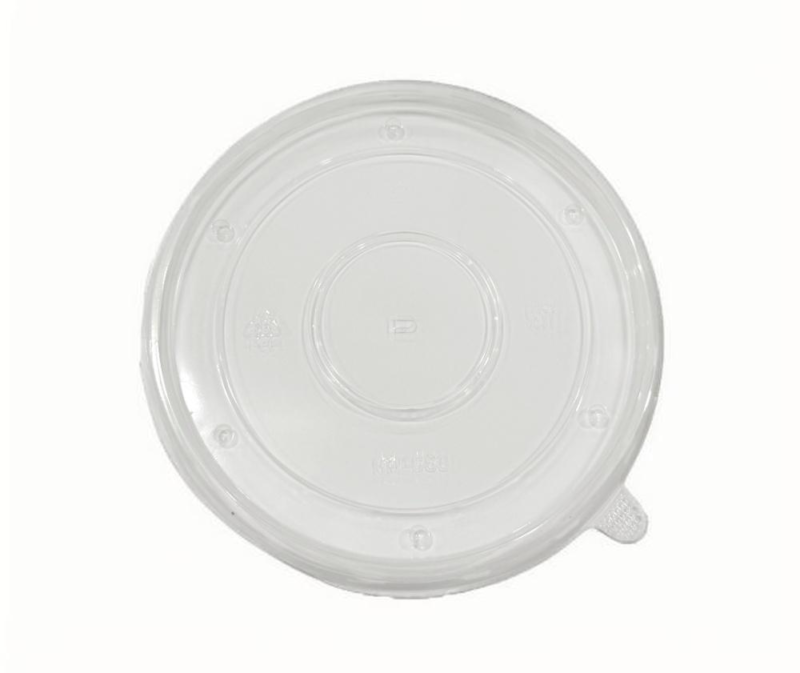 | D185 PP Lid (Standard Lid) | Lid for 1500 Bowl | 8.3g | 50 | 6 | 300 | 58 | 30 | 38 |
 | 8oz/240ml Soup Bowl with PE Lined | 90*72*60 | Wall 300gsm Kraft Paper/Bottom 210gsm Kraft Paper+18gsm PE | 25 | 20 | 500 | 45.5 | 19 | 60.5 |
 | 12oz/360ml Soup Bowl with PE Lined | 90*72*88 | Wall 300gsm Kraft Paper/Bottom 210gsm Kraft Paper+18gsm PE | 25 | 20 | 500 | 45.5 | 20 | 61.5 |
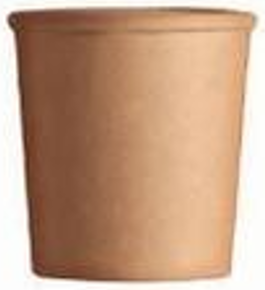 | 16oz/480ml Soup Bowl with PE Lined | 97*72*100 | Wall 300gsm Kraft Paper/Bottom 210gsm Kraft Paper+18gsm PE | 25 | 20 | 500 | 49.5 | 21 | 63 |
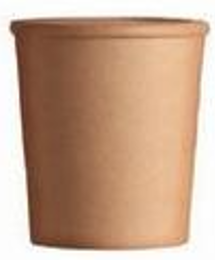 | 26oz/760ml Soup Bowl with PE Lined | 115*90*110 | Wall 300gsm Kraft Paper/Bottom 210gsm Kraft Paper+18gsm PE | 25 | 20 | 500 | 58 | 23 | 61.5 |
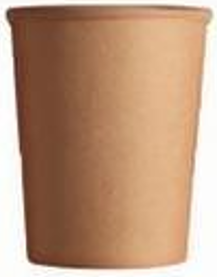 | 32oz/950ml Soup Bowl with PE Lined | 116*89*134 | Wall 300gsm Kraft Paper/Bottom 210gsm Kraft Paper18gsm PE | 25 | 20 | 500 | 60 | 48 | 46 |
 | 8oz/12oz Kraft Paper Lid With PE Lined | D90 | 250gsm Kraft Paper +18gsm PE | 25 | 20 | 500 | 50 | 33 | 38.5 |
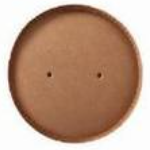 | 16oz Kraft Paper Lid with PE Lined | D97 | 250gsm Kraft Paper +18gsm PE | 25 | 20 | 500 | 50 | 33 | 38.5 |
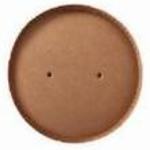 | 26oz Kraft Paper Lid with PE Lined | D115 | 250gsm Kraft Paper +18gsm PE | 25 | 20 | 500 | 53 | 43 | 34 |
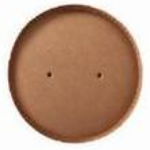 | 32oz Kraft Paper Lid with PE Lined | D116 | 250gsm Kraft Paper +18gsm PE | 25 | 20 | 500 | 61 | 50 | 34 |
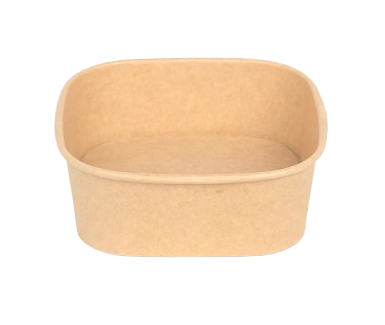 | 16oz/500ml Square Bowl with PE Lined | 130*130*49 114*114 | Wall 300gsm Kraft Paper/Bottom 210gsm Kraft Paper18gsm PE | 50 | 6 | 300 | 42 | 27.5 | 44 |
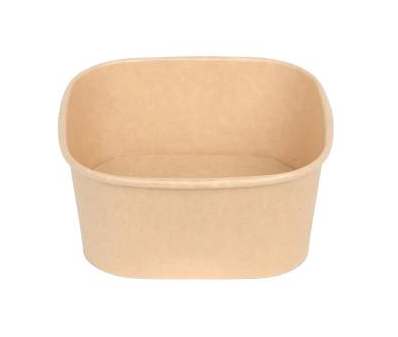 | 22oz/650ml Square Bowl with PE Lined | 130*130*59 112*112 | Wall 300gsm Kraft Paper/Bottom 210gsm Kraft Paper18gsm PE | 50 | 6 | 300 | 42 | 27.5 | 45 |
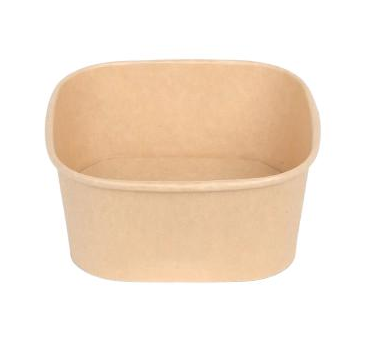 | 24oz/700ml Square Bowl with PE Lined | 151*151*45 130*130 | Wall 320gsm Kraft Paper/Bottom 250gsm Kraft Paper18gsm PE | 50 | 6 | 300 | 47.5 | 32.5 | 42.5 |
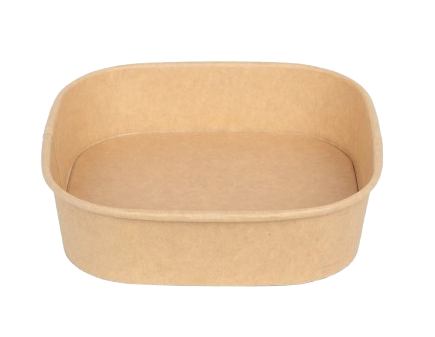 | 25oz/750ml Square Bowl with PE Lined | 170*170*45 153*153 | Wall 320gsm Kraft Paper/Bottom 250gsm Kraft Paper18gsm PE | 50 | 6 | 300 | 52 | 35.5 | 44 |
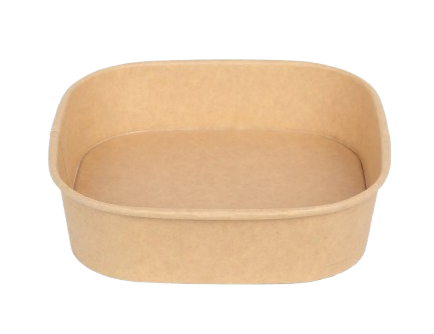 | 29oz/850ml Square Bowl with PE Lined | 151*151*55* 130*130 | Wall 320gsm Kraft Paper/Bottom 250gsm Kraft Paper18gsm PE | 50 | 6 | 300 | 47.5 | 32.5 | 42.5 |
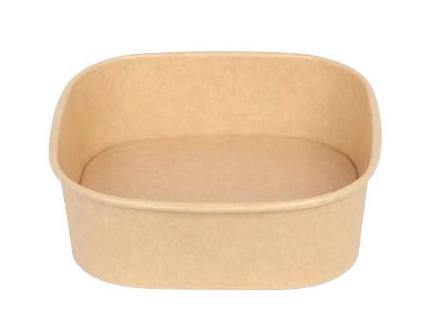 | 33oz/1000ml Square Bowl with PE Lined | 170*170*56 152*152 | Wall 320gsm Kraft Paper/Bottom 250gsm Kraft Paper18gsm PE | 50 | 6 | 300 | 52 | 35.5 | 44 |
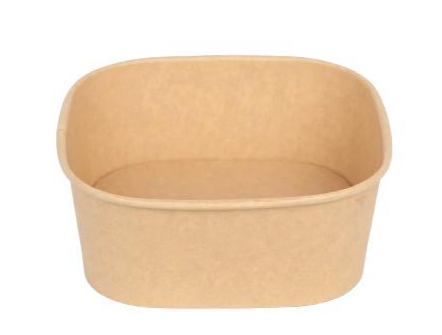 | 37oz/1100ml Square Bowl with PE Lined | 151*151*65 130*130 | Wall 320gsm Kraft Paper/Bottom 250gsm Kraft Paper18gsm PE | 50 | 6 | 300 | 47.5 | 32.5 | 43.5 |
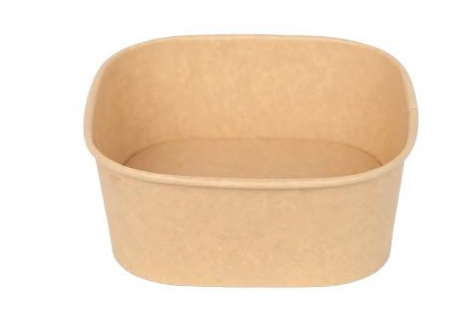 | 40oz/1200ml Square Bowl with PE Lined | 170*170*68 149*149 | Wall 320gsm Kraft Paper/Bottom 250gsm Kraft Paper18gsm PE | 50 | 6 | 300 | 52 | 35.5 | 45.5 |
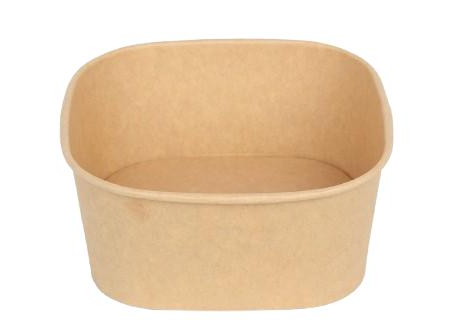 | 48oz/1400ml Square Bowl with PE Lined | 170*170*76 147*147 | Wall 320gsm Kraft Paper/Bottom 250gsm Kraft Paper18gsm PE | 50 | 6 | 300 | 52 | 35.5 | 46 |
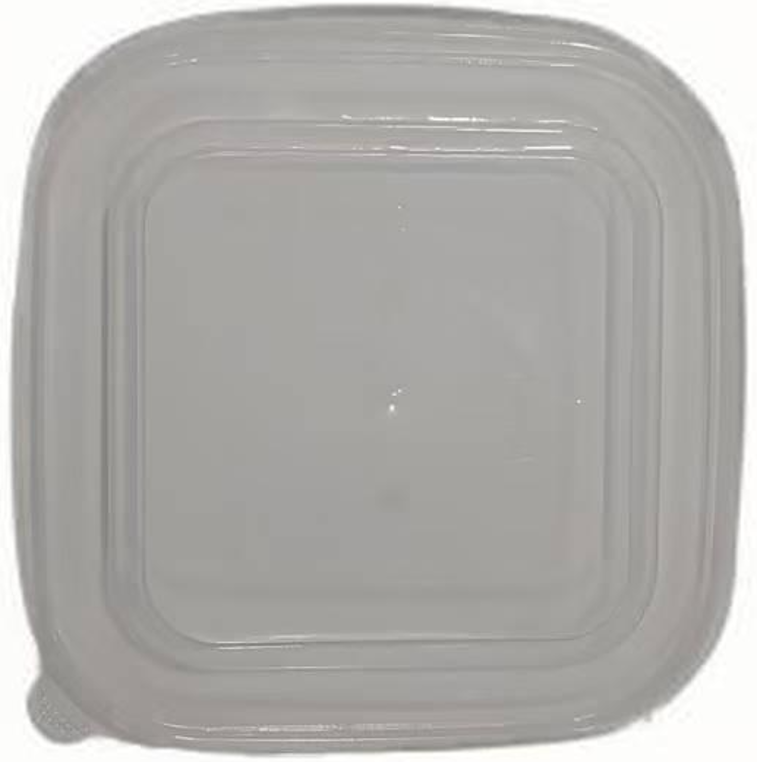 | D130 PP Square Bowl Lid | Square Bowl Lid for 500/650 | 6.3g | 50 | 6 | 300 | 42 | 33 | 28 |
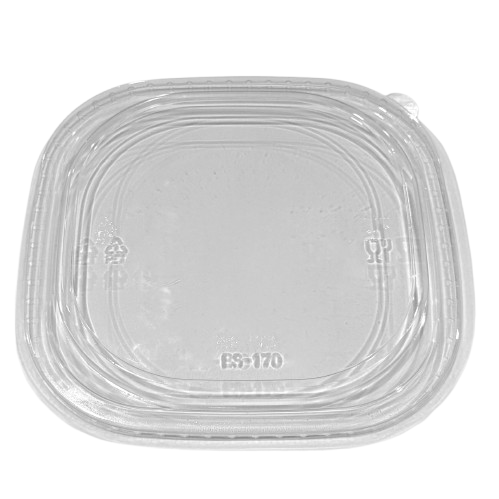 | D130 Anti-Fog PET Square Bowl Lid | Square Bowl Lid for 500/650 | 6.3g | 50 | 6 | 300 | 40 | 27 | 28 |
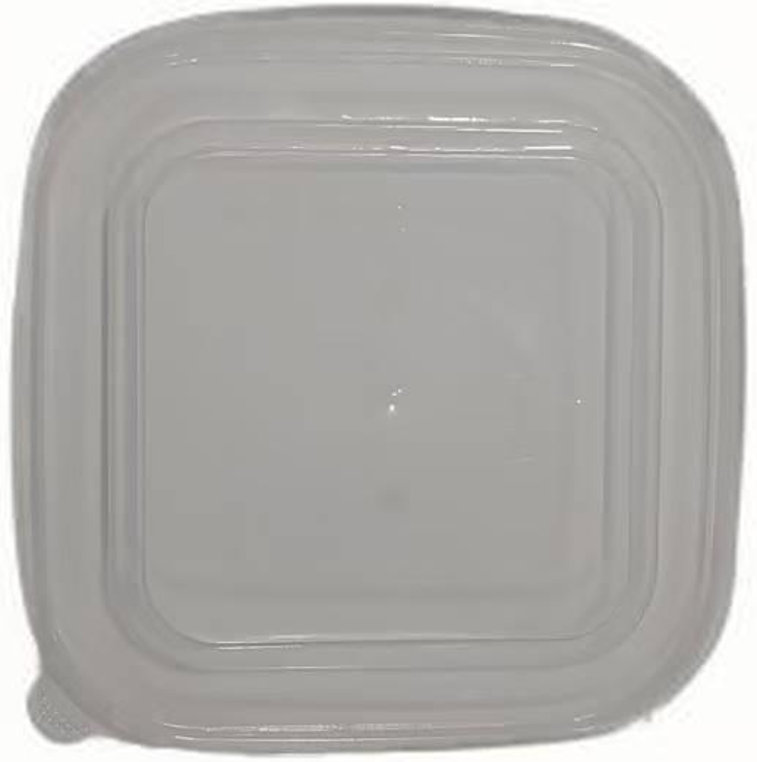 | D151 PP Square Bowl Lid | Square Bowl Lid for 700/850/1100 | 9g | 50 | 6 | 300 | 52 | 35 | 35 |
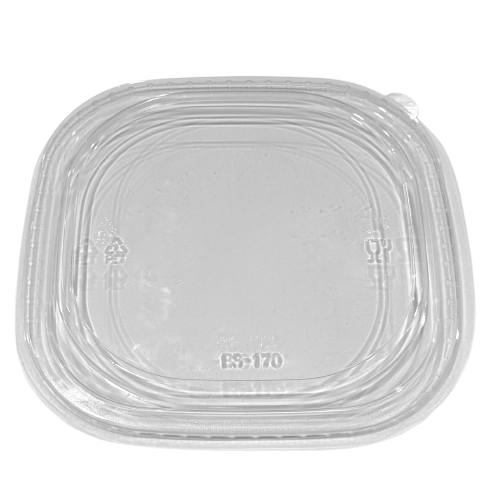 | D151 Anti-Fog PET Square Bowl Lid | Square Bowl Lid for 700/850/1100 | 8.5g | 50 | 6 | 300 | 50 | 26 | 35 |
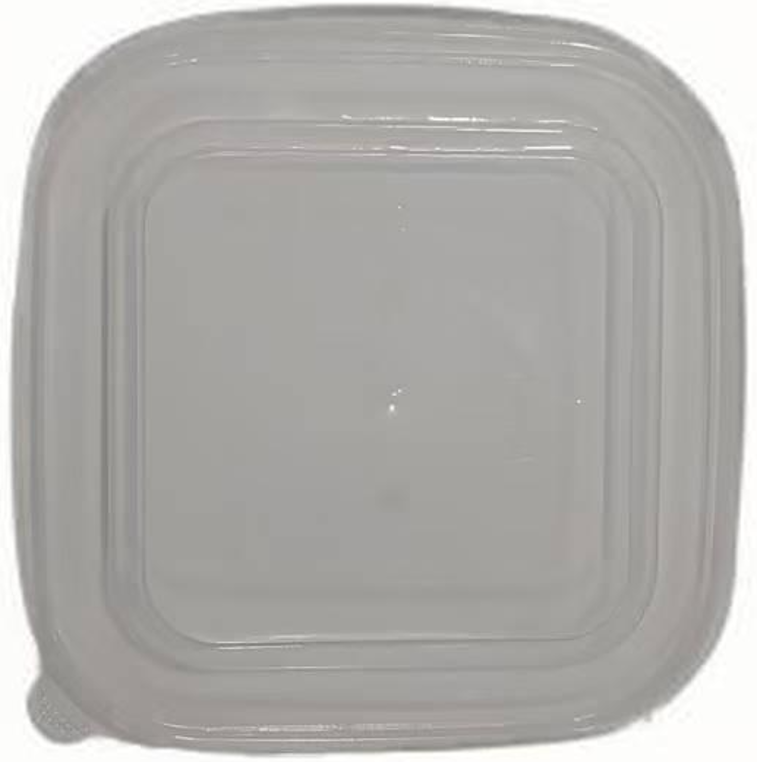 | D170 PP Square Bowl Lid | Square Bowl Lid for 750/1000/1200/1400 | 11g | 50 | 6 | 300 | 53 | 36 | 36 |
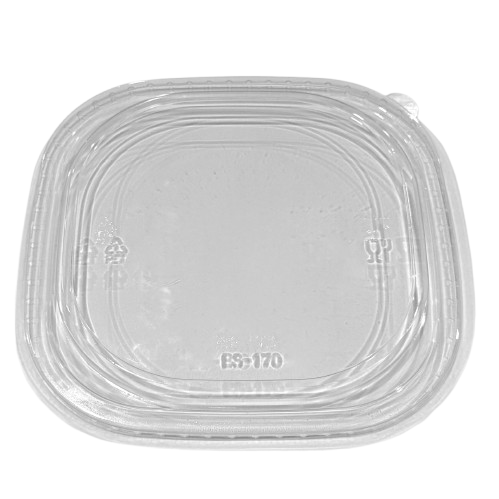 | D170 Anti-Fog PET Square Bowl Lid | Square Bowl Lid for 750/1000/1200/1400 | 10.8g | 50 | 6 | 300 | 51 | 26 | 35 |
.jpg)
.jpg)
.jpg)
.jpg)
.jpg)
.jpg)
.jpg)
.jpg)
.jpg)
.jpg)
.jpg)
.jpg)
.jpg)
.jpg)
.jpg)
.jpg)
Application | Recommendation |
Soup, chili and curry | Suitable after confirming fill temperature and service duration |
Rice, grain and burrito bowls | Suitable for normal service after bowl-and-lid approval |
Salads and chilled prepared meals | Suitable; check condensation and display time |
Noodles and pasta | Suitable after sauce, closure and delivery validation |
Snacks, chips and popcorn | Suitable for dry snack service |
Desserts and ice cream | Suitable after checking condensation and any freezing requirement |
Takeaway meals | Suitable when portion, barrier and handling are matched |
Food delivery | Use with the assigned lid and a real delivery-bag trial |
Hotel and catering service | Suitable after matching presentation and service workflow |
Retail prepared-food display | Conditionally suitable; assess shelf time, lid visibility and anti-fog need |
Microwave reheating | Conditional; only use a specification approved for the stated reheating cycle |
Freezer storage | Conditional; validate the exact freeze and thaw sequence |
Extended liquid storage | Normally unsuitable without a purpose-developed barrier test |
Industrial or chemical liquids | Outside the intended foodservice application |
Oven use | Do not use unless a separate ovenable construction is documented |
Reuse program | Not designed as a reusable packaging system |
Use the table as an application-screening tool. Final approval should reproduce the complete operating sequence with the selected bowl, assigned lid, recipe, fill temperature, service window, stacking method and delivery route.
Which brand elements must remain consistent across every bowl size?
Define a master system for logo placement, color targets, typography, mandatory copy, QR treatment and product naming. Each custom paper bowl then receives its own dieline without losing the common brand rules.
How should we choose rim families before artwork begins?
Map menu portions and annual volume first, then identify catalogue sizes that can share approved lids. Reducing rim families early prevents unnecessary lid SKUs and avoids redesigning artwork after sampling.
Should artwork be approved before or after the food test?
Lock the bowl construction and lid through filled-food testing before final print release. Artwork developed for an unapproved base SKU may need to be rebuilt if the capacity, rim or barrier changes.
What information belongs to the bowl rather than the carton?
Reserve bowl space for customer-facing brand and product information; keep logistics data, detailed traceability and warehouse identification on the inner pack or carton unless the market requires otherwise.
How does natural kraft affect brand-color approval?
Kraft changes the perceived brightness and opacity of inks. Approve colors on the intended substrate using defined proof or printed reference, especially for light tones and strict brand colors.
How should artwork revisions be controlled?
Assign every size and language version a filename, revision number, approver and approval date. The purchase order and production file should reference the same released code.
Can one visual system cover the full catalogue range?
Yes. A master design can extend across the 240–1500 ml soup, round and square ranges, but each size still needs a dedicated dieline and production approval.
Which approval sample should purchasing retain?
Keep the signed bowl sample, matched lid, approved print reference, artwork file, specification and carton label together. This becomes the repeat-order benchmark.
How can a private-label range launch without too many SKUs?
Start with high-velocity portions and the smallest practical set of rim families. Add formats only when sales data, menu gaps or customer demand justify the extra artwork and stock.
Which documents should be tied to each custom SKU?
Link the drawing, material specification, food-contact documentation, lid reference, artwork revision, packing data and approved claims to one product code.
When should MOQ and production timing be confirmed?
Confirm them after the SKU and artwork-version count is known. The typical production MOQ is 50,000 pieces, with a usual 20–30-day production lead time after specification, artwork and sample approval.
.jpg)
A printed bowl may be visually distinctive yet still be the wrong technical or commercial route. The following conditions should be screened before investing in plates, proofs, private-label packs or campaign inventory.
Long-duration liquid storage: When food remains in the pack far beyond normal takeaway service, specify a structure designed for extended barrier performance rather than assuming a standard bowl will hold indefinitely.
Merchandising depends on full visibility: If purchase decisions rely on seeing the food through every side, an opaque printed bowl may need a clear lid or may be less suitable than transparent packaging.
Direct appliance exposure: Standard catalogue bowls should not enter an oven or microwave unless the exact construction has written approval for the stated food load, power, temperature and cycle.
Freeze-thaw distribution: Frozen storage followed by condensation or reheating introduces stresses that require a dedicated bowl, seal, print and lid validation plan.
Projects governed only by the lowest unit price: Custom artwork adds control steps and version risk. Compare the complete operating and inventory cost before choosing it over an unprinted or simpler pack.
Micro-runs and short promotions: When volume is below the confirmed MOQ, a stock bowl combined with a printed sleeve, label or secondary package may protect the campaign budget.
Unreleased brand assets: Do not order printed inventory while logos, languages, barcodes or legal copy are still changing. Version changes can create unusable stock.
Claims without a destination pathway: A kraft appearance is not evidence of recycling or composting. Environmental statements must be approved of the complete product and intended market.
When any of these conditions apply, ask for a written construction proposal and run a realistic use test before authorizing tooling, print preparation or mass production.
.jpg)
.jpg)
.jpg)
.jpg)
.jpg)
.jpg)
Ask for evidence of programs that combine formed paperboard, printing and matched lids. Relevant experience is demonstrated through comparable samples, controlled specifications and repeat-order records, not by a general product list alone.
Review the equipment assigned to the bowl family, realistic monthly output, artwork changeover planning and peak-season allocation. Capacity should be discussed by approved SKU and schedule rather than as one unsupported headline number.
A reliable system links incoming paperboard, released artwork, in-process forming data, print inspection, finished-bowl tests and corrective actions to traceable production records.
Customization capability should include tapered-dieline review, substrate-aware color control, barcode and QR checks, proof selection, version management, private-label packing and size-specific carton artwork.
Request the document set for the exact bowl construction and destination. The supplier should distinguish material records, finished-product testing and customer-specific declarations instead of presenting one report as universal coverage.
For export programs, evaluate how the manufacturer coordinates SKU data, shipping marks, carton measurements, loading plans, document deadlines and communication between production and logistics teams.
Technical support should translate the buyer’s recipe, fill temperature, service time and delivery route into a bowl, barrier and lid recommendation, then define the tests needed before print approval.
Customer service is visible in file discipline: clear quotation revisions, sample identification, approval records, production updates and rapid handling of deviations after delivery.
Use this checklist to create one approval file for each bowl size and artwork version before requesting the final quotation or releasing production.
Checklist Item | Buyer Confirmation |
Food and menu item | Identify soup, salad, rice, noodles, pasta, snack, dessert or another recipe |
Capacity and fill weight | State ml or oz, fill weight and required headspace |
Bowl shape | Select round meal, soup or square format |
Dimensions | Approve top, height and bottom dimensions on the drawing |
Paperboard and barrier | Record paper grammage, substrate color and barrier |
Filling temperature | Record actual food temperature at the filling point |
Holding and delivery time | Define counter, transport and consumption duration |
Lid requirement | Specify paper, PP, OPS or PET and any tall or anti-fog requirement |
Microwave / freezer need | Describe the exact cycle and evidence required |
Artwork and dieline | Release final files with safe areas, legal copy, barcode and QR details |
Printing | Define color targets, print route, coverage and registration tolerance |
Proof approval | Choose digital proof, color reference, press proof or signed sample |
Artwork version control | Record filename, revision, approver and approval date |
Food-contact documentation | List the destination regulation or customer standard |
Environmental claim | State the exact wording and its supporting evidence |
MOQ and annual forecast | Forecast by SKU and artwork version |
Packing | Confirm units per bag, bags per carton, retail pack and barcode |
Logistics | Confirm destination, pallet or floor load and shipment date |
Sample approval | Approved plain sample, printed reference, filled test and signed specification |
When the checklist is complete, commercial, technical and brand teams are evaluating the same SKU. This reduces re-quoting, wrong-lid samples, artwork confusion and avoidable changes during repeat orders.
.jpg)
DAILYECO supports buyers that want to build a governed custom printed paper bowl range rather than manage bowls, lids, graphics and cartons through separate workstreams.
The project can be organized from range architecture and food testing through dielines, print approval, packing instructions and repeat-order control, giving procurement and brand teams one shared specification trail.
DAILYECO Manufacturing Capability | Description |
Employees | Workforce of approximately 1,000 employees |
Paper bowl production equipment | Nearly 30 machines in total |
Monthly supply capacity | Approximately 30,000,000 pieces each month |
Catalogue range | Round meal, soup and square paper bowls covering 240–1500 ml |
Printing capability | Confirm available flexographic / offset / other printing processes |
OEM support | Logo, bowl artwork, inner-pack and carton customization, subject to confirmation |
ODM support | Feasibility review for materials, structures and product development |
Technical support | SKU review, sample planning, lid matching and use-condition guidance |
Production MOQ | 50,000 pieces |
Typical lead time | 20–30 days |
After the exact SKU, construction, food use and destination are confirmed, the required documentation can be mapped to the order file. This may include material records, food-contact reports, product specifications, factory questionnaires or customer audit support, subject to project agreement.
View Our Compliance & Certification Support Page
Brand programs can cover size-specific dielines, logo or full artwork, CMYK or Pantone targets, QR and barcode placement, private-label inner packs, e-commerce presentation and printed shipping cartons. Only the jointly released specification and artwork revision enter production.
Export coordination connects approved product data with carton marks, loading configuration and shipment documents. Destination-specific requirements should be agreed before packaging files and dispatch milestones are finalized.
One project record can follow consultation, sample identification, food and lid testing, artwork review, specification sign-off, production reporting, shipment coordination and post-delivery feedback.
Future development can add capacities, lid systems, print treatments or barrier routes to the existing brand architecture when volume, technical validation and manufacturing feasibility support the extension.