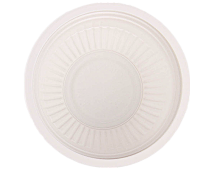
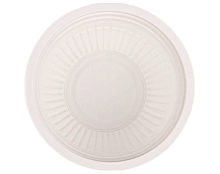
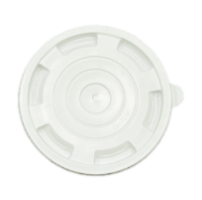
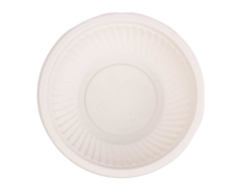
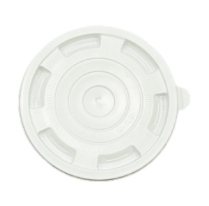
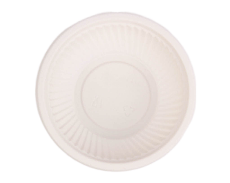
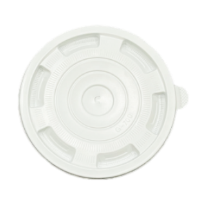
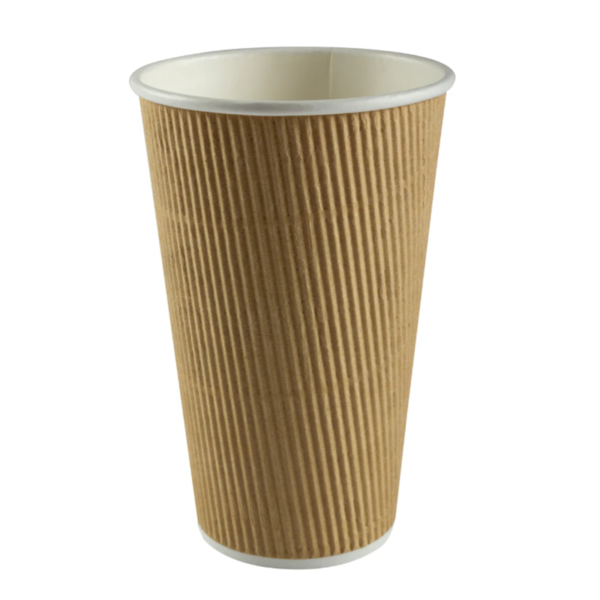
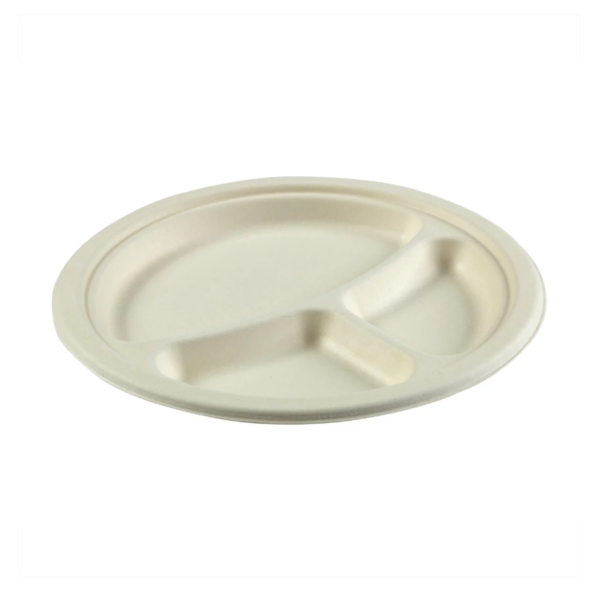
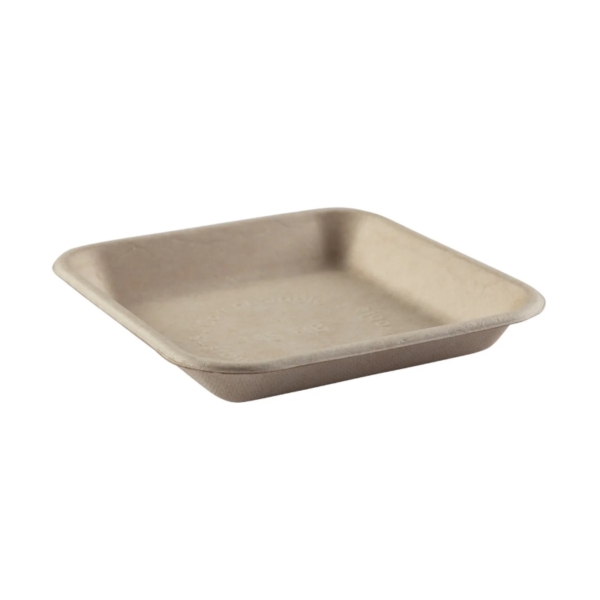
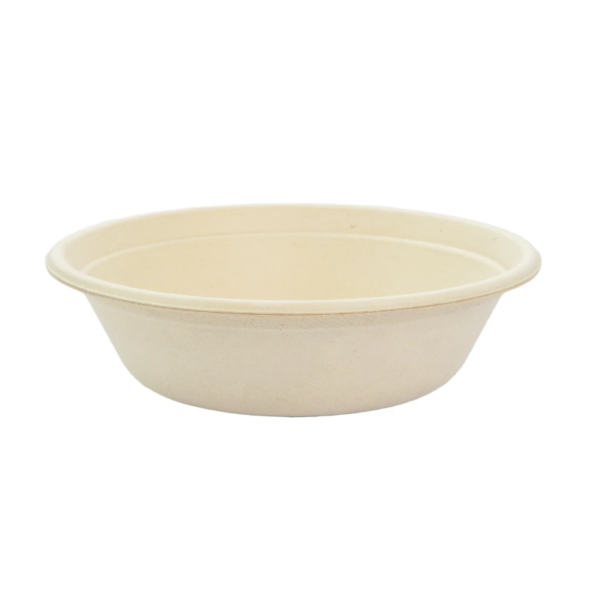
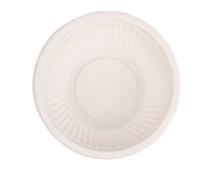
Round Bowl

DAILYECO, Your Professional Cornstarch Bowls Manufacturer

Cornstarch bowls in multiple sizes for foodservice and takeaway packaging

Key Facts About Cornstarch Bowls 

Item

Information

Product Name

Cornstarch Bowls

Material

Cornstarch-based compound; exact formulation and renewable content should be confirmed for the selected SKU

Available Bowl Sizes

9oz, 11oz, 15oz, 20oz, 24oz, and 33oz (approximately 250ml–1000ml)

Matching Lids in Current Range

15oz, 20oz, 24oz, and 33oz lid options

Typical Applications

Restaurants, catering, takeaway, food delivery, retail meals, snacks, salads, noodles, and desserts

Manufacturing Structure

Molded cornstarch-based bowl; forming process depends on the confirmed material grade

Customization

OEM packaging, private label, carton printing, barcode, and market-specific packing

Buyer Documentation

Product specification, material declaration, food-contact reports, packing list, and applicable environmental documentation

Supply Type

Manufacturer and export supply partner


Cornstarch Bowls are lightweight disposable food containers produced from a starch-based compound formulated for molding and commercial foodservice use. The current range covers portion bowls through full-meal formats, giving buyers a practical size ladder from 250ml to 1000ml.

Because performance and end-of-life claims depend on the complete formulation—not cornstarch alone—buyers should match every Cornstarch Bowl to its intended food type, service temperature, holding time, lid, destination market, and supporting documentation before ordering.

What Are Cornstarch Bowls?

Cornstarch Bowls are molded disposable bowls made from a cornstarch-based compound rather than untreated cornstarch powder. The compound may contain additional polymers and food-contact additives needed for strength, forming stability, moisture resistance, and temperature performance. The exact composition must therefore be confirmed by product grade and supplier documentation.

Commercial buyers use Cornstarch Food Bowls for prepared meals, rice, salads, noodles, desserts, snacks, and selected soup or sauce applications. Suitability for hot, oily, acidic, chilled, microwave, or freezer use should be verified against the relevant product test rather than assumed from the product name.

The range is designed for restaurants, catering companies, foodservice distributors, takeaway brands, hospitality suppliers, retail packaging companies, and private-label operators that need repeatable specifications and export-oriented packing.

A Cornstarch Bowl should not automatically be described as compostable or biodegradable. Those claims apply only when the finished item is covered by suitable test evidence or certification and when the disposal conditions are clearly stated.

What Are the Key Features of Cornstarch Bowls? 

Feature

Buyer-Relevant Information

What to Confirm Before Ordering

Size Range

9oz–33oz bowls; approximately 250ml–1000ml

Portion size, fill line, top diameter, and lid compatibility

Lightweight Construction

Individual bowl weights in the current catalog range from 7g to 30g

Weight tolerance and target application

Molded Structure

Consistent shape and stackability for high-volume handling

Wall thickness, rim strength, and nesting performance

Foodservice Performance

Designed for short-term serving and takeaway use

Food temperature, contact time, oil, sauce, and transport conditions

Lid Options

Selected 15oz, 20oz, 24oz, and 33oz lids are listed

Exact lid code, material, fit test, and venting requirement

Food Contact

Documentation can be reviewed by destination market

Applicable standard, test report, food type, and conditions of use

Environmental Positioning

Contains a plant-derived starch component

Renewable content, full formulation, certification scope, and disposal route

Customization

Private label, carton printing, barcodes, and packaging configuration

MOQ, artwork, tooling, sampling, and lead time

The practical value of Disposable Cornstarch Bowls comes from matching the selected size and material grade to a defined foodservice condition. Buyers obtain more reliable results when specifications are approved with actual food, temperature, filling, stacking, and transport tests.

Image Placement & Size: Feature image — 1920 × 750 px, centered, not full width.

Image Content: A close-up cross-section and rim view of a cornstarch bowl beside material pellets and a matching lid; show actual texture and proportions without certification logos.

Image Alt: Cornstarch bowl rim structure, molded finish, and material pellets(图2)

Why Are Cornstarch Bowls Becoming Popular Worldwide? 

Foodservice buyers are evaluating disposable packaging through a wider set of criteria than unit price alone. Material origin, food-contact documentation, service performance, appearance, packing efficiency, and end-of-life communication now influence product selection in many markets.

Cornstarch Bowls attract interest because they provide a visible plant-based material story while retaining the molded form and lightweight handling expected from disposable food containers. Their suitability, however, depends on the complete formulation and the operating conditions of each application.

Buyer Driver

Why It Matters

Plant-Derived Material Interest

Supports packaging programs that want documented renewable-content information

Takeaway and Delivery Growth

Creates demand for lightweight bowls that stack efficiently and travel with matching lids

Private-Label Expansion

Allows distributors and brands to differentiate cartons, labels, barcodes, and retail presentation

Material Transparency

Encourages buyers to request composition, food-contact reports, and end-of-life evidence

SKU Rationalization

A planned 9oz–33oz range can cover portions, meals, and sharing formats without unnecessary duplication


For importers and distributors, the commercial opportunity lies in offering a clearly documented product range rather than relying on broad environmental wording. A reliable Cornstarch Bowl Manufacturer should help buyers define the right SKU, lid, packing method, and compliance file for each market.

Industry Insights & Market Trends

Professional foodservice buyers increasingly evaluate disposable bowls through product specifications, application performance, documentation, packing efficiency, and total supply-chain cost—not unit price alone.

For Cornstarch Bowls, buyers commonly request clearer information about material composition, food-contact conditions, usable capacity, temperature limits, lid compatibility, carton configuration, and applicable end-of-life claims.

These priorities should not be interpreted as one universal global market trend. Food-contact requirements, single-use product policies, accepted environmental claims, and disposal infrastructure vary by destination country and customer channel. Importers should therefore evaluate each market separately and use current primary regulatory sources when confirming legal requirements.

Image Placement & Size: Industry image — 1920 × 750 px, centered, not full width.

Image Content: A foodservice packaging sourcing meeting with cornstarch bowl samples, specification sheets, cartons, and compliance documents on the table.

Image Alt: Buyers comparing cornstarch bowl specifications and documentation(图3)

Global Market Overview

Demand varies significantly by country because food-contact rules, single-use product policies, composting infrastructure, accepted environmental claims, and customer expectations are not identical. Export programs should therefore be built by destination market rather than using one global claim set.

  • North American buyers often request item-level documentation and clear commercial-composting qualifications where compostability is claimed.
  • European buyers commonly require food-contact documentation and carefully qualified environmental wording for the finished product.
  • Australia, the Middle East, and Asian markets may apply different import, labeling, food-contact, and disposal requirements by country or customer channel.
  • Foodservice distributors typically prioritize repeatable packing, replenishment, carton efficiency, and multi-size portfolio planning.

Key Industry Trends

Greater Material Transparency

Buyers want the percentage and identity of the plant-derived and polymer components, not only the generic term ‘cornstarch material’.

Performance Data by Application

Temperature, oil, liquid, stacking, and delivery tests are becoming more useful than subjective ratings such as ‘excellent heat resistance’.

Qualified Environmental Claims

Professional brands distinguish plant-based content from certified compostability and state the applicable disposal conditions.

Fewer, Better-Defined SKUs

Distributors are building size ranges around real portion and lid requirements to reduce slow-moving inventory.

Retail and E-Commerce Readiness

Barcode control, carton artwork, retail packs, online photography, and consistent product naming are increasingly planned at the sourcing stage.

Brand Differentiation Through Packaging

For distributors and private-label brands, differentiation comes from a coherent size range, reliable lid matching, accurate product naming, consistent retail presentation, and claims that can be supported by the selected SKU documentation.

Clear carton graphics, stable product color, controlled pack counts, high-quality product photography, and consistent specification data help strengthen buyer confidence after the product enters distribution.

Regional Market Focus

Different regions prioritize different aspects of disposable food packaging. The following table is a sourcing guide rather than a substitute for destination-market legal review.

Region

Typical Market Focus

North America

Food-contact documentation, product performance, operational efficiency, and qualified environmental claims

South America

Food-contact compliance, single-use product rules, material transparency, and substantiated end-of-life claims

Middle East

Heat and transport performance, hospitality presentation, export packing, and supply continuity

Asia

Cost efficiency, production stability, rapid replenishment, and market-specific import requirements


What This Means for Buyers

Professional sourcing decisions are no longer based solely on unit price. Buyers increasingly evaluate whether a supplier can deliver:

  • Consistent product specifications and quality
  • Reliable manufacturing and replenishment capacity
  • Flexible OEMand private-label support
  • Food-contact and destination-document coordination
  • Stable long-term supply and traceability
  • Qualified environmental communication
  • Practical application-testing guidance

For Cornstarch Bowls, this means approving the complete material, product, lid, packing, documentation, and use-condition package rather than selecting a bowl from the product name alone.

Which Material Is Right for Your Business?

The right bowl material depends on the food, service temperature, contact time, barrier requirement, local rules, disposal route, and brand objective. No single material is automatically the best choice for every application.

Choose Cornstarch Bowls If You:

  • Need a molded disposable bowl range with a documented plant-derived starch component.
  • Require portion-to-meal capacities from approximately 250ml to 1000ml.
  • Can approve the exact formulation and performance against your real foodservice conditions.
  • Want private-label packaging, export cartons, and selected matching-lid options.
  • Will communicate compostability or biodegradability only when product-level evidence supports the claim.

Choose Plastic Bowls If You:

  • Require transparent display or a highly predictable barrier for extended liquid contact.
  • Need a resin grade designed for a clearly defined microwave, freezer, or high-temperature condition.
  • Operate in a market where the selected plastic format is accepted and compliant with local requirements.

Choose Paper Bowls If You:

  • Need a large printable sidewall for branding and menu communication.
  • Serve applications compatible with the selected paperboard and barrier coating.
  • Can verify whether the coating affects recycling, composting, heat, or leakage performance.

Choose Bagasse Bowls If You:

  • Prefer a molded-fiber appearance made from sugarcane pulp.
  • Need a fiber-based format whose heat, grease, liquid, and microwave performance can be verified for the selected SKU.
  • Will use compostability claims only where finished-product evidence and local disposal conditions support them.

Choose PLA Bowls If You:

  • Prioritize transparent or translucent presentation for cold-food applications.
  • Operate within the confirmed temperature range of the selected PLA product.
  • Have access to an end-of-life route and certification scope appropriate to the destination market.

Procurement Recommendations by Market

Application or Priority

Material to Evaluate

Primary Verification Point

Short-service meals and snacks

Cornstarch-based, bagasse, paper, or PP

Food temperature, contact time, oil, and lid fit

Hot and oily meals

Bagasse, suitable paper, PP, or tested cornstarch grade

Heat and grease test under actual use

Cold product display

PLA, PET, or clear PP

Temperature range and local end-of-life route

Plant-derived material positioning

Cornstarch-based, bagasse, PLA, or paper

Verified renewable content and qualified claims

Long holding or liquid storage

Specialized plastic or coated structure

Barrier, sealing, migration, and shelf-life data


DAILYECO’s Complete Cornstarch Bowls Categories Will Cover All Your Sales and On-Site Application Needs 

DAILYECO’s current Cornstarch Bowls range includes six bowl capacities and four listed lid options. The dimensions and packing data below are transcribed from the supplied product catalog; buyers should request the latest controlled specification before purchase.

Pictures

Name

Size

Weight (g)

Pcs/Bag

Bags/CTN

Pcs/CTN

Carton L (cm)

Carton W (cm)

Carton H (cm)

9oz Cornstarch Bowl

Ø110x46mm (Ø4.3″x1.8″) 250ml

7.0

125

16

2000

46

28

46.5

11oz Cornstarch Bowl

Ø118x51mm (Ø4.6″x2″) 330ml

7.5

125

16

2000

49

25

49.5

15oz Cornstarch Bowl

Ø122x60mm (Ø4.8″x2.3″) 450ml

17.0

40

12

480

51

39

32

15oz Cornstarch Bowl Lid

Ø124mm

8.0

40

12

480

53

23.5

40.5

20oz Cornstarch Bowl

Ø123x70mm (Ø4.8″x2.8″) 600ml

17.0

25

20

500

63

50.5

39

20oz Cornstarch Bowl Lid

Ø122mm

8.0

25

20

500

52

26

39

24oz Cornstarch Bowl

Ø152x76mm (Ø6.0″x3.0″) 700ml

25.0

40

12

480

62

46.5

32

24oz Cornstarch Bowl Lid

Ø152mm

10.0

40

12

480

59

26

44

33oz Cornstarch Bowl

Ø168x80mm (Ø6.6″x3.1″) 1000ml

30.0

40

12

480

69

52

40.5

33oz Cornstarch Bowl Lid

Ø168mm

12.0

40

12

480

71

25

54

Get Latest Catalog

What Is the Application of Cornstarch Bowls? 

Cornstarch Bowls are used across foodservice, takeaway, hospitality, catering, travel, and promotional meal programs. Their suitability depends on bowl capacity, food temperature, oil or liquid contact, holding time, lid fit, stacking, and transport conditions.

The following guide explains where these bowls may be used, which operational requirements buyers should evaluate, and which catalog sizes provide a practical starting point for sample testing.

Cornstarch bowls for takeaway meal service(图A1)

Takeaway Meal Service

Takeaway restaurants require fast portioning, reliable nesting, clear size codes, and a bowl-and-lid combination that remains stable from filling to handover.

Typical Requirements

  • Secure lid fit
  • Rim rigidity
  • Leakage and deformation testing
  • Consistent portion control
  • Efficient carton replenishment

Recommended Sizes

15oz · 20oz · 24oz · 33oz

Office Meal Programs

Corporate cafeterias, co-working spaces, and employee meal programs need clean handling, predictable pack counts, simple inventory control, and sizes that cover sides through full meals.

Typical Requirements

  • Standardized specifications
  • Easy storage and dispensing
  • Multiple portion sizes
  • Reliable daily supply
  • Clear disposal communication

Recommended Sizes

11oz · 15oz · 20oz · 24oz

Cornstarch bowls used in office meal programs
Cornstarch bowls for conferences and exhibition catering(图A3)

Conference & Exhibition Catering

Conferences, exhibitions, seminars, and trade events often serve large meal volumes within short time windows. Packaging should support rapid service, staged inventory, and consistent presentation.

Typical Requirements

  • Fast distribution
  • Stable stacking
  • Predictable case packs
  • Event labeling or private-label cartons
  • Waste-station planning

Recommended Sizes

9oz · 11oz · 15oz · 20oz

Hotel & Guest Hospitality

Hotels may use Cornstarch Bowls for breakfast service, conferences, staff dining, poolside meals, room-service support, and selected takeaway programs. Product selection should reflect the service format, portion size, food temperature, holding time, and whether a catalog-listed lid is required.

Typical Requirements

  • Professional product appearance
  • Food-contact documentation
  • Application-specific capacity
  • Reliable year-round supply
  • Confirmed lid compatibility where required
  • Clear product and disposal communication

Recommended Sizes

  • 11oz for open-bowl sides, desserts, and breakfast applications
  • 15oz, 20oz, or 24oz when a catalog-listed matching lid is required
Cornstarch Bowls for hotel breakfast, room service, and hospitality applications(图A4)
Cornstarch bowls for airport and railway foodservice(图A5)

Transportation & Travel Foodservice

Airports, railway stations, service areas, and travel operators require lightweight food packaging that can be handled while customers are moving.

Typical Requirements

  • Secure closing system
  • Stack stability
  • Lightweight handling
  • High-volume availability
  • Transport testing

Recommended Sizes

15oz · 20oz · 24oz

Drive-Through & Quick Service Restaurants

Quick-service and drive-through operations prioritize speed, standardized fill procedures, low picking error, and a bowl that integrates with the complete delivery bag system.

Typical Requirements

  • Fast portioning
  • Standard product codes
  • Repeatable lid fit
  • Bag-loading stability
  • Consistent quality

Recommended Sizes

15oz · 20oz · 24oz · 33oz

Cornstarch bowls for quick-service and drive-through meals
Cornstarch bowls prepared for food delivery platforms(图A7)

Food Delivery Platforms

Delivery applications require testing of the bowl, lid, meal, secondary bag, stacking height, delivery duration, and temperature as one system.

Typical Requirements

  • Leakage control
  • Condensation management
  • Rim and lid engagement
  • Delivery durability
  • Clear product identification

Recommended Sizes

15oz · 20oz · 24oz · 33oz

Outdoor Events & Seasonal Promotions

Festivals, sporting events, markets, and temporary food kiosks need portable bowls, flexible stock planning, and packaging that can be distributed quickly across service points.

Typical Requirements

  • Easy transportation
  • Clear portion planning
  • Private-label outer packaging
  • Fast replenishment
  • Waste and weather planning

Recommended Sizes

9oz · 11oz · 15oz · 20oz · 24oz

Cornstarch bowls for outdoor events and seasonal promotions

Cornstarch Bowls vs Other Related Products

Material comparisons should be based on a defined application, not broad environmental rankings. The table below identifies the information buyers should verify for Cornstarch Bowls, paper bowls, plastic bowls, and PLA bowls.

Comparison Factor

Cornstarch Bowls

Paper Bowls

Plastic Bowls

PLA Bowls

Typical Structure

Starch-based molded compound

Paperboard plus barrier coating

PP, PET, PS, or other resin

PLA bioplastic

Appearance

Opaque, molded finish

Opaque printable sidewall

Clear or opaque by resin

Usually clear or translucent

Heat Performance

Formulation-specific; test required

Board and coating-specific

Resin-grade-specific

Often better suited to cold or moderate-temperature use

Liquid/Oil Performance

Product and contact-time-specific

Coating-dependent

Generally strong when correct resin is selected

Product and temperature-specific

Plant-Derived Content

Confirm formulation percentage

Paper fiber is plant-derived; coating may differ

Generally fossil-based unless otherwise documented

Plant-derived feedstock; verify grade

Compostability

Only if finished item is covered by evidence/certification

Depends on coating, inks, and certification

Generally not compostable

Only under stated certification and conditions

Best Evaluation Method

Sample and document review

Sample and coating review

Resin and use-condition review

Temperature and certification review

Cornstarch Bowls vs Paper Bowls

Cornstarch Bowls are molded from a starch-based compound, while paper bowls rely on formed paperboard and a barrier coating. Paper provides a broad printable surface; cornstarch-based products provide a molded shape and different surface character. Performance must be compared using the actual coating or compound, food, temperature, and contact time.

Cornstarch Bowls vs Plastic Bowls

Conventional plastic bowls can offer strong moisture resistance, transparency, or heat performance depending on the resin. Cornstarch-based alternatives provide a plant-derived material component but may require tighter control of temperature and holding conditions. Local material restrictions and disposal systems should be reviewed for both options.

Cornstarch Bowls vs PLA Bowls

PLA bowls are often selected where transparency and plant-derived bioplastic positioning are important, especially for cold foods. Cornstarch-Based Bowls are typically opaque and molded for a different appearance. Neither product should receive an unqualified compostable claim without finished-item evidence and clear disposal conditions.

Cornstarch Bowls vs Bagasse Bowls

Bagasse bowls are molded from sugarcane-fiber pulp and generally have a natural fiber appearance. Cornstarch Bowls use a starch-based compound and may provide a smoother molded surface. Hot-food, grease, liquid, microwave, freezer, and compostability performance should be compared using the exact finished products and supporting evidence.

Cornstarch Bowls vs Reusable Bowls

Reusable bowls may reduce single-use item consumption where collection, washing, hygiene control, return logistics, and repeated-use durability can be managed. Disposable Cornstarch Bowls are intended for short-service systems where return infrastructure is unavailable. Buyers should compare the complete operating system rather than material labels alone.

Who Usually Buys Cornstarch Bowls? 

Cornstarch Bowls are primarily purchased by B2B buyers that need repeatable specifications, documentation, packing, and supply continuity. Each buyer group evaluates the range from a different operational perspective.

Importer comparing cornstarch bowl specifications(图B1)

Importers

Importers evaluate destination-market documentation, landed cost, carton utilization, production timing, shipping marks, and supplier communication. They should request a controlled specification and confirm which report applies to each imported SKU.

Packaging Distributors

Distributors need a coherent size ladder, predictable replenishment, low breakage, clear product codes, and efficient warehouse storage. Pack counts and lid compatibility directly affect inventory planning and customer service.

Distributor inventory of cornstarch bowls and lids(图B2)
Foodservice team testing cornstarch bowls with real meals

Foodservice Procurement Teams

Restaurant groups and catering operators focus on portion control, actual food testing, multi-location consistency, supply continuity, and complaint reduction. Samples should be evaluated through the complete kitchen and delivery workflow.

Brand Owners

Brand owners consider product appearance, environmental wording, packaging design, artwork consistency, and customer experience. Claims on cartons and online listings should match the approved material and certification file.

Brand team reviewing custom cornstarch bowl packaging
Private-label cornstarch bowl project approval

Private Label Packaging Companies

Private-label companies require confidentiality, artwork control, barcode accuracy, pilot approval, and consistent production. Custom Cornstarch Bowls projects should define who owns the artwork, molds, test reports, and approved sample.

Foodservice Supply Companies

Foodservice suppliers usually carry multiple disposable categories and need products that fit existing sales channels. Clear case packs, product naming, and application guidance help sales teams recommend the correct bowl.

Foodservice supplier preparing cornstarch bowl orders
Hospitality procurement review of cornstarch bowls

Hospitality Procurement Companies

Hotels, resorts, and conference centers balance guest presentation, service speed, storage, documentation, and sustainability policies. Product selection may differ between room service, events, staff canteens, and poolside operations.

E-commerce Packaging Brands

Online brands need retail-ready packs, durable parcel packaging, consistent photography, accurate dimensions, and low return rates. Product pages should not promise microwave, freezer, or compostability performance without evidence.

E-commerce retail packs of cornstarch bowls

Are Cornstarch Bowls Right for Your Application? 

Cornstarch Bowls can be a suitable option when a buyer wants an opaque molded bowl with a plant-derived starch component and can validate the material, performance, and end-of-life wording for the intended market.

Choose Cornstarch Bowls If You:

Need a Structured Size Range

You require bowls from small portions through 1000ml meal formats and can standardize product codes by actual fill volume.

Serve Short-Hold Foodservice Meals

Your application is dine-in, takeaway, catering, or delivery rather than extended filled-product storage.

Can Test the Real Application

You can evaluate samples with the actual food, temperature, contact time, lid, stacking, and transport process.

Need OEM Packaging Support

You require private label, carton printing, barcode, retail pack, or market-specific shipping marks.

Will Use Qualified Environmental Claims

You can distinguish plant-derived content from compostability and apply only claims supported by the selected SKU documentation.

Application Suitability Guide

Application Requirement

Initial Recommendation

Required Confirmation

Sides, desserts, and tasting portions

9oz or 11oz bowl

Actual fill volume and food temperature

Regular meals and noodles

15oz or 20oz bowl

Food weight, rim strength, and lid fit

Large salads and meal portions

24oz or 33oz bowl

Stacking, transport, and carton handling

Hot soup or oily food

Test selected SKU

Temperature, duration, leakage, and deformation

Long-term liquid storage

Evaluate specialized packaging

Barrier, sealing, migration, and shelf life

Transparent food display

Evaluate PLA, PET, or clear PP

Temperature and local disposal route

Compostability claim

Only a certified/evidenced SKU

Standard, certificate, item code, and disposal conditions

Key Buyer Questions Before Purchasing Cornstarch Bowls

What information should I provide for an accurate commercial quotation?

Provide the intended application, target capacity, lid requirement, annual forecast, first-order quantity, destination market, packing configuration, Private Label scope, required documents, requested delivery date, and Incoterm. A complete sourcing brief allows the Cornstarch Bowl Manufacturer to quote the correct SKU, packing basis, tooling requirement, and lead time.

How is the MOQ determined for a Cornstarch Bowl order?

MOQ should be confirmed separately for standard stock items, made-to-order products, custom colors, printed bags, Private Label cartons, retail packs, and new molds. Ask the supplier to state the MOQ by SKU, artwork version, packing format, and shipment lot so that the commercial basis is unambiguous.

What sampling and pre-production approval steps are required?

The approval sequence may include standard samples, application testing, artwork proofs, printed-packaging samples, pre-production samples, pilot production, and a signed golden sample. The purchase order should identify which approved sample, drawing, specification, artwork file, and inspection standard control mass production.

How are OEM and Private Label requirements confirmed before production?

Define every customized element, including product color, mold, logo, bag, sleeve, carton, label, barcode, shipping mark, language, and regulatory wording. Confirm artwork ownership, tooling ownership, color reference, barcode verification, print tolerance, approval responsibility, MOQ, and additional lead time before production is released.

What production capacity and lead-time information should I verify?

Request normal and peak-season output for the selected SKU, available production slots, raw-material lead time, packaging lead time, molding cycle, inspection window, and shipment cut-off. The confirmed schedule should distinguish sample approval, production, inspection, loading, and transit time rather than presenting one unsupported total lead time.

How should the manufacturer control quality during mass production?

The Quality Control plan should cover incoming-material identity, formulation and moisture control, molding parameters, dimensions, weight, appearance, rim integrity, stackability, lid engagement, application testing, pack count, carton condition, and batch traceability. Agree the tolerances, sampling level, defect classification, and acceptance criteria before production.

Can buyers arrange inspections and obtain batch traceability records?

Confirm whether the supplier supports first-article approval, in-process checks, pre-shipment inspection, third-party inspection, retained samples, lot identification, and corrective-action records. The inspection report should reference the purchase order, SKU, approved specification, batch, quantity, and agreed acceptance standard.

Which export documents and packing details must be confirmed?

Confirm the commercial invoice, packing list, certificate of origin where required, product and material documents, carton marks, barcode data, pallet or non-pallet loading, wooden-packing requirements, gross and net weight, container-loading plan, and destination labeling. The importer should verify local legal and customs requirements before shipment.

How should payment terms, shipping terms, schedule changes, and claims be managed?

Record the currency, payment stages, Incoterm, shipment method, delivery window, document deadline, change-control process, delay-notification rule, inspection release, and claim procedure in the commercial agreement. Any change to specification, artwork, material, quantity, packing, or schedule should require written approval before implementation.

Cornstarch bowl procurement, production approval, and export documentation review

When Cornstarch Bowls May Not Be the Best Choice 

Transparent discussion of limitations helps buyers avoid failures and select a better packaging structure. Cornstarch-Based Bowls should be evaluated carefully in the following situations.

Extremely Cost-Sensitive Projects

If the only purchasing objective is the lowest initial unit price, a standard paper or conventional plastic format may be more competitive. Total cost should still include packing density, defects, leakage, complaints, and inventory complexity.

Applications Requiring Product Transparency

Opaque cornstarch bowls do not provide the visibility offered by clear PLA, PET, or PP. Transparent packaging may be more suitable for display-led salads, desserts, and chilled retail foods.

Industrial Applications

These bowls are not designed for chemicals, laboratory samples, solvents, industrial liquids, or other non-food uses requiring specialized resistance data.

Applications Requiring Specific Sustainability Certifications

If a tender requires a named compostability, renewable-content, carbon, or chemical certificate, confirm that the finished item and exact SKU are covered before quoting or printing the claim.

What Is the Processing to Manufacture Cornstarch Bowls? 

Producing consistent cornstarch bowls requires controlled raw-material compounding, pelletizing, sheet extrusion, forming, trimming, inspection, packaging and shipment.

The manufacturing process converts cornstarch-based materials into finished food containers with controlled dimensions, surface quality and foodservice performance.

Raw Material Compounding for Cornstarch Bowls(图P1)

Step 1 – Raw Material Compounding

Cornstarch-based materials and functional additives are weighed according to the approved formulation and mixed under controlled conditions. Mixing time, temperature and material ratios are controlled to ensure consistent material performance.

Step 2 – Pelletizing

The compounded material is processed through pelletizing equipment to produce uniform granules. Pellet size, moisture content and batch identification are controlled to support stable sheet extrusion and product consistency.

Cornstarch-Based Material Pelletizing Process
Sheet Extrusion for Cornstarch Bowl Production(图P3)

Step 3 – Sheet Extrusion

The prepared granules are fed into sheet-extrusion equipment, heated and processed into continuous sheets. Sheet thickness, width, temperature and surface quality are controlled according to the selected cornstarch bowl specification.

Step 4 – Bowl Forming

The prepared sheets are reheated and shaped into standard bowls through positive and negative pressure forming with dedicated molds. Precise positive blowing pressure and negative vacuum suction, together with heating temperature, cycle time and mold parameters, are finely tuned to deliver highly uniform shaping accuracy, consistent wall thickness, stable dimensional tolerance and premium smooth surface finish for each cornstarch bowl.

Cornstarch Bowl Positive and Negative Pressure Forming Process
Quality Inspection of Cornstarch Bowls

Step 5 – Inspection & Quality Control

Finished bowls are inspected for dimensions, unit weight, appearance, deformation, surface finish, stacking, separation and lid fit. Application-performance checks are conducted according to the approved product specification and quality requirements.

Step 6 – Packaging & Shipment

Approved cornstarch bowls are counted, packed into inner bags and export cartons, and labeled according to the confirmed order requirements. Finished cartons are stored, palletized where required and prepared for domestic or international shipment.

Packaging and Shipment of Cornstarch Bowls

How to Choose the Right Cornstarch Bowls Manufacturer? 

A suitable Cornstarch Bowl Manufacturer should be evaluated on technical control, documentation, repeatability, customization, capacity, and export execution—not on the quotation alone.

Manufacturing Experience

Choose a manufacturer with proven experience in molded disposable food packaging for international markets. Verify the relevant cornstarch material approval, molding process, tooling, maintenance, finished-goods handling, and which operations are performed in-house or outsourced.

Production Capacity

Compare normal monthly output, peak-season capacity, planned maintenance, material lead time, packaging lead time, production cycle, and available production slots. Capacity should be confirmed for the selected SKU and period rather than accepted as one unsupported factory-wide number.

Product Quality Management

Review the controlled specification, inspection standard, measuring equipment, application tests, nonconformance process, batch traceability, and pre-shipment inspection options. Samples should be linked to the approved specification and production lot.

Customization Capability

Confirm which elements can be customized, the development sequence, tooling ownership, artwork approval, color tolerance, barcode verification, pilot run, MOQ, and cost. Customization should be technically reviewed before price and schedule are finalized.

Food Contact & Compliance Support

The supplier should map food-contact reports, material declarations, and environmental documentation to the relevant material grade and finished item. Generic certificates without clear product scope should be treated as supporting information rather than automatic proof.

Export Experience

Evaluate documentation accuracy, carton marks, container loading, palletization, communication across time zones, change control, and the ability to coordinate third-party inspections and customer-specific shipping requirements.

Technical Support

A professional supplier should help buyers select bowl capacity, confirm lid compatibility, plan application tests, optimize packing, review material claims, and define the approval file before purchase orders are released.

Customer Service

Evaluate quotation response, sample coordination, dedicated account support, production updates, inspection communication, shipping follow-up, complaint handling, and the supplier’s ability to maintain controlled records throughout long-term cooperation.

Pre-Purchasing Checklist for Buyers

Complete this checklist before approving a sample, purchase order, or production instruction for Cornstarch Bowls.

Technical & Product Checks

Commercial & Supply Checks

☐ Bowl capacity and actual fill line

☐ Diameter, height, and unit weight

☐ Weight and dimensional tolerances

☐ Exact material formulation description

☐ Renewable-content information, if claimed

☐ Food-contact reports and conditions of use

☐ Compostability scope and disposal conditions, if claimed

☐ Hot-food temperature and contact time

☐ Oil, sauce, and leakage test

☐ Microwave and freezer status

☐ Lid code, material, venting, and fit

☐ Stacking and delivery performance

☐ Unit pack and carton quantity

☐ Carton dimensions, gross weight, and loading plan

☐ Logo, artwork, barcode, and label approval

☐ MOQ, tooling cost, and pilot quantity

☐ Sample and golden-sample approval

☐ Production lead time and shipment window

☐ Inspection standard and batch traceability

☐ Destination-market and importer requirements

☐ Payment terms and change-control process

☐ After-sales and claim-handling procedure

A signed specification, approved sample, and agreed inspection standard should control production. Email descriptions alone are not a substitute for a complete approval file.

Choose DAILYECO to Be Your Professional Cornstarch Bowls Manufacturer

DAILYECO cornstarch bowl manufacturing and quality inspection area

DAILYECO supports importers, distributors, foodservice companies, hospitality groups, retail packaging brands, and private-label customers sourcing Cornstarch Bowls for international markets.

The cooperation process can cover specification review, material and application confirmation, sampling, packaging development, production, inspection, documentation, and shipment coordination.

Available production capacity, MOQ, customization scope, lead time, documentation, and packing configuration are confirmed according to the selected SKU, order quantity, destination market, and project requirements during quotation.

Factory Capability

DAILYECO Manufacturing Capability

Description

Employees

More than 1,000 experienced employees across relevant operations

Production Process

Cornstarch-based material preparation and automated molding; exact equipment scope to be confirmed by product grade

Monthly Capacity

300 tons final products or 30 containers x 40HQ containers 

Available Bowl Sizes

9oz, 11oz, 15oz, 20oz, 24oz, and 33oz (approximately 250ml–1000ml)

Matching Lids

Listed lid options for 15oz, 20oz, 24oz, and 33oz bowls

OEM

Retail pack, bag, label, barcode, carton artwork, and shipping-mark customization

ODM

Specification optimization and new-product development subject to technical review

Production MOQ

Confirmed by product, stock status, color, printing, packaging, and tooling requirement, common MOQ start from 50,000pcs

Typical Custom Lead Time

Approximately 30–35 days after final approval, subject to material and production schedule

Technical Support

Product selection, sample evaluation, packing review, and destination-document coordination


Compliance & Documentation Support

DAILYECO can coordinate available product specifications, material declarations, food-contact reports, factory audit information, and applicable environmental documentation according to the selected item and destination market.

  • Food-contact documentation and stated conditions of use
  • Material composition or material declarationwhere available
  • Finished-product or component test reports within their stated scope
  • Applicable compostability documentation for covered items only
  • Factory audit and third-party inspection coordination

View Our Compliance & Certification Support Page 

Customization Services

  • Custom product and packaging specifications
  • Private-label bags, sleeves, cartons, and retail packs
  • Logo, artwork, barcode, shipping mark, and label coordination
  • New mold or structure development subject to feasibility review
  • Amazon-ready and e-commerce packaging preparation
  • Pilot production and approved-sample control where required

Export Experience

Export support can include order coordination, carton and shipping-mark review, commercial documentation, inspection scheduling, container loading, and shipment communication for North America, Europe, Australia, the Middle East, Asia, and other markets subject to customer requirements.

Customer Service

The international sales and technical teams can support product selection, sample arrangement, artwork approval, production updates, inspection coordination, shipment preparation, and after-sales follow-up throughout the project lifecycle.

Continuous Product Development

Product development should focus on verified improvements such as better size architecture, lid compatibility, stacking, packing density, application performance, traceability, and claim accuracy. New Custom Cornstarch Bowls should be introduced only after technical and commercial approval.
REQUEST A QUOTE

Case Studies

Case 1Regional Healthy Meal Chain Standardized Its Cornstarch Bowl Range 

Customer Background

A healthy-meal chain with 54 locations used approximately 320,000 takeaway bowls per month.

Challenge

Nine bowl sizes and four lid specifications created picking errors, unnecessary stock, and inconsistent ordering across locations.

DAILYECO Solution

DAILYECO reorganized the program around three approved bowl-and-lid sets, with separate product codes and application testing using representative 85°C food for 60 minutes.

Results

The project reduced the number of packaging SKUs from 13 to four, reduced inventory by 27%, and decreased picking errors from 2.8% to 1.1%.

Key Takeaways

Size rationalization works only when bowl capacity, lid fit, menu use, and product codes are standardized together.

Case 2National Foodservice Distributor Consolidated Its Cornstarch Bowl Supply 

Customer Background

A distributor supplied disposable packaging to more than 2,400 restaurants, hotels, and catering customers.

Challenge

Eleven bowl-and-lid SKUs sourced from four suppliers created inconsistent quality, duplicate inventory, and higher warehouse-management effort.

DAILYECO Solution

DAILYECO consolidated the active range into six core specifications and created a monthly supply plan for approximately 400,000 units.

Results

The project reduced pallet positions by 21%, reduced monthly purchase orders from 11 to six, and achieved 97.8% on-time fulfillment across eight shipments.

Key Takeaways

Supplier and SKU consolidation can improve control when specifications, inspection, and replenishment planning are agreed in advance.

Case 3Private-Label Cornstarch Bowl Project Completed Within 48 Days 

Customer Background

A retail packaging brand requested 600,000 custom 20oz bowls with matching lids, barcodes, and branded cartons.

Challenge

Artwork, samples, pilot production, mass production, and shipment preparation had to fit a 48-day project window.

DAILYECO Solution

DAILYECO coordinated bowl and carton review, completed updated samples within nine days, and conducted a 5,000-piece pilot run before mass production.

Results

The project was completed within 31 production days, with shipment prepared four days before the deadline. The first-pass yield reached 98.6%, and complaints remained below 0.3%.

Key Takeaways

Early specification control, barcode review, and pilot production reduce risk in time-sensitive private-label projects.

FAQ 

What is a Cornstarch Bowl made from?

A Cornstarch Bowl is made from a cornstarch-based molding compound. Cornstarch is one component; polymers and food-contact additives may also be used to provide forming stability, strength, moisture resistance, and service performance. Confirm the exact formulation through the Material Declaration for the selected product.


Is a Cornstarch Bowl made from 100% cornstarch?

It should not be assumed to contain 100% cornstarch. Untreated starch alone would not normally provide the moisture resistance and molded stability required for a commercial disposable bowl. Ask the supplier to confirm the complete formulation and any stated renewable-content percentage.


Which Cornstarch Bowl sizes are available?

The supplied catalog lists 9oz, 11oz, 15oz, 20oz, 24oz, and 33oz bowls, covering approximately 250ml to 1000ml. Confirm the top diameter, height, unit weight, nominal capacity, and working fill volume for the exact SKU before ordering.


Which Cornstarch Bowl sizes have matching lids?

The current catalog lists lid options for the 15oz, 20oz, 24oz, and 33oz formats. A lid should be approved by exact bowl and lid product codes because a similar nominal diameter does not automatically guarantee rim engagement, venting, stacking, or leakage performance.


Can a Cornstarch Bowl hold hot food?

Some material grades may be suitable for selected hot-food applications, but the maximum temperature and contact time vary by formulation and bowl design. Test the exact SKU with the real meal, filling temperature, holding period, and lid before approving a heat-related claim.


Can a Cornstarch Bowl be used for soup, sauce, or oily food?

Suitability depends on formulation, bowl shape, food temperature, contact time, oil level, acidity, lid fit, and transport conditions. Conduct leakage, deformation, rim-strength, and delivery tests with the intended soup, sauce, or oily meal.


Is a Cornstarch Bowl leakproof?

Leak resistance is an application result rather than a universal material property. The bowl-and-lid set should be tested with the intended liquid or sauce, filling temperature, holding time, orientation, stacking load, and delivery movement. Do not publish an absolute leakproof claim without supporting test evidence.


Is a Cornstarch Bowl microwave safe?

Microwave suitability should not be assumed from the word cornstarch. Use a microwave claim only when the exact finished product has been tested for the stated power, time, food load, starting temperature, and use conditions.


Can a Cornstarch Bowl be used in a freezer?

Freezer suitability depends on the material grade, temperature, storage duration, food type, and thawing method. Verify brittleness, cracking, dimensional change, condensation, and lid fit through product-specific testing.


Is a Cornstarch Bowl suitable for food contact?

Food-contact suitability must be supported by documentation applicable to the exact material or finished item, intended food type, temperature, and contact time. Buyers should review the relevant report scope and destination-market requirements before use.


Is a Cornstarch Bowl compostable?

Only a finished Cornstarch Bowl covered by applicable test evidence or certification should be described as compostable. The claim should identify the covered item, applicable standard, commercial or home composting route, and required disposal conditions.


Is a Cornstarch Bowl biodegradable?

Do not use an unqualified biodegradable claim. Degradation depends on the complete formulation, environment, time, temperature, moisture, and disposal system. Use only the specific end-of-life wording supported for the finished product.


Is the nominal capacity the same as the usable fill volume?

Not always. Nominal capacity may be measured to a defined reference point, while the practical fill line must leave room for food movement, lid clearance, and safe handling. Confirm usable volume with an approved sample and the actual menu portion.


How should a Cornstarch Bowl be stored, and what is its shelf life?

Store sealed cartons in a clean, dry, ventilated area away from direct sunlight, excessive heat, moisture, strong odors, and chemicals. Shelf life depends on the material grade and storage conditions, so use the supplier’s product-specific recommendation and apply stock rotation.


How should a used Cornstarch Bowl be disposed of?

Follow the local waste system and the exact claim supported for the product. Plant-derived content does not automatically make a bowl recyclable or compostable in every location. Where a certified composting route exists, follow the certificate scope and the facility’s acceptance rules.

DAILYECO Industry Expert Tips: 10 Professional Insights for Sourcing Cornstarch Bowls 

The following insights highlight common sourcing mistakes and practical ways to improve specification control, supplier comparison, and long-term procurement value.

Common Mistake: Comparing Prices Without Comparing Product Specifications

Why It Matters

Two bowls with the same stated capacity may differ in diameter, height, weight, formulation, rim design, packing, and performance.

DAILYECO Expert Advice

Create one comparison sheet and normalize every quotation to the same specification and carton basis.

Best Practice

  • Product dimensions and fill volume
  • Unit weight and tolerance
  • Material grade
  • Pack count and carton size
  • Lid code and test conditions

Common Mistake: Choosing a Supplier Based Only on Unit Price

Why It Matters

Low unit price can be offset by leakage, breakage, inconsistent counts, delayed delivery, excess inventory, and claims.

DAILYECO Expert Advice

Compare total landed and operating cost, including defect risk, carton efficiency, replenishment, and service.

Best Practice

  • Quality consistency
  • Delivery performance
  • Packing efficiency
  • Claim handling
  • Communication and change control

Common Mistake: Ignoring Material Requirements and Market Regulations

Why It Matters

A product name does not establish food-contact status, environmental certification, or legal acceptance in the destination market.

DAILYECO Expert Advice

Confirm the required documents and claim wording before sampling, artwork, and production.

Best Practice

  • Food-contact conditions
  • Material declaration
  • Environmental claim scope
  • Destination labeling
  • Importer review

Common Mistake: Selecting the Wrong Product Size Strategy

Why It Matters

Too many overlapping capacities increase inventory and confuse sales teams; too few sizes may leave real portion needs uncovered.

DAILYECO Expert Advice

Build the range around menu portions, actual fill volume, compatible lids, and channel demand.

Best Practice

  • Portion sizes
  • Food categories
  • Lid requirements
  • Forecast by SKU
  • Slow-moving stock risk

Common Mistake: Ignoring Packaging Optimization

Why It Matters

Carton dimensions and pack counts affect freight, pallet positions, warehouse labor, parcel shipping, and product protection.

DAILYECO Expert Advice

Review product and transport packaging together before approving the final quotation.

Best Practice

  • Pcs per bag and carton
  • Carton L/W/H
  • Gross weight
  • Container loading
  • Parcel or pallet protection

Common Mistake: Waiting Until Demand Peaks Before Ordering

Why It Matters

Raw materials, packaging artwork, production, inspection, and shipping all require time, particularly during seasonal demand.

DAILYECO Expert Advice

Provide a rolling forecast and agree capacity and reorder points before the peak period.

Best Practice

  • Sampling schedule
  • Artwork lead time
  • Production slot
  • Inspection window
  • Shipping cut-off

Common Mistake: Choosing a Supplier Instead of a Long-Term Manufacturing Partner

Why It Matters

A transactional supplier may provide a quotation but little support when specifications, markets, or customer requirements change.

DAILYECO Expert Advice

Evaluate the supplier’s ability to maintain documents, improve products, manage changes, and support growth.

Best Practice

  • Technical support
  • Product development
  • Quality records
  • Export execution
  • After-sales response

Common Mistake: Not Evaluating Customization Capability

Why It Matters

Customization can involve molds, material color, retail packs, cartons, labels, or barcodes, and each element has a different MOQ and approval risk.

DAILYECO Expert Advice

Define every custom component and approval owner before pricing and scheduling.

Best Practice

  • Tooling and ownership
  • Artwork and color
  • Barcode test
  • Pilot run
  • Approved sample

Common Mistake: Treating the Manufacturer Only as a Production Supplier

Why It Matters

Early technical input can prevent unsuitable sizes, inefficient cartons, unclear claims, and avoidable tooling.

DAILYECO Expert Advice

Use the manufacturer’s product, molding, packing, and logistics knowledge during specification development.

Best Practice

  • Application review
  • Size rationalization
  • Lid strategy
  • Packing optimization
  • Test planning

Common Mistake: Requesting Only Prices Instead of Professional Recommendations

Why It Matters

A price request without food type, temperature, volume, lid, destination, quantity, and packing requirements invites inaccurate comparisons.

DAILYECO Expert Advice

Send a complete application brief and ask the supplier to explain the recommended SKU and its limitations.

Best Practice

  • Food and service condition
  • Capacity and lid
  • Order forecast
  • Destination market
  • Required documents

Final Recommendation

A successful Cornstarch Bowls program begins with a controlled material and product specification, continues through application testing and supplier verification, and ends with accurate packing, documentation, and claim communication. The lowest quotation is not the same as the lowest sourcing risk.

This Page Reviewed By 

FangJun Chan

Food Packaging Compliance Manager

10+ Years of Experience

Specialized in:

  • Food-contact complianceand documentation
  • Sustainable packaging claim review
  • Cornstarch bowlmanufacturing and specification control
  • S. and EU food-contact requirement coordination
  • Packaging compliance documentation

Explore Our Related Sustainable Packaging

Discover more sustainable beverage and food packaging solutions from DAILYECO.

Contact Our Team 

Looking for a reliable Cornstarch Bowls Manufacturer?

Our packaging specialists are ready to support your project with:

  • Product catalog and controlled specifications
  • Sample requests and application testing support
  • OEMand ODM development
  • Private-label and custom packaging coordination
  • Food-contact and available compliance-document guidance
  • Packing, carton, and container-loading optimization
  • Production, inspection, and global export coordination

Whether you are sourcing Cornstarch Bowls for restaurants, distributors, catering companies, hospitality groups, retail packaging brands, or private-label programs, DAILYECO can help you define the right product, documentation, packing, and supply plan for your application.

Submit Your Inquiry Now