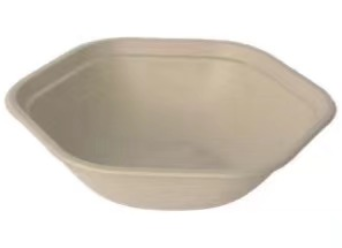
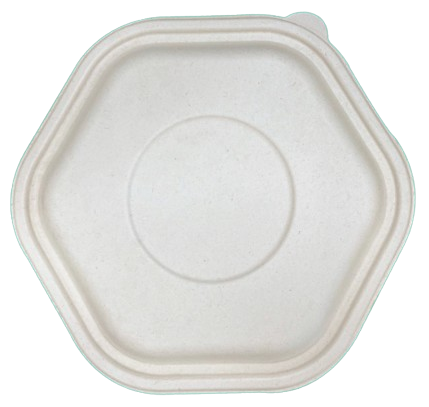
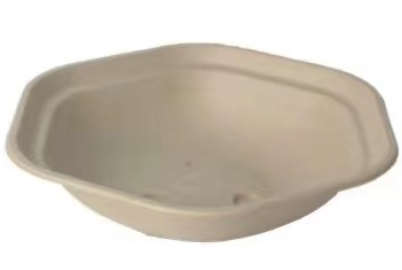
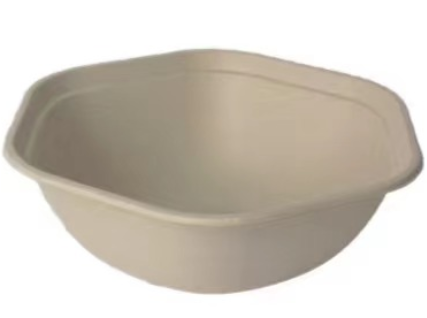
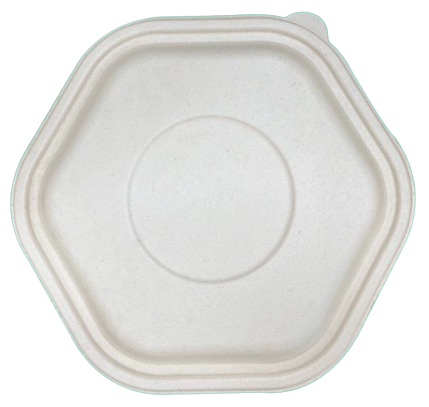
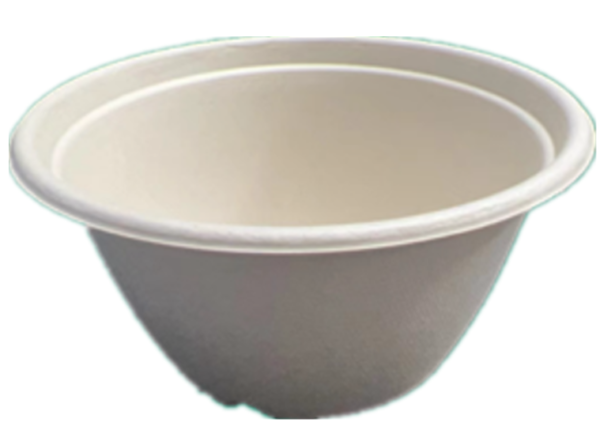
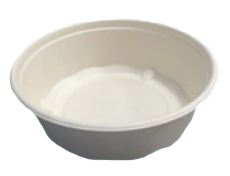
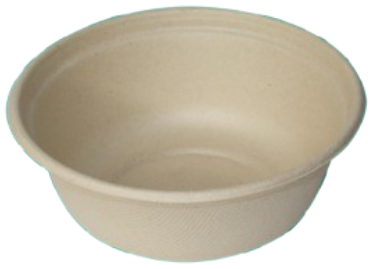
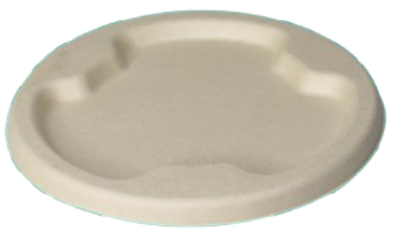
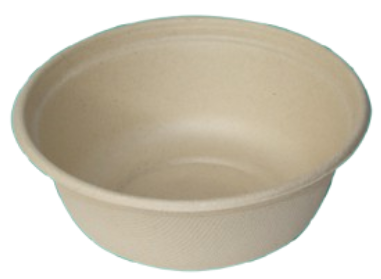
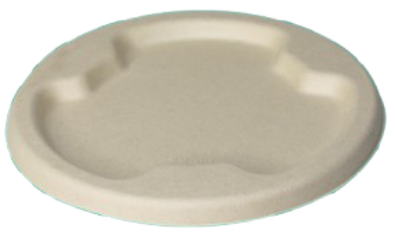
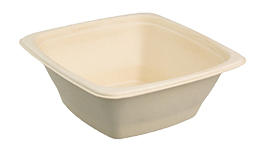
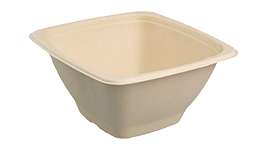
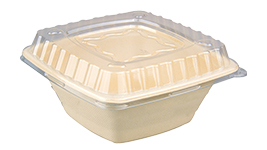
(图1).png)
| Item | Information |
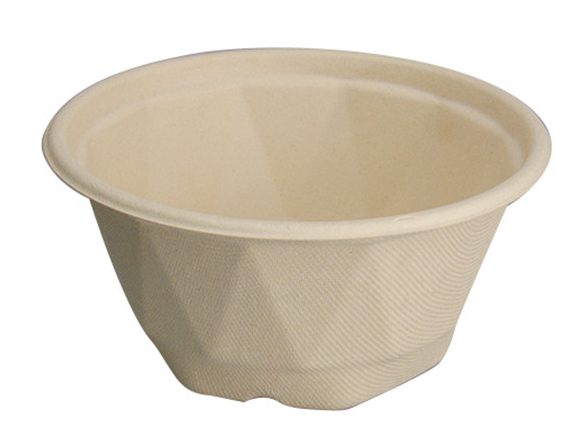
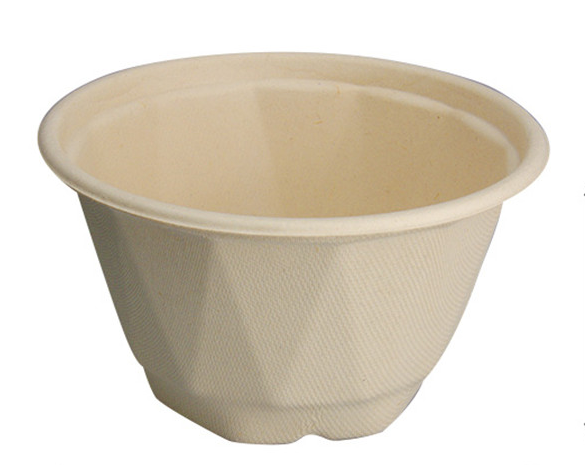
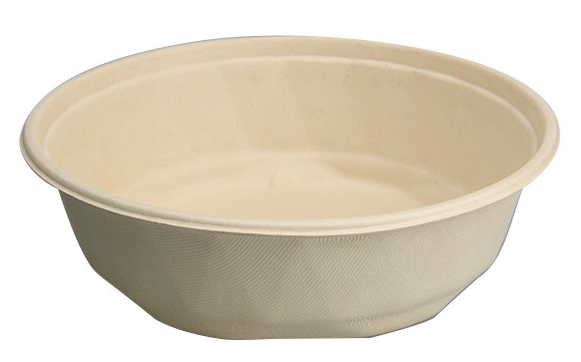
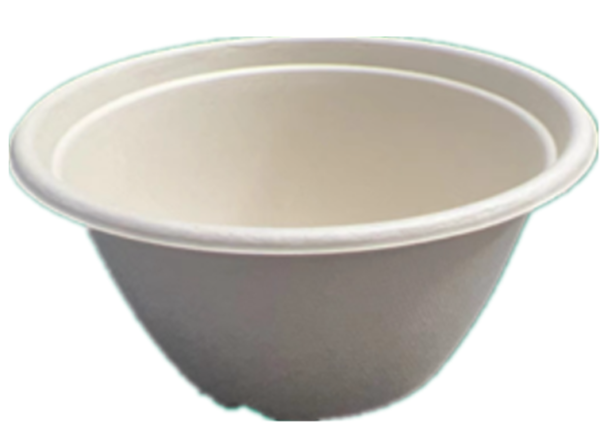
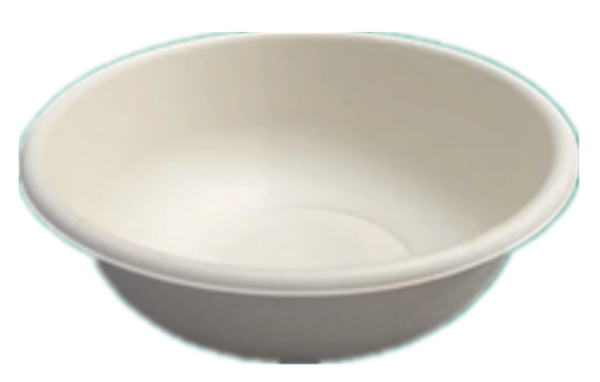
| Product Name | Bagasse Bowl |
| Alternative Name | Sugarcane Bowl, Molded Fiber Bowl |
| Primary Material | Sugarcane Bagasse Fiber |
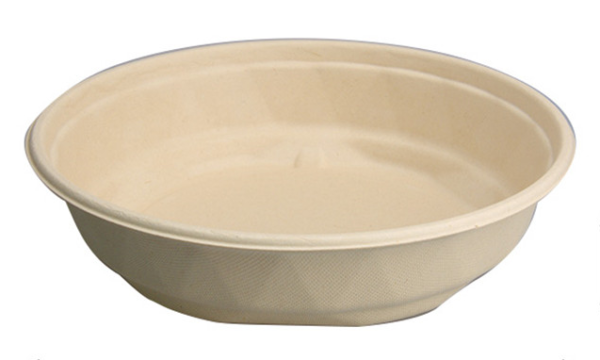
| Product Type | Molded Fiber Disposable Food Bowl |
| Typical Capacities | from 8 oz to 84 oz, including 12 oz, 16 oz, 20 oz, 24 oz, 32 oz and 64 oz options for diverse foodservice applications. |
| Typical Shapes | Round, Square, Oval, Deep, Shallow and Compartment Bowls |
| Applications | Salads, Rice, Noodles, Soups, Snacks, Desserts, Takeaway Meals and Catering |
| Food Types | Hot, Cold, Oily and Moist Foods, subject to the selected specification |
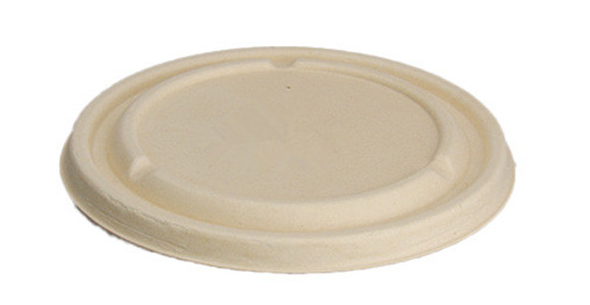
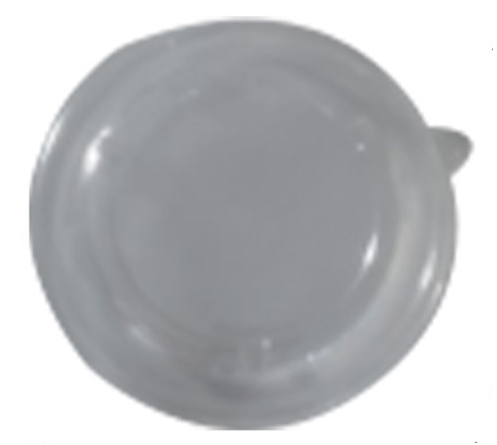
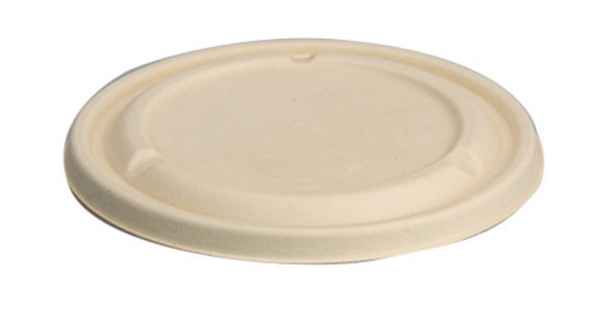
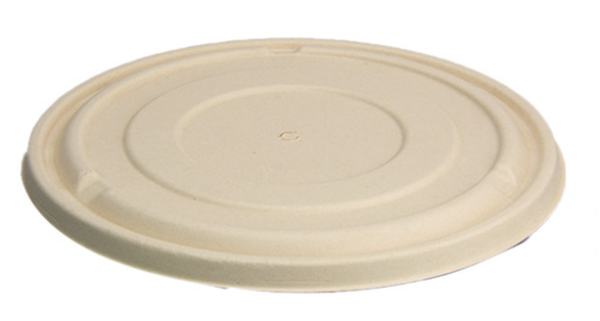
| Lid Options | Molded Pulp Lid, PET Lid, PP Lid and Project-Specific Lid Options |
| Customization | OEM & ODM Available |
| Branding | Embossed Logo, Label, Sleeve, Retail Packaging and Carton Printing |
| Packaging Options | Bulk Cartons, Private Label Packaging and Retail-Ready Packs |
| Supply Type | Manufacturer & Global Supply Chain Partner |
| Export Markets | North America, Europe, Australia, Middle East, Asia and South America |
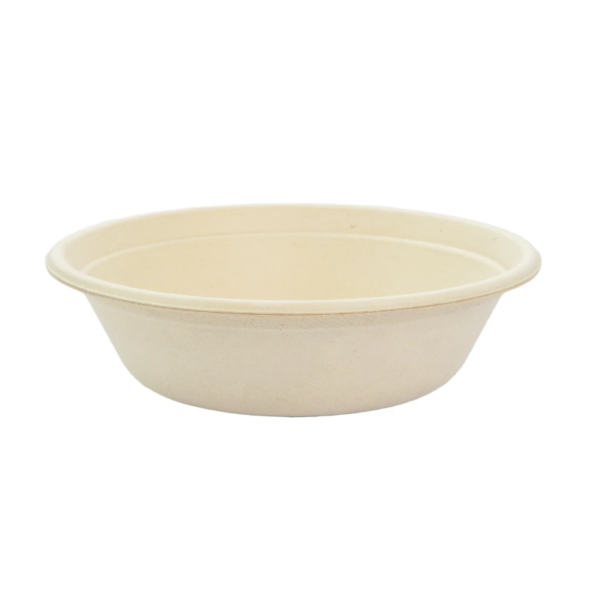
Bagasse bowls are molded fiber food containers manufactured primarily from sugarcane bagasse, the fibrous material remaining after juice extraction. The fiber is processed into pulp and formed under controlled heat and pressure to create rigid disposable bowls for commercial foodservice applications.
Compared with conventional plastic containers, a sugarcane bagasse bowl offers a natural fiber appearance and supports packaging programs focused on renewable materials. Depending on the finished product formulation and applicable documentation, selected compostable bagasse bowls may be suitable for industrial composting systems.
DAILYECO supplies standard and customized sugarcane bowls for restaurants, takeaway brands, catering companies, foodservice distributors, wholesalers, retailers and private-label packaging companies.
Bagasse bowls are disposable food containers made from molded sugarcane fiber. After sugarcane is processed for juice production, the remaining fibrous material can be cleaned, pulped and converted into molded food packaging instead of being treated only as agricultural residue.
During manufacturing, prepared bagasse pulp is placed into molds and formed into the required bowl shape. Heat and pressure remove moisture, improve surface finish and create a rigid structure suitable for serving a wide range of foods.
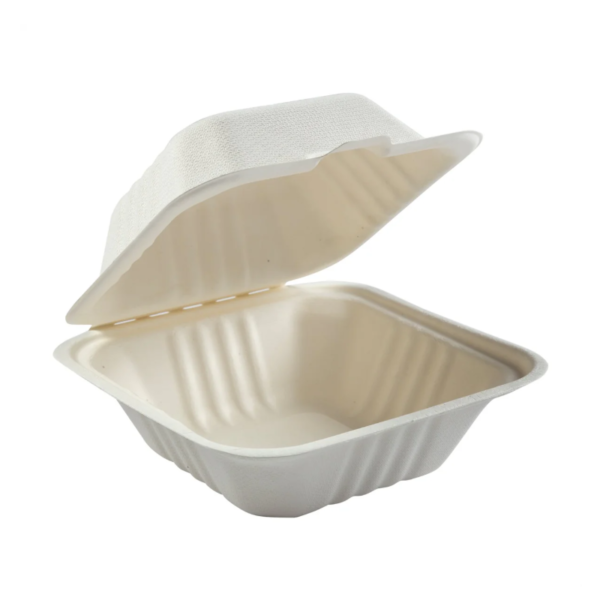
Unlike paperboard bowls, which are produced from converted paper sheets, bagasse bowls are three-dimensional molded fiber products. Their structure can incorporate rims, bases, compartments and lid-fitting features directly into the mold.
The terms bagasse bowl, sugarcane bowl and sugarcane disposable bowls are often used for the same molded fiber product category. However, buyers should still confirm the complete material formulation, food-contact documentation, additives, coatings and compostability evidence applicable to each finished SKU.
For foodservice buyers, bagasse bowls provide a practical combination of fiber-based appearance, stackability, portion control and suitability for takeaway, catering and dine-in applications.
| Feature | Performance | Explanation |
| Molded Fiber Construction | Excellent | Manufactured primarily from sugarcane bagasse pulp with a rigid, one-piece molded structure |
| Structural Strength | Excellent | Designed to hold hot and cold foods without bending under normal foodservice conditions |
| Food-Contact Safety | Food Grade | Produced using food-contact-compliant materials; applicable documentation is available for qualified SKUs |
| Oil & Grease Resistance | Excellent | Helps resist oil penetration during everyday meal service at temperatures up to 95°C for approximately 30 minutes |
| Water Resistance | Excellent | Suitable for sauces, soups and moist foods at temperatures up to 95°C for approximately 30 minutes |
| Heat Resistance | Excellent | Suitable for hot meals and qualified microwave-reheating applications, subject to SKU-specific temperature and duration limits |
| Cold Food Performance | Excellent | Maintains structural stability when serving salads, desserts, fruit and chilled prepared meals |
| Freezer Compatibility | Available | Selected bagasse bowls may be suitable for frozen-food applications down to −20°C, subject to product-specific verification |
| Lid Compatibility | Available | Selected bagasse bowl with lid options support molded pulp, PET or PP lids for takeaway and delivery |
| Compostability | Product-Specific | Selected compostable bagasse bowls may meet applicable compostability standards when supported by finished-product certification |
| Custom Branding | Available | Embossed logos, labels, printed sleeves, private-label packaging and customized export cartons are available |
The one-piece molded structure helps a bagasse bowl maintain its shape during filling, stacking and meal service. Suitable specifications can accommodate hot, cold, oily and moist foods, while compatible lids support takeaway and delivery applications.
The temperatures and holding times shown above represent typical performance conditions rather than universal limits. Buyers should test the selected sugarcane bowl with the actual food, filling temperature, holding time and lid configuration before placing a bulk order.
The expansion of takeaway meals, food delivery, catering and sustainability-focused procurement has increased demand for fiber-based food packaging across international markets.
Restaurants and food brands increasingly evaluate packaging according to more than unit price. Material source, food performance, customer presentation, local regulations, waste-management infrastructure and supplier reliability are becoming important purchasing considerations.
Biodegradable sugarcane bowls and compostable bagasse bowls attract attention because they use a recognizable plant-fiber material and can support clearly defined sustainability programs when the relevant product claims are properly documented.
Molded fiber technology also allows manufacturers to produce round, square, oval, deep and compartment bowls for different menu types. Matching pulp lids can create a more consistent fiber-based appearance, while transparent or plastic lids remain available where product visibility or specific transportation performance is required.
For importers and distributors, sugarcane plates and bowls provide a broad product family that can serve restaurants, catering companies, supermarkets, hotels, institutions and e-commerce channels.

Importers usually face three practical problems: inconsistent dimensions, unstable lead times and incomplete compliance documents.
For buyers, these developments increase the importance of selecting products according to verified performance, material composition, market requirements and end-of-life infrastructure rather than relying only on general environmental descriptions.
.png)
Molded fiber tableware is used across restaurants, catering, retail food, institutional dining, hospitality, delivery and event operations. Growth is supported by demand for alternatives to conventional foam and plastic food containers.
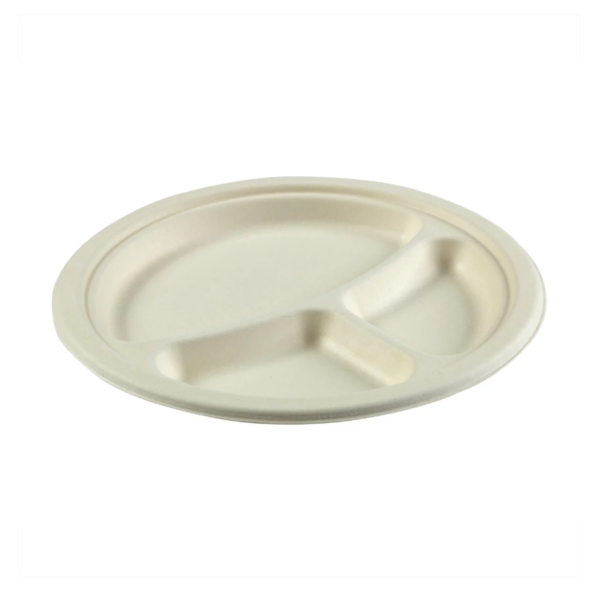
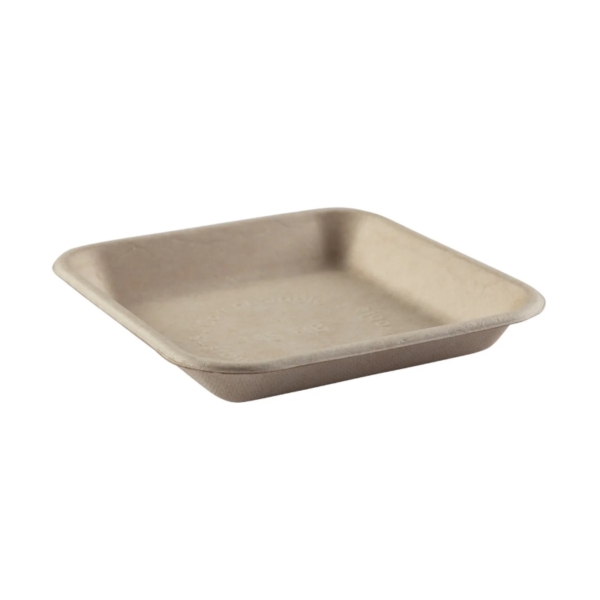
Bagasse plates and bowls are particularly relevant to buyers building a coordinated fiber-based tableware range because the same material family can cover plates, bowls, trays, clamshells and lids.
Expansion of Takeaway and Delivery Packaging
Food delivery requires containers that maintain shape, support stacking and work with secure lid systems. Buyers increasingly conduct application testing using actual meals, filling temperatures and delivery times before confirming large orders.
Growth of Fiber-Based Product Portfolios
Distributors are expanding coordinated ranges of bowls, plates, trays and clamshells. A consistent product portfolio can simplify sourcing and improve cross-selling to foodservice customers.
Greater Attention to Product Claims
Professional buyers increasingly request evidence for food-contact, compostability, chemical restrictions and material claims. The finished product, not only the raw fiber, should be considered when evaluating documentation.
Demand for Compatible Fiber Lids
A bagasse bowl with lid can support takeaway and delivery operations more effectively than an open bowl. Molded pulp lids are increasingly evaluated alongside PET and PP lids according to visibility, heat, fit and disposal requirements.
Bagasse packaging has a natural texture that communicates a different visual identity from smooth plastic or printed paperboard.
Although high-definition full-surface printing is more limited, brands can use embossed logos, printed sleeves, labels, retail packs and customized cartons to create a recognizable presentation.
| Region | Typical Market Focus |
| North America | Food performance, PFAS-related requirements, compostability documentation and bulk supply |
| Europe | Food-contact compliance, material traceability, plastic reduction and waste-management compatibility |
| Australia & New Zealand | Compostability documentation, fiber-based packaging and distributor supply |
| Middle East | Catering volumes, heat performance, premium hospitality and reliable export supply |
| Asia | Cost efficiency, production stability, product variety and fast replenishment |
| South America | Competitive pricing, distributor portfolios and expanding sustainable packaging programs |
Buyers should evaluate a bagasse bowl according to:
The most suitable product is the specification that balances application performance, compliance, supply reliability and total procurement cost.
For buyers sourcing bagasse bowls internationally, priority should be given to food-contact compliance, lid compatibility, structural strength, export packaging and long-term manufacturing stability.
.png)
Different disposable bowl materials offer different advantages. The right choice depends on food application, presentation, holding time, cost, market requirements and available disposal systems.
Choose Bagasse Bowls If You:
Choose Paperboard Bowls If You:
Choose PLA Bowls If You:
Choose PP or PET Plastic Bowls If You:
Choose Aluminum Containers If You:
Target Market/Application | Recommended Solution | Primary Purchasing Considerations |
Sustainable Foodservice Programs | Bagasse Bowl + Molded Pulp Lid | Finished-product documentation and collection system |
Takeaway Restaurants | Bagasse Bowl + Secure Lid | Leak resistance, fit and delivery time |
Supermarket Salads | Bagasse Salad Bowl + Clear Lid | Visibility, refrigeration and shelf-life requirements |
Catering & Events | Open Bagasse Bowl or Pulp Lid Set | Volume, stackability and fast service |
Hot Prepared Meals | Deep Bagasse Bowl | Temperature, oil resistance and holding time |
Premium Printed Brands | Paperboard Bowl | Printing, coating and brand presentation |
Oven-Ready Meals | Aluminum Container | Oven performance and lid configuration |
Buyers should conduct sample testing with the actual food and service conditions before mass production.
DAILYECO offers a broad range of bagasse bowls for restaurants, catering companies, foodservice distributors, supermarkets, hotels, institutions and private-label packaging brands.
| Pictures | Name | Size | Weight | Pcs/bag | Bag/CTN | Pcs/CTN | Length | Width | Height |
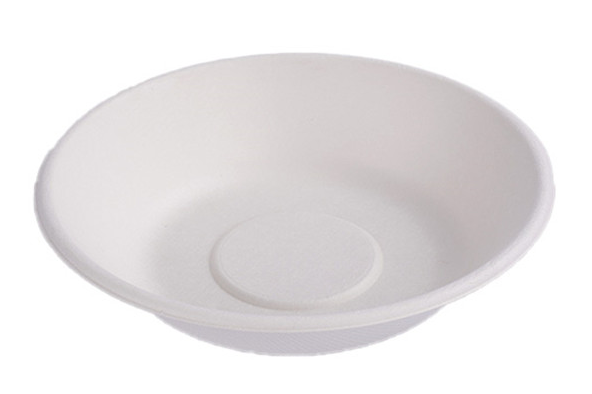 | 6” Bagasse Bowl | Ø160*34.5 | 10 | 50 | 20 | 1000 | 39.5 | 33 | 33 |
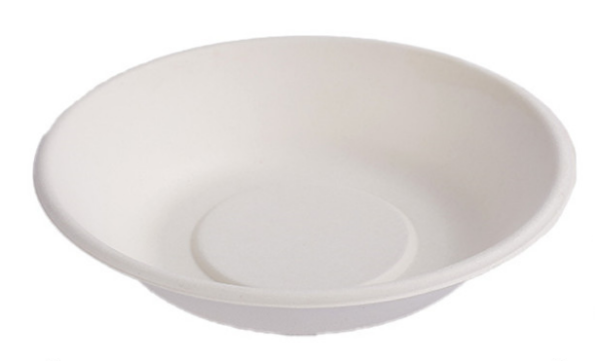 | 7” Bagasse Bowl | Ø189*39.5 | 15 | 50 | 20 | 1000 | 39 | 36 | 39 |
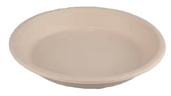 | 8″ Bagasse Bowl | Ø205*30 | 13 | 50 | 20 | 1000 | 42 | 39.5 | 42 |
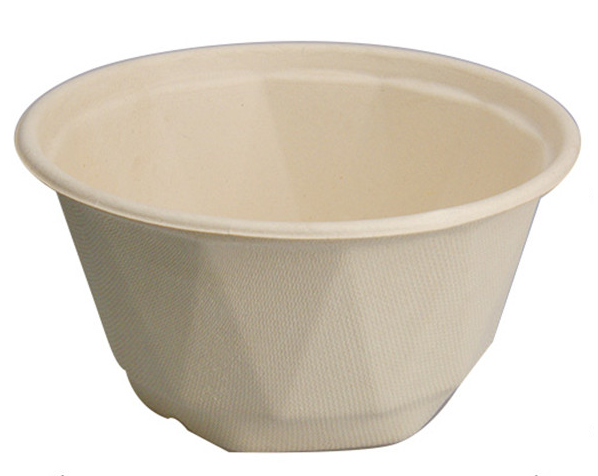
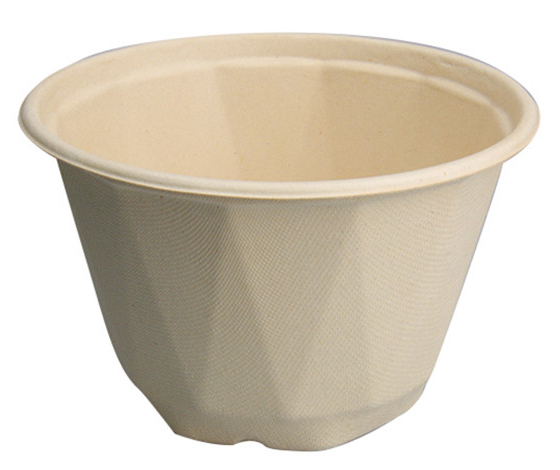
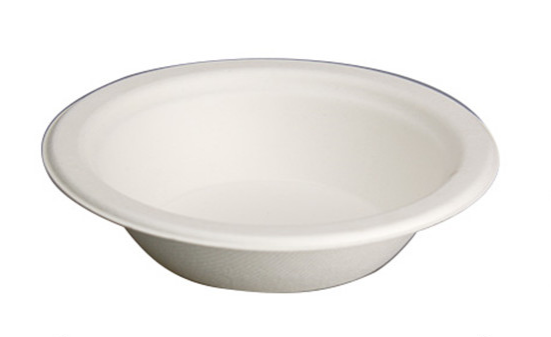 | 12oz Bagasse Bowl | Ø160*37 | 10 | 125 | 8 | 1000 | 47 | 33 | 33 |
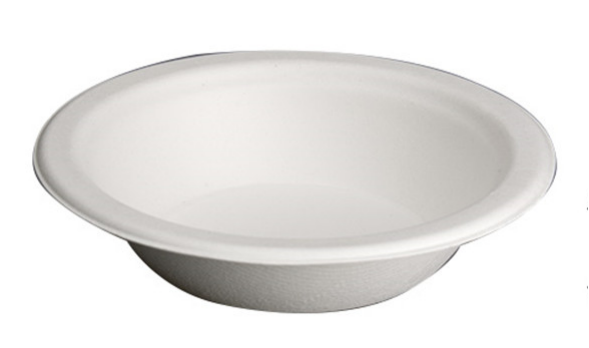 | 16oz Bagasse Bowl | Ø175*37 | 15 | 125 | 8 | 1000 | 54 | 37 | 36.5 |
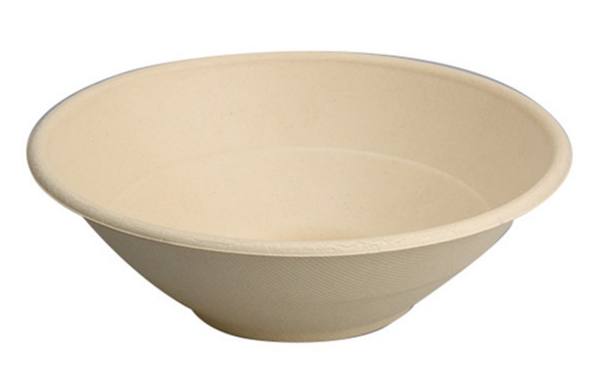 | 12oz Bagasse Bowl | Ø153*45 | 9 | 50 | 20 | 1000 | 43 | 31.5 | 31.5 |
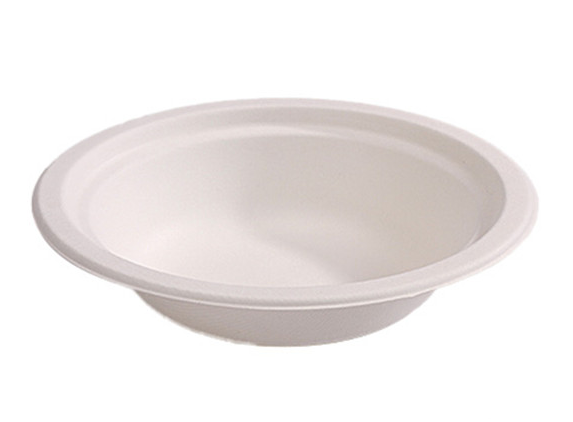 | 14oz Bagasse Bowl | Ø180*38 | 11 | 50 | 20 | 1000 | 37 | 37 | 37 |
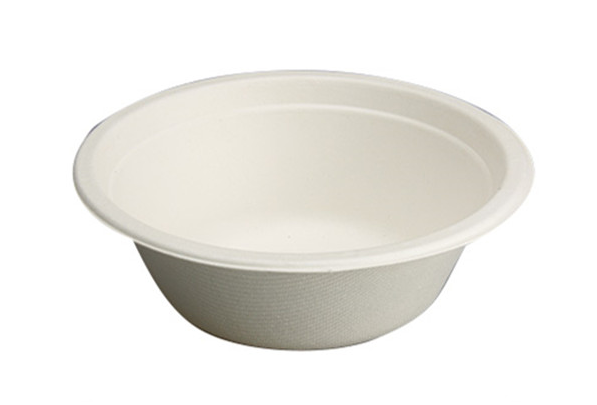 | 350ml Bagasse Bowl | Ø135*43 | 8 | 125 | 8 | 1000 | 47 | 28 | 28 |
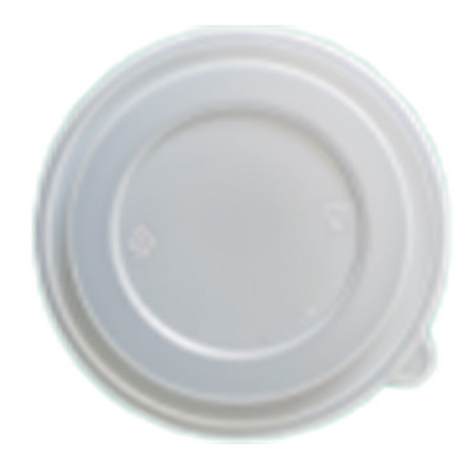
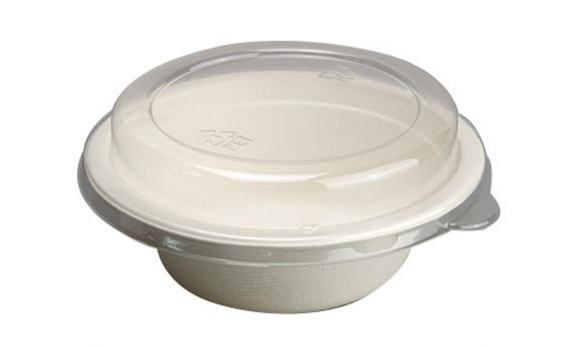 | PET Lid for 350ml Bagasse Bowl | Ø142*27 | 8 | 125 | 8 | 1000 | 70 | 57 | 29 |
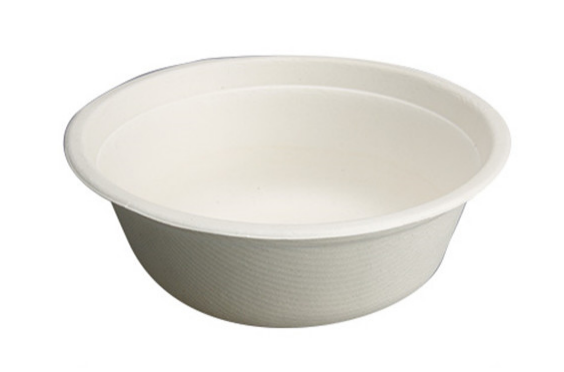 | 500ml Bagasse Bowl | Ø155*55.5 | 13 | 125 | 8 | 1000 | 65 | 32 | 32 |
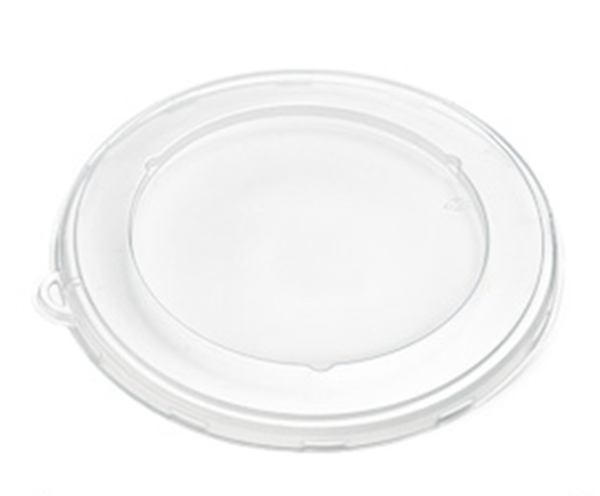 | PET Lid for 500ml Bagasse Bowl | Ø160*27 | 9 | 125 | 8 | 1000 | 70 | 65 | 33 |
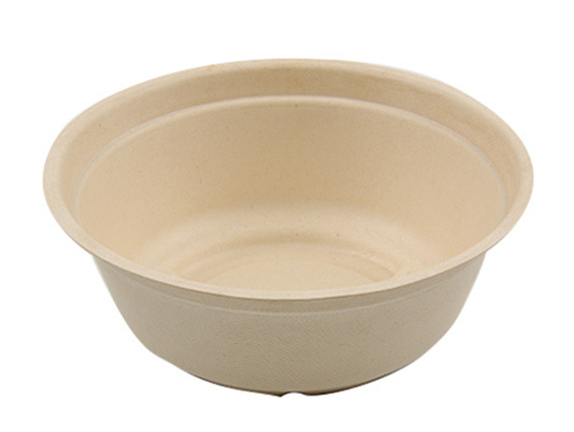 | 850ml Bagasse Bowl | Ø177*66 | 25 | 125 | 4 | 500 | 42 | 36.5 | 36.5 |
 | PET Lid for 850ml Bagasse Bowl | Ø182*33 | 13 | 125 | 4 | 500 | 74 | 37.5 | 37.5 |
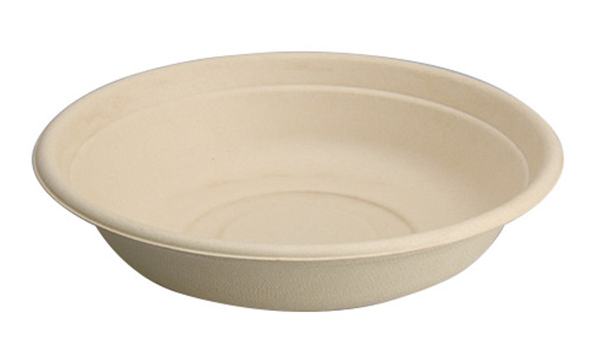 | Light 24oz Bagasse Bowl | Ø204.4*41.8 | 21 | 125 | 4 | 500 | 42 | 27 | 42 |
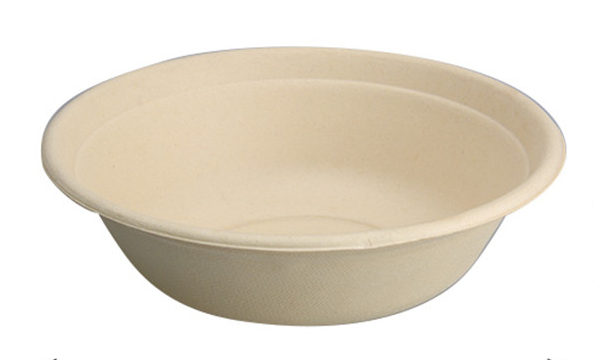 | Light 30oz Bagasse Bowl | Ø204.4*59.3 | 23 | 125 | 4 | 500 | 50.5 | 42 | 21.5 |
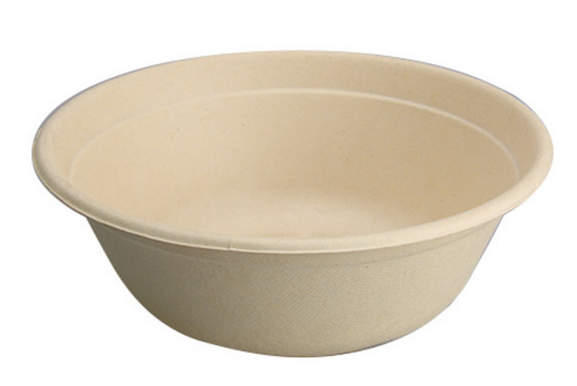 | Light 40oz Bagasse Bowl | Ø204.4*70.8 | 30 | 125 | 4 | 500 | 42 | 37 | 42 |
 | 48oz Round Bagasse Bowl | Ø204.4*85 | 30 | 125 | 4 | 500 | 42 | 47 | 42 |
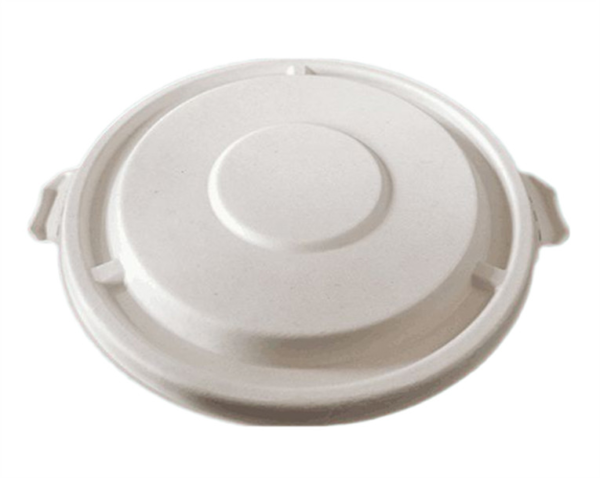 | Pulp Lid for Round Bagasse Bowl | Ø209.6*19 | 18 | 125 | 4 | 500 | 50 | 46 | 43.5 |
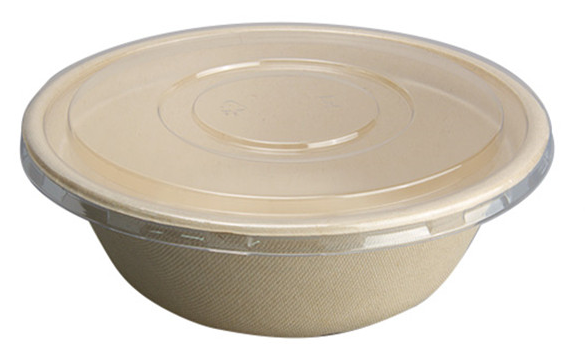 | PET Lid for Light 30/40oz Bagasse Bowl | Ø220*17 | 19 | 125 | 4 | 500 | 72.5 | 42.5 | 43 |
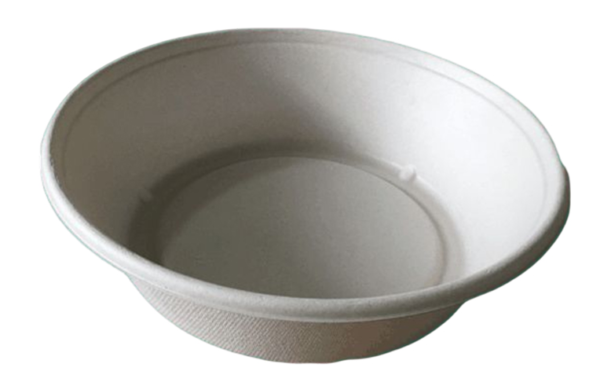 | 30oz Salad Bagasse Bowl | Ø194*52 | 22 | 125 | 4 | 500 | 40 | 37.5 | 40 |
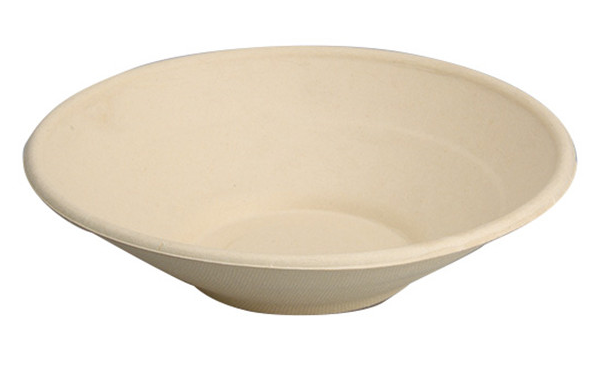 | 24oz Bagasse Bowl | Ø196*48.73 | 22 | 125 | 4 | 500 | 43 | 40 | 21 |
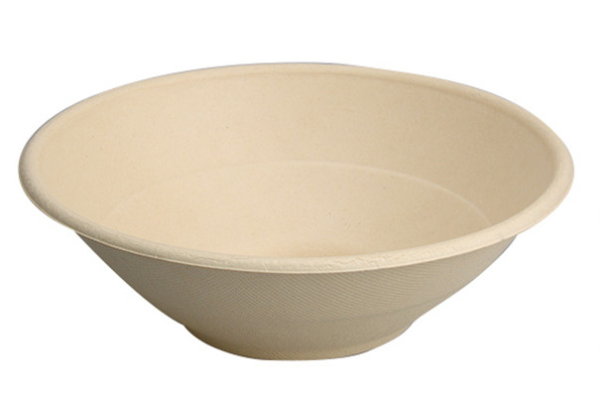 | 32oz Bagasse Bowl | Ø196*63 | 25 | 125 | 4 | 500 | 55 | 40 | 21 |
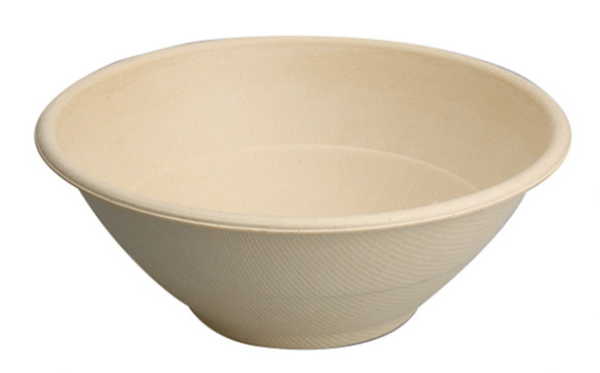 | 40oz Bagasse Bowl | Ø198*75 | 30 | 50 | 10 | 500 | 63 | 40 | 21 |
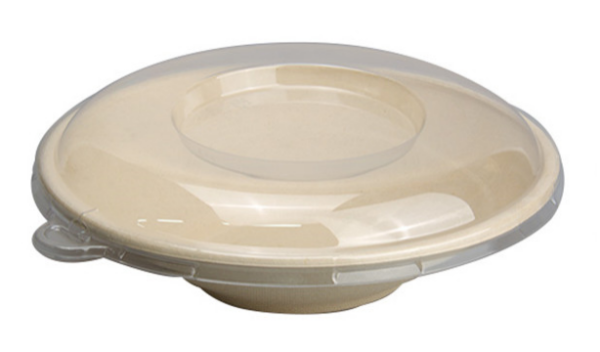 | PET Lid for 30oz Bagasse Bowl | Ø214*29 | 19 | 125 | 4 | 500 | 61 | 41.5 | 41.5 |
 | Pulp Lid for HG Bagasse Bowl | Ø226.9*30.6 | 17 | 125 | 4 | 500 | 45 | 41 | 41 |
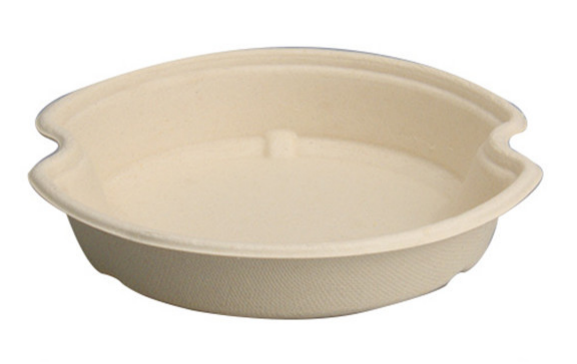
 | 18oz Oval Bagasse Bowl | 203*135*40.6 | 18 | 50 | 6 | 300 | 47.5 | 21.5 | 41.5 |
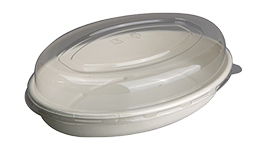 | PET Lid for 18oz Oval Bagasse Bowl | 208*140*40 | 12 | 50 | 6 | 300 | 74 | 22.5 | 28 |
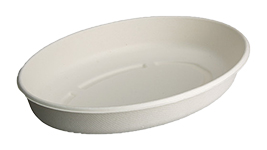 | 26oz Oval Bagasse Bowl | 236*169*40.6 | 23 | 50 | 6 | 300 | 47 | 25.5 | 52 |
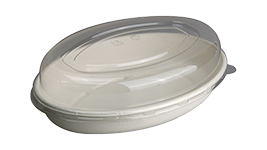 | PET Lid for 26oz Oval Bagasse Bowl | 241*174*40 | 16 | 50 | 6 | 300 | 74 | 25.5 | 35.5 |
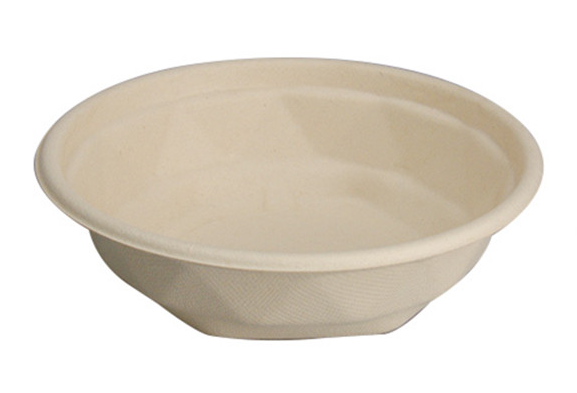 | 500ml Bagasse Bowl | Ø160*39 | 16 | 50 | 6 | 300 | 49 | 23.5 | 33 |
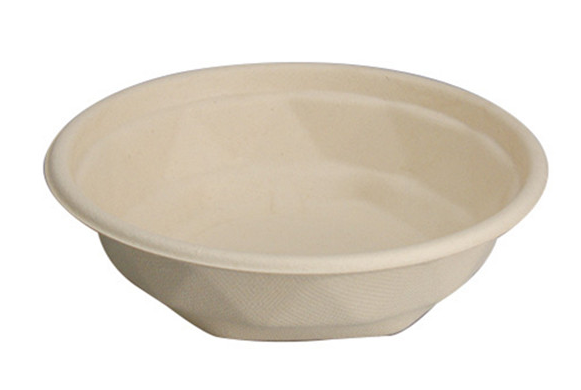 | 600ml Bagasse Bowl | Ø160*48 | 17 | 50 | 6 | 300 | 49 | 24.5 | 33 |
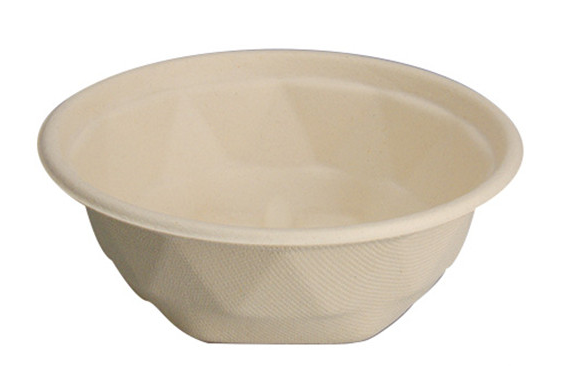 | 650ml Bagasse Bowl | Ø160*51 | 17 | 50 | 6 | 300 | 49 | 24.5 | 33 |
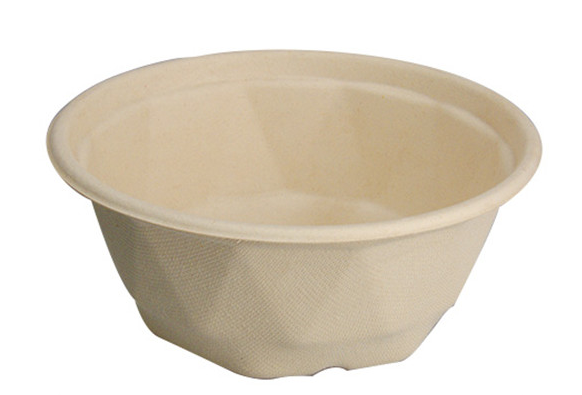 | 750ml Bagasse Bowl | Ø160*60 | 18 | 50 | 6 | 300 | 49 | 27 | 33 |
| 850ml Bagasse Bowl | Ø160*72 | 20 | 50 | 6 | 300 | 49 | 29.5 | 33 |
| 1000ml Bagasse Bowl | Ø160*90 | 25 | 50 | 6 | 300 | 49 | 31.5 | 33 |
| Lid for 550/600/650/750/850/1000ml Bagasse Bowl | Ø166*14 | 13 | 50 | 6 | 300 | 51 | 23 | 34.5 |
| PET Lid for 550/600/650/750/850/1000ml Bagasse Bowl | Ø177*10 | 12 | 75 | 4 | 300 | 54.5 | 33 | 33.5 |
| PP Lid for 550/600/650/750/850/1000ml Bagasse Bowl | Ø177*10 | 12 | 75 | 4 | 300 | 54.5 | 33 | 33.5 |
| 1250ml Bagasse Bowl | Ø178*90 | 28 | 50 | 6 | 300 | 55 | 32 | 37 |
| 1500ml Bagasse Bowl | Ø178*110 | 30 | 50 | 6 | 300 | 55 | 34 | 37 |
| 1250ml Inner Tray | Ø162*34 | 14 | 50 | 6 | 300 | 49 | 17 | 33.5 |
| Lid for 1250ml Bagasse Bowl | Ø184*13 | 18 | 75 | 4 | 300 | 57 | 35 | 38 |
| PET Lid for 1250ml Bagasse Bowl | Ø195*10 | 13 | 75 | 4 | 300 | 54.5 | 38 | 38.5 |
| PP Lid for 1250ml Bagasse Bowl | Ø195*10 | 13 | 50 | 6 | 300 | 54.5 | 38 | 38.5 |
| 2000ml Bagasse Bowl | Ø250*57 | 42 | 50 | 6 | 300 | 65 | 51 | 26 |
| 2500ml Bagasse Bowl | Ø250*72 | 46 | 50 | 6 | 300 | 67 | 51 | 26 |
| Lid for 2000ml Bagasse Bowl | Ø258*14 | 28 | 50 | 6 | 300 | 68 | 53 | 27 |
| PET Lid for 2000ml Bagasse Bowl | Ø280*10 | 28 | 75 | 4 | 300 | 55 | 54.5 | 56 |
| PP Lid for 2000ml Bagasse Bowl | Ø280*10 | 28 | 75 | 4 | 300 | 55 | 54.5 | 56 |
| 1050 Salad Bagasse Bowl | 215.9*199*56.3 | 21 | 50 | 6 | 300 | 44.5 | 36 | 22.5 |
| Pulp Lid of 1050ml Salad Bagasse Bowl | 232.5*202.5*20 | 19 | 50 | 6 | 300 | 48 | 43.5 | 24.5 |
| PET Lid of 1050ml Salad Bagasse Bowl | 221.5*203.5*10 | 19 | 50 | 6 | 300 | |||
| 1400 Salad Bagasse Bowl | 245.3*228.5*54 | 27.5 | 50 | 6 | 300 | 50 | 32.5 | 24 |
| 1700 Salad Bagasse Bowl | 245.3*228.5*66.6 | 32 | 50 | 6 | 300 | 50 | 34 | 24 |
| Pulp Lid of 1400ml Salad Bagasse Bowl | 262*232.5*21 | 24 | 50 | 6 | 300 | 53 | 43 | 27 |
| PET Lid of 1400ml Salad Bagasse Bowl | 251*233*10 | 25 | 50 | 6 | 300 | |||
| 300ml Bagasse Bowl | Ø128*53 | 9 | 125 | 4 | 500 | 51.5 | 26.5 | 26.5 |
| 400ml Bagasse Bowl | Ø128*63 | 10 | 50 | 8 | 400 | 39 | 26.5 | 27 |
| 24oz Round Bagasse Bowl | Ø170*58 | 15 | 50 | 8 | 400 | 56.5 | 35 | 18 |
| 32oz Round Bagasse Bowl | Ø187*63.8 | 20 | 50 | 8 | 400 | 38.5 | 35 | 38 |
| 156 Salad Bagasse Bowl | Ø156*51 | 15 | 125 | 4 | 500 | 59.5 | 33 | 32.5 |
| 165 Salad Bagasse Bowl | Ø164.5*52.6 | 16 | 50 | 6 | 300 | 42 | 38 | 18.5 |
| 183 Salad Bagasse Bowl | Ø183*51.5 | 18 | 50 | 6 | 300 | 46 | 33.5 | 17.5 |
| 350ml Soup Bagasse Bowl | Ø128*48 | 10 | 50 | 20 | 1000 | 66 | 32.5 | 27 |
| Pulp Lid of 350ml Soup Bagasse Bowl | Ø128*13 | 8 | 50 | 20 | 1000 | 67 | 33.5 | 28 |
| 1000ml Soup Bagasse Bowl | Ø178.5*77 | 25 | 125 | 4 | 500 | 52 | 37 | 37 |
| Pulp lid of 1000ml Soup Bagasse Bowl | Ø178.5*11 | 15 | 125 | 4 | 500 | 43.5 | 38.5 | 38.5 |
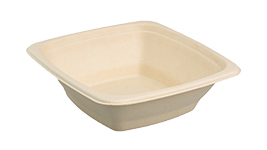
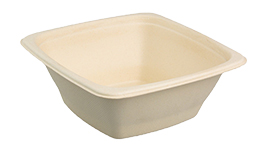
| 16oz Square Bagasse Bowl | 180*180*40 | 20 | 75 | 4 | 300 | 35 | 19 | 37 |
| 24oz Square Bagasse Bowl | 180*180*54 | 23 | 75 | 4 | 300 | 40.5 | 19 | 37 |
| 32oz Square Bagasse Bowl | 180*180*70 | 30 | 75 | 4 | 300 | 47 | 19 | 37 |
| 42oz Square Bagasse Bowl | 180*180*90 | 33 | 75 | 4 | 300 | 56 | 19 | 37 |
| PET Lid for 16/24/32/42oz Square Bagasse Bowl | 190*190*42 | 17 | 75 | 4 | 300 | 40 | 38.5 | 38.5 |
| Pulp Lid for 4 Square Bagasse Bowls | 183.4*183.4*7 | 16 | 75 | 4 | 300 | 35 | 19.5 | 38 |
| 143 Salad Bagasse Bowl | 143*143*23.5 | 9 | 125 | 4 | 500 | 46.5 | 30 | 30 |
| 12oz Square Bagasse Bowls | 160*160*41.5 | 12 | 100 | 4 | 400 | 33.5 | 26.5 | 17 |
| 175 Salad Bagasse Bowl | 175*175*51 | 20 | 50 | 8 | 400 | 46.5 | 36 | 36 |
Bagasse bowls are used across foodservice, takeaway, delivery, catering, retail and institutional dining. Their molded fiber structure and broad range of formats allow buyers to match bowl depth, capacity and lid configuration to different foods.
.jpg)
Takeaway restaurants use sugarcane disposable bowls for rice, noodles, salads and prepared meals. Secure stacking and lid compatibility are important for counter service and transportation.
Typical Requirements
Recommended Formats
16 oz · 24 oz · 32 oz · Round or Square
Restaurants and quick-service brands use bagasse bowls for dine-in, counter service and takeaway meals where fast handling and consistent portion presentation are required.
Typical Requirements
Recommended Formats
12 oz · 16 oz · 24 oz
-1024x683.jpg)
.jpg)
A bagasse salad bowl supports salads, grain bowls, fruit, pasta and chilled prepared meals. Buyers often select clear lids for product visibility or pulp lids for a coordinated fiber appearance.
Typical Requirements
Recommended Formats
500 ml · 750 ml · 1,000 ml · 1,300 ml
-1024x683.jpg)
.jpg)
Catering companies require lightweight bowls that can be stored compactly and distributed quickly during corporate events, festivals and large-scale meal service.
Typical Requirements
Recommended Formats
12 oz · 16 oz · 24 oz · Open Bowl
Supermarkets and prepared-food brands use molded fiber bowls for chilled foods, salads and selected ready meals. Shelf life, sealing and refrigeration conditions must be evaluated for the actual product.
Typical Requirements
Recommended Formats
500 ml · 750 ml · 1,000 ml
-1024x683.jpg)
.jpg)
Hotels and resorts use molded fiber bowls for breakfast service, poolside dining, room service, conferences and takeaway guest meals.
Typical Requirements
Recommended Formats
12 oz · 16 oz · 24 oz
Schools, offices, hospitals and institutional canteens require standardized specifications, efficient storage and dependable supply for repeated daily meal programs.
Typical Requirements
Recommended Formats
16 oz · 24 oz · Compartment Bowl
-1024x683.jpg)
Selecting the right disposable bowl requires balancing material composition, food performance, presentation, lid compatibility, market requirements and total cost.
| Factor | Bagasse Bowl | Plastic Bowl |
| Primary Material | Sugarcane fiber | PP, PET or other plastic |
| Appearance | Natural molded fiber | Smooth or transparent |
| Hot Food Use | Available with suitable specification | Depends on resin type |
| Transparency | No | Available |
| Printing | Limited direct printing | Label or selected printing options |
| Compostability | Depends on finished-product evidence | Not compostable |
| Typical Use | Takeaway, catering, meals and salads | Cold food, retail and long-moisture applications |
Bagasse bowls are commonly selected for a molded fiber presentation. Plastic bowls remain suitable where transparency, extended moisture resistance or specific resin performance is required.
| Factor | Bagasse Bowl | Paper Bowl |
| Manufacturing Method | Molded pulp forming | Paperboard converting |
| Surface | Natural fiber texture | Smooth printed surface |
| Custom Graphics | Limited | Strong |
| Shape Flexibility | Mold-defined geometry | Primarily converted round structures |
| Barrier System | Fiber formulation/additives | PE, PLA or water-based barrier |
| Typical Positioning | Fiber-based food packaging | Branded takeaway packaging |
Paper bowls are often preferred for high-definition branding, while bagasse bowls are chosen for molded structure and natural fiber appearance.
| Factor | Bagasse Bowl | PLA Bowl |
| Primary Structure | Molded sugarcane fiber | PLA bioplastic |
| Appearance | Opaque natural fiber | Usually transparent |
| Hot Food Suitability | Available by specification | Generally limited by product design |
| Cold Food Visibility | Limited | Strong |
| Compostability | Finished-product evidence required | Usually industrial; certification required |
| Typical Use | Hot meals, takeaway and catering | Cold salads, desserts and chilled foods |
| Factor | Bagasse Bowl | EPS Foam Bowl |
| Material Source | Sugarcane fiber | Petroleum-based foam |
| Structure | Rigid molded fiber | Lightweight foam |
| Heat Insulation | Moderate | Strong |
| Cut Resistance | Generally stronger | Can puncture or crack |
| Compostability | Product-specific | No |
| Market Acceptance | Growing in fiber-focused programs | Restricted in some markets |
| Factor | Bagasse Bowl | Aluminum Container |
| Microwave Use | May be available by specification | No |
| Oven Use | Not intended for conventional oven use unless verified | Commonly available |
| Appearance | Natural molded fiber | Metallic |
| Food Visibility | Requires lid selection | Foil or clear lid options |
| Typical Use | Takeaway meals, salads and catering | Oven-ready and high-barrier meals |
Bagasse bowls are primarily purchased by professional buyers responsible for product performance, compliance, inventory and long-term supply.
.jpg)
Importers purchase full containers or consolidated quantities and require stable specifications, export documentation, competitive loading efficiency and dependable production schedules.
Distributors stock multiple sizes, shapes and lids to serve restaurants, caterers and local packaging resellers. Fast replenishment and standardized carton quantities are important.
-1024x683.png)
.jpg)
Restaurant groups evaluate bagasse bowls according to menu compatibility, portion control, lid fit, store handling and supply consistency across multiple locations.
Brand owners use packaging to communicate product quality and sustainability objectives. They may require embossed logos, sleeves, labels and consistent retail presentation.

.jpg)
Private-label companies require confidential production, stable specifications, custom packaging, barcode support and portfolio development across related tableware categories.
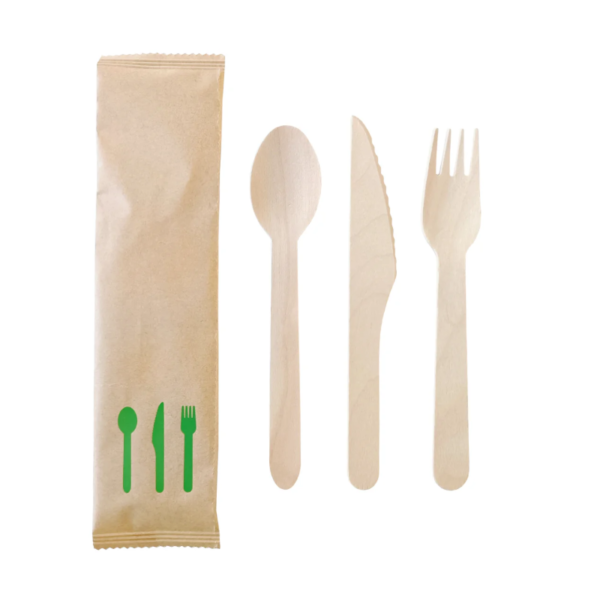
Foodservice suppliers build coordinated portfolios of bowls, plates, trays, clamshells and cutlery for restaurants, schools, hospitals and caterers.
-1024x683.jpg)
.jpg)
Hospitality buyers focus on guest experience, presentation, food-contact support and stable long-term supply for hotels, resorts and conference centers.
E-commerce brands require retail-ready packs, attractive product photography, barcode labeling, durable shipping cartons and flexible product-launch support.
-1024x687.jpg)
What information should I provide for an accurate quotation?
Provide the required bowl capacity, dimensions, estimated order quantity, annual forecast, lid type, food application, packaging method, destination port and compliance requirements. For existing products, supplying samples, drawings or specification sheets can improve quotation accuracy.
What is the minimum order quantity?
MOQ depends on whether the buyer selects an existing mold, customized packaging or a newly developed product. Standard bagasse bowls generally have a lower MOQ than custom-molded or private-label products.
Can standard bowl sizes be customized?
Existing specifications can normally be supplied with customized cartons, labels, sleeves or retail packaging. Changes to capacity, shape, rim structure or compartments may require a new mold.
What information is required for custom mold development?
Buyers should provide the target capacity, dimensions, food type, portion weight, lid requirements, reference samples, expected annual volume and destination market. DAILYECO will evaluate structural feasibility, tooling costs and the development schedule before production.
Can samples be provided before mass production?
Yes. Existing product samples can be supplied for size, lid-fit and food-performance testing. Customized projects may require prototype samples and a pilot run before mass-production approval.
How is the bowl-and-lid fit confirmed?
The complete bagasse bowl with lid system should be tested together. DAILYECO checks rim dimensions, closure strength, stacking, lid security and transportation performance before confirming the production specification.
What is the typical production lead time?
Lead time depends on product availability, order quantity, packaging customization, tooling and production schedules. Standard repeat orders are generally faster than new private-label or custom-mold projects. The final delivery schedule should be confirmed before order placement.
How does DAILYECO control production quality?
Quality control covers raw fiber preparation, pulp formulation, unit weight, dimensions, appearance, deformation, stacking, oil and water resistance, lid compatibility, packaging and pre-shipment inspection.
Which compliance documents can be supplied?
Available documents may include food-contact test reports, material declarations, compostability-related documentation and applicable chemical or PFAS-related reports. Buyers should confirm that each document covers the selected SKU, formulation and destination market.
Can packaging and carton quantities be customized?
Yes. Available options include bulk cartons, private-label packs, retail-ready packaging, barcode labels and customized shipping cartons. Packaging feasibility depends on the product size, order quantity and distribution channel.
Can DAILYECO optimize container loading?
DAILYECO can recommend inner-pack quantities, carton dimensions, pallet configurations and container-loading plans. Buyers should compare landed cost and loading efficiency rather than evaluating unit price alone.
How should buyers plan repeat orders?
Importers and distributors should provide rolling forecasts, especially before peak seasons. Forecast-based planning helps reserve production capacity, stabilize delivery schedules and reduce urgent replenishment risks.
-1.jpg)
Long-Term Liquid Storage
Bagasse bowls are designed primarily for foodservice holding and consumption. Applications requiring extended shelf life or long-term liquid storage may need higher-barrier packaging.
Maximum Product Visibility
Opaque molded fiber does not provide the same visibility as clear PET or PLA. Retail programs that rely on full product visibility may require a clear lid or transparent container.
High-Definition Full-Surface Printing
The natural fiber surface is not designed for the same print quality as smooth paperboard. Brands requiring complex graphics may prefer printed paper bowls or use labels and sleeves.
Conventional Oven Applications
Bagasse bowls should not be assumed suitable for conventional oven cooking. Use a verified oven-ready container when high-temperature cooking is required.
Extended Delivery of Liquid-Heavy Foods
Soups, acidic sauces and liquid-heavy meals require realistic testing of the complete bowl-and-lid system before large-volume use.
Markets Without Suitable Collection Infrastructure
The environmental outcome depends on local collection and treatment systems. Buyers should not assume that every bagasse product will be composted after use.
Highly Customized Printed Projects
When detailed color graphics are the main requirement, a smooth printable packaging material may be more suitable.
Producing consistent bagasse bowls requires controlled pulping, slurry preparation, forming, drying, hot pressing, trimming, inspection and packaging.
The manufacturing process converts cleaned sugarcane fiber into molded food containers with defined dimensions, surface finish and foodservice performance.

Sugarcane bagasse fiber is cleaned and prepared according to fiber quality, moisture and production requirements.
The prepared fiber is pulped and mixed with water to create a uniform slurry. The formulation is controlled according to strength, forming and food-performance requirements.


The pulp slurry is drawn onto shaped molds using vacuum forming equipment. Fiber distribution and mold condition affect wall thickness, dimensions and product consistency.
Formed products are dried and hot-pressed to remove moisture, boost rigidity and form final surfaces, followed by edge trimming and inspection of dimensions, weight, appearance, deformation, stackability, lid fit and usage performance.


Approved bowls are counted, packed into bags and export cartons, palletized where required and prepared for shipment. Packaging can be customized for bulk, private-label, retail and e-commerce channels.
Selecting the right bagasse bowl manufacturer helps reduce quality, compliance, delivery and supply-chain risks.
Choose a manufacturer with practical experience in molded fiber tableware, bowl forming, pulp formulation, tooling, lid matching and export production.
Confirm the number of production lines, output per machine, monthly capacity, peak-season availability, maintenance planning and lead-time stability.
Review controls for raw fiber, pulp formulation, product dimensions, unit weight, appearance, deformation, stacking, lid fit, packaging and shipment inspection.
The supplier should understand fiber selection, additives, moisture and oil resistance, forming conditions and the relationship between product structure and application performance.
Confirm whether the supplier can provide applicable food-contact reports, material declarations, chemical testing, compostability-related documentation and factory audit support.
Evaluate custom mold development, embossed logos, compartment design, pulp lid matching, labels, sleeves, private-label packs and custom cartons.
Experienced exporters should support carton specifications, palletization, container loading, shipping documents and communication with international buyers.
Reliable project support should cover quotation, samples, specification confirmation, tooling, production updates, shipment coordination and after-sales communication.
□ Bowl Capacity and Usable Volume
□ Top Diameter, Base Diameter and Height
□ Product Shape and Compartment Design
□ Unit Weight and Dimensional Tolerance
□ Food Type and Portion Weight
□ Filling Temperature and Holding Time
□ Oil, Sauce and Moisture Requirements
□ Microwave or Freezer Requirements
□ Lid Material and Compatibility
□ Food-Contact Documentation
□ Compostability Documentation
□ Chemical or PFAS-Related Requirements
□ Sample and Application Testing
□ MOQ and Annual Forecast
□ Production Lead Time
□ Inner Packing and Carton Quantity
□ Carton Dimensions and Container Loading
□ Private-Label Packaging
□ Destination-Market Requirements
□ Factory Audit Requirements
□ Payment Terms and Shipping Method
Completing this checklist before production helps buyers compare quotations accurately and reduce specification changes after order confirmation.
.avif)
DAILYECO provides molded fiber food packaging solutions for importers, distributors, restaurant groups, foodservice suppliers, retailers and private-label packaging brands.
As a manufacturing and supply chain partner, we support customers with product selection, sample testing, OEM packaging, documentation coordination and international export programs.
DAILYECO Manufacturing Facility | Description |
Employees | More than 1,000 employees |
Production Lines | Advanced automated molded fiber production lines |
Typical Line Output | Approximately 950 kg per machine per day |
Monthly Supply Capacity | Up to 200 × 40HQ containers |
Product Range | Bowls, plates, trays, clamshells, cups and molded pulp lids |
Bowl Formats | Round, square, oval, deep and compartment products |
OEM | Embossing, labels, sleeves, packaging and carton customization |
ODM | Material, structure, tooling and product portfolio development |
Technical Support | Available |
Production MOQ | Depends on standard mold, packaging and customization requirements |
Typical Lead Time | Approximately 30–35 days for new customized orders |
DAILYECO can support documentation according to the selected SKU and destination market, including:
Document availability and scope depend on the selected product, formulation, lid and market. Buyers should confirm the report number, holder, covered SKU, test conditions and validity date.
View Our Compliance & Certification Support Page
DAILYECO supports:
DAILYECO supports international shipments to North America, Europe, Australia, the Middle East, Asia, South America and other markets. Export support includes carton planning, container loading, documentation coordination and shipment communication.
Support includes product consultation, sample arrangements, specification confirmation, tooling communication, production updates, shipping coordination and after-sales assistance.
DAILYECO continues to develop new molded fiber sizes, lid systems, compartment structures and packaging solutions according to foodservice and market requirements.
Customer Background
A regional restaurant chain operating 128 locations required approximately 2.1 million bagasse bowls per month for salads, rice dishes and takeaway meals.
Challenge
The customer was purchasing 8 bowl specifications and 6 lid models from multiple suppliers. Inconsistent rim dimensions caused lid-matching problems, while excessive SKUs increased inventory and store-level picking errors.
DAILYECO Solution
After reviewing the customer’s menu, portion sizes and delivery conditions, DAILYECO consolidated the range into 3 core sizes: 500ml, 750ml and 1000ml. The three bowl capacities shared one standardized rim diameter compatible with three lid materials: molded pulp, PET and PP.
Samples were tested with the customer’s actual food at 95°C for 30 minutes, followed by simulated stacking and delivery tests.
Results
Bowl SKUs reduced from 8 to 3
Lid specifications reduced from 6 to 3
Monthly packaging inventory reduced by 28%
Store-level picking errors reduced from 3.4% to 1.2%
Lid-related complaints reduced by 45% within six months
Key Takeaways
Standardizing bagasse bowl with lid specifications can reduce inventory complexity and improve consistency across multiple restaurant locations.
Customer Background
A foodservice distributor serving 460 restaurants, hotels and catering companies purchased approximately 980 metric tons of sugarcane bowls annually
Challenge
The distributor sourced 5 suppliers and maintained 11 bowl-and-lid specifications. Different carton quantities, dimensions and delivery schedules increased purchasing and warehouse-management costs.
DAILYECO Solution
DAILYECO consolidated the portfolio into 4 core sugarcane bagasse bowl specifications covering 350ml–1200ml. Carton dimensions and inner-pack quantities were optimized according to the distributor’s warehouse and container-loading requirements.
A rolling 6-month purchasing forecast was introduced to coordinate production and international shipments.
Results
Active suppliers reduced from five to two approved suppliers
Monthly purchase orders reduced from 27 to 9
Warehouse pallet positions reduced by 35%
Container-loading quantity increased by 18%
On-time delivery reached 99.1% across 112 shipments
Product-shortage incidents decreased from 18 to 2 during the following eight months.
Key Takeaways
Consolidating sugarcane plates and bowls with standardized packaging and rolling forecasts can improve purchasing efficiency, loading performance and supply stability.
Customer Background
A private-label packaging brand required 12,500,000 customized 700ml compostable bagasse bowls with compatible lids, barcode labels and branded export cartons.
Challenge
The project included customized packaging, food-contact documentation and a fixed retail launch date. Product approval, packaging approval, production and shipment had to be completed within 58 days.
DAILYECO Solution
DAILYECO reviewed the bowl dimensions, lid fit, carton configuration and compliance requirements before production. Updated samples were completed within 7 days, followed by a 50,000-piece pilot run.
During pilot production, the bowls were inspected for unit weight, dimensions, appearance, stacking, oil resistance, water resistance and lid compatibility.
Results
Samples were approved after one revision cycle.
Pilot-run pass rate reached 99.4%
Mass-production quantity: 12,500,000 pieces
Pilot run: 50,000 pieces
Production completed within 28–31 days
Shipment dispatched 12 days before the required deadline
Verified product claims represented 0.11% of shipped units during the first six months.
Key Takeaways
Early specification review, pilot production and documented quality control helped the customer complete the retail launch on schedule while maintaining consistent product quality.
What is a bagasse bowl made from?
A bagasse bowl is manufactured primarily from sugarcane bagasse fiber, the fibrous material remaining after sugarcane juice extraction. The fiber is pulped and molded under controlled heat and pressure.
Is a sugarcane bowl the same as a bagasse bowl?
Yes. In disposable food packaging, sugarcane bowl, sugarcane bagasse bowl and bagasse bowl generally describe the same molded fiber product category.
What does “bowl bagasse” mean?
The search phrase bowl bagasse is an alternative word order used to describe a disposable bowl manufactured from sugarcane bagasse fiber.
What sizes are available?
Common capacities include 12 oz, 16 oz, 24 oz, 32 oz and 48 oz, as well as 500 ml, 750 ml and 1,000 ml formats. Available options include the 12oz bagasse bowl, 32 oz sugarcane bowl and additional product-specific sizes.
Which shapes are available?
Round, square, deep, shallow, oval and compartment formats are available. Bagasse oval bowls are commonly used for entrées, side dishes and presentation-focused meals.
Can bagasse bowls hold hot food?
Suitable specifications can hold hot rice, noodles, pasta and prepared meals. Selected products can perform at temperatures up to approximately 95°C for 30 minutes under typical test conditions, subject to SKU-specific verification.
Are bagasse bowls suitable for soup?
Selected deep bowls can be used for soup and other liquid-containing foods. Performance should be tested using the actual filling temperature, holding time and lid configuration.
Can bagasse bowls hold oily or saucy food?
Yes. Suitable products provide oil and moisture resistance for fried food, sauces and prepared meals. Actual performance depends on temperature, oil content and holding time.
Can bagasse bowls be used for salads?
Yes. A bagasse salad bowl can be used for salads, fruit, grain bowls, pasta and chilled prepared meals. Clear or molded pulp lids may be selected according to presentation and delivery requirements.
Can bagasse bowls be microwaved?
Selected sugarcane disposable bowls may be suitable for short microwave-reheating applications. Buyers should follow the verified temperature and duration limits for the specific product.
Can bagasse bowls be used in a freezer?
Selected products may be suitable for frozen-food applications down to approximately −20°C. Product stability, condensation and storage duration should be verified for the selected SKU.
Are bagasse bowls suitable for food delivery?
A bagasse bowl with lid can support takeaway and delivery when the bowl and lid are correctly matched. The complete system should be tested for closure, leakage, stacking and transportation.
Which lid materials are available?
Available options may include molded pulp, PET and PP lids. A sugarcane bowl with lid should be selected according to food temperature, visibility, delivery time and destination-market requirements.
Are bagasse bowls biodegradable?
Bagasse is a plant-based fiber. However, claims for biodegradable sugarcane bowls should be supported by documentation covering the complete finished product, including additives and coatings.
Are all bagasse bowls compostable?
Not automatically. Selected compostable bagasse bowls may meet applicable compostability standards, but buyers should verify the certification scope, test standard and disposal conditions.
What is a biodegradable sugarcane bagasse bowl?
A biodegradable sugarcane bagasse bowl is a molded fiber bowl designed to break down biologically under defined environmental conditions. It should not be assumed to biodegrade equally in every landfill, home-composting or industrial-composting environment.
Are bagasse bowls food-contact safe?
Qualified products are manufactured using food-contact-compliant materials. Applicable test reports should be checked against the specific bowl model, formulation and intended conditions of use.
Can bagasse bowls be reused?
Bagasse bowls are designed primarily for single-use foodservice applications. They are not intended for repeated washing or long-term reuse.
Can bagasse bowls be used in a conventional oven?
They should not be assumed suitable for conventional oven cooking unless the specific product has been tested and verified for that application.
How should bagasse bowls be stored?
Store the bowls in their original packaging in a clean, dry and ventilated area. Protect them from moisture, direct sunlight, excessive heat, strong odors and contact with chemicals.
Sourcing bagasse bowls requires more than comparing unit prices. Buyers should evaluate specifications, food performance, documentation, lid compatibility, production capacity and total procurement cost.
Why It Matters
Two 24 oz bowls may differ in dimensions, unit weight, fiber formulation, rim design, lid fit and carton quantity.
DAILYECO Expert Advice
Request a complete specification sheet before comparing quotations.
Best Practice
Confirm capacity, dimensions, weight, lid, pack quantity, carton size and application requirements.
Why It Matters
Fiber blends, additives and forming conditions can affect strength, oil resistance, appearance and compostability claims.
DAILYECO Expert Advice
Compare finished-product documentation, not only the raw material name.
Best Practice
Confirm material declarations and test scope for the actual SKU.
Why It Matters
Food-contact, chemical and environmental requirements differ by market.
DAILYECO Expert Advice
Identify required documents before sampling and production.
Best Practice
Prepare a market-specific compliance checklist with your supplier.
Why It Matters
Bowls with the same stated capacity may have different usable volumes, depths and top diameters.
DAILYECO Expert Advice
Test the actual food portion instead of selecting by ounces alone.
Best Practice
Confirm fill level, headspace, presentation and lid clearance.
Why It Matters
Poor fit can cause leakage, loose lids and delivery complaints.
DAILYECO Expert Advice
Approve the complete bowl-and-lid system.
Best Practice
Test closure, stacking, movement and realistic delivery conditions.
Why It Matters
Water, oil, acidity, temperature and holding time affect performance differently.
DAILYECO Expert Advice
Test samples with the customer’s actual menu.
Best Practice
Record temperature, food type, duration and observed results.
Why It Matters
Carton dimensions, container loading, damage, inventory and complaints influence total cost.
DAILYECO Expert Advice
Use Total Cost of Ownership rather than unit price alone.
Best Practice
Compare landed cost, loading quantity, defect risk and reorder efficiency.
Why It Matters
Production and shipping capacity may tighten before holidays, festivals and catering seasons.
DAILYECO Expert Advice
Share rolling forecasts and reserve capacity early.
Best Practice
Align sampling, production and shipment dates with the required launch date.
Why It Matters
Growing distributors may require more sizes, new molds and larger annual volumes.
DAILYECO Expert Advice
Evaluate the supplier’s development, tooling, production and export capabilities.
Best Practice
Review capacity, quality systems, customer support and business continuity.
Why It Matters
Small changes to size, lid, pack quantity or carton design can improve performance and cost.
DAILYECO Expert Advice
Treat the manufacturer as a technical and supply-chain partner.
Best Practice
Ask for recommendations on product selection, lid matching, testing, packaging and container loading.
Final Recommendation
The most successful bagasse bowl projects begin with accurate specifications, realistic application testing and early documentation review. Buyers should compare complete solutions rather than selecting the lowest quotation without considering performance, compliance and supply reliability.
Lillian Guo
Food Packaging Compliance Manager
10+ Years of Experience
Specialized in:
Discover more sustainable beverage and food packaging solutions from DAILYECO.
Looking for a reliable bagasse bowl manufacturer?
Our packaging specialists are ready to support your project with:
✓ Product Catalog
✓ Product and Lid Selection
✓ Sample Testing
✓ OEM & ODM Development
✓ Private Label Packaging
✓ Compliance Guidance
✓ Carton and Container Optimization
✓ Global Export Support
Whether you are sourcing a 12oz bagasse bowl, 32 oz sugarcane bowl, bagasse oval bowls or a complete bagasse bowl with lid range, DAILYECO can recommend suitable specifications according to your food application, annual volume, destination market and packaging requirements.