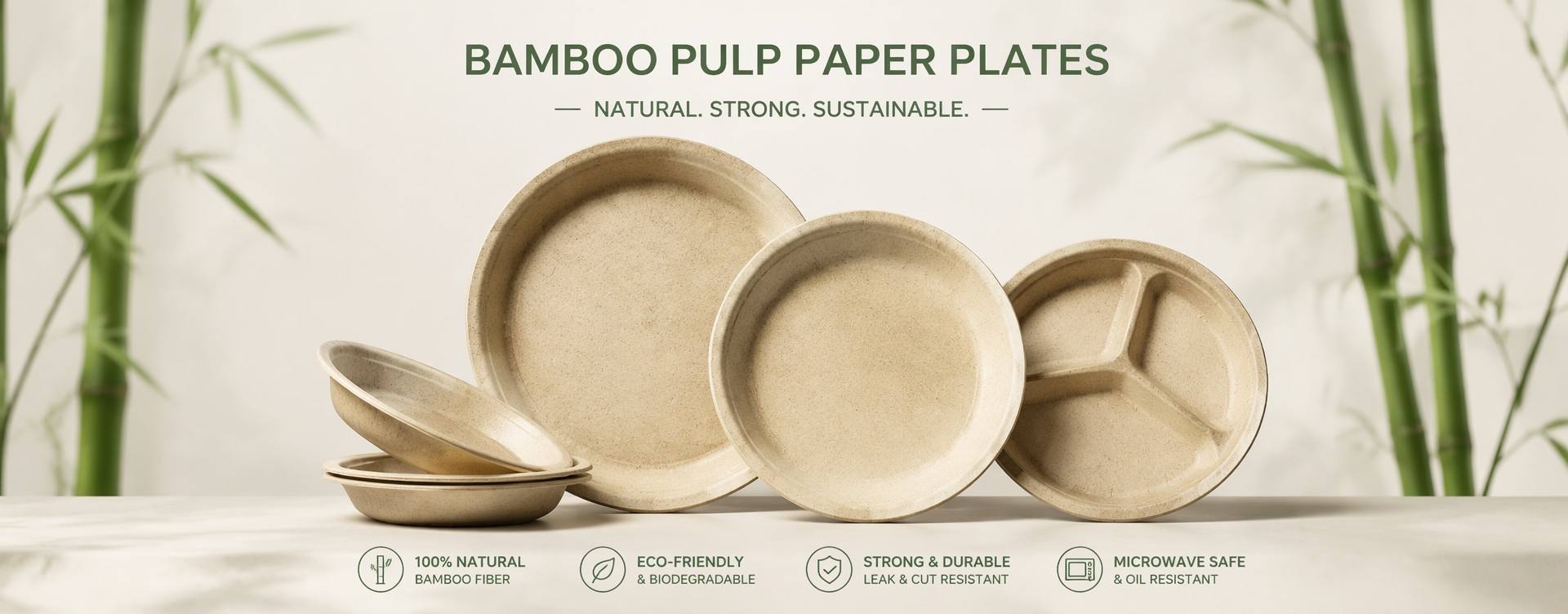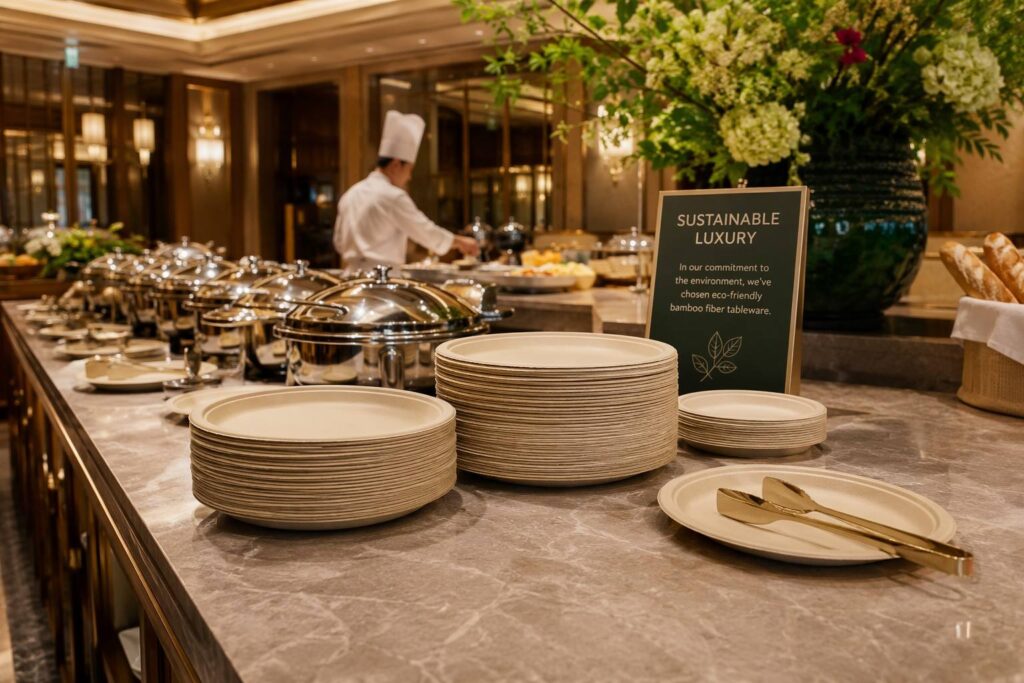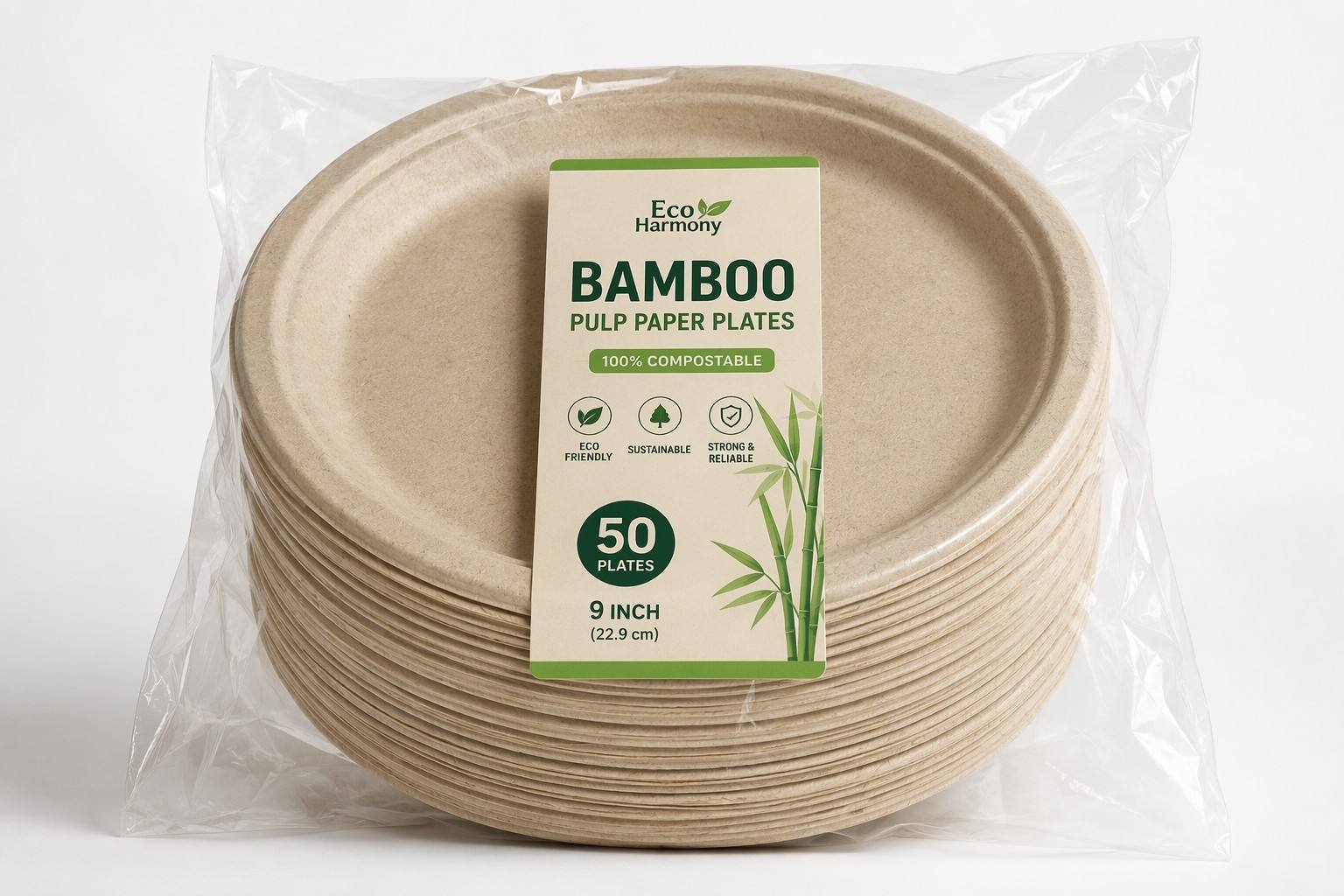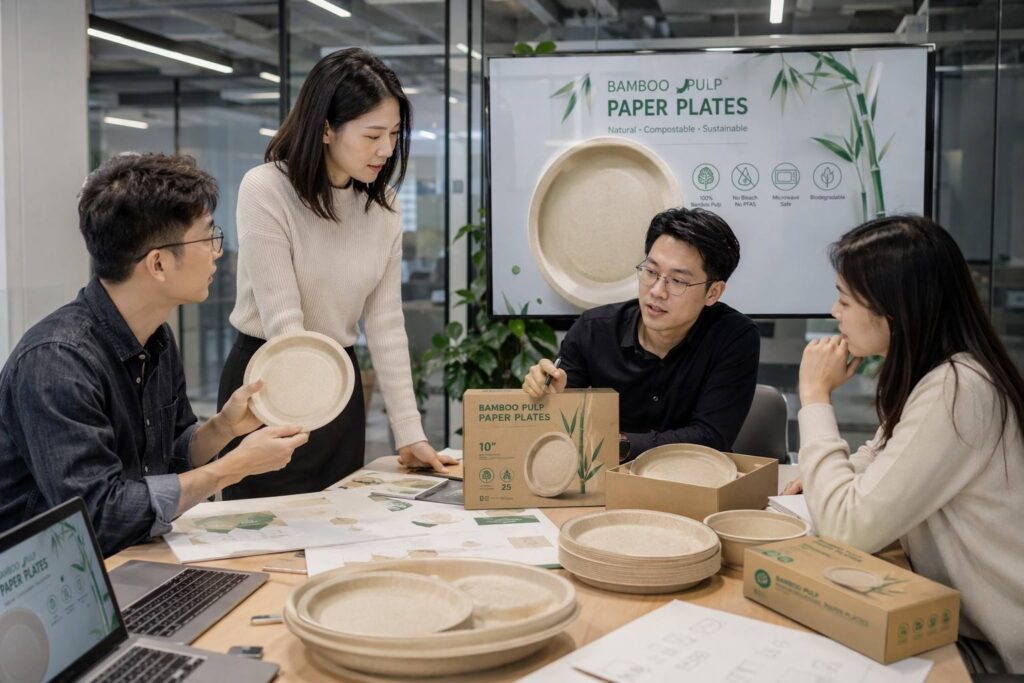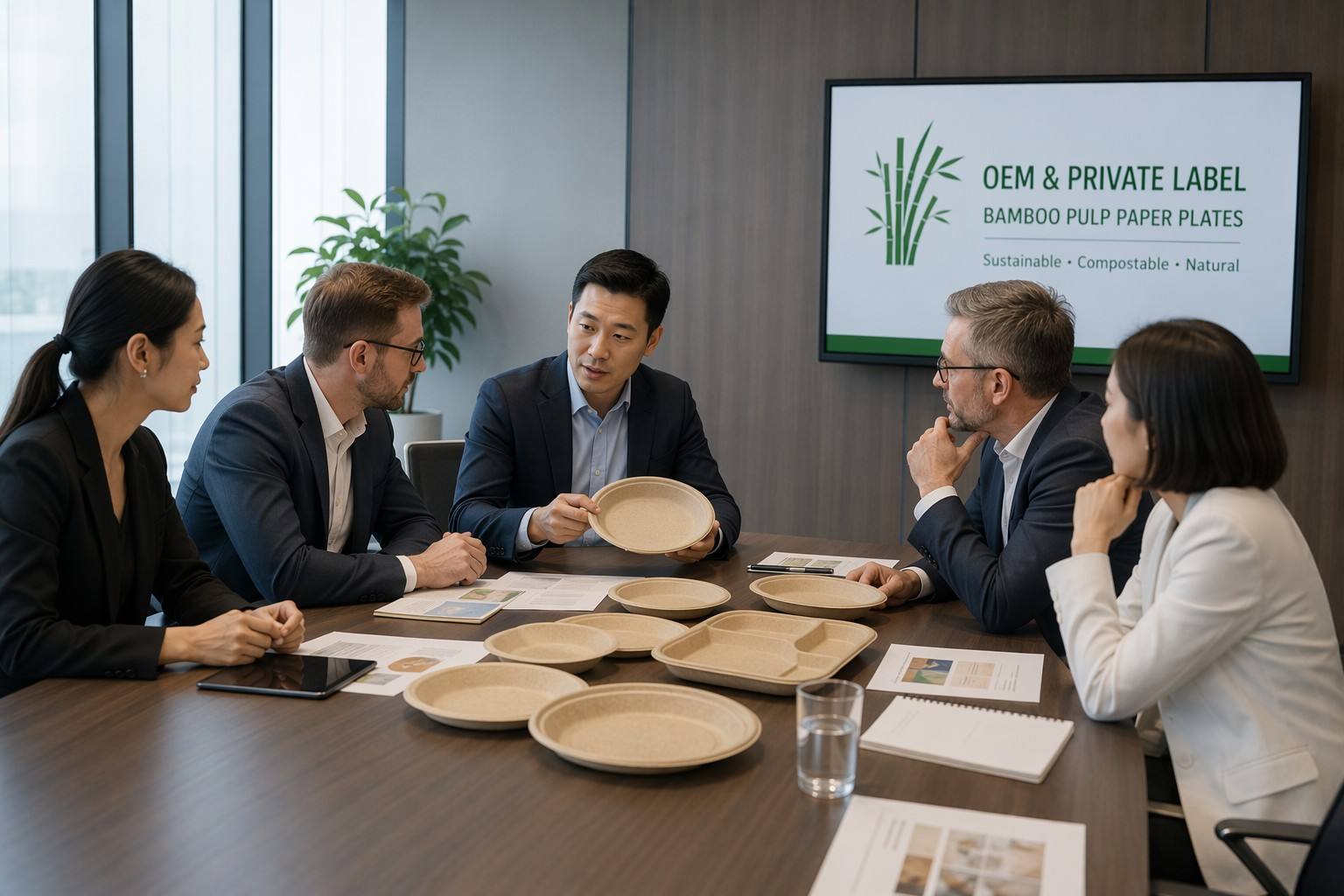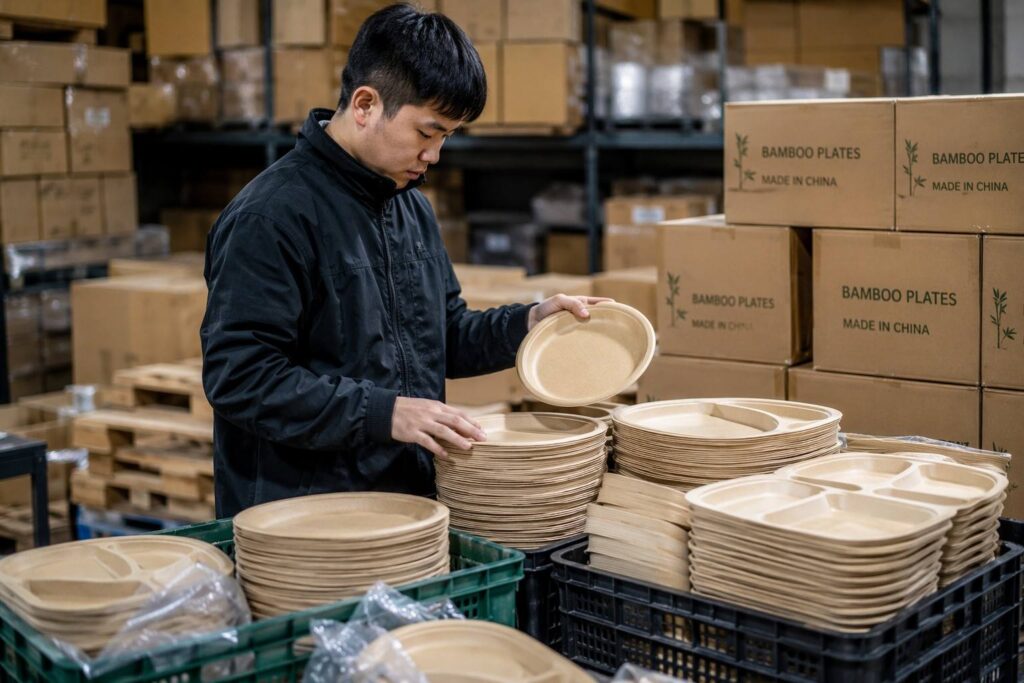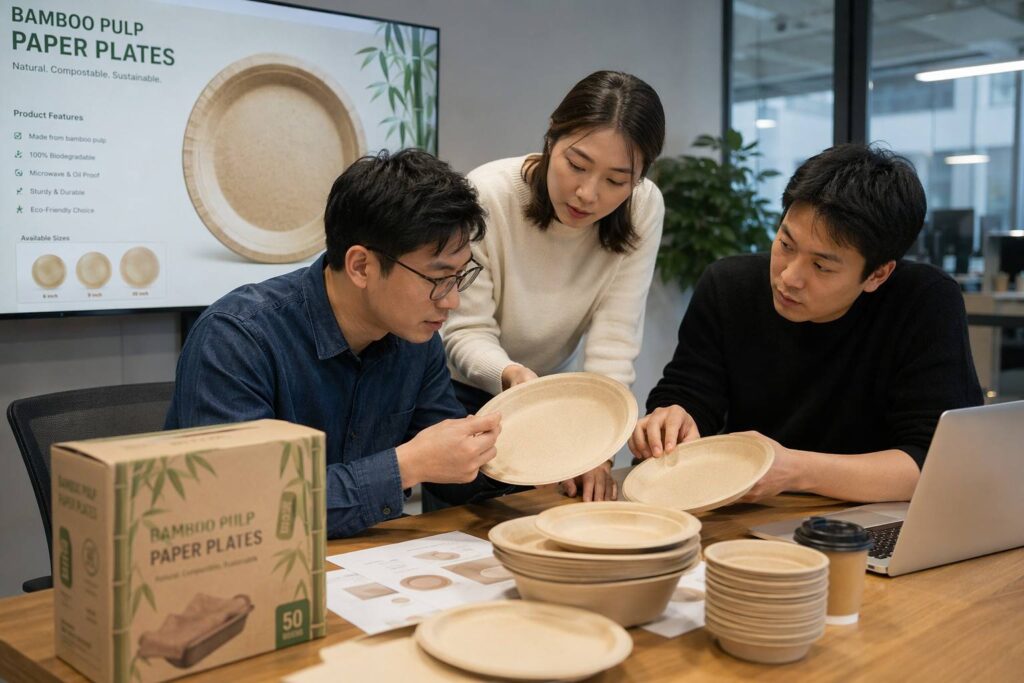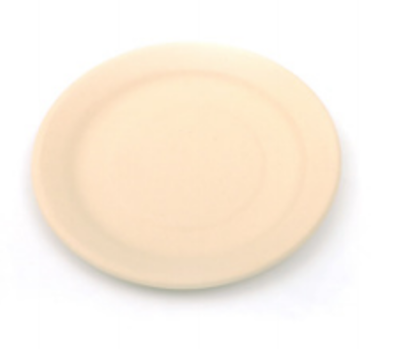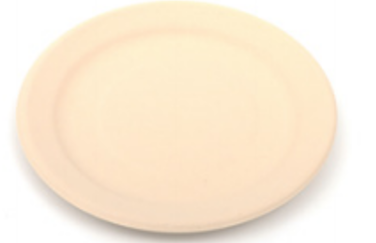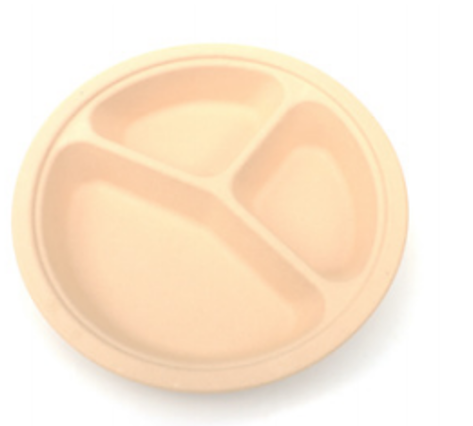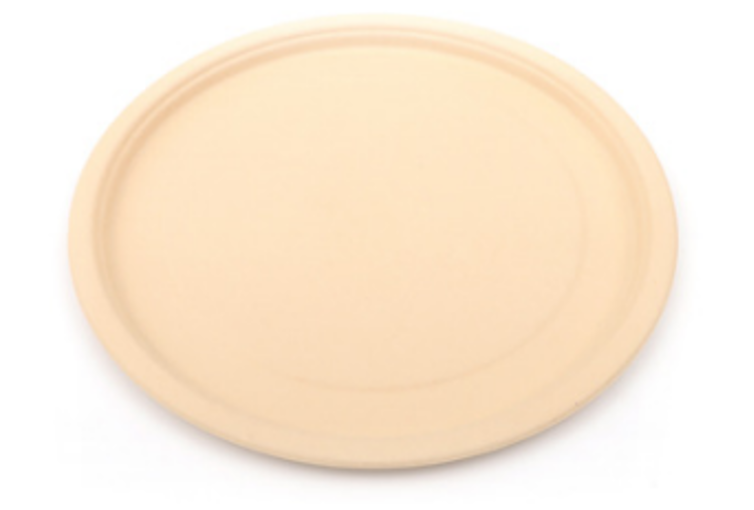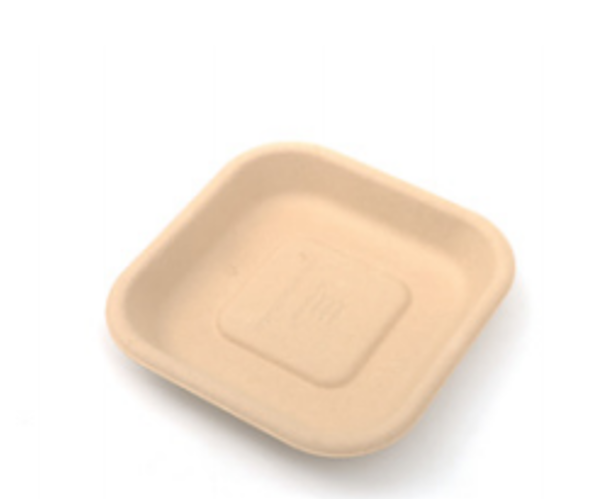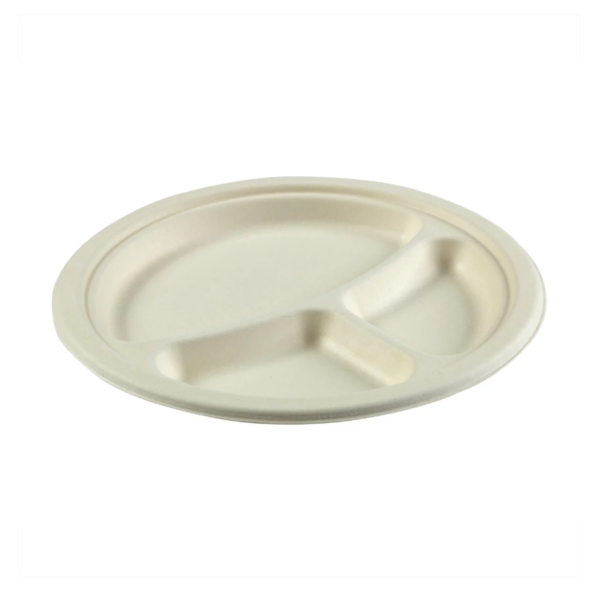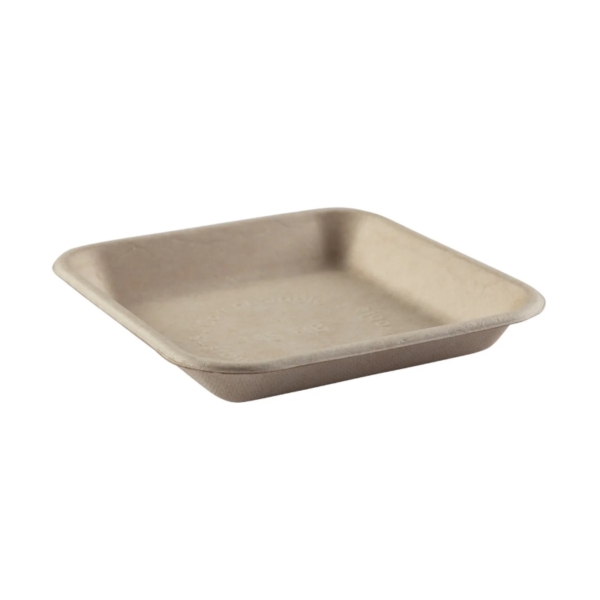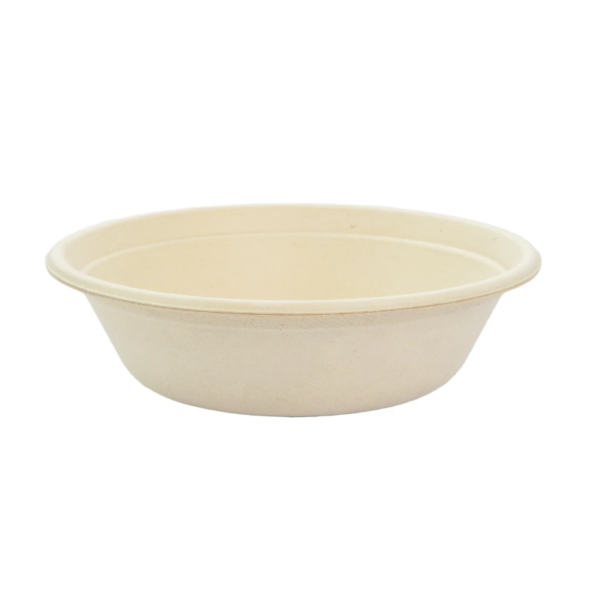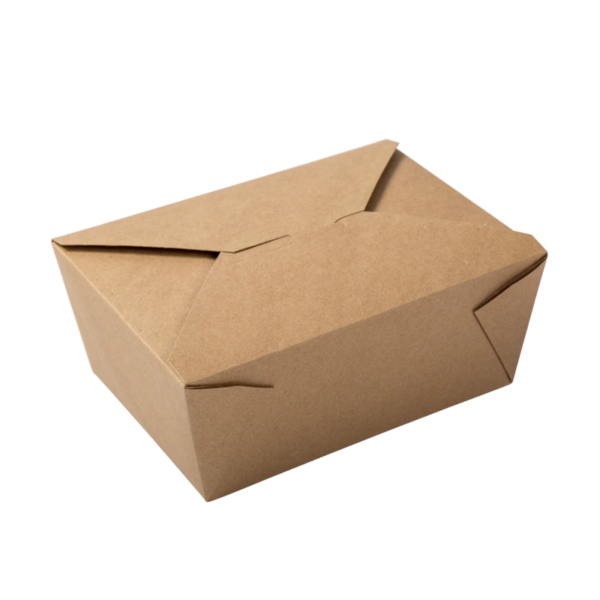
Round Plate

DAILYECO, Your Professional Bamboo Paper Plates Manufacturer

Custom Bamboo Paper Plates for Sustainable Food Packaging

Key Facts About Bamboo Paper Plates

Item

Information

Product Name

Bamboo Paper Plates

Material

Bamboo Fiber & Food-Grade Plant Fiber

Product Type

Disposable Bamboo Paper Plates

Typical Sizes

5″, 6″, 7″, 8″,8.78″, 9 inch bagasse plate, 10 inch bagasse plates, 12″

Applications

Restaurants, Catering, Takeaway, BBQ, Parties, Weddings, Hotels, Food Delivery

Food Types

Main Courses, Salads, Desserts, BBQ, Snacks, Fast Food

Surface Finish

Natural Bamboo Fiber Texture

Coating Options

PFAS-Free, Plastic-Free, Water & Oil Resistant

Customization

OEM & ODM Available

Printing

Custom Packaging & Private Label Available

Shape Options

Round, Square, Oval, Compartment

Supply Type

Manufacturer & Global Supply Chain Partner

Export Markets

North America, Europe, Australia, Middle East, Asia

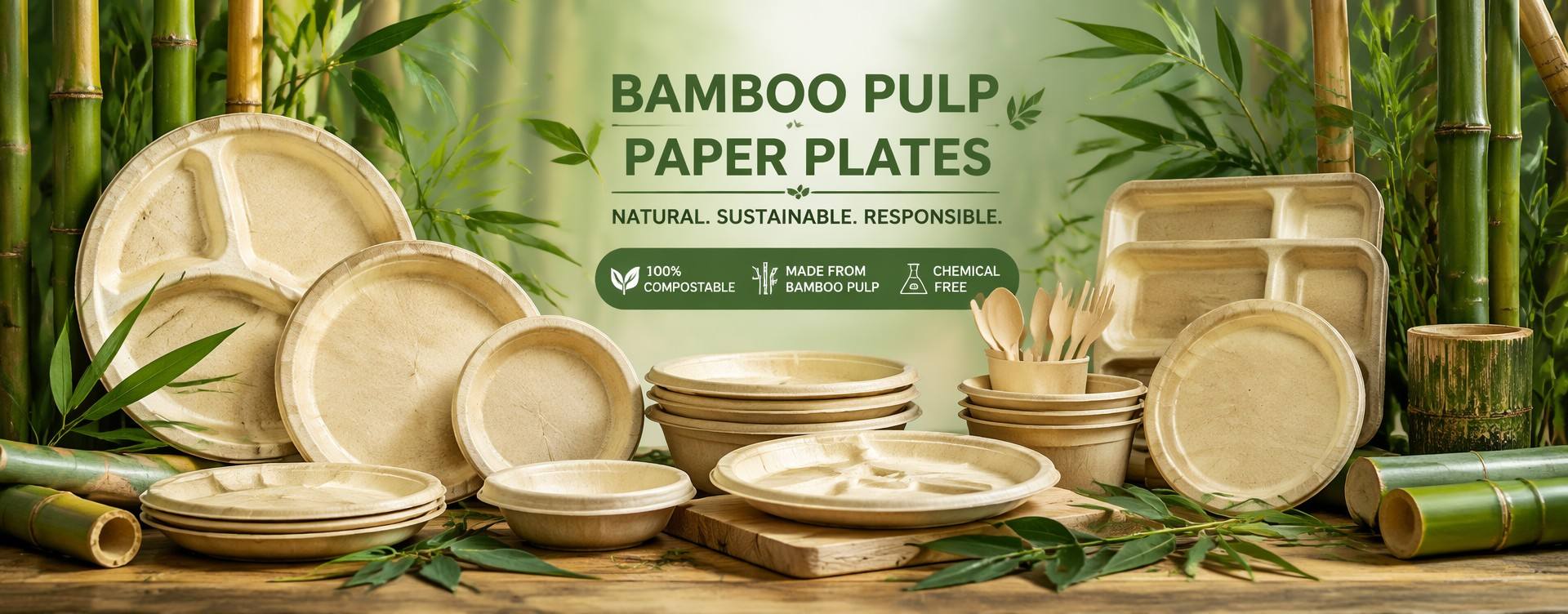
Bamboo paper plates are disposable foodservice plates manufactured primarily from renewable bamboo fiber, one of the world’s fastest-growing natural resources. Through molded fiber technology, bamboo fibers are transformed into durable, lightweight, and food-contact-safe plates suitable for both hot and cold foods.

Compared with conventional disposable plastic plates and foam tableware, bamboo disposable plates offer excellent rigidity, natural appearance, grease resistance, and improved sustainability. They are widely selected by restaurants, catering companies, hospitality groups, wholesalers, distributors, retailers, and eco-conscious foodservice brands seeking reliable disposable tableware with a premium presentation.

DAILYECO supplies both self-manufactured and integrated supply-chain bamboo paper plates, providing OEM manufacturing, private-label packaging, customized specifications, and global export services for professional B2B customers.

What Are Bamboo Paper Plates? Understanding the Industry Definition

Bamboo paper plates are disposable molded fiber plates manufactured primarily from bamboo fiber or bamboo-based plant fiber blends through high-temperature pulp molding technology. In the food packaging industry, the term “bamboo paper plates” is widely used as a commercial product category rather than a description of a product made from 100% bamboo fiber.

Depending on the product design, manufacturing process, and performance requirements, bamboo paper plates may be produced using bamboo fiber as the primary renewable material or in combination with other plant fibers to achieve the desired strength, surface quality, and foodservice performance. For this reason, buyers should always confirm the exact material composition and applicable technical documentation for the selected SKU before placing commercial orders.

Compared with conventional disposable paper or plastic plates, bamboo paper plates provide a renewable fiber-based alternative with excellent rigidity, natural appearance, and reliable performance for a wide range of hot and cold food applications. They are widely used by restaurants, catering companies, hospitality groups, foodservice distributors, retailers, and private-label brands seeking practical and sustainable disposable tableware solutions.

Their clean natural appearance, structural strength, and broad customization capabilities make bamboo paper plates suitable for everyday foodservice operations as well as premium dining, takeaway packaging, and branded foodservice programs.

What Is the Difference Between Bamboo Paper Plates and Bamboo Fiber Plates?

Many buyers use the terms bamboo paper plates and bamboo fiber plates to describe similar sustainable disposable tableware products.

In the food packaging industry, bamboo paper plates generally refer to molded fiber plates manufactured from bamboo pulp or bamboo-based plant fibers. Through a molding and hot-pressing process, bamboo fibers are transformed into durable disposable plates with excellent strength, grease resistance, and food-contact performance.

The term bamboo fiber plates focuses more on the raw material, while bamboo paper plates emphasizes the finished disposable foodservice product. Both terms describe renewable fiber-based tableware designed for restaurants, catering services, takeaway businesses, and sustainable packaging applications.

What Are the Key Features of Bamboo Paper Plates?

Professional buyers typically evaluate bamboo paper plates based on material composition, foodservice performance, manufacturing consistency, documentation availability, and long-term supply capability rather than marketing descriptions alone.

The following table summarizes the key characteristics buyers commonly consider when selecting bamboo paper plates for commercial foodservice applications.

Feature

Procurement Information

Buyer Notes

Material Construction

Manufactured from bamboo fiber or bamboo-based plant fiber blends using molded fiber technology.

Material composition may vary by product design. Buyers should confirm the exact material specification for the selected SKU.

Structural Performance

Designed to support commercial foodservice applications with a rigid molded fiber structure.

Load-bearing capacity depends on plate size, thickness, food weight, and serving conditions. Product-specific testing is recommended before commercial use.

Oil & Grease Resistance

Designed for normal foodservice applications involving oily and moist foods.

Performance varies according to food type, oil content, serving temperature, and contact time. Normally 95°C,30 minutes guarantee for Oil & Grease Resistance

Heat Performance

Suitable for serving hot foods under defined foodservice conditions. Selected specifications may also support microwave reheating.

Maximum operating temperature and microwave suitability should be confirmed according to the selected product specification.

Cold Food Performance

Suitable for chilled foods, refrigerated meals, desserts, salads, fruits, and takeaway applications.

Product performance should be evaluated according to storage temperature and application duration.

Food Contact Documentation

Food-contact documentation may be available for applicable products.

Buyers should confirm documentation requirements according to the destination market and applicable regulations.

Microwave Compatibility

Selected specifications may be suitable for microwave reheating under normal foodservice conditions.

Performance depends on heating time, food type, and product specification. Commercial users should conduct application testing before large-scale use.

Freezer Compatibility

Selected products may be suitable for refrigerated or frozen-food applications. -20°C will be safe from our products

Buyers should verify applicable storage temperatures and intended usage before purchase.

Customization Capability

OEM and ODM services include customized dimensions, shapes, embossing, printing, retail packaging, and private-label production.

Commercial feasibility depends on tooling requirements, order quantity, artwork complexity, and annual purchasing volume.

Product Portfolio

Available in multiple formats, including round plates, compartment plates, square plates, oval plates, deep plates, pizza plates, and matching lids.

Product selection should be based on menu type, serving method, transportation requirements, and target market preferences.

Sustainability Options

Selected product lines may support PFAS-free, plastic-free, biodegradable, or industrial compostable programs where applicable.

Availability depends on the selected SKU, applicable certifications, and destination-market requirements. Buyers should confirm documentation before ordering.

Manufacturing Consistency

Produced under standardized manufacturing and quality-control procedures to support stable commercial supply.

Critical specifications—including dimensions, weight, tolerances, and packaging—should be confirmed during sample approval prior to mass production.

Bamboo Paper Plates Structure and Performance Features

Why Are Bamboo Paper Plates Becoming Popular Worldwide?

The growing demand for sustainable food packaging, stricter regulations on single-use plastics, and increasing consumer awareness have significantly increased global demand for bamboo paper plates.

Consumers today expect disposable tableware to deliver reliable performance while supporting environmental responsibility. Made from rapidly renewable bamboo fiber, bamboo paper plates provide excellent strength, natural aesthetics, and dependable performance for both hot and cold food applications.

Sustainability has also become an important purchasing consideration. Restaurants, catering companies, hotels, and foodservice operators are increasingly replacing conventional disposable tableware with bamboo disposable plates to strengthen their sustainability initiatives and brand image.

Advances in molded fiber manufacturing have further improved product strength, grease resistance, dimensional consistency, and production efficiency. As a result, modern bamboo paper plates offer an excellent balance of durability, sustainability, and commercial value.

For importers, distributors, wholesalers, and foodservice brands, bamboo paper plates have become one of the fastest-growing categories in sustainable disposable tableware.


Industry Insights & Market Trends

The global foodservice industry is rapidly adopting renewable and fiber-based packaging as environmental regulations and consumer expectations continue to evolve. As businesses seek more sustainable disposable tableware, bamboo paper plates are becoming an increasingly important solution for restaurants, catering companies, retailers, hotels, and takeaway services.

For manufacturers, distributors, and brand owners, understanding these market trends helps support better purchasing decisions and long-term sourcing strategies.
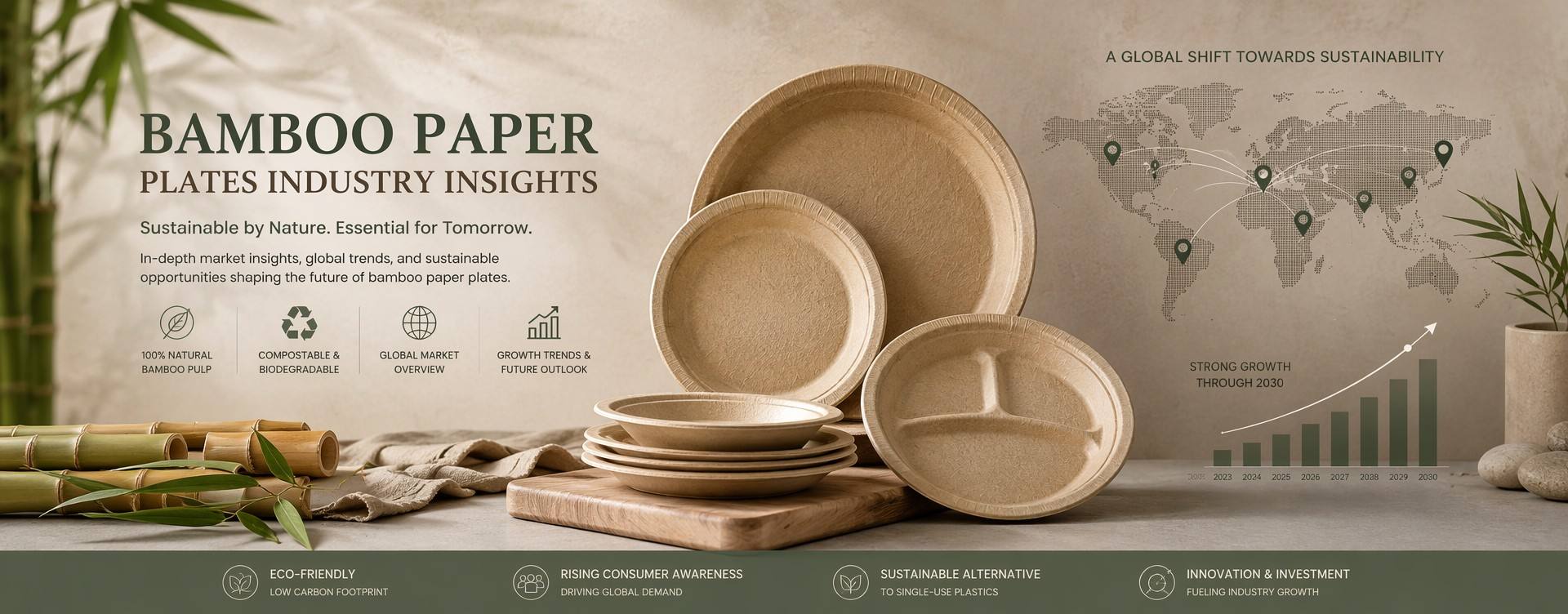
Bamboo Paper Plates Industry Insights & Market Trends

Global Market Overview

Disposable tableware remains essential across restaurants, cafés, hotels, catering companies, supermarkets, and takeaway businesses worldwide.

As environmental awareness grows, more businesses are adopting renewable fiber products to replace conventional disposable tableware. This has accelerated the demand for bamboo paper plates, which combine durability, food-contact safety, and a natural premium appearance.

Key Industry Trends

Growing Demand for Sustainable Packaging

Environmental responsibility has become a key purchasing factor. Many foodservice businesses are choosing bamboo paper plates to support sustainability goals while meeting customer expectations.

Expansion of Takeaway & Ready-to-Eat Food

The continued growth of takeaway and food delivery services has increased demand for disposable plates with reliable strength, grease resistance, and consistent quality.

Renewable Materials Drive Purchasing Decisions

Businesses increasingly evaluate packaging based on renewable materials, regulatory compliance, and long-term environmental performance rather than cost alone. Bamboo fiber has become a preferred solution due to its rapid renewability and excellent molding performance.

Brand Differentiation Through Sustainable Packaging

Packaging has become an important extension of brand identity. The natural appearance of bamboo paper plates helps restaurants and catering brands communicate their sustainability commitment while enhancing food presentation and customer perception.

Regional Market Focus

Region

Typical Market Focus

North America

Product performance, food-contact compliance, sustainability

Europe

Renewable materials, environmental regulations

Australia & New Zealand

Eco-friendly takeaway packaging

Middle East

Premium presentation, hospitality

Asia

Cost efficiency, stable supply

Understanding these regional priorities helps buyers select bamboo paper plates that better meet local market requirements.

What This Means for Buyers

Today’s purchasing decisions are no longer based solely on price. Professional buyers increasingly evaluate suppliers based on:

  • Consistent product quality
  • Reliable manufacturing capacity
  • Flexible OEM & ODM customization
  • Food-contact compliance support
  • Stable long-term supply
  • Sustainable packaging solutions
  • Technical expertise

As the disposable tableware industry continues to evolve, selecting the right supplier is essential for meeting both current business needs and future market expectations. High-quality bamboo paper plates, combined with dependable manufacturing and professional support, help businesses improve customer satisfaction, strengthen brand reputation, and build long-term competitive advantage.

Which Bamboo Paper Plates Are Right for Your Business?

Every foodservice business has different serving requirements. Selecting the appropriate bamboo paper plates depends on the menu, portion size, dining environment, branding objectives, and sustainability goals.

Choose Standard Round Bamboo Paper Plates If You

  • Serve everyday meals, desserts, salads, sandwiches, or snacks.
  • Operate restaurants, cafés, or takeaway businesses.
  • Need a versatile solution for daily foodservice.
  • Prefer the most widely used plate style.

Choose Heavy-Duty Bamboo Paper Plates If You

  • Serve steaks, barbecue, seafood, or large meals.
  • Need extra rigidity for hot and heavy foods.
  • Operate catering or food delivery services.
  • Require dependable performance throughout transportation.

Choose Compartment Bamboo Paper Plates If You

  • Serve combination meals.
  • Supply schools, hospitals, airlines, or institutional catering.
  • Need to separate main dishes and side dishes.
  • Improve food presentation during takeaway.

Choose Custom Bamboo Paper Plates If You

  • Build your own foodservice brand.
  • Require OEM manufacturing or private-label packaging.
  • Need customized sizes or retail packaging.
  • Want packaging that strengthens brand recognition.

Procurement Recommendations by Market 

Different regions have different purchasing priorities. Selecting the appropriate bamboo paper plates according to your target market helps improve customer acceptance and regulatory compliance.

Target Market

Recommended Product

Primary Purchasing Considerations

North America

PFAS-Free Bamboo Paper Plates

Performance, food-contact compliance

Europe

Plastic-Free Bamboo Paper Plates

Sustainability, renewable materials

Australia & New Zealand

Premium Bamboo Fiber Plates

Eco-friendly packaging

Middle East

Heavy-Duty Bamboo Paper Plates

Premium appearance, durability

Asia

Standard Bamboo Paper Plates

Cost efficiency, stable supply

Catering & Foodservice

Compartment Bamboo Plates

Meal separation, operational efficiency

Restaurant Brands

Custom Bamboo Paper Plates

OEM branding, private label

Rather than selecting products based on price alone, buyers should evaluate product strength, food applications, sustainability requirements, destination market regulations, and total procurement cost together to identify the most suitable bamboo paper plates for long-term business success.

DAILYECO’s Complete Bamboo Paper Plates Categories Will Cover All Your Sales and On-Site Application Needs

DAILYECO offers a complete range of bamboo paper plates designed for restaurants, catering companies, foodservice distributors, hospitality groups, supermarkets, retailers, and private-label brands.

Our product portfolio covers the most commonly used plate sizes for desserts, snacks, fast food, salads, lunch, dinner, barbecue, and combination meals. Every product is manufactured from high-quality bamboo fiber to provide excellent strength, grease resistance, and reliable food performance.

Pictures

Name

Size

Weight

Pcs/bag

Bag/CTN

Pcs/CTN

Length

Width

Height

5” Plate

Ø127*15.16

5.5

125

8

1000

26.5

27

26.5

6” Plate

Ø155*12.5

6

125

8

1000

32

27

32

7” Plate

Ø175*15.8

8

125

8

1000

36

29.5

36

8″Plate

Ø205*16

11

125

8

1000

42

26

42.5

8.78″Plate

Ø22.23*18.95

12

125

4

500

32

23.3

45.6

9” Plate

Ø225*19.6

15

125

4

500

32

23.5

46

9” Large Plate

Ø230*22

16

125

4

500

47

32

24

9” 3 Compartment Plate

Ø225*19.6

15

125

4

500

46.5

32

23.5

9″ 3 Compartment Plate (Big)

Ø235*20.4

18

125

4

500

49

34

24.5

10” Plate

Ø258*20.5

20

125

4

500

53

34

27

10” 3 Compartment Plate

Ø258*25.5

21

125

4

500

52.5

18

52.5

12″ Pizza Box

320*17

34

50

4

200

55

34

34

12″ Pizza Box PET Lid

350*330*50

42

50

4

200

66

45.5

67

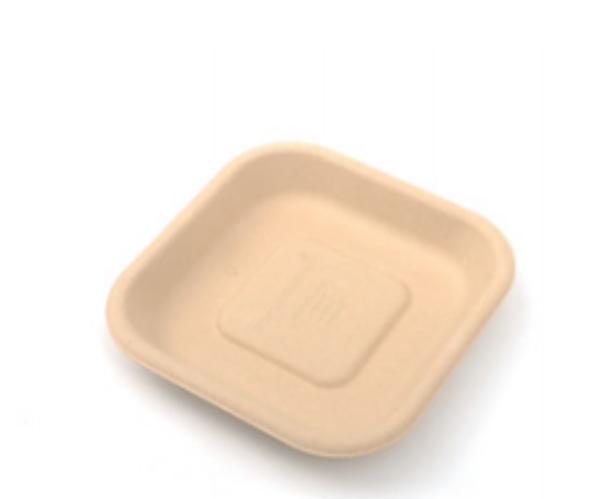
6” Square Plate

160*160*15

13

50

10

500

34

28

17

8” Square Plate

200*200*15

17

50

10

500

56

21

21

10” Square Plate

260*260*15

30

50

10

500

57

27

27

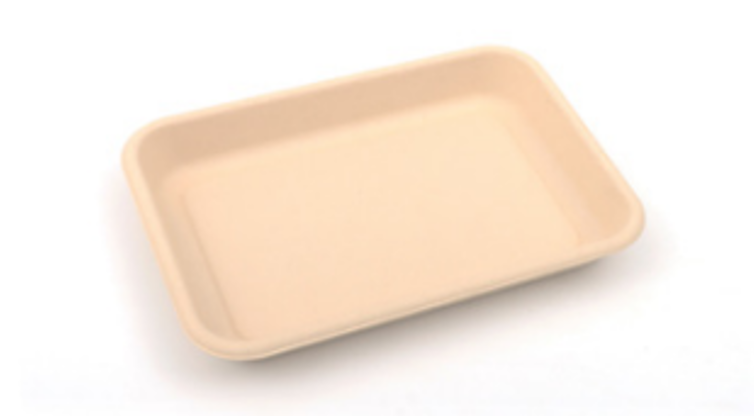
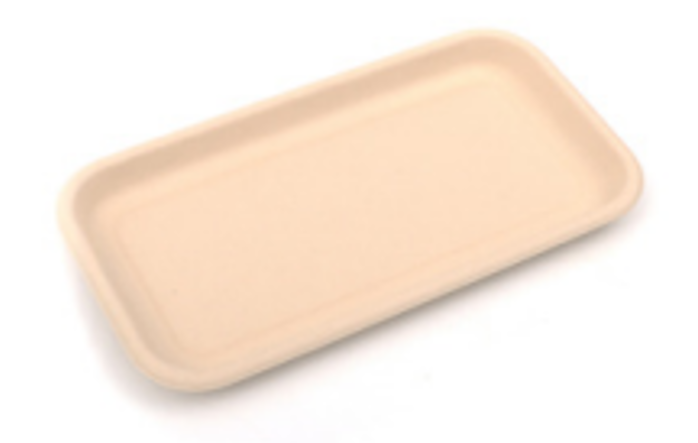
10” Rec Plate

260*130*20

17

50

10

500

30.5

27

28

10 Square Plate

260*260*30

35.5

100

2

200

34

27

27


All specifications can be customized according to your target market, branding strategy, and foodservice requirements.

Customization Options 

DAILYECO provides complete OEM and private-label manufacturing services for foodservice brands, distributors, importers, and retailers worldwide.

Customization services include:

  • Custom Logo Printing
  • Custom Embossing
  • Private Label Packaging
  • Retail Packaging Design
  • Customized Plate Sizes
  • Customized Shapes
  • Color Box Packaging
  • Barcode Printing
  • QR Code Printing
  • Promotional Packaging
  • Amazon Ready Packaging

Our engineering and production teams work closely with customers to ensure every project reflects their brand identity while maintaining stable product quality.
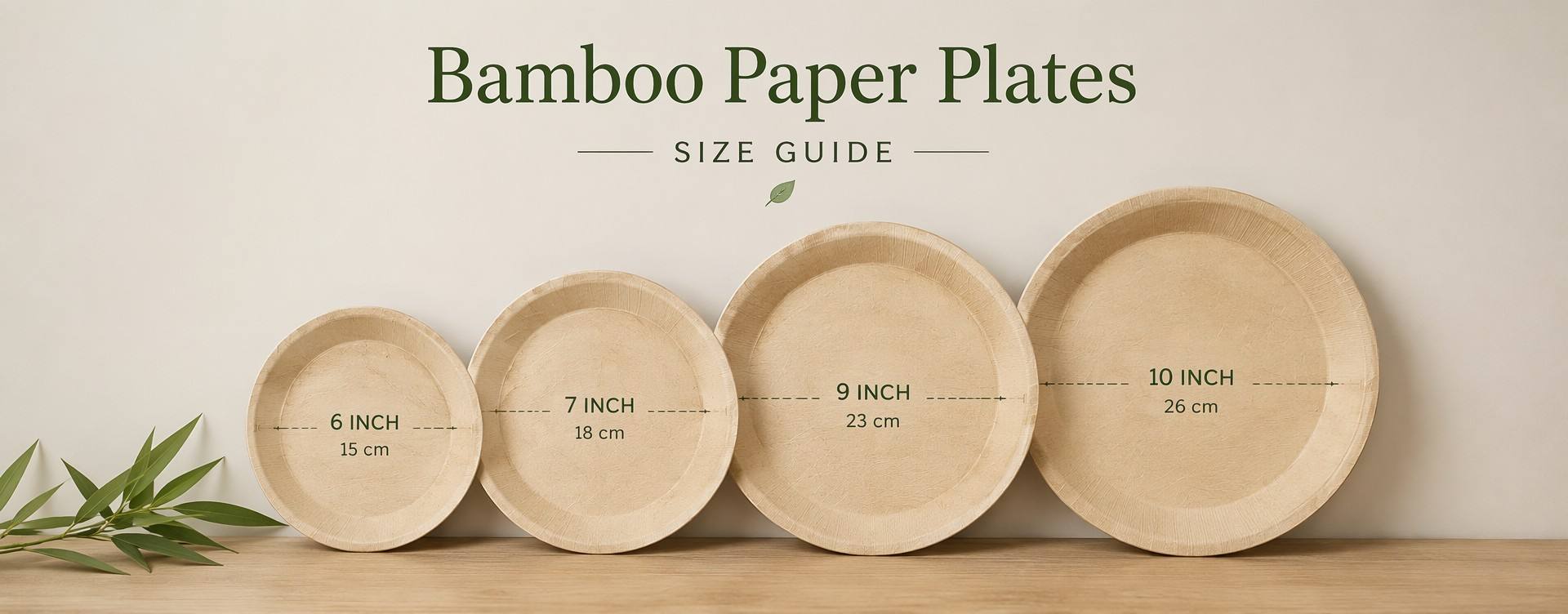
Bamboo Paper Plates Size Guide

Bamboo Paper Plates Size Guide

Selecting the appropriate plate size helps improve food presentation, portion control, operational efficiency, and customer satisfaction.

Size

Typical Food Application

5 inch

Suitable for desserts, chilled fruits, snacks, starters and small portion food

6 inch

Cakes, desserts, bread, fruit

7 inch

Salads, appetizers, snacks

8 inch

Breakfast, sandwiches, light meals

8.78 inch

Combo meals, light full portions, sandwiches & takeaway food

9 inch

Lunch, burgers, fast food

10 inch

Dinner, barbecue, main courses

12 inch

Family meals, sharing platters

Compartment Plate

Combination meals, school meals, airline catering

Different markets may have different serving standards and menu configurations. DAILYECO can recommend the most suitable bamboo paper plates based on your target market, menu design, and foodservice operation.
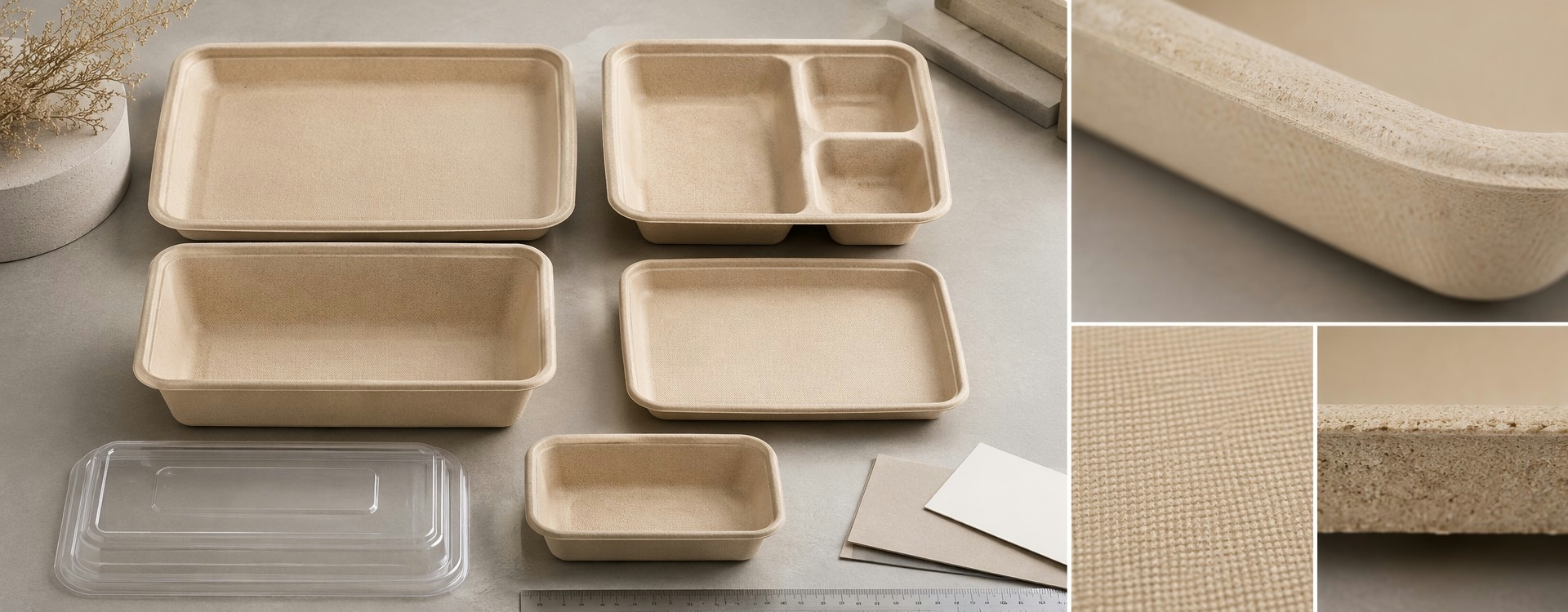
Structures of Bagasse Trays and Renewable Sugarcane Fiber Material

Why Are Bagasse Trays Becoming Popular Worldwide? 

Foodservice buyers are reviewing packaging materials as plastic-reduction goals, customer expectations, and destination-market requirements become more important.

Bagasse trays are increasingly considered because they use renewable sugarcane fiber and are available in practical formats for meals, snacks, catering, takeaway, delivery, and retail display.

Their molded-fiber appearance can communicate a visible material change to customers, while nested structures can support storage and transport efficiency.

Adoption still depends on verified performance, price, supply continuity, food-contact documentation, and the end-of-life infrastructure available in the destination market.

For commercial programs, manufacturers can adjust tray dimensions, compartment layouts, product weight, molds, cartons, and private-label packaging according to the approved specification.


Bagasse Trays Industry Insights and Sustainable Food Packaging Trends 

The molded-fiber packaging market is expanding beyond general takeaway products into application-specific tray systems for foodservice, catering, retail, and institutional meal programs.

Within this transition, buyers compare bagasse trays not only by material but also by structure, unit weight, lid availability, packing efficiency, and repeat-order reliability.

The following purchasing trends explain why the category is becoming more specialized.

Get Latest Catalog

What Is the Application of Bamboo Paper Plates?

Bamboo paper plates are widely used across restaurants, catering services, hospitality groups, takeaway businesses, and retail food operations. Their combination of renewable bamboo fiber, structural strength, and natural appearance makes them suitable for a wide range of commercial foodservice applications.

Bamboo Paper Plates for Restaurant Food Service

Restaurants & Cafés

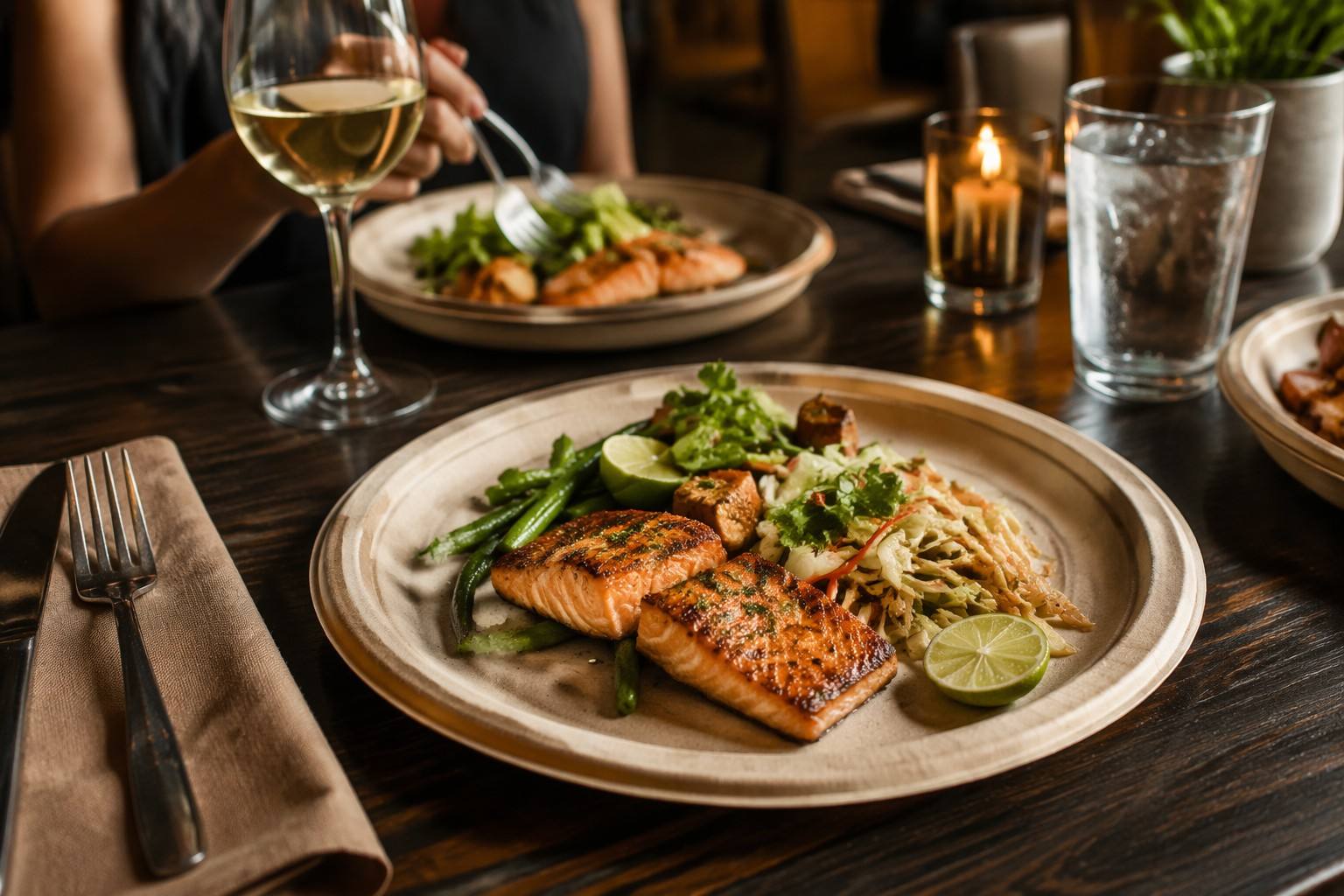
Restaurants and cafés use bamboo paper plates for daily food service, including breakfast, lunch, desserts, and casual dining.

Their natural appearance helps improve food presentation while providing reliable performance for hot and cold meals.

Typical Requirements

  • Consistent quality
  • Suitable strength for daily meals
  • Various size options
  • Stable supply

Recommended Sizes

8 inch, 9 inch, 10 inch

Catering & Events

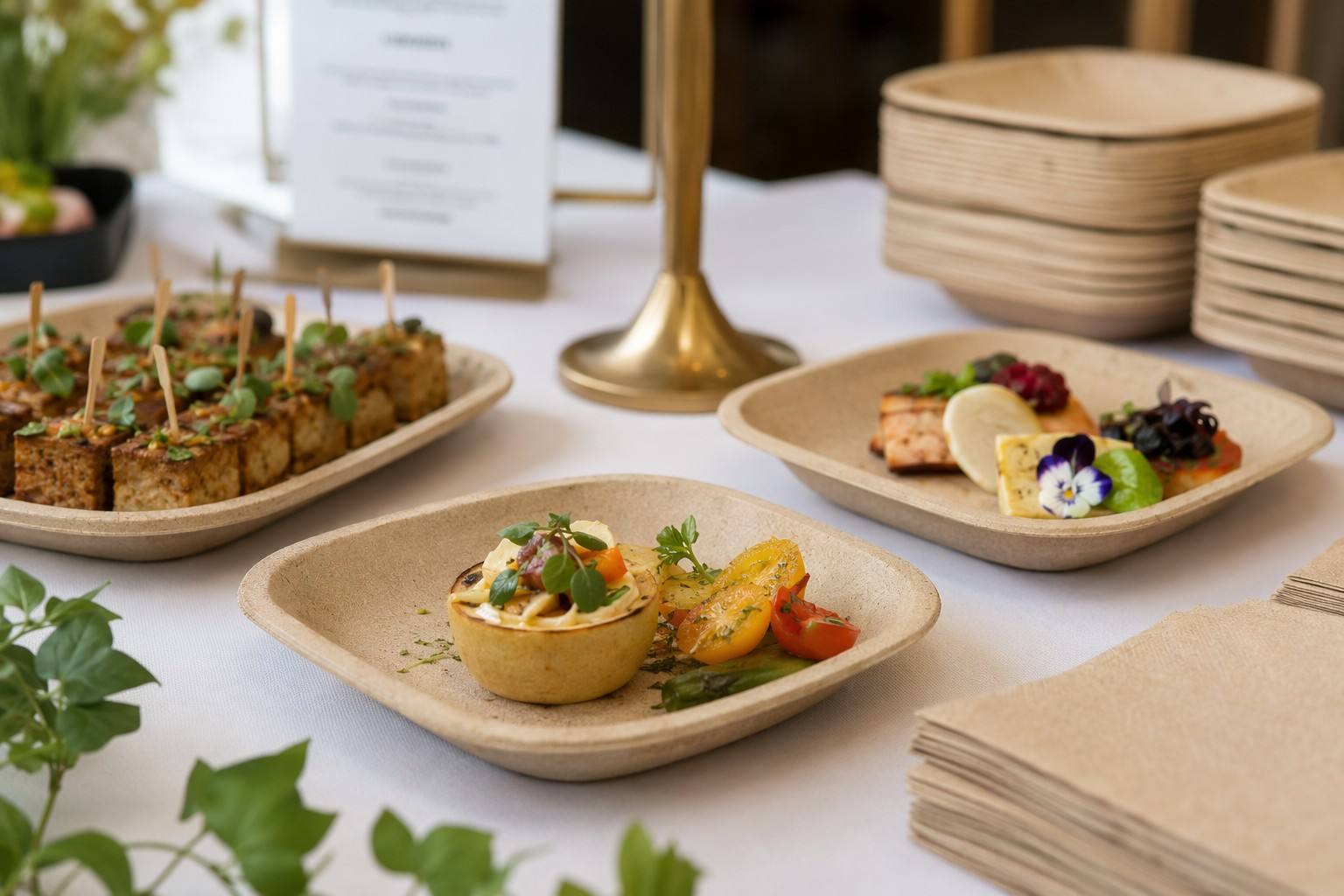
Catering companies and event organizers require disposable tableware that is practical, attractive, and easy to manage at large-scale functions.

Bamboo paper plates are commonly used for weddings, corporate events, parties, outdoor dining, and buffet services.

Typical Requirements

  • Lightweight handling
  • Stackable packaging
  • Reliable strength
  • Premium appearance

Recommended Sizes

9 inch, 10 inch, 10.25 inch, compartment plates

Bamboo Paper Plates for Catering Events
Bamboo Paper Plates for Food Delivery

Food Delivery & Takeaway 

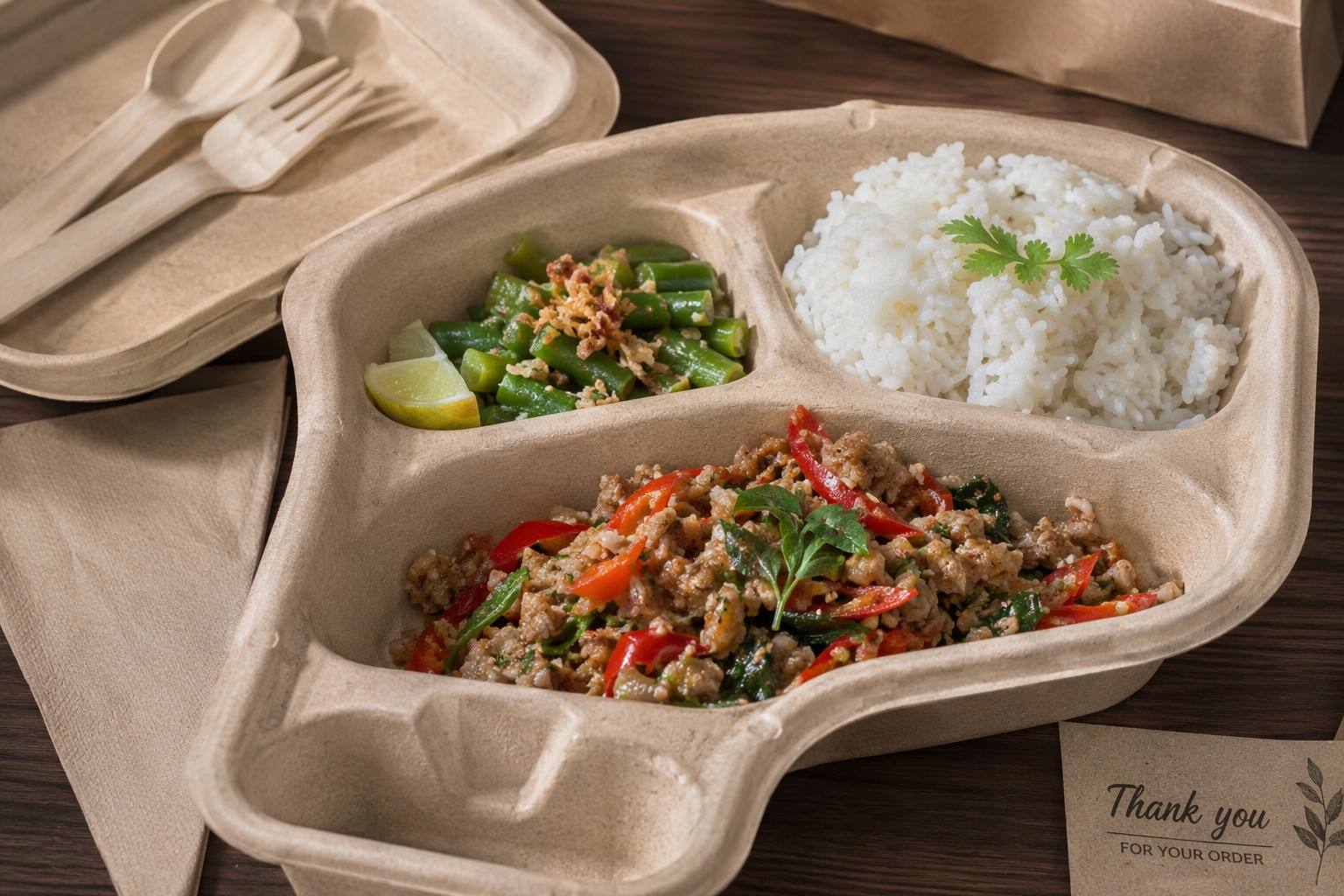
The growth of takeaway and food delivery services has increased demand for disposable plates that maintain performance during transportation.

Bamboo paper plates provide a practical solution for restaurants offering ready-to-eat meals, takeaway packages, and delivery orders.

Typical Requirements

  • Good rigidity
  • Oil resistance
  • Suitable for packaged meals
  • Compatible with food containers

Recommended Sizes

9 inch, 10 inch, compartment plates

Hotels & Hospitality

Hotels, resorts, and hospitality groups use bamboo paper plates for buffets, outdoor dining, conferences, and guest events.

Their natural appearance supports sustainability-focused hospitality programs while maintaining professional food presentation.

Typical Requirements

  • Premium appearance
  • Food safety documentation
  • Stable supply
  • Custom branding options

Recommended Sizes

10 inch, 10.25 inch, compartment plates

Bamboo Paper Plates for Food Delivery

Retail & Household Use

Retail brands and supermarkets offer bamboo paper plates for consumers seeking convenient disposable tableware for parties, family gatherings, and outdoor activities.

Typical Requirements

  • Attractive packaging
  • Retail-ready cartons
  • Multiple size options

Recommended Sizes

6 inch, 7 inch, 8 inch, 10 inch

Bamboo Paper Plates vs Other Disposable Plates

Selecting the right disposable plate requires evaluating more than product appearance or initial cost. Professional buyers should consider material characteristics, food applications, customization requirements, sustainability objectives, and long-term procurement needs.

Different disposable plate materials are designed for different commercial applications. Understanding their differences helps buyers select the most suitable solution based on their target market, menu requirements, and business goals.

Bamboo Paper Plates vs Bagasse Plates

Comparison Item

Bamboo Paper Plates

Bagasse Plates

Primary Material

Bamboo fiber or bamboo-based plant fiber blends

Sugarcane bagasse fiber

Typical Thickness

0.8–1.5 mm

0.8–1.6 mm

Load Capacity*

800–1200 g

700–1100 g

Heat Performance

Suitable for hot food applications; selected specifications support microwave reheating

Suitable for hot food applications; selected specifications support microwave reheating

Surface Characteristics

Smooth molded surface with natural bamboo fiber appearance

Natural molded fiber texture

Typical Applications

Restaurants, catering services, retail foodservice, premium takeaway, branded food programs

Catering, takeaway services, institutional dining, everyday foodservice

Customization Flexibility

Supports customized sizes, embossing, private-label packaging, and OEM development

Supports customized specifications and packaging solutions depending on project requirements

Buyer Considerations

Suitable for buyers prioritizing product consistency, natural appearance, and brand presentation

Suitable for buyers focusing on renewable fiber sourcing and cost-efficient sustainable tableware

Procurement Notes

Buyers should confirm bamboo fiber composition, product specifications, and compliance documentation before ordering

Buyers should confirm fiber source, performance requirements, and certification availability before ordering

Both bamboo paper plates and bagasse plates are renewable fiber-based tableware solutions. Bamboo paper plates are often selected for applications requiring a smoother surface appearance and stronger customization flexibility, while bagasse plates are widely used for sustainable foodservice programs requiring reliable performance and efficient sourcing.

Bamboo Paper Plates vs Traditional Paper Plates 

Comparison Item

Bamboo Paper Plates

Traditional Paper Plates

Primary Material

Bamboo fiber or bamboo-based plant fiber blends

Virgin paper or recycled paper materials

Typical Thickness

0.8–1.5 mm

0.4–0.8 mm

Load Capacity*

800–1200 g

300–600 g

Surface Characteristics

Molded fiber structure with natural appearance and higher rigidity

Paper-based surface with lighter structure

Food Applications

Full meals, burgers, barbecue, main courses, oily foods

Snacks, desserts, light meals

Grease & Moisture Performance

Designed for oily and moist food applications under normal foodservice conditions

More suitable for lighter food applications depending on coating specification

Customization Flexibility

Supports OEM sizes, shapes, embossing, and private-label packaging

Mainly focused on standard sizes and printing customization

Buyer Considerations

Suitable for businesses requiring stronger plate structure and broader food applications

Suitable for buyers seeking economical solutions for light food service

Procurement Notes

Confirm thickness, strength requirements, and food application before ordering

Confirm paper quality, coating type, and intended usage scenario

Traditional paper plates remain a practical choice for lightweight foodservice applications. However, bamboo paper plates are commonly selected by commercial buyers who require stronger structural performance, improved food presentation, and wider application flexibility.

Bamboo Paper Plates vs Plastic Plates

Comparison Item

Bamboo Paper Plates

Plastic Plates

Primary Material

Bamboo fiber-based molded material

PP, PS, or other plastic materials

Renewable Material

Made from renewable plant fibers

Based on petroleum-derived plastics

Heat Performance

Suitable for hot food applications; selected products support microwave reheating

Depends on resin type and product specification

Surface Characteristics

Natural molded fiber appearance

Smooth plastic surface

Typical Applications

Restaurants, catering, takeaway, sustainable foodservice programs

Parties, events, cold food service, cost-focused applications

Customization Flexibility

Supports OEM production, embossing, packaging customization, and private-label solutions

Supports standard customization options depending on supplier capability

Buyer Considerations

Suitable for brands seeking renewable packaging solutions and natural presentation

Suitable for buyers prioritizing lightweight handling and low initial cost

Procurement Notes

Confirm sustainability documentation, food-contact requirements, and product specifications

Confirm resin type, food-contact compliance, and regional plastic regulations

Plastic plates continue to be used in many foodservice environments because of their durability and availability. However, bamboo paper plates are increasingly selected by businesses seeking renewable material solutions and sustainable packaging alternatives.

Bamboo Paper Plates vs Foam Plates

Comparison Item

Bamboo Paper Plates

Foam Plates (EPS)

Primary Material

Bamboo fiber molded material

Expanded polystyrene foam

Heat Performance

Suitable for hot and cold food applications under normal foodservice conditions

Suitable mainly for lightweight food applications

Structural Characteristics

Rigid molded fiber structure suitable for commercial meals

Lightweight foam structure

Oil & Moisture Performance

Designed for oily and moist food applications

Commonly used for simple foodservice applications

Typical Applications

Restaurants, catering, takeaway, hospitality, premium food presentation

Budget foodservice, casual events, lightweight meal service

Sustainability Positioning

Renewable fiber-based tableware option

Increasingly affected by plastic reduction policies in many markets

Buyer Considerations

Suitable for businesses focusing on sustainable packaging and customer experience

Suitable for buyers prioritizing low cost and lightweight packaging

Procurement Notes

Confirm fiber composition, application requirements, and compliance documentation

Confirm regional regulations and market acceptance before purchasing

Foam plates provide lightweight and economical packaging, but many markets are introducing restrictions on foam products. Bamboo paper plates provide a plant-fiber alternative for businesses looking to improve sustainability performance while maintaining practical foodservice functionality.

Bamboo Paper Plates vs Palm Leaf Plates

Comparison Item

Bamboo Paper Plates

Palm Leaf Plates

Primary Material

Bamboo fiber or bamboo-based plant fiber blends

Fallen palm leaves

Surface Characteristics

Smooth molded surface with consistent appearance

Natural leaf texture with handcrafted characteristics

Available Specifications

Multiple sizes, shapes, and compartment designs available

Product availability depends on natural leaf shape and supplier capability

Manufacturing Characteristics

Produced through controlled molded fiber manufacturing

Produced from naturally shaped palm leaves

Customization Flexibility

Supports OEM sizes, embossing, private-label packaging, and customized solutions

Mainly focused on natural appearance with limited customization options

Typical Applications

Restaurants, catering, retail foodservice, branded packaging programs

Premium eco dining, events, specialty food presentation

Buyer Considerations

Suitable for buyers requiring consistent specifications and scalable supply

Suitable for buyers seeking a natural handmade appearance

Procurement Notes

Confirm product specifications, customization requirements, and production capability

Confirm size availability, appearance consistency, and supply stability

Both bamboo paper plates and palm leaf plates are renewable alternatives to conventional disposable tableware. Bamboo paper plates are commonly selected for commercial foodservice programs requiring consistent specifications, scalable production, and OEM flexibility, while palm leaf plates are often chosen for their unique natural appearance.

Who Usually Buys Bamboo Paper Plates?

Bamboo paper plates are primarily purchased by commercial buyers rather than end consumers. Different customer groups have different purchasing priorities, ranging from product quality and supply stability to sustainability, customization, and cost efficiency.

Understanding who your customers are—and what matters most to them—helps manufacturers provide more targeted solutions and establish long-term business partnerships.

Importer Reviewing Bamboo Paper Plate Samples

Importers

Importers typically purchase bamboo paper plates in full-container quantities for distribution within their domestic markets. Their priorities include consistent product quality, competitive pricing, reliable manufacturing capacity, and efficient export logistics.

Packaging Distributors

Packaging distributors stock a complete range of disposable tableware, including bamboo paper plates, bowls, trays, containers, and cutlery. Broad product availability and fast replenishment are key competitive advantages.

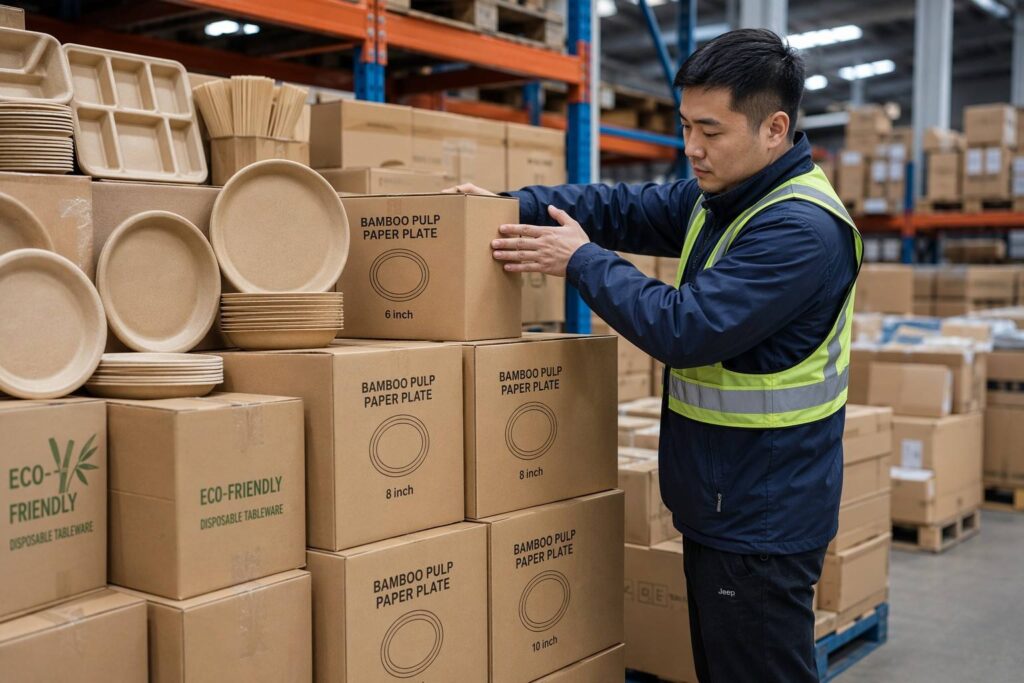
Packaging Distributor Stocking Bamboo Paper Plates
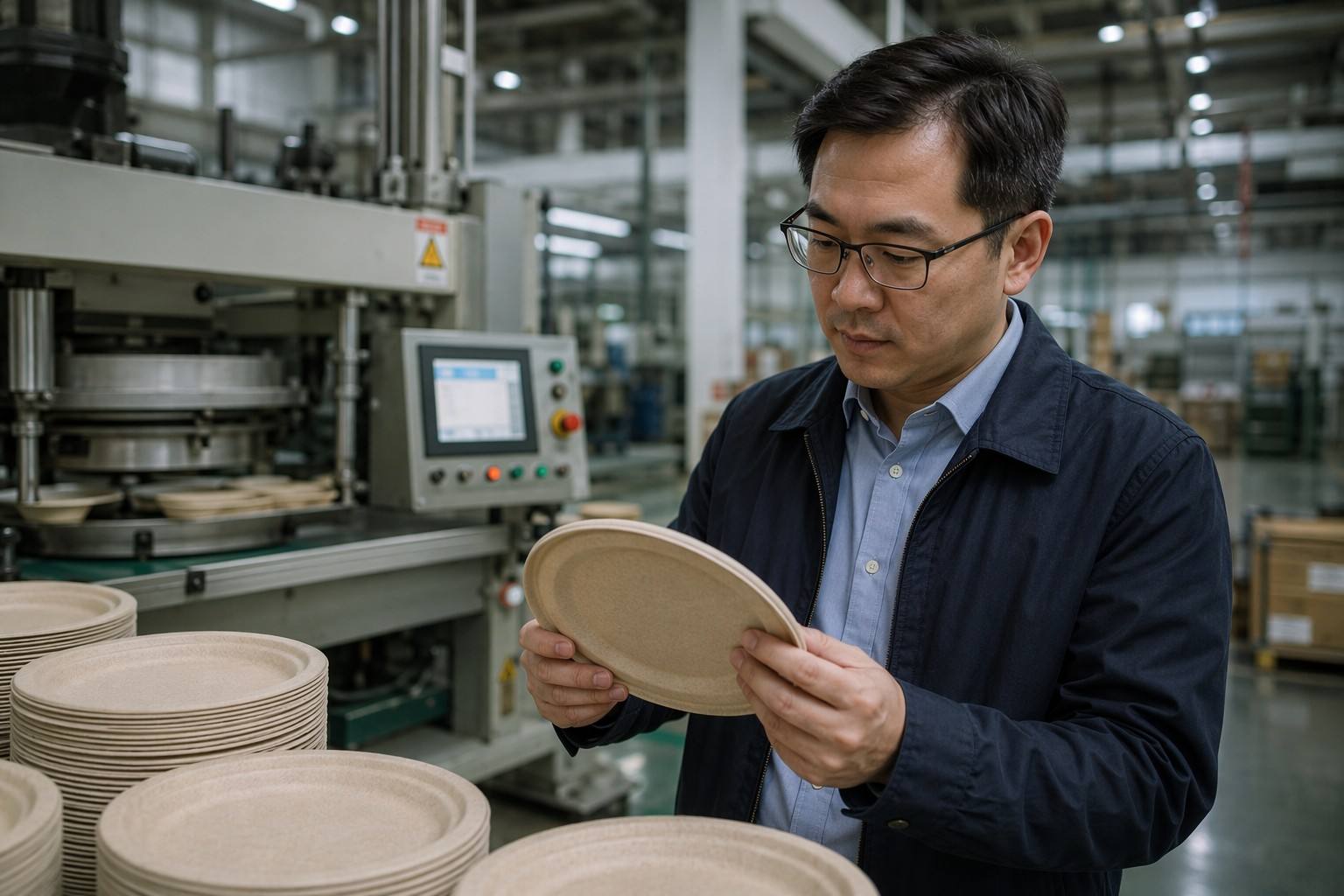
Restaurant Procurement Team Reviewing Bamboo Paper Plates

Restaurant & Catering Procurement Teams

Restaurant chains and catering companies often purchase bamboo paper plates through centralized procurement departments to maintain consistent product specifications across multiple locations. Supply stability, product consistency, and dependable delivery are often more important than achieving the lowest unit price.

Brand Owners 

Brand owners view packaging as an extension of the dining experience. Customized bamboo paper plates help strengthen sustainability messaging, improve brand recognition, and create a consistent customer experience through OEM manufacturing and private-label packaging.

Brand Owner Reviewing Custom Bamboo Paper Plates
Private Label Bamboo Paper Plate Manufacturing

Private Label Packaging Companies

Private-label packaging companies cooperate with manufacturers to develop customized bamboo paper plates under their own brands. Confidential production, stable quality, and flexible customization are essential for successful partnerships.

Foodservice Supply Companies

Foodservice suppliers purchase complete disposable tableware collections—including bamboo paper plates, bowls, trays, containers, and cutlery—to provide one-stop packaging solutions for restaurants, hotels, schools, hospitals, and catering companies.

Foodservice Supplier Managing Bamboo Tableware Inventory
Hospitality Procurement Team Evaluating Bamboo Paper Plates

Hospitality Procurement Companies 

Hospitality procurement companies source bamboo paper plates for hotels, resorts, conference centers, buffets, and catering operations. Their priorities include premium product quality, food-contact safety, and dependable long-term supply.

Retail & E-commerce Brands

Retail brands and e-commerce sellers continue expanding their sustainable tableware portfolios with bamboo paper plates. They typically require retail-ready packaging, private-label support, attractive product presentation, and reliable manufacturing for new product launches.

Retail Brand Developing Custom Bamboo Paper Plates

Is Bamboo Paper Plates Right for Your Application? 

The following guide helps buyers determine whether bamboo paper plates are suitable for different commercial foodservice applications.

Application

Recommended

Desserts

Cakes & Pastries

Salads

Sandwiches

Burgers

Fast Food

BBQ & Grilled Foods

Main Courses

Buffet Service

Catering Events

Restaurant Dining

Hotel Food Service

School Meals

Airline Catering

Outdoor Events & Parties

Long-Term Food Storage

Oven Cooking

Bamboo paper plates are specifically designed for short-term foodservice applications in restaurants, catering, hospitality, takeaway, and commercial dining environments. They provide excellent strength, grease resistance, and food presentation for both hot and cold meals.

For applications requiring long-term food storage, direct oven cooking, or repeated reuse, alternative food packaging or reusable tableware solutions should be considered.

Key Buyer Questions Before Purchasing Bamboo Paper Plates

Choosing the right bamboo paper plates requires more than selecting a plate size. Professional buyers should evaluate product specifications, manufacturing capability, compliance requirements, customization options, and supplier reliability before placing an order.

The following questions help buyers make more informed sourcing decisions.

What plate specifications should I confirm before ordering?

Before purchasing bamboo paper plates, buyers should confirm key specifications including:

  • Plate size and shape
  • Plate weight and thickness
  • Round, square, or compartment design
  • Food application requirements
  • Packaging configuration
  • Carton specifications

Selecting the correct specifications helps ensure the products match your market requirements and customer expectations.

How do I choose the right bamboo paper plate size for my market?

The appropriate size depends on your application and target customers.

Common selections include:

  • 5–7 inch plates for desserts, snacks, and side dishes
  • 8 inch plates for light meals and salads
  • 9–10 inch plates for restaurants and takeaway meals
  • 10–12 inch plates for premium meals and catering

DAILYECO can recommend suitable sizes based on your menu, market demand, and sales channels.

Can bamboo paper plates be customized for private-label brands?

Yes.

For brands and retailers requiring differentiation, DAILYECO supports customization options including:

  • Custom packaging design
  • Private-label solutions
  • Custom carton printing
  • Customized sizes and shapes
  • Product specification optimization

Customization helps businesses create a consistent product identity across different sales channels.

What compliance documents should I request from a supplier?

Depending on the destination market, buyers may require:

  • Food-contact documentation
  • Material declarations
  • Product testing reports
  • Sustainability-related documents
  • Factory audit support

Confirming documentation availability before production helps reduce compliance risks and approval delays.

What is the typical MOQ for bamboo paper plates?

MOQ depends on product specifications, packaging requirements, and customization needs.

For standard products, DAILYECO typically supports commercial orders starting from 50,000 pieces per size. Customized projects may require different quantities depending on the development requirements.

What is the production lead time for customized orders?

Production schedules depend on product specifications, order quantity, packaging requirements, and sample approval.

For new customized projects, the typical lead time is approximately 30–35 days after order confirmation and sample approval.

How can I evaluate a reliable bamboo paper plate manufacturer?

Professional buyers should evaluate:

  • Manufacturing experience
  • Production capacity
  • Quality control procedures
  • Export experience
  • Customization capability
  • Technical support
  • Communication efficiency

A reliable manufacturer should provide consistent quality and long-term supply support rather than focusing only on the lowest price.

Can suppliers support long-term supply programs?

Yes.

For distributors, restaurant chains, retailers, and private-label brands, long-term cooperation programs can help improve supply stability, product consistency, inventory planning, and new product development support.

When Bamboo Paper Plates May Not Be the Best Choice 

Although bamboo paper plates are widely used for restaurants, catering, and takeaway services, they may not be the ideal solution for every application. Understanding these limitations helps buyers select the most appropriate tableware for their business.

Applications Requiring Long-Term Food Storage 

Bamboo paper plates are designed for immediate food service rather than long-term food storage. For packaged foods requiring extended shelf life, sealed food containers are generally a more suitable option.

Repeated Reuse Applications

Bamboo paper plates are intended for single-use foodservice. For restaurants or institutions requiring repeated washing and long-term reuse, reusable tableware offers a more practical solution.

High-Temperature Oven Cooking

Although many bamboo paper plates can withstand hot foods and microwave reheating, they are not intended for direct use in conventional ovens or open-flame cooking.

Applications Requiring Transparent Presentation

When complete product visibility is essential, such as displaying fresh salads, desserts, or retail foods, transparent plastic packaging or display containers may be a more suitable choice.

Applications Requiring Waterproof Sealed Packaging

For foods requiring leak-proof sealing during long-distance transportation or retail distribution, food containers with matching lids provide better protection than open disposable plates.

Selecting the right product according to the intended application helps buyers balance food performance, customer experience, sustainability objectives, and overall procurement costs.

What Is the Manufacturing Process of Bamboo Paper Plates? 

Producing high-quality bamboo paper plates requires advanced molded fiber technology to ensure consistent dimensions, structural strength, food-contact safety, and reliable product performance. Every production stage is carefully controlled to meet international quality standards.

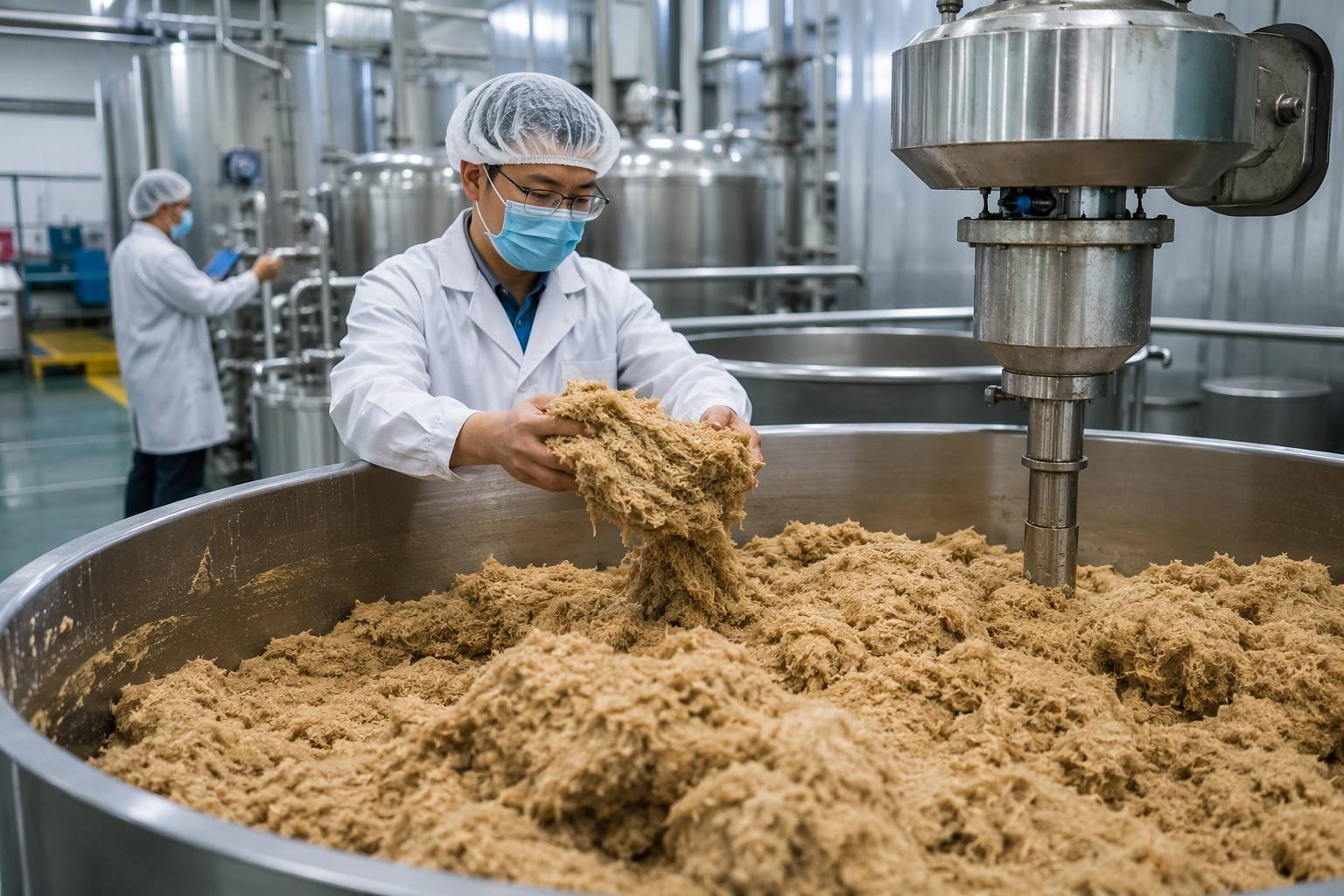
Bamboo Fiber Preparation for Bamboo Paper Plates

Step 1 – Bamboo Fiber Preparation

Natural bamboo fiber is carefully processed into uniform pulp suitable for molded fiber production. Raw materials are selected to meet food-contact and quality requirements.

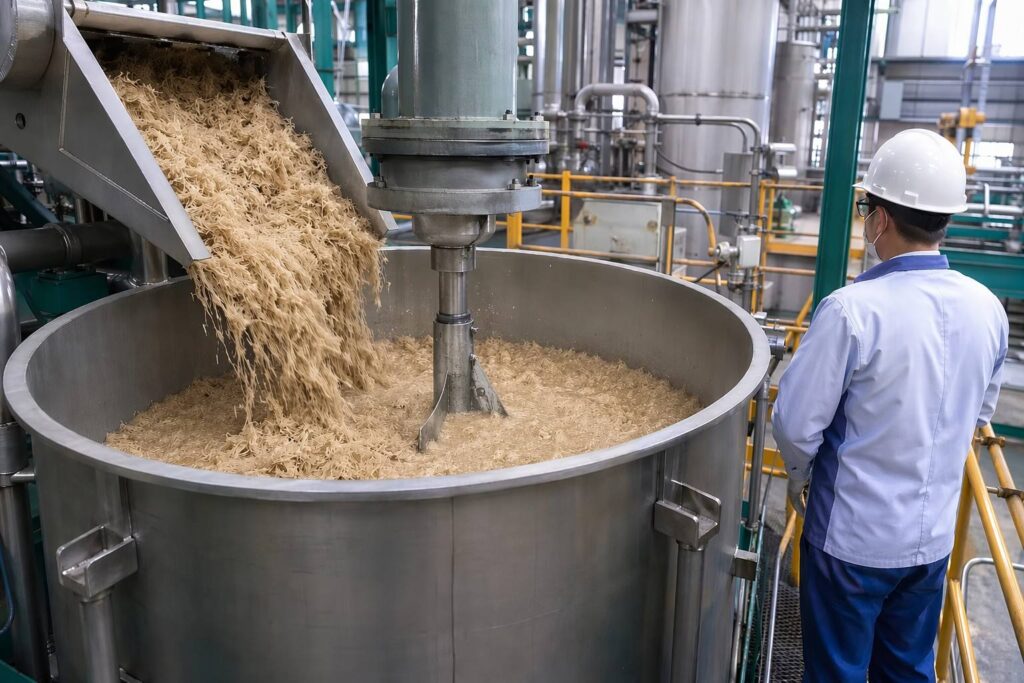
Step 2 – Pulping Process

Prepared bamboo fibers are converted into a uniform pulp mixture through specialized pulping equipment.

During this stage, fiber concentration, consistency, and processing parameters are carefully controlled to create suitable material characteristics for molded fiber production.

Bamboo Fiber Pulping Process for Bagasse Plates
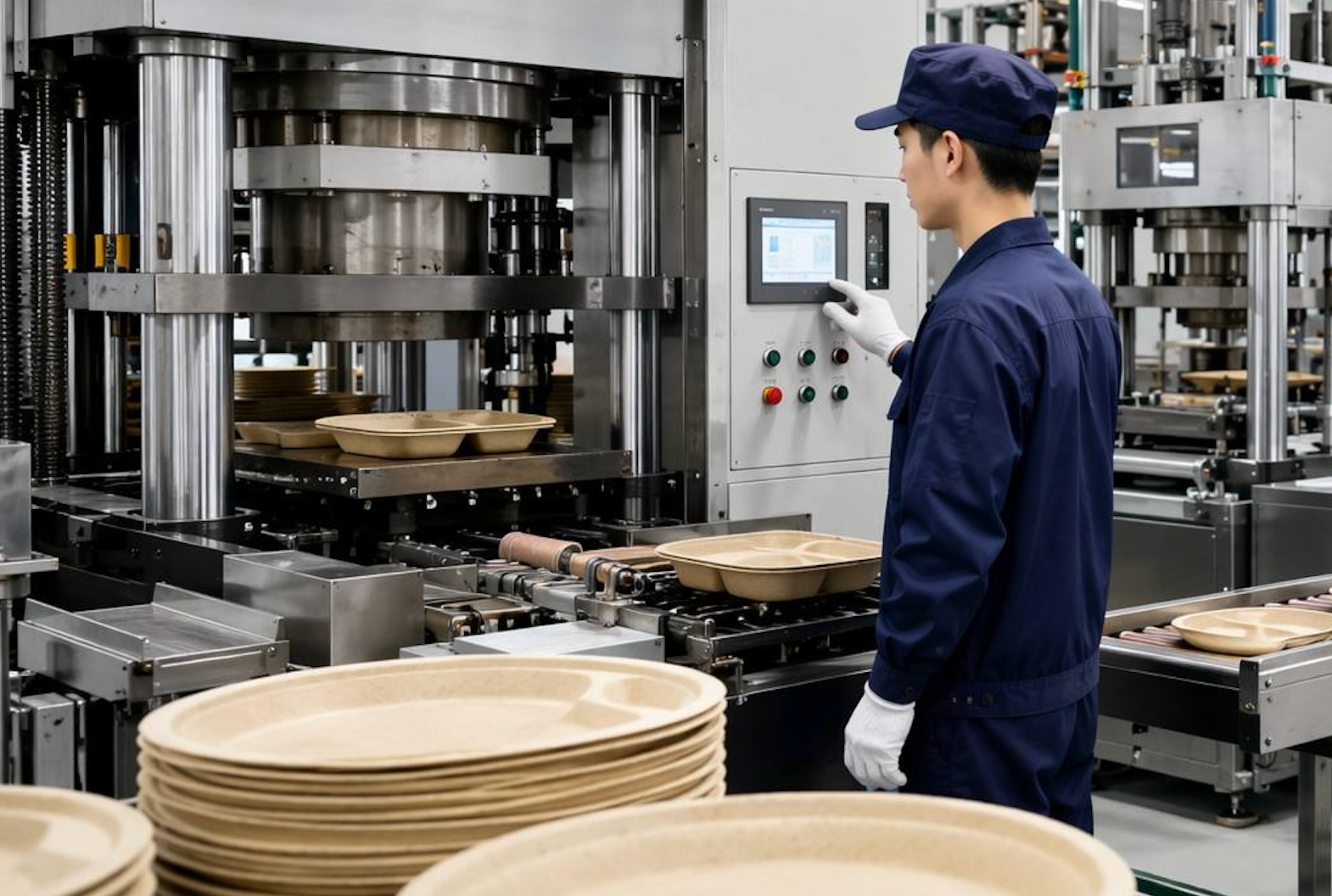
Hot Press Forming of Bamboo Paper Plates

Step 3 – Hot Press Forming

The molded plates are hot-pressed under controlled temperature and pressure to improve rigidity, surface finish, and grease resistance while achieving the final product shape.

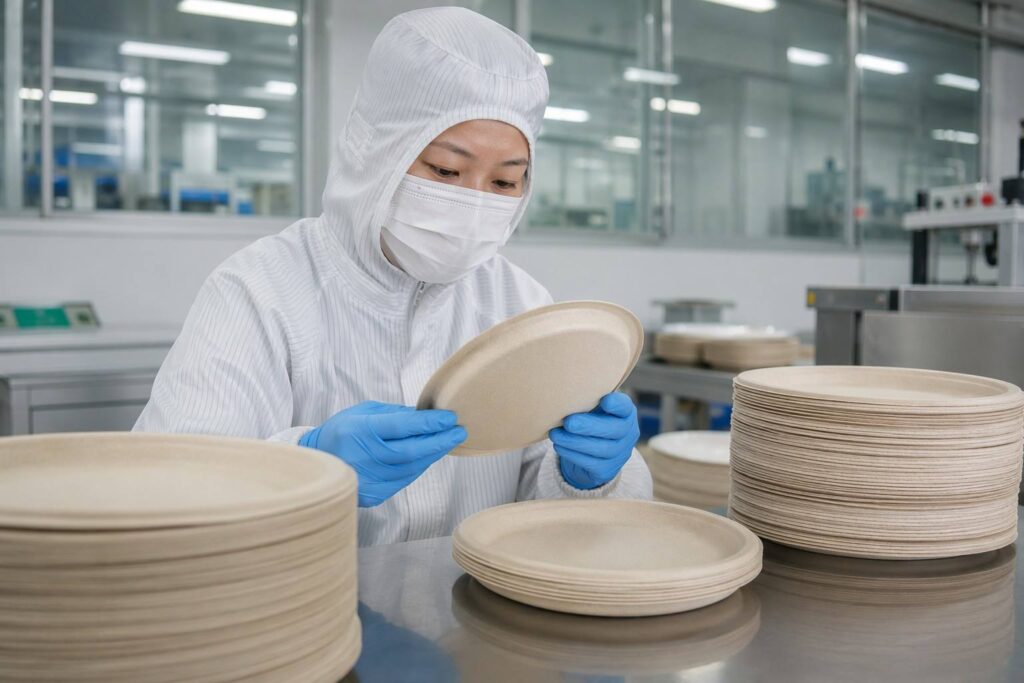
Step 4 – Inspection & Quality Control

Finished products undergo dimensional inspection, appearance checks, strength testing, and random quality inspections before packaging to ensure consistent performance across every production batch.

Quality Inspection of Bamboo Paper Plates
Packaging and Export of Bamboo Paper Plates

Step 5 – Packaging & Export 

Approved products are automatically counted, packed into export cartons, palletized when required, and prepared for international shipment. Packaging specifications can be customized to meet customer requirements.

How to Choose the Right Bamboo Paper Plate Manufacturer? 

Selecting the right manufacturing partner is just as important as selecting the right product. A reliable manufacturer not only delivers consistent product quality but also helps reduce procurement risks, ensure stable supply, and support long-term business growth.

When evaluating potential suppliers, buyers should consider the following factors.

Manufacturing Experience

Choose a manufacturer with proven experience in producing bamboo paper plates for international markets. Experienced suppliers are better equipped to manage product consistency, OEM projects, export documentation, and large-volume production.

Production Capacity

Evaluate whether the supplier has sufficient manufacturing capacity to support both your current purchasing volume and future business growth.

Consider factors such as:

  • Production lines
  • Monthly output
  • Lead time stability
  • Peak season capacity

Stable production capability helps reduce supply interruptions and delivery delays.

Product Quality Management

Reliable manufacturers should implement standardized quality control throughout the production process.

Typical inspections include:

  • Raw material inspection
  • Dimensions and weight verification
  • Appearance inspection
  • Strength testing
  • Food-contact inspection
  • Packaging inspection

A documented quality management system helps ensure consistent product performance across every shipment.

Customization Capability

Many foodservice brands require customized tableware that reflects their brand identity.

Evaluate whether the manufacturer can support:

  • Custom logo printing
  • Customized sizes and shapes
  • Embossing
  • Retail packaging
  • Private-label production
  • Custom carton printing

Strong customization capability helps differentiate your products in competitive markets.

Food Contact & Compliance Support

Different markets require different compliance documentation.

Before placing an order, confirm whether the supplier can provide:

  • Food-contact compliance documents
  • Product testing reports
  • Material declarations
  • PFAS-related documentation (if required)
  • Sustainability certifications

Preparing documentation in advance helps reduce project delays.

Export Experience

Manufacturers with extensive export experience are generally more familiar with international shipping requirements and customer expectations.

Important considerations include:

  • Export packaging
  • Container loading optimization
  • International logistics coordination
  • Documentation preparation
  • Customer communication

Technical Support

A professional supplier should provide technical recommendations rather than simply processing orders.

Examples include:

  • Plate size recommendations
  • Product selection guidance
  • Material recommendations
  • Packaging optimization
  • OEM project support

Professional technical support helps buyers improve purchasing efficiency and reduce unnecessary costs.

Customer Service

Effective communication is essential throughout every project.

Evaluate whether the supplier provides:

  • Dedicated account management
  • Fast quotation response
  • Sample support
  • Production updates
  • After-sales service

Reliable communication contributes to successful long-term cooperation.

Pre-Purchasing Checklist for Buyers

Before placing an order for bamboo paper plates, buyers are encouraged to review the following checklist to ensure the selected products meet both commercial and technical requirements.

□ Plate Size & Shape
□ Product Weight & Thickness
□ Material Specification
□ Surface Finish
□ Grease & Water Resistance
□ Food Contact Compliance
□ PFAS-Free Requirement (if applicable)
□ Custom Printing or Embossing
□ Packaging Specifications
□ Carton Marking
□ MOQ
□ Production Lead Time
□ Sample Approval
□ Destination Market Regulations
□ Sustainability Certification Requirements
□ Shipping Method
□ Annual Purchasing Forecast
□ Factory Audit Requirements
□ Payment Terms

Completing this checklist before production begins helps minimize procurement risks, improve communication between buyers and suppliers, and ensure a smoother sourcing process.
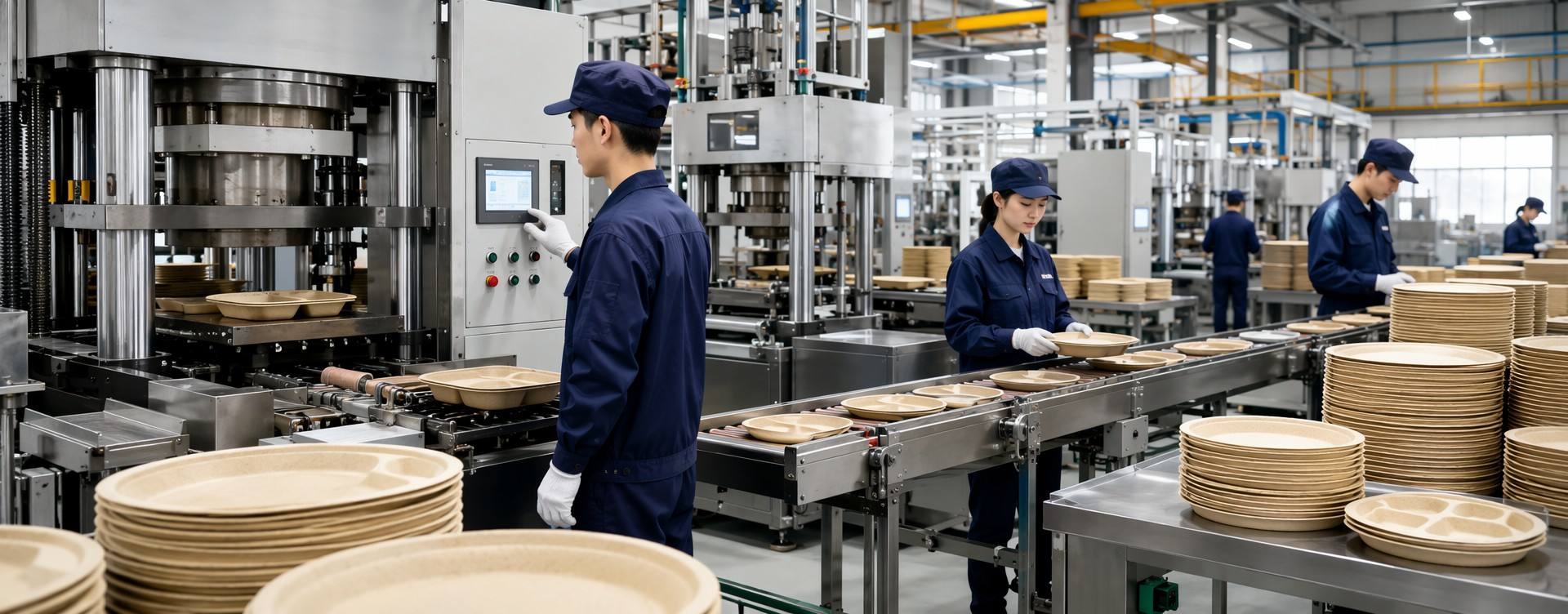
Choose DAILYECO to Be Your Professional Bamboo Paper Plate Manufacturer

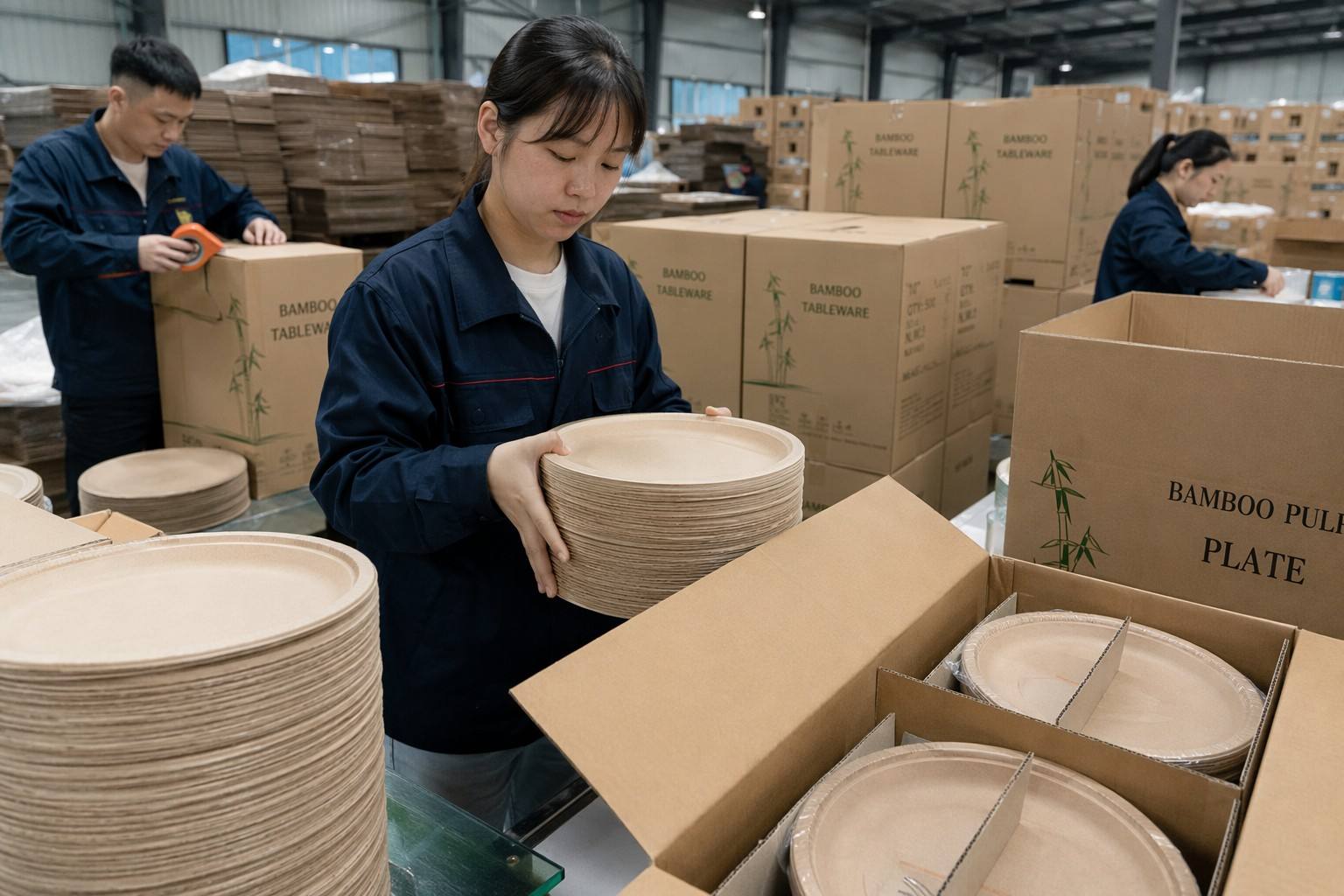
DAILYECO Bamboo Paper Plate Manufacturing Facility

DAILYECO provides integrated bamboo paper plates manufacturing and wholesale supply solutions for importers, distributors, restaurant chains, hospitality groups, retailers, and global packaging brands.

As a professional bamboo paper plates manufacturer and supplier, we focus on delivering consistent product quality, flexible OEM customization, and reliable international supply to support long-term business growth.

Factory Capability

DAILYECO Manufacturing Facility

Description

Employees

More than 1,000 employees

Production Lines

Advanced molding production lines and automated equipment, 650kg production capacity for one machine daily

Monthly Supply Capacity

45–50 × 40HQ containers

Available Sizes

Standard molds from 6–12 inch, including compartment plates

Manufacturing Capability

Molding, Hot Pressing, Trimming & Finishing

OEM

Logo, embossing, packaging, carton customization

ODM

Product structure, mold development, packaging optimization

Technical Support

Available

Production MOQ

50,000 pcs per size for standard specifications; customized MOQ available

Typical Lead Time

Approximately 30–35 days for new customized orders

Compliance & Documentation Support 

DAILYECO supports customers with documentation according to destination market requirements.

Support may include:

  • Food-contact compliance documentation
  • Factory audit support
  • Material declarations
  • Sustainability certifications
  • Product testing reports

View Our Compliance & Certification Support Page

Customization Services

DAILYECO provides comprehensive OEM and private-label solutions throughout the product lifecycle, including:

  • Custom Logo Printing
  • Custom Embossing
  • Customized Sizes & Shapes
  • Private Label Solutions
  • Retail Packaging
  • E-commerce Packaging
  • Amazon Ready Packaging
  • Custom Carton Printing

Export Experience

DAILYECO bamboo paper plates are exported to customers across North America, Europe, Australia, the Middle East, and many other international markets.

With extensive export experience, we help customers simplify sourcing, reduce supply chain risks, and maintain stable long-term supply.

Customer Service

DAILYECO’s experienced international sales team provides responsive communication throughout every stage of the project.

Support includes:

  • Product Consultation
  • Sample Arrangement
  • Artwork Confirmation
  • Production Updates
  • Shipping Coordination
  • After-sales Support n

Continuous Product Development

As sustainable food packaging continues to evolve, DAILYECO continuously develops new bamboo paper plate specifications, molded fiber technologies, and OEM customization solutions to help customers meet changing market demands.
REQUEST A QUOTE

Case Study

Case 1Standardizing Bamboo Paper Plates Supply for a Restaurant Chain with 70+ Locations 

Customer Background

A growing restaurant chain operating more than 70 locations wanted to improve its disposable tableware supply system by standardizing bamboo paper plates across all stores.

The customer was expanding rapidly but faced challenges caused by multiple suppliers, inconsistent product specifications, and complicated inventory management.

Challenge

Before working with DAILYECO, the customer managed 27 active bamboo paper plate SKUs from different suppliers.

This created several operational issues:

  • Different plate specifications between locations
  • Higher inventory management complexity
  • Longer replenishment cycles
  • Increased purchasing workload
  • Inconsistent customer dining experience

The customer needed a standardized bamboo paper plate solution that could support multi-location restaurant operations.

DAILYECO Solution

DAILYECO analyzed the customer’s menu requirements, serving applications, and purchasing data to optimize the product portfolio.

Our solution included:

  • Reducing the product range from 27 active SKUs to 4 core size specifications
  • Standardizing plate weight, thickness, and structural performance
  • Improving supply planning through centralized purchasing
  • Establishing consistent quality standards across all locations

By simplifying the product portfolio, DAILYECO helped the customer create a more efficient bamboo paper plate supply system.

Results

After implementation, the customer achieved measurable improvements:

  • 35% reduction in active SKUs, reducing product complexity across 70+ locations
  • Replenishment cycle shortened from 30 days to 24 days, improving inventory response speed by 20%
  • Centralized purchasing reduced bamboo paper plate unit cost by 14%
  • Dedicated storage space requirements decreased by 24%
  • Plate leakage and damage rate reduced from 13% to 3.7%
  • Customer complaints related to inconsistent plate presentation decreased from an average of 21 cases per month to zero

The standardized bamboo paper plate program improved operational efficiency, reduced procurement complexity, and provided consistent food presentation across the entire restaurant network.

Key Takeaways

For multi-location restaurant groups, standardizing bamboo paper plate specifications can significantly improve purchasing efficiency, reduce inventory pressure, and create consistent customer experiences across all stores.

Case 2Building a Sustainable Bamboo Tableware Product Portfolio for a Foodservice Distributor 

Customer Background

A foodservice distributor supplying restaurants, catering companies, and hospitality customers wanted to expand its sustainable disposable tableware category.

The customer aimed to create a more complete bamboo-based product portfolio, including bamboo paper plates, bowls, trays, and complementary tableware products, while reducing supply chain complexity.

Challenge

Before cooperation, the distributor sourced different sustainable products from multiple suppliers.

The fragmented supply model resulted in:

  • Complex supplier management
  • Higher inventory coordination requirements
  • Limited product combinations
  • Lower warehouse efficiency

The distributor needed a reliable manufacturing partner who could provide a coordinated sustainable tableware solution.

DAILYECO Solution

DAILYECO worked with the distributor to optimize its sustainable product portfolio by:

  • Standardizing bamboo paper plate specifications
  • Coordinating complementary sustainable tableware products
  • Supporting product selection based on different customer applications
  • Improving inventory planning and supply stability

The integrated sourcing model allowed the distributor to provide a broader sustainable packaging range with fewer supplier connections.

Results

The distributor achieved:

  • 30% reduction in inventory complexityafter product portfolio integration
  • Sustainable tableware product range expanded by 40%
  • Supplier coordination requirements for downstream customers reduced by approximately 60%
  • Warehouse picking errors reduced from 2% to 2.8%
  • Seasonal order delivery delays decreased by 38%
  • Sustainable tableware category monthly shipment volume increased by 47%
  • Inventory turnover improved from 42 days to 29 days, reducing inventory capital occupation by 28%

The project helped the distributor strengthen its sustainable packaging offering while improving warehouse efficiency and customer service capability.

Key Takeaways

For packaging distributors, integrating bamboo paper plates and related sustainable tableware into a standardized product portfolio can improve supply chain efficiency and create stronger market competitiveness.

Case 3Developing Private Label Bamboo Paper Plates for a European Brand

Customer Background

A European private-label brand planned to launch a customized bamboo paper plates product line for retail and foodservice channels.

The project required OEM support including product development, packaging customization, artwork approval, and compliance preparation.

Challenge

The customer faced several challenges:

  • Strict seasonal launch schedule
  • Multiple artwork revisions
  • Packaging coordination requirements
  • Compliance documentation preparation

Traditional OEM development projects often require 20–30 working days for complete sample approval, increasing the risk of delayed product launches.

DAILYECO Solution

DAILYECO provided a complete OEM development process, including:

  • Product specification confirmation
  • Bamboo fiber material evaluation
  • Artwork review and optimization
  • Packaging structure confirmation
  • Compliance document preparation

Our technical team reviewed product details at the early development stage to reduce unnecessary revisions before mass production.

Results

The project achieved:

  • Complete sample approval within 10 working days, reducing the typical development cycle by approximately 50%
  • Artwork revision rounds reduced from an industry average of 8 rounds to 2 rounds
  • Development cost savings of more than US$1,000by reducing unnecessary artwork and sampling revisions
  • 100% on-time deliveryfor the seasonal promotional launch
  • Mass production preparation time reduced by 36%
  • Product specifications successfully aligned with European market requirements, including LFGB and EN13432 compostability certification requirements

The customer successfully launched the private-label bamboo paper plate product line while reducing development risks and improving market launch efficiency.

Key Takeaways

For private-label brands, successful bamboo paper plate development depends on early technical communication, accurate specification confirmation, and reliable OEM manufacturing support.

FAQ

What are bamboo paper plates made from?

Bamboo paper plates are made from bamboo-based plant fiber materials processed through molded fiber manufacturing technology. The material provides a renewable alternative for disposable foodservice tableware.DAILYECO also supplies related sustainable tableware categories including bagasse plates, sugarcane bowls, and compostable food packaging solutions.

Are bamboo paper plates biodegradable?

Bamboo paper plates made from suitable plant-fiber materials can support biodegradable or compostable programs depending on the product specification and applicable certifications.

Buyers should confirm certification requirements based on their destination market.

What is the difference between bamboo paper plates and bagasse plates?

Both products are made from renewable plant fibers.

Bamboo paper plates typically emphasize bamboo-based material sourcing and a smooth natural appearance, while bagasse plates are produced from sugarcane fiber and are widely used in sustainable foodservice applications.

Are bamboo paper plates safe for food contact?

Yes.

Food-grade bamboo fiber materials can be used for direct food contact applications when manufactured according to applicable food safety requirements.

DAILYECO can provide relevant compliance documentation according to customer and market requirements.

Can bamboo paper plates be used for oily foods?

Yes.

High-quality bamboo paper plates are suitable for many oily and moist foods, including barbecue, fried foods, burgers, and meals with sauces, under normal foodservice conditions.

Are bamboo paper plates suitable for restaurants and catering?

Yes.

They are widely used in:

  • Restaurants
  • Catering services
  • Hotels
  • Events
  • Takeaway businesses
  • Foodservice operations

Their strength and natural appearance make them suitable for both everyday meals and premium food presentation.

Can bamboo paper plates be used for parties and outdoor events?

Yes.

Their lightweight design, convenient disposal, and natural appearance make them suitable for parties, picnics, weddings, corporate events, and outdoor dining.

Are bamboo paper plates microwave compatible?

Selected specifications can be suitable for microwave reheating under normal foodservice conditions.

Buyers should confirm microwave requirements with the manufacturer before commercial use.

What sizes are available for bamboo paper plates?

Common sizes include:

  • 6 inch
  • 7 inch
  • 8 inch
  • 9 inch
  • 10 inch
  • 25 inch
  • 12 inch
  • Compartment plates

Different markets may require different size combinations based on foodservice habits.

Are bamboo paper plates available with custom packaging?

Yes.

Custom packaging options may include:

  • Private-label packaging
  • Retail boxes
  • Printed bags
  • Custom cartons
  • Barcode and product labeling

Where are bamboo paper plates commonly used worldwide?

Bamboo paper plates are commonly used across:

  • North America
  • Europe
  • Australia
  • Middle East
  • Asia
  • South America

They are widely adopted by foodservice operators, distributors, retailers, and sustainability-focused brands.
Does DAILYECO manufacture other sustainable packaging products?

Yes.
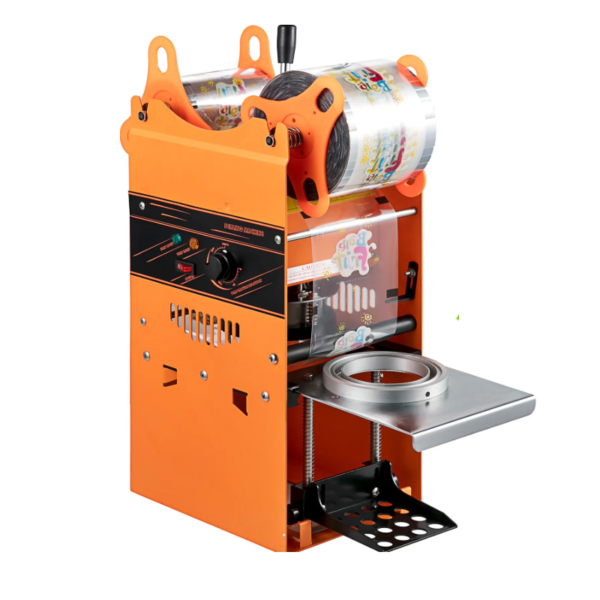
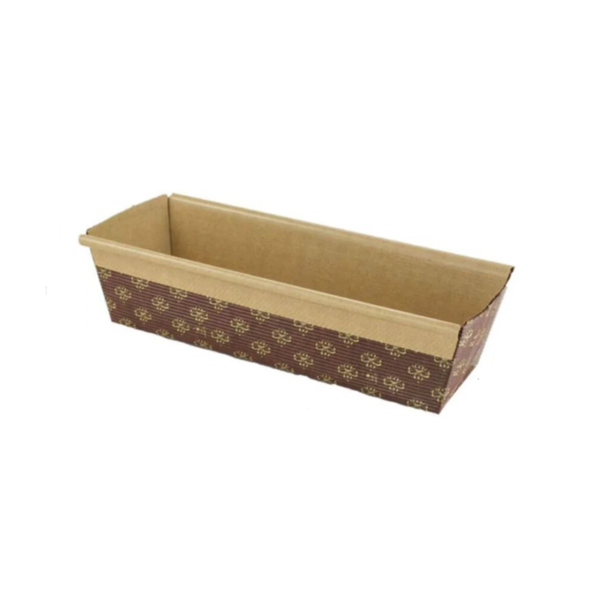
DAILYECO supplies a complete range of sustainable food packaging solutions, including:

  • Bagasse plates
  • Sugarcane tableware
  • Bamboo bowls
  • Paper food containers
  • Disposable cups
  • Cutlery
  • Custom food packaging solutions

Can samples be provided before bulk production?

Yes.

Samples can be arranged for buyers to evaluate product quality, specifications, packaging requirements, and suitability before placing bulk orders.

How can I request a quotation for bamboo paper plates?

To receive an accurate quotation, buyers should provide:

  • Product size
  • Required quantity
  • Target market
  • Packaging requirements
  • Customization requirements
  • Delivery destination

DAILYECO will recommend the most suitable solution based on your project requirements.

DAILYECO Industry Expert Tips: 10 Professional Insights for Sourcing Bamboo Paper Plates

Sourcing bamboo paper plates involves more than comparing prices. Successful purchasing decisions require balancing product performance, food safety, sustainability, manufacturing capability, and long-term supply reliability.

Based on our experience supporting global distributors, importers, restaurant chains, and private-label brands, the following insights highlight common sourcing mistakes and practical solutions.

1. Common Mistake: Comparing Prices Without Comparing Specifications

Why It Matters

Products with the same plate size may differ significantly in thickness, weight, rigidity, and raw materials.

DAILYECO Expert Advice

Always compare detailed product specifications before evaluating quotations.

2. Common Mistake: Choosing Plates Based Only on Size

Why It Matters

Plate size alone does not determine performance. Thickness and structural strength are equally important for heavy meals.

DAILYECO Expert Advice

Select products according to menu type rather than diameter alone.

3. Common Mistake: Ignoring Destination Market Requirements 

Why It Matters

Different countries may have different food-contact, PFAS, or sustainability requirements.

DAILYECO Expert Advice

Confirm destination market regulations before production begins.

4. Common Mistake: Ordering Too Many Specifications

Why It Matters

Too many sizes increase inventory costs and purchasing complexity.

DAILYECO Expert Advice

Standardizing several core plate sizes often improves operational efficiency.

5. Common Mistake: Overlooking Food Applications

Why It Matters

Dessert plates and dinner plates require different strength levels.

DAILYECO Expert Advice

Match plate specifications with actual menu requirements.

6. Common Mistake: Evaluating Only Unit Price

Why It Matters

Transportation efficiency, packaging design, and quality consistency all influence total procurement cost.

DAILYECO Expert Advice

Evaluate suppliers using total procurement value rather than price alone.

7. Common Mistake: Waiting Until Peak Season to Order

Why It Matters

Seasonal demand may affect production schedules and delivery times.

DAILYECO Expert Advice

Provide purchasing forecasts whenever possible to secure manufacturing capacity.

8. Common Mistake: Ignoring OEM Development Capability

Why It Matters

Strong OEM support helps brands launch new products more efficiently.

DAILYECO Expert Advice

Choose manufacturers with proven experience in customization and private-label production.

9. Common Mistake: Choosing a Supplier Instead of a Manufacturing Partner

Why It Matters

Long-term cooperation provides better technical support, consistent quality, and more reliable supply.

DAILYECO Expert Advice

Evaluate manufacturers based on production capability, export experience, and customer service—not quotation alone.

10. Common Mistake: Skipping Sample Evaluation

Why It Matters

Testing samples before production helps verify product strength, appearance, and suitability for actual food applications.

DAILYECO Expert Advice

Always approve production samples before confirming mass production.

Final Recommendation

The most successful sourcing projects are built on informed purchasing decisions rather than the lowest quotation. By carefully evaluating product specifications, food applications, compliance requirements, manufacturing capability, and long-term cooperation potential, buyers can reduce procurement risks while improving operational efficiency and customer satisfaction.

At DAILYECO, we are committed to providing not only reliable bamboo paper plates, but also professional technical guidance, responsive service, and dependable manufacturing support for customers worldwide.

This Page Reviewed By 

Lillian Guo

Food Packaging Compliance Manager

10+ Years of Experience

Specialized in:

  • Food Contact Compliance
  • Sustainable Packaging
  • Bamboo paper plates Manufacturing
  • FDA
  • EU Food Contact Regulations
  • Packaging Compliance Documentation

Explore Our Related Sustainable Packaging 

Discover more sustainable food packaging solutions from DAILYECO.

Contact Our Team

Looking for a reliable Bamboo Paper Plates Manufacturer?

Our packaging specialists are ready to support your project with:

✓ Product Catalog

✓ Free Product Consultation

✓ OEM & ODM Development

✓ Custom Printing Solutions

✓ Sample Requests

✓ Compliance Guidance

✓ Packaging Optimization

✓ Global Export Support

Whether you are sourcing bamboo paper plates for a restaurant chain, distributor, importer, hospitality group, catering company, retailer, or private-label brand, our experienced team will help you select the most suitable bamboo paper plate solution based on your menu, target market, branding requirements, and sustainability goals.

Submit Your Inquiry Now