Specification Field | Approved Range Information |
Product Name | Bowl Paper / Paper Bowls |
Material | Catalogue base: food-grade kraft paperboard with PE barrier lining |
Product Types | Round meal, dedicated soup and square bowls with allocated lid systems |
Catalogue Capacity Range | 240 ml through 1500 ml |
Applications | Soup, salad, rice, noodles, pasta, snacks, desserts, takeaway and delivery meals |
Food Types | Hot, warm, chilled or dry foods after SKU and use-condition approval |
Catalogue Paperboard | Wall: 280–320 gsm; bottom: 210–250 gsm; catalogue route includes 18 gsm PE |
Available Shapes | Round and square |
Customization | Logo or full artwork, QR code, private-label inner packs and cartons after project approval |
Printing | CMYK/Pantone targets under an agreed print process, proof and production standard |
Compatible Lids | Paper, PP, OPS and anti-fog PET options linked to the applicable bowl family |
Supply Type | Manufacturer with coordinated supply-chain support |
Export Support | Destination-based product-document and logistics coordination |
In this collection, Bowl Paper refers to converted paperboard bowls supplied as an engineered food-packaging system. The catalogue brings together round meal bowls, dedicated soup profiles, square formats and assigned lids for portioned foodservice, takeaway and delivery.
A purchasing decision should begin with a specification map, not a capacity label. Top and bottom dimensions, wall height, paperboard weight, barrier, seam design, practical fill level and rim profile determine the bowl; lid reference, pack count, artwork status, MOQ and production window complete the commercial record.
DAILYECO can coordinate paper bowls with lids for importers, distributors and multi-location operators that want one traceable range. Before production, the parties should release the drawing, material, intended use, closure, artwork, inspection basis and shipping configuration under the same SKU record.
Bowl Paper is a commercial search expression rather than a recognized paper grade. On this page it describes single-use round or square bowls converted from food-contact paperboard and prepared for soups, salads, grain meals, noodles, desserts and other takeaway foods.
The product is built from components with different jobs. A coated side wall provides form and print area; a bottom disc carries the food load; the side and bottom seams retain the contents; and the rolled upper edge creates the closure interface. The catalogue construction uses kraft paperboard with PE lining.
Geometry separates the catalogue families. Deep soup formats prioritize liquid-rich portions, round meal bowls support fast filling and nesting, and square bowls create a wider presentation footprint. Capacities span 240–1500 ml, but each format must be selected from its drawing and lid allocation.
Terms such as cardboard bowls, paper containers and Bowl Paper may lead to the same category, yet none is precise enough for an order. A purchase specification should name the SKU, dimensions, paperboard and lining, rim family, assigned lid, pack configuration and approved sample.
Closure performance is a tolerance relationship rather than a diameter-only match. Approve the bowl and lid together after filling, closing, stacking and movement; a nominally similar lid may differ in profile, material behavior or engagement depth.
Design Element | Control Objective | Why Purchasing Should Record It |
Paperboard construction | Hold wall geometry through nesting and service | Fiber and grammage influence forming stability, hand feel and compression under stack load. |
Barrier lining | Limit grease and moisture transfer for the approved window | The PE route is listed in the catalogue; another barrier creates a separately qualified SKU. |
Rolled rim | Reproduce the interface used by the assigned lid | Closure depends on a consistent curl profile, not only the nominal opening diameter. |
Bottom and side sealing | Retain the recipe at side and bottom joints | Approval should use the real food, temperature and duration because empty inspection is insufficient. |
Multiple capacities | Build a portion ladder without uncontrolled SKU growth | The 240–1500 ml platform can assign specific roles to sides, soups, meals and larger portions. |
Round and square formats | Match geometry to filling and display workflow | Round and square formats differ in nesting, presentation footprint and lid architecture. |
Custom printing | Place brand or product information within forming limits | Logos, graphics and codes require a size-specific dieline and production approval. |
Color and proof control | Create a repeatable visual release standard | A named proof, substrate and color target let future runs reference more than a screen image. |
Matched lid systems | Protect food and presentation through closure | Paper, PP, OPS and PET lids must be controlled by family, material and SKU. |
Nested storage | Use space efficiently before filling | Nested bowl behavior affects counter storage, warehouse density and transport handling. |
Specification traceability | Make the first approval reproducible | Drawing, sample, lid, artwork and pack data should travel together on every reorder. |

Demand is expanding because menus now move through several service channels. The same operator may need a small soup portion, a standard meal, a large delivery format and a prepared-food display pack, all with predictable replenishment and clear product identification.
A structured paper bowl with lid range replaces ad-hoc container selection with capacity rules and closure rules. Fewer rim families can reduce lid stock, while defined bowl roles make training, forecasting and branch-level ordering easier to control.
Kraft paperboard also gives buyers a practical choice between an unprinted natural surface and a controlled printed presentation. The usable wall can carry brand, menu or handling information, but graphics must remain secondary to forming zones, legibility and food-packaging performance.
Environmental language is shifting from appearance-based marketing to construction-based evidence. A brown fiber surface alone does not establish recycling, biodegradation or composting; the complete bowl, contamination level and destination pathway must support any statement used on the pack.
The strongest commercial change is a move from buying containers by nominal volume to managing bowl platforms by drawing, rim family and use condition. Buyers increasingly evaluate repeat-order control, closure continuity and carton efficiency alongside piece price.

Across quick service, catering, prepared-food retail and distribution, the recurring requirement is interchangeability without ambiguity: the next shipment must reproduce the released dimensions, lid engagement, pack count and visual standard of the approved SKU.
One product may be listed in ounces, milliliters or cubic centimeters, but those names do not describe height, taper or practical fill. International programs therefore need a cross-reference linking every local sales name to one drawing and one closure code.
A printed kraft paper bowl can act as a repeat customer touchpoint, but successful differentiation comes from disciplined placement. Front panel, seam zone, barcode position, mandatory copy and the portion of artwork hidden by the lid should be evaluated on a formed bowl.
Because taper compresses and curves a flat design, proof approval should include the real dieline and substrate. Critical text needs production-scale review, and color acceptance should be tied to a physical reference when brand tolerances are narrow.
Commercial Region | Questions Commonly Added to the Specification |
North America | How portions are named, how delivery is tested, and which food-contact or retail-pack records are required |
Europe | How barrier material is disclosed, how plastic reduction is interpreted, and what local route supports a claim |
Australia & New Zealand | How hot takeaway performance is proven and what evidence supports any recovery or composting wording |
Middle East | How presentation, warm-climate storage, supply continuity and hospitality branding are managed |
Asia | How the range balances fast-moving capacities, cost, stable conversion and repeat replenishment |
A useful RFQ describes the operating sequence: recipe, fill temperature, expected hold, lid use, stacking, route, annual demand and destination. The supplier can then return a construction and test plan instead of quoting an undefined bowl name.
Total cost should be modeled by usable system. Lid proliferation, low carton density, picking mistakes, emergency substitutions and obsolete printed stock can outweigh a small saving in bowl unit price.
Material choice allocates risk among barrier performance, forming, documentation, disposal communication and cost. Start with the failure that the application cannot tolerate, then shortlist a construction that can be tested and supplied consistently.
Use PE-Coated Kraft Paper Bowls as the Baseline When:
Investigate a PLA-Coated Route When:
Develop a Water-Based Barrier Project When:
Move to Bagasse When:
Retain Plastic Packaging When:
Program Condition | Route to Evaluate First | Release Gate |
General takeaway and delivery | Catalogue PE-lined kraft paper bowl | Approve recipe temperature, service window, seals, assigned lid and system cost |
Industrial composting program | PLA-coated or certified compostable system | Confirm finished-product evidence plus real collection and industrial processing access |
Fiber-recovery program | Verified water-based barrier or accepted paper structure | Obtain intended-mill acceptance and document coating and food-residue conditions |
Premium prepared-food retail | Printed paperboard bowl with clear or paper lid | Balance shelf view, anti-fog need, graphics, closure and shelf time |
Institutional foodservice | Standardized round or soup bowl range | Set portion rules, reduce operational SKUs and secure a repeat supply plan |
Eco-focused brand | Evidence-led material selection | Choose from evidence and remove unsupported eco-friendly wording |
The final decision should be recorded as a construction-and-use approval, not as an environmental adjective. Function, supporting documents, local infrastructure and full program cost belong in the same comparison.
The DAILYECO catalogue can be read as a capacity-and-closure matrix for Bowl Paper procurement. It covers dedicated soup bowls, round meal bowls and square presentation formats, allowing buyers to build from small portions to 1500 ml while keeping every lid relationship visible.
Pictures | Name | Size | Material and Weight | Pcs/Bag | Bags/CTN | Pcs/CTN | Carton L (cm) | Carton W (cm) | Carton H (cm) |
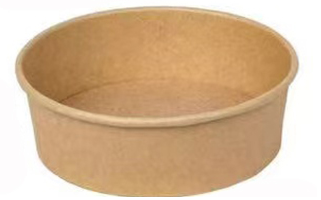 | 17oz/500ml Bowl with PE Lined | 150*47*128 | Wall 280gsm Kraft Paper/Bottom 210gsm Kraft Paper+18gsm PE | 50 | 6 | 300 | 45 | 30 | 38 |
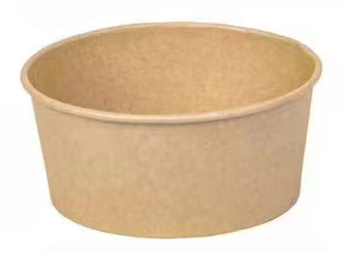 | 25oz/750ml Bowl with PE Lined | 150*60*128 | Wall 280gsm Kraft Paper/Bottom 210gsm Kraft Paper+18gsm PE | 50 | 6 | 300 | 45 | 30 | 39 |
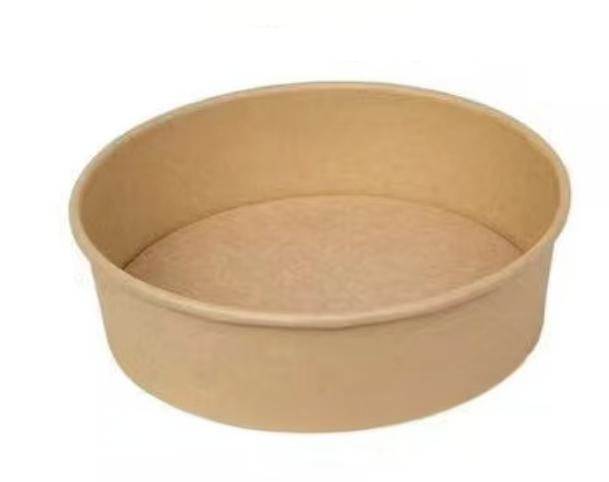 | 30oz/900ml Bowl with PE Lined | 180*50*160 | Wall 280gsm Kraft Paper/Bottom 210gsm Kraft Paper+18gsm PE | 50 | 6 | 300 | 55 | 37.2 | 38.5 |
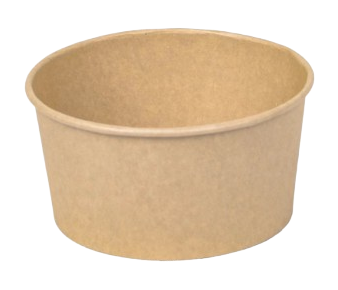 | 34oz/1000ml Bowl with PE Lined | 150*75*128 | Wall 280gsm Kraft Paper/Bottom 210gsm Kraft Paper+18gsm PE | 50 | 6 | 300 | 50.5 | 34 | 41.5 |
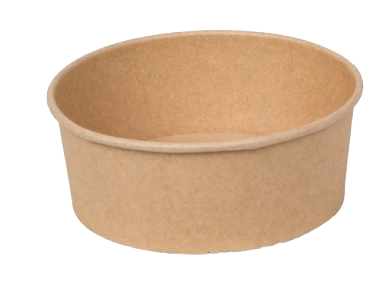 | 37oz/1100ml Bowl with PE Lined | 165*65*144 | Wall 280gsm Kraft Paper/Bottom 210gsm Kraft Paper+18gsm PE | 50 | 6 | 300 | 52 | 35.5 | 44 |
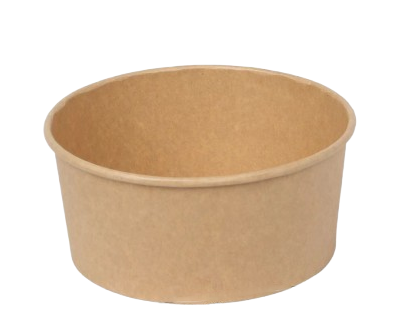 | 44oz/1300ml Bowl with PE Lined | 165*75*144 | Wall 280gsm Kraft Paper/Bottom 210gsm Kraft Paper+18gsm PE | 50 | 6 | 300 | 50.5 | 34 | 41 |
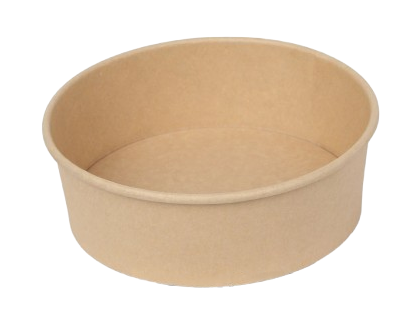 | 50oz/1450ml Bowl With PE Lined | 180*60*160 | Wall 300gsm Kraft Paper/Bottom 210gsm Kraft Paper+18gsm PE | 50 | 6 | 300 | 42 | 27.5 | 44 |
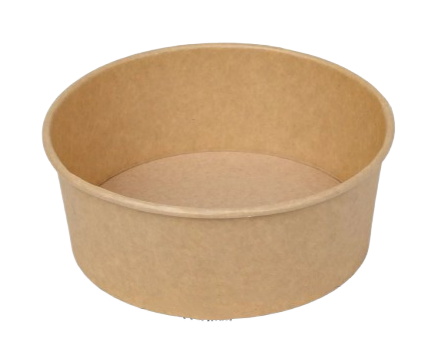 | 50oz/1500ml Bowl with PE Lined | 185*70*160 | Wall 300gsm Kraft Paper/Bottom 210gsm Kraft Paper+18gsm PE | 50 | 6 | 300 | 51 | 26 | 35 |
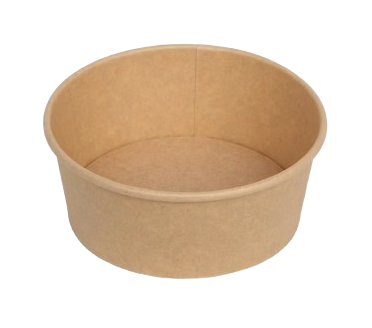 | 18oz/530ml Bowl with PE Lined | 135*55*114 | Wall 300gsm Kraft Paper/Bottom 210gsm Kraft Paper+18gsm PE | 50 | 6 | 300 | 41.7 | 28.2 | 40.7 |
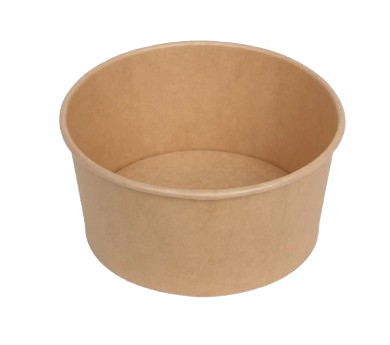 | 21oz/630ml Bowl with PE Lined | 135*65*114 | Wall 280gsm Kraft Paper/Bottom 210gsm Kraft Paper+18gsm PE | 50 | 6 | 300 | 40.3 | 27.2 | 42 |
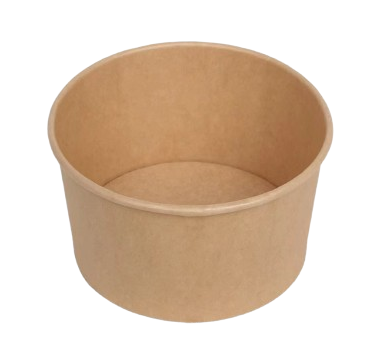 | 25oz/730ml Bowl with PE Lined | 135*75*114 | Wall 280gsm Kraft Paper/Bottom 210gsm Kraft Paper+18gsm PE | 50 | 6 | 300 | 41 | 27.5 | 41 |
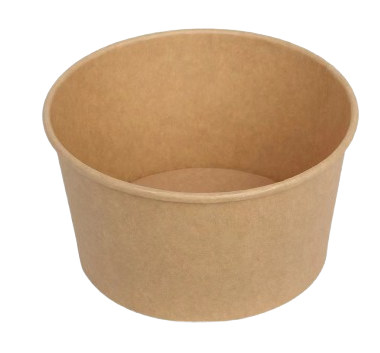 | 50oz/1480ml Bowl with PE Lined | 165*88*131 | Wall 300gsm Kraft Paper/Bottom 210gsm Kraft Paper+18gsm PE | 50 | 6 | 300 | 49.5 | 33.5 | 49.3 |
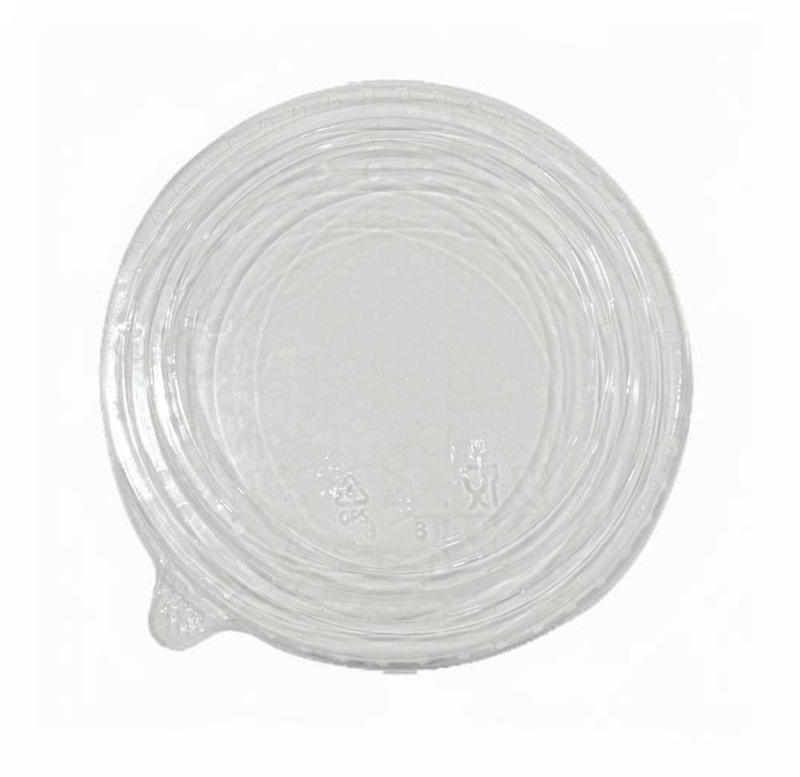 | D135 PP Lid | Lid for 530/630/730 Bowl | 4.8g | 50 | 6 | 300 | 42 | 33 | 28.5 |
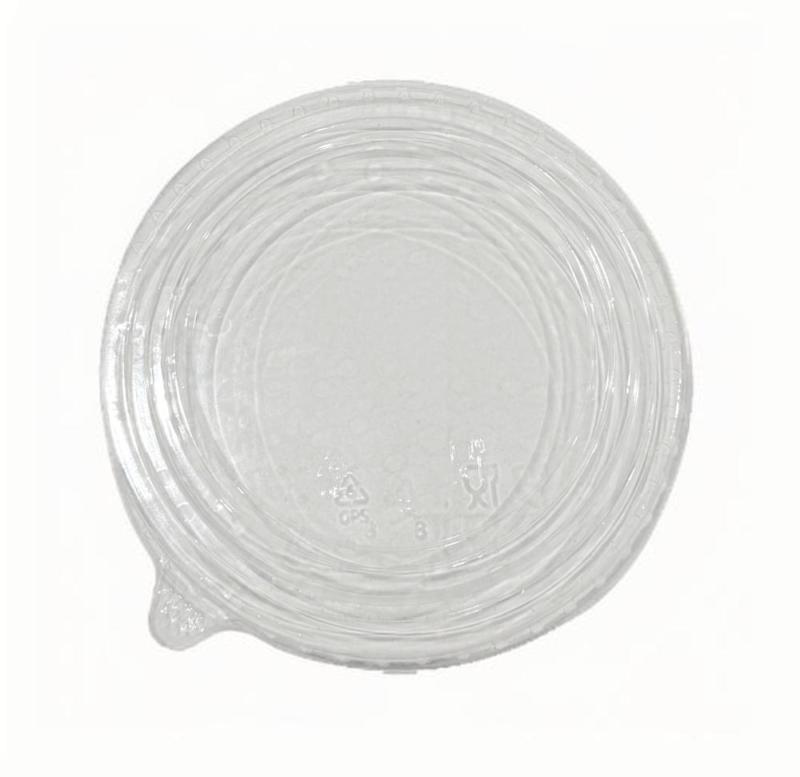 | D150 OPS Lid | Lid for 500/750/1000 Bowl | 3.6g | 50 | 6 | 300 | 38 | 16 | 32 |
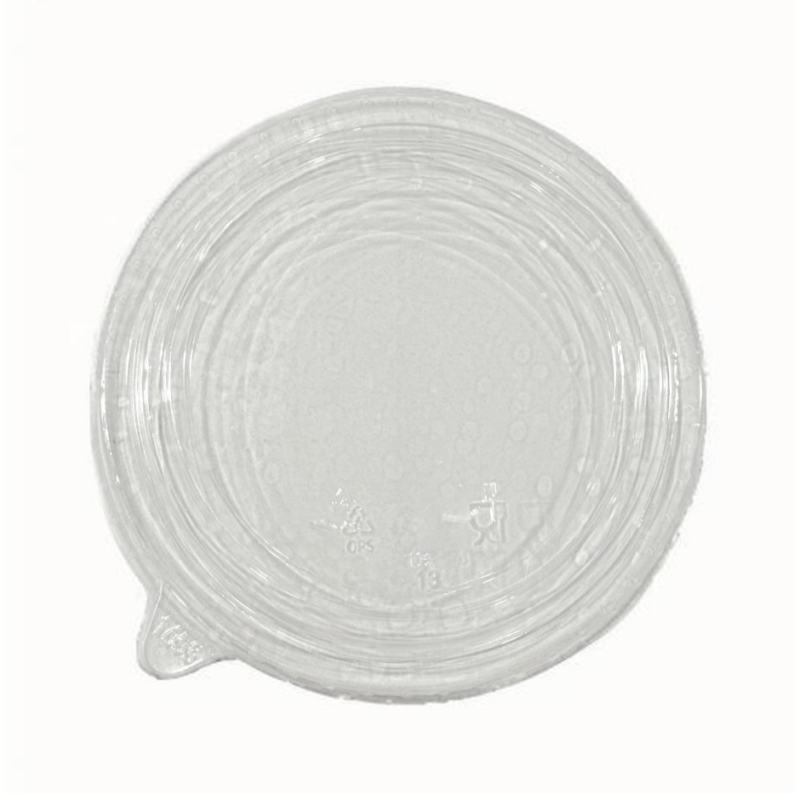 | D165 OPS Lid | Lid for 1100/1300/1480 Bowl | 4.5g | 50 | 6 | 300 | 47 | 33.5 | 18 |
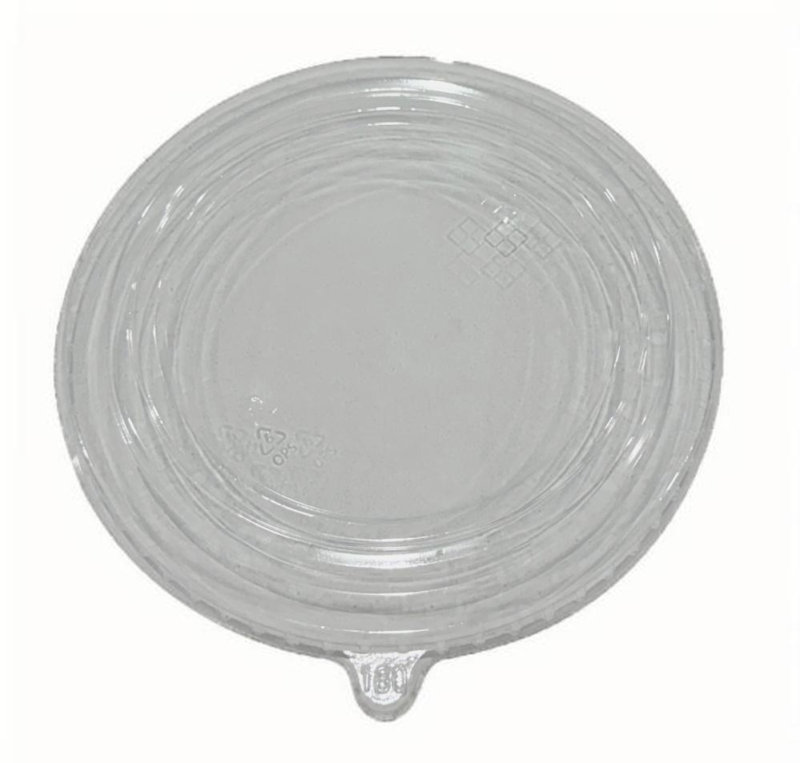 | D180 OPS Lid | Lid for 900/1450 Bowl | 5.5g | 50 | 6 | 300 | 40 | 19 | 37 |
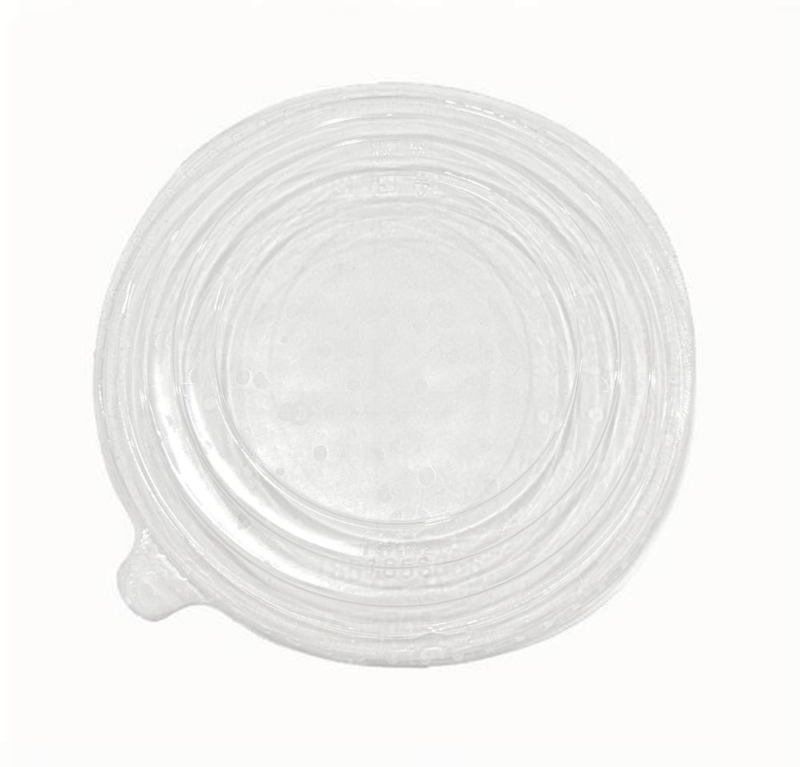 | D185 OPS Lid | Lid for 1500 Bowl | 5.4g | 50 | 6 | 300 | 41 | 19 | 39 |
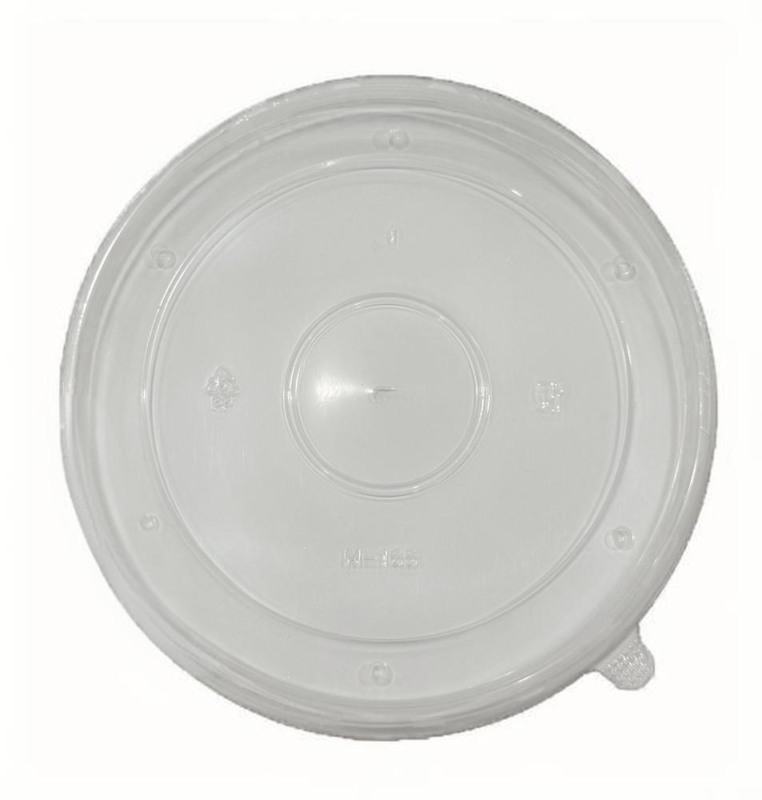 | D150PP Lid (Tall Lid) | Lid for 500/750/1000 Bowl | 5.5g | 50 | 6 | 300 | 48 | 31 | 31.5 |
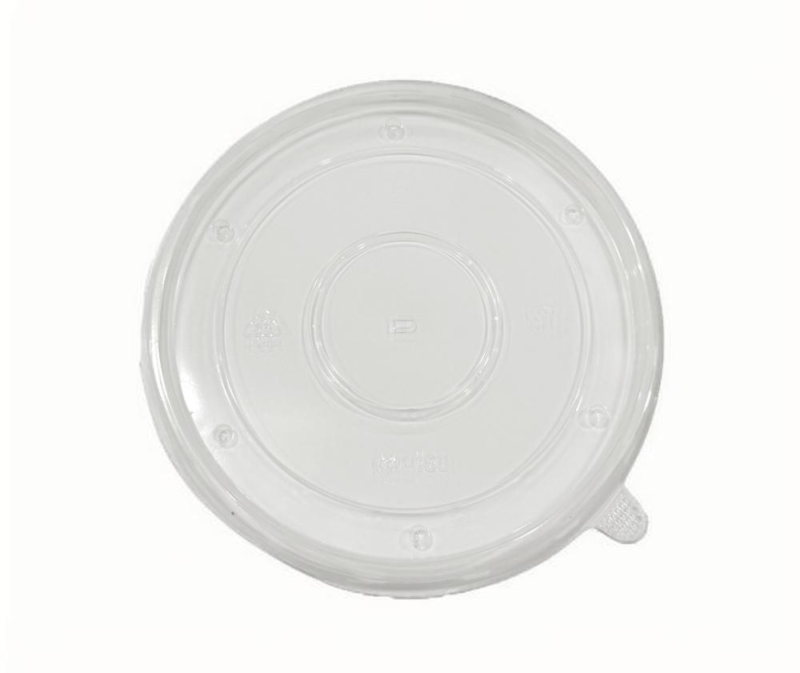 | D150 PP Lid (Standard Lid) | Lid for 500/750/1000 Bowl | 5.6g | 50 | 6 | 300 | 48 | 33 | 31.5 |
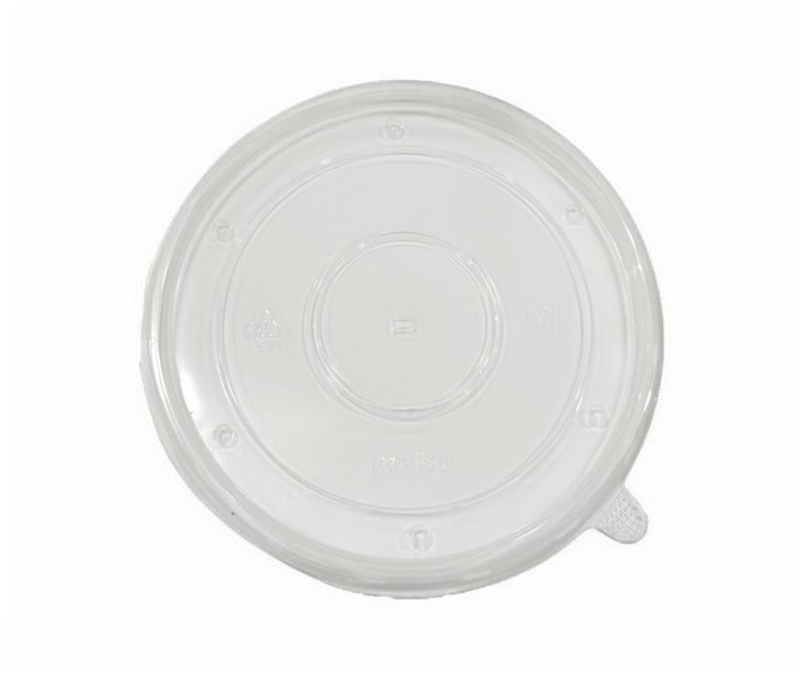 | D165 PP Lid (Tall Lid) | Lid for 1100/1300/1480 Bowl | 6.6g | 50 | 6 | 300 | 51.5 | 31 | 35 |
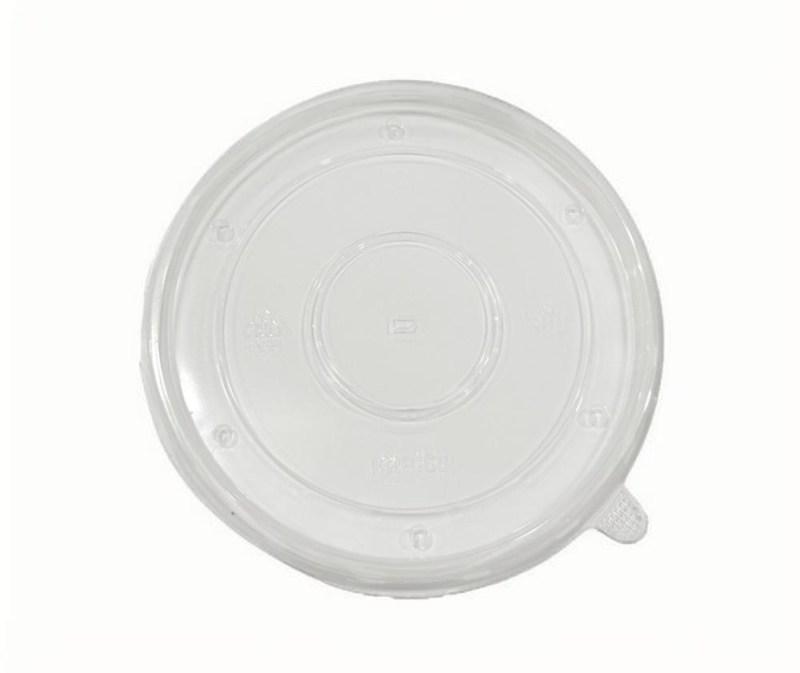 | D165 PP Lid (Standard Lid) | Lid 1100/1300/1480 Bowl | 6.5g | 50 | 6 | 300 | 51.5 | 33 | 35.5 |
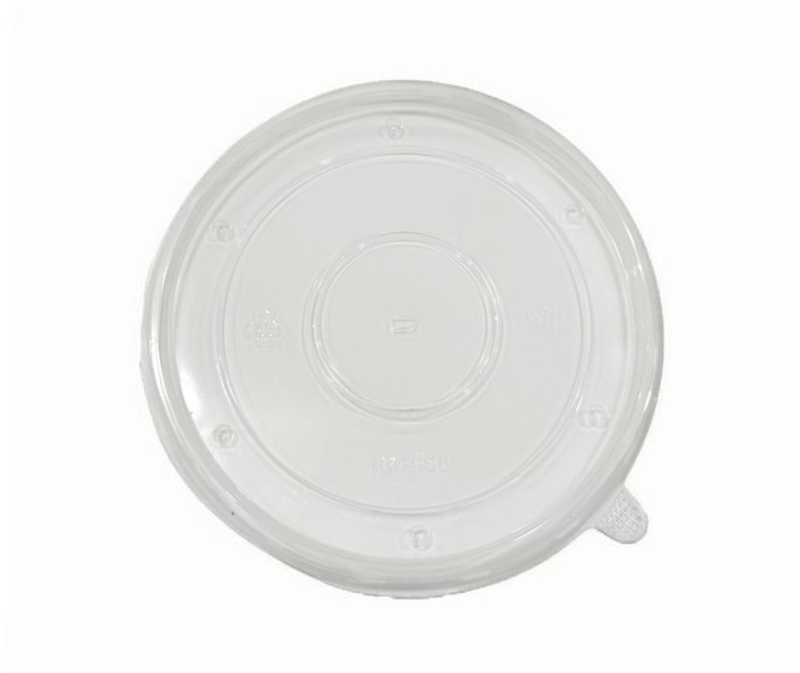 | D180 PP Lid (Standard Lid) | Lid for 900/1450 Bowl | 7.6g | 50 | 6 | 300 | 58 | 30 | 38 |
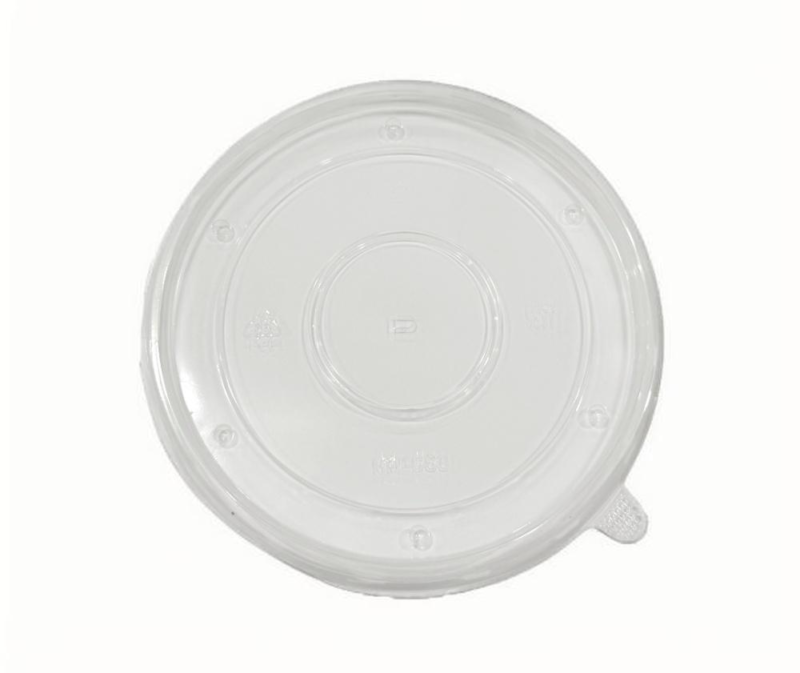 | D185 PP Lid (Standard Lid) | Lid for 1500 Bowl | 8.3g | 50 | 6 | 300 | 58 | 30 | 38 |
 | 8oz/240ml Soup Bowl with PE Lined | 90*72*60 | Wall 300gsm Kraft Paper/Bottom 210gsm Kraft Paper+18gsm PE | 25 | 20 | 500 | 45.5 | 19 | 60.5 |
 | 12oz/360ml Soup Bowl with PE Lined | 90*72*88 | Wall 300gsm Kraft Paper/Bottom 210gsm Kraft Paper+18gsm PE | 25 | 20 | 500 | 45.5 | 20 | 61.5 |
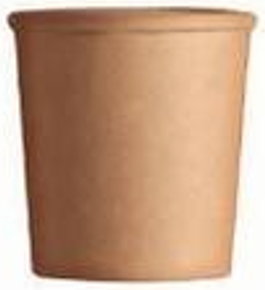 | 16oz/480ml Soup Bowl with PE Lined | 97*72*100 | Wall 300gsm Kraft Paper/Bottom 210gsm Kraft Paper+18gsm PE | 25 | 20 | 500 | 49.5 | 21 | 63 |
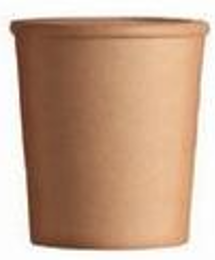 | 26oz/760ml Soup Bowl with PE Lined | 115*90*110 | Wall 300gsm Kraft Paper/Bottom 210gsm Kraft Paper+18gsm PE | 25 | 20 | 500 | 58 | 23 | 61.5 |
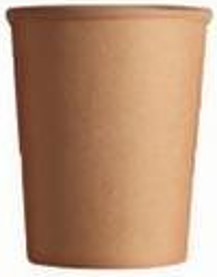 | 32oz/950ml Soup Bowl with PE Lined | 116*89*134 | Wall 300gsm Kraft Paper/Bottom 210gsm Kraft Paper18gsm PE | 25 | 20 | 500 | 60 | 48 | 46 |
 | 8oz/12oz Kraft Paper Lid With PE Lined | D90 | 250gsm Kraft Paper +18gsm PE | 25 | 20 | 500 | 50 | 33 | 38.5 |
 | 16oz Kraft Paper Lid with PE Lined | D97 | 250gsm Kraft Paper +18gsm PE | 25 | 20 | 500 | 50 | 33 | 38.5 |
 | 26oz Kraft Paper Lid with PE Lined | D115 | 250gsm Kraft Paper +18gsm PE | 25 | 20 | 500 | 53 | 43 | 34 |
 | 32oz Kraft Paper Lid with PE Lined | D116 | 250gsm Kraft Paper +18gsm PE | 25 | 20 | 500 | 61 | 50 | 34 |
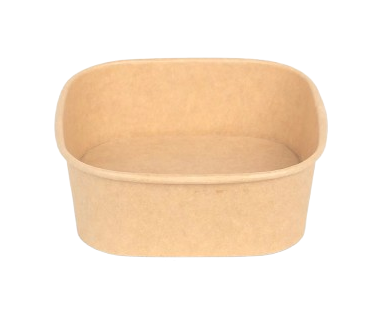 | 16oz/500ml Square Bowl with PE Lined | 130*130*49 114*114 | Wall 300gsm Kraft Paper/Bottom 210gsm Kraft Paper18gsm PE | 50 | 6 | 300 | 42 | 27.5 | 44 |
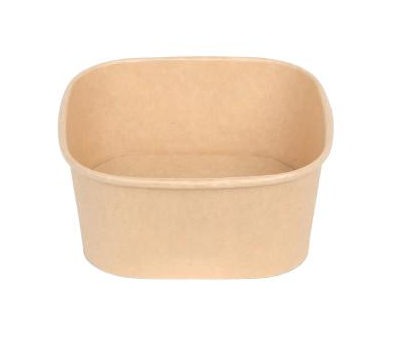 | 22oz/650ml Square Bowl with PE Lined | 130*130*59 112*112 | Wall 300gsm Kraft Paper/Bottom 210gsm Kraft Paper18gsm PE | 50 | 6 | 300 | 42 | 27.5 | 45 |
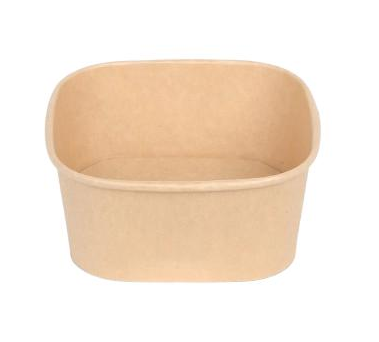 | 24oz/700ml Square Bowl with PE Lined | 151*151*45 130*130 | Wall 320gsm Kraft Paper/Bottom 250gsm Kraft Paper18gsm PE | 50 | 6 | 300 | 47.5 | 32.5 | 42.5 |
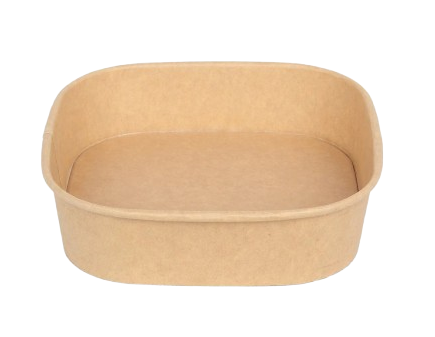 | 25oz/750ml Square Bowl with PE Lined | 170*170*45 153*153 | Wall 320gsm Kraft Paper/Bottom 250gsm Kraft Paper18gsm PE | 50 | 6 | 300 | 52 | 35.5 | 44 |
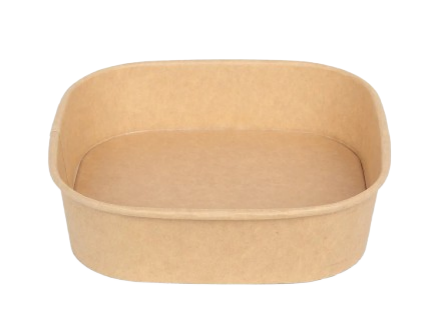 | 29oz/850ml Square Bowl with PE Lined | 151*151*55* 130*130 | Wall 320gsm Kraft Paper/Bottom 250gsm Kraft Paper18gsm PE | 50 | 6 | 300 | 47.5 | 32.5 | 42.5 |
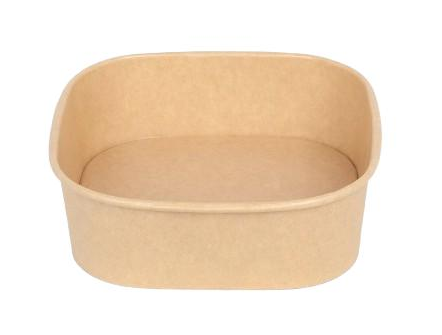 | 33oz/1000ml Square Bowl with PE Lined | 170*170*56 152*152 | Wall 320gsm Kraft Paper/Bottom 250gsm Kraft Paper18gsm PE | 50 | 6 | 300 | 52 | 35.5 | 44 |
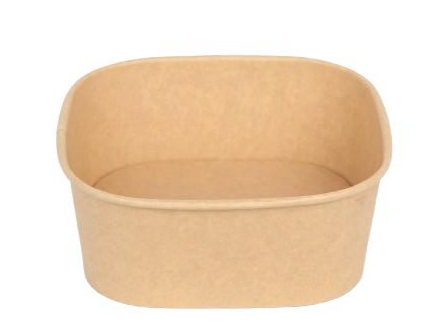 | 37oz/1100ml Square Bowl with PE Lined | 151*151*65 130*130 | Wall 320gsm Kraft Paper/Bottom 250gsm Kraft Paper18gsm PE | 50 | 6 | 300 | 47.5 | 32.5 | 43.5 |
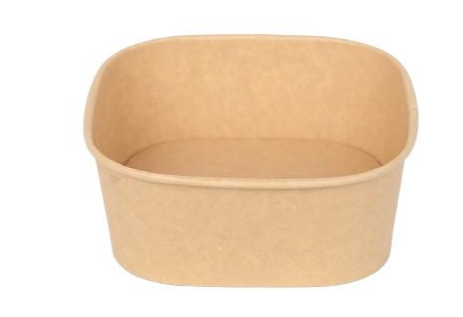 | 40oz/1200ml Square Bowl with PE Lined | 170*170*68 149*149 | Wall 320gsm Kraft Paper/Bottom 250gsm Kraft Paper18gsm PE | 50 | 6 | 300 | 52 | 35.5 | 45.5 |
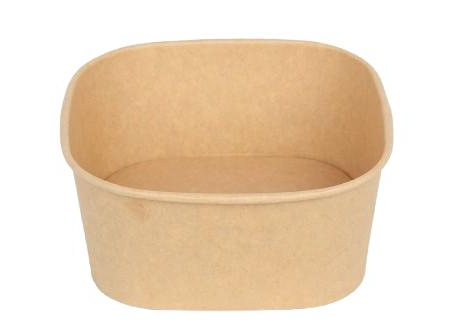 | 48oz/1400ml Square Bowl with PE Lined | 170*170*76 147*147 | Wall 320gsm Kraft Paper/Bottom 250gsm Kraft Paper18gsm PE | 50 | 6 | 300 | 52 | 35.5 | 46 |
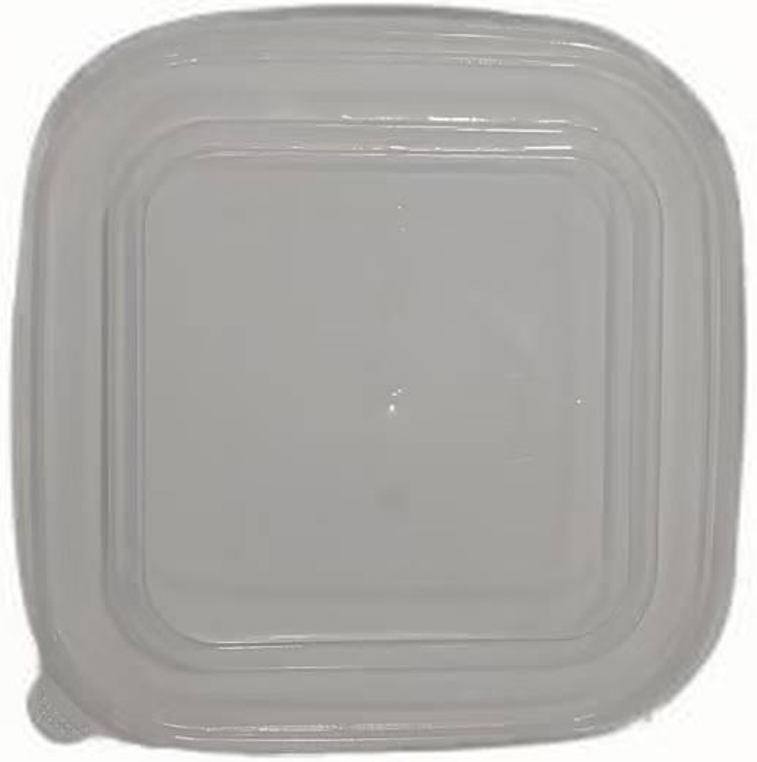 | D130 PP Square Bowl Lid | Square Bowl Lid for 500/650 | 6.3g | 50 | 6 | 300 | 42 | 33 | 28 |
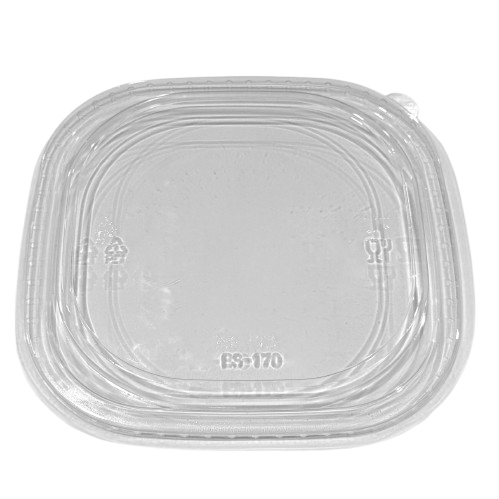 | D130 Anti-Fog PET Square Bowl Lid | Square Bowl Lid for 500/650 | 6.3g | 50 | 6 | 300 | 40 | 27 | 28 |
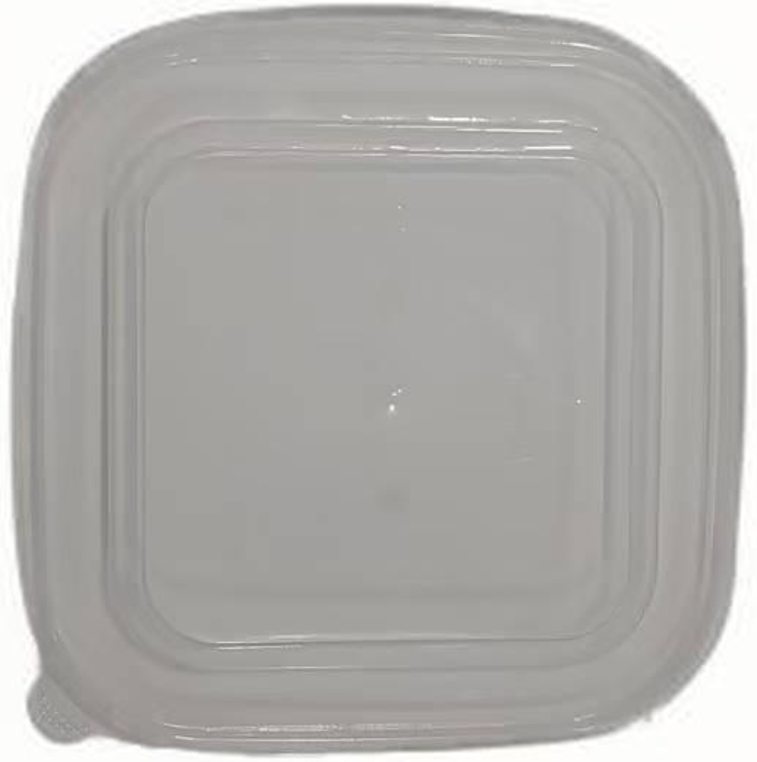 | D151 PP Square Bowl Lid | Square Bowl Lid for 700/850/1100 | 9g | 50 | 6 | 300 | 52 | 35 | 35 |
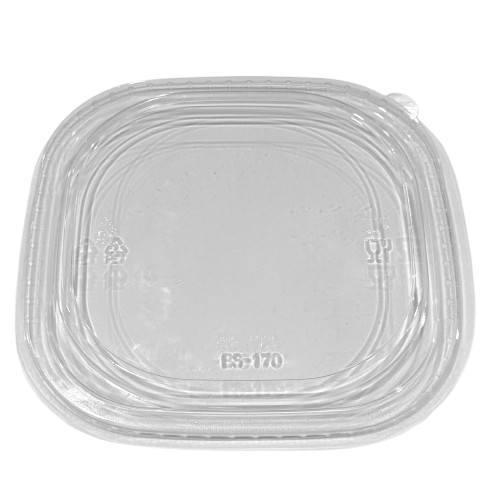 | D151 Anti-Fog PET Square Bowl Lid | Square Bowl Lid for 700/850/1100 | 8.5g | 50 | 6 | 300 | 50 | 26 | 35 |
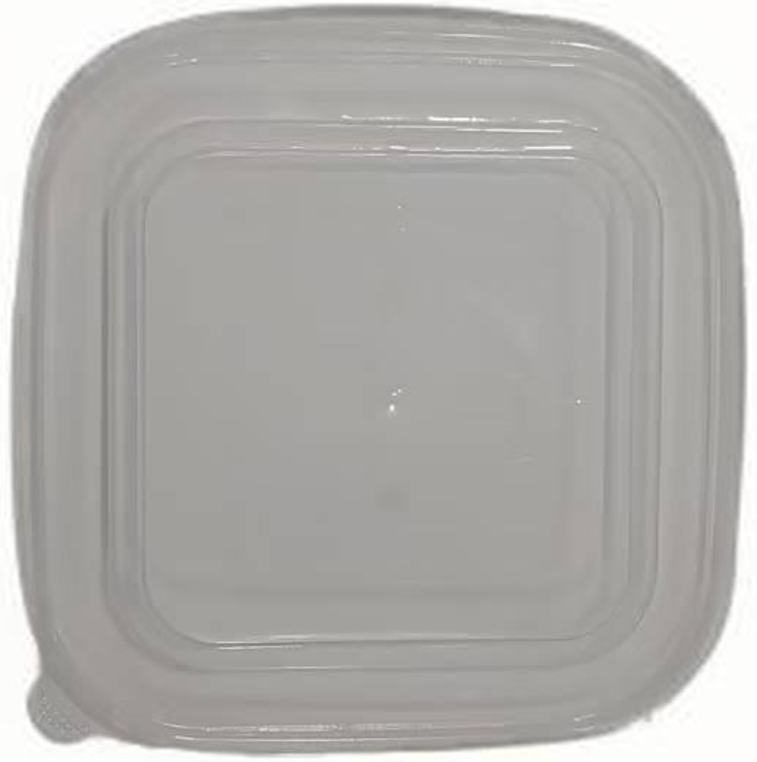 | D170 PP Square Bowl Lid | Square Bowl Lid for 750/1000/1200/1400 | 11g | 50 | 6 | 300 | 53 | 36 | 36 |
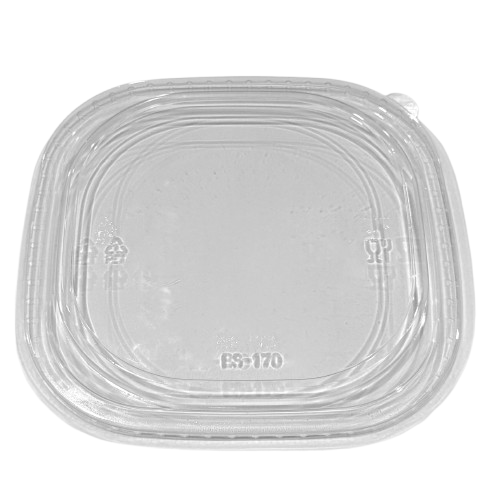 | D170 Anti-Fog PET Square Bowl Lid | Square Bowl Lid for 750/1000/1200/1400 | 10.8g | 50 | 6 | 300 | 51 | 26 | 35 |
.jpg)
.jpg)
.jpg)
.jpg)
.jpg)
.jpg)
.jpg)
.jpg)


Use Scenario | Initial Decision Gate |
Soup, chili and curry | Proceed after filled temperature and service-window validation |
Rice, grain and burrito bowls | Proceed after portion and assigned-lid approval |
Salads and chilled prepared meals | Proceed with condensation and chilled-display review |
Noodles and pasta | Proceed after sauce exposure, closing and route trial |
Snacks, chips and popcorn | Normally suitable for dry snack service |
Desserts and ice cream | Check condensation plus any freezing or scoop condition |
Takeaway meals | Match portion, barrier, rim and counter workflow |
Food delivery | Require the allocated lid and timed carrier-bag test |
Hotel and catering service | Match the pack to presentation and catering route |
Retail prepared-food display | Review shelf period, viewing area and anti-fog requirement |
Microwave reheating | Use only a written specification approved for the exact reheating cycle |
Freezer storage | Validate freezing, storage, thawing and condensation sequence |
Extended liquid storage | Develop a dedicated barrier test for any extended liquid period |
Industrial or chemical liquids | Outside the intended food-contact application |
Oven use | Reject unless a separately documented ovenable construction is supplied |
Reuse program | Designed for single use, not a managed reuse system |
Treat the table as an early decision screen. A green recommendation still requires confirmation of the final construction, recipe, practical fill, lid, time and route; a conditional result requires a written test plan before approval.
How should nominal capacity and working fill be recorded?
Use the catalogue capacity for product identification, then define a practical fill line or target weight for the recipe. Headspace, toppings and lid clearance can make the usable portion different from the nominal volume.
How many rim families should the range contain?
Start with required portions, then group candidate bowls by approved closure family. Add another rim only when the menu or presentation benefit justifies a separate lid SKU and its stock risk.
What must a filled-product test reproduce?
Use production-representative bowls and lids with the real food, fill temperature, quantity, closing method, hold period, stacking pattern and transport route. Record the acceptance result against the SKU.
Which fields belong in the master SKU record?
Include the drawing, wall and bottom construction, barrier, rim and lid code, pack quantity, intended use, artwork revision, inspection criteria and document references. This record should control both sampling and reorders.
How should two quotations be compared fairly?
Normalize bowl dimensions, paperboard, lining, lid, pieces per carton, printing, sample route and shipping configuration before comparing prices. A quotation with fewer pieces per carton or a separate lid can change landed cost.
What must remain fixed on a repeat order?
Reference the released SKU, approved bowl-and-lid samples, pack data, artwork version and color standard. Any substitution should be reviewed as a controlled change rather than accepted under the same name.
How is lid consistency checked between production lots?
Retain the matched reference set and define engagement, stacking and transport checks. Diameter should be recorded, but closure approval must also cover profile and production tolerance.
When is a dedicated soup format preferable to a meal bowl?
Choose from depth, liquid movement, serving portion and paper-lid or plastic-lid requirement. Soup formats cover 240–950 ml in the catalogue, while round meal bowls serve a different filling workflow.
What forecast is useful to production planning?
Share quantity by SKU, lid, artwork version and requested shipment window rather than one annual total. This shows material demand, print changes and low-volume variants before capacity is reserved.
When should printing and retail packing be confirmed?
Confirm them before final quotation because color count, artwork versions, inner packs, barcodes and printed cartons can affect unit cost, MOQ and schedule. The typical production MOQ remains 50,000 pieces.
Which documents should accompany the approved specification?
Agree the drawing, material and food-contact records, intended-use statement, lid reference, packing data and any destination-specific declaration before the order is released. Typical production lead time is 20–30 days after approvals.

A Bowl Paper project should pause when the required outcome cannot be demonstrated by the selected construction. These decision stops identify when a different container, a special development route or additional validation is more appropriate.
Shelf-life requirement exceeds normal service: prolonged liquid contact needs a purpose-developed barrier and seal program rather than an assumption based on takeaway performance.
The sale depends on seeing the complete product: an opaque paperboard wall cannot provide side visibility, so a clear container or a verified transparent-lid presentation may be preferable.
The pack will enter an appliance: catalogue status does not establish oven or microwave suitability. Require written limits for the exact bowl, food load and cycle.
The distribution route includes freezing and reheating: qualify paperboard, seams, print and lid through the entire freeze-thaw sequence before commercial release.
The brief allows no value beyond minimum piece price: a printed or multi-lid program adds control cost. Compare against a simpler stock format if the customer will not use those benefits.
Demand is below the confirmed print run: labels, sleeves or secondary packs may deliver the campaign message with less obsolete-inventory exposure.
Brand or regulatory copy is not final: postpone print release until logos, language, barcodes and mandatory text have a named approver and revision code.
The environmental claim has no destination evidence: do not infer recovery from fiber appearance. Select wording only after reviewing the complete product and local route.
For any decision stop, document the alternative construction or validation plan and approve it with a filled-product sample before mass production.


Ask for a comparable production dossier: drawing, material route, formed samples, matched lids and repeat-order references. Relevant proof is more useful than a long list of unrelated disposable products.
Review capacity by equipment, SKU and changeover schedule. The supplier should explain normal output, peak allocation and how an approved repeat program is protected when several artwork or bowl sizes share the same line.
Look for records connecting incoming material, machine checks, seam and rim inspection, lid verification, finished testing and corrective action. Quality claims should be visible in the order file, not only in a presentation.
Customization capability includes more than printing a logo. Evaluate dieline engineering, tapered-artwork review, color reference, code scanning, proof options, private-label packs and carton version control.
Request a document map for the exact construction and destination. It should distinguish material declarations, finished-product evidence and customer-specific forms so one report is not treated as universal coverage.
Export competence is demonstrated through carton data, shipping marks, load planning, document timing and exception communication. Ask how product and logistics revisions are synchronized before dispatch.
Technical support should convert recipe, fill point, service window and route into a proposed SKU and test method. A written recommendation provides a better basis for approval than an unqualified sample.
Assess who owns each handoff: quotation, sample, artwork, specification, production update, shipment and complaint review. Clear ownership reduces gaps when the order moves between commercial and factory teams.
Complete one decision record for every bowl-and-lid SKU before the final quotation is accepted.
Decision Record | Information Required Before Release |
Food and menu item | Name the exact recipe and service channel |
Capacity and fill weight | Record ml/oz, target food weight and headspace |
Bowl shape | Assign round meal, dedicated soup or square format |
Dimensions | Attach the approved top, height and bottom dimensions |
Paperboard and barrier | State wall/bottom grammage, substrate tone and barrier |
Filling temperature | Measure temperature at the real filling point |
Holding and delivery time | Define counter, transport and consumption windows |
Lid requirement | Identify the exact paper/PP/OPS/PET lid and profile |
Microwave / freezer need | Write the microwave or freeze-thaw cycle and evidence limit |
Artwork and dieline | Release dieline, safe area, mandatory copy, barcode and QR data |
Printing | Set color reference, print route, coverage and registration tolerance |
Proof approval | Name the accepted proof or signed production reference |
Artwork version control | Freeze filename, revision, approver and approval date |
Food-contact documentation | List the destination regulation or customer food-contact standard |
Environmental claim | Record exact environmental wording and its evidence |
MOQ and annual forecast | Forecast quantity by bowl, lid and artwork version |
Packing | Confirm bag/carton count, retail pack and barcode |
Logistics | Confirm destination, loading method and required ship date |
Sample approval | Sign plain/printed samples, lid set, filled test and specification |
When the checklist is complete, procurement can compare equivalent offers and production can reproduce the approved result without rebuilding requirements from emails.
.jpg)
DAILYECO organizes Bowl Paper sourcing around a released bowl-and-lid specification. Importers, distributors and foodservice buyers can align catalogue selection, testing, artwork, packs, cartons and shipment information within one project record.
The practical objective is a clean handoff from menu requirement to repeat order: define the application, select the SKU, approve the sample, release the artwork and pack data, then monitor production and logistics against the same references.
DAILYECO Bowl Paper Program Capability | Current Program Reference |
Employees | Workforce of approximately 1,000 employees |
Paper bowl production equipment | Nearly 30 paper bowl production machines in total |
Monthly supply capacity | Approximate monthly supply capacity: 30,000,000 pieces |
Catalogue range | Round meal, soup and square bowl platform covering 240–1500 ml |
Printing capability | Flexographic, offset or another print process to be confirmed for the project |
OEM support | Logo, artwork, inner-pack and carton OEM options after approval |
ODM support | ODM feasibility review for material, structure or product development |
Technical support | Specification mapping, sample plan, lid allocation and use-condition guidance |
Production MOQ | 50,000 pieces |
Typical lead time | 20–30 days |
Documentation planning begins after the product, material, food use and destination are named. Available material records, food-contact reports, specifications, questionnaires and audit support can then be matched to the project instead of supplied as an unrelated document bundle.
View Our Compliance & Certification Support Page
OEM support may cover logo or full artwork, color targets, codes, inner packs and cartons. ODM evaluation can address material or structural development when volume, testing and manufacturing feasibility justify a separate project route.
For export orders, the approved SKU data is carried into carton marks, loading plans and shipping documents. Destination requirements and file deadlines should be agreed before packaging artwork is released.
A single project trail can record consultation, identified samples, use tests, artwork decisions, specification approval, production milestones, dispatch and post-delivery feedback.
Future work can extend the range through another catalogue capacity, lid family, print configuration or evaluated barrier, provided that the new SKU passes its own feasibility and approval gates.