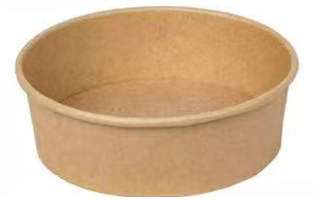
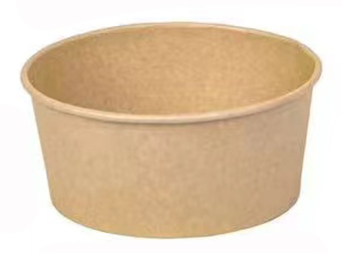
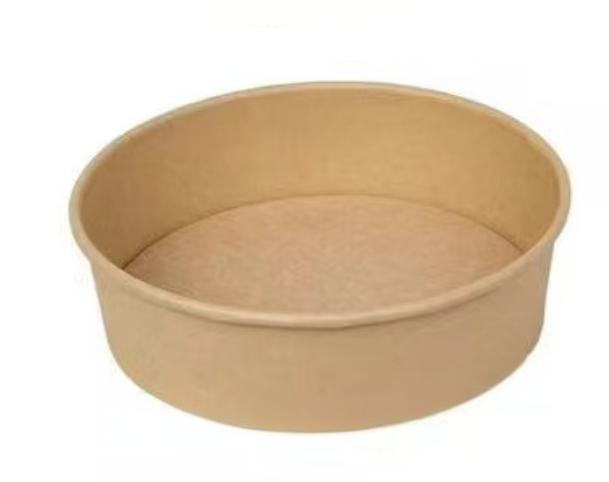
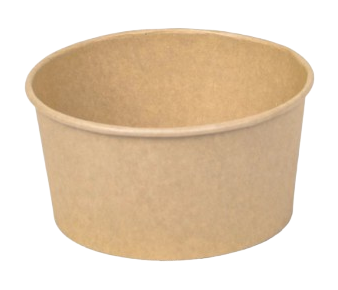
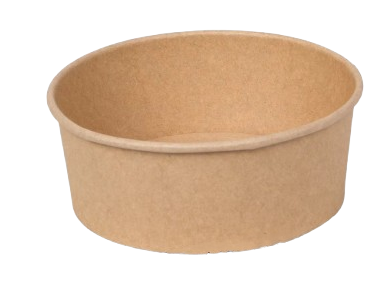
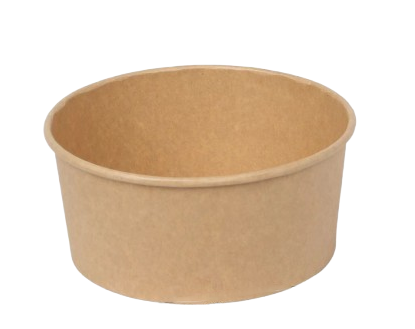
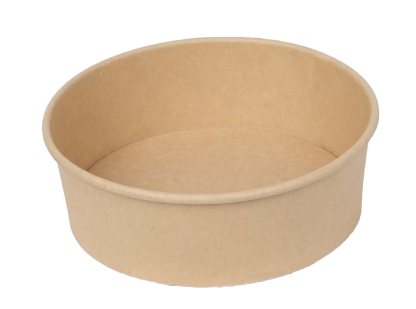
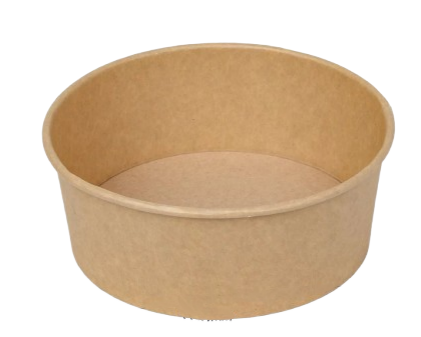
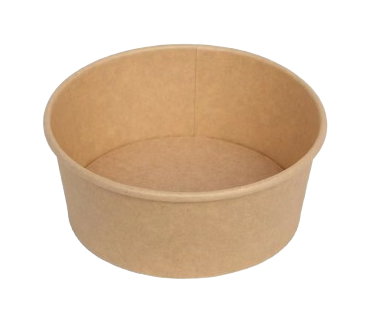
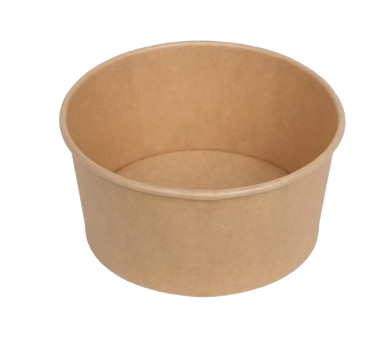
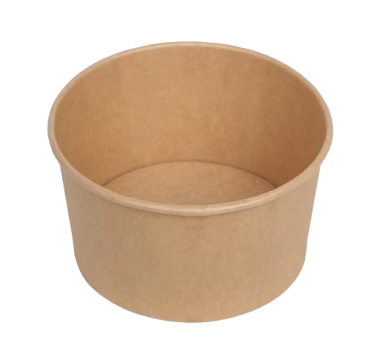
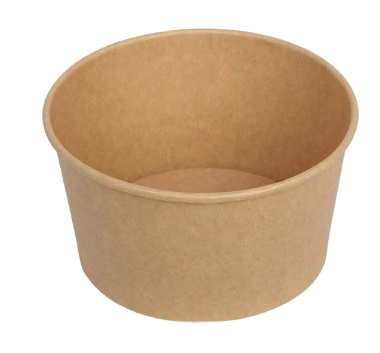
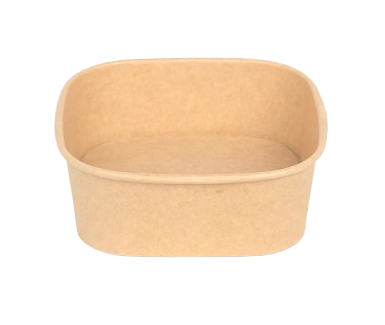
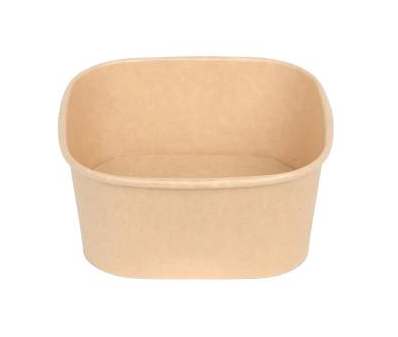
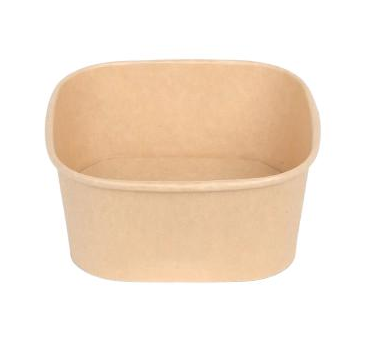
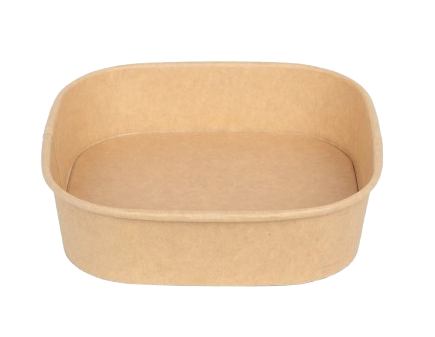
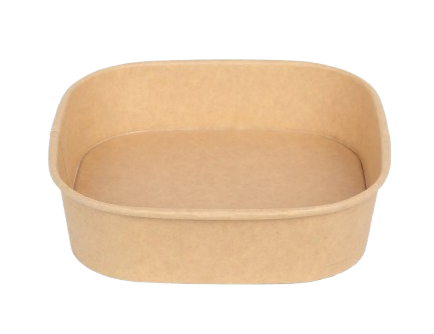
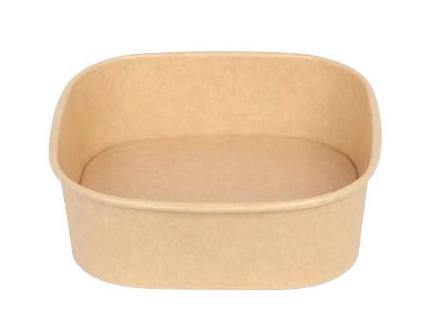
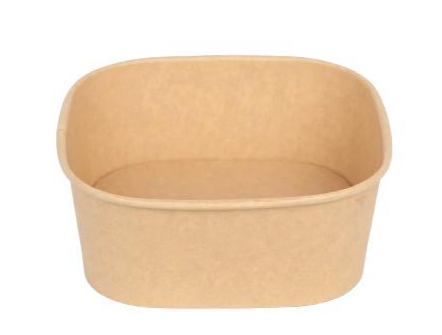
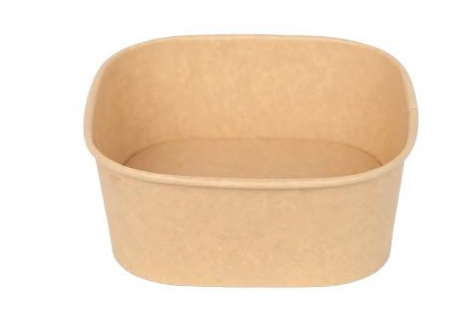
Custom Paper Bowls

DAILYECO, Your Professional Custom Paper Bowl Manufacturer

Custom Printed Paper Bowls with Lids for Foodservice Brands

Key Facts About Custom Paper Bowls

Item

Information

Product Name

Custom Paper Bowls

Material

Supplied catalogue construction: food-grade kraft paperboard with PE barrier lining

Product Types

Round meal bowls, paper soup bowls, square bowls and their assigned lid systems

Catalogue Capacity Range

240 ml through 1500 ml

Applications

Soup, salad, rice, noodles, pasta, snacks, desserts, takeaway meals and delivery

Food Types

Hot, warm, chilled and dry foods after specification and use-condition validation

Catalogue Paperboard

Walls: 280–320 gsm; bottoms: 210–250 gsm; catalogue construction references 18 gsm PE

Available Shapes

Round and square

Customization

Logo, full artwork, QR code, private-label inner packs and cartons, subject to project approval

Printing

CMYK or Pantone targets subject to artwork, process and production confirmation

Compatible Lids

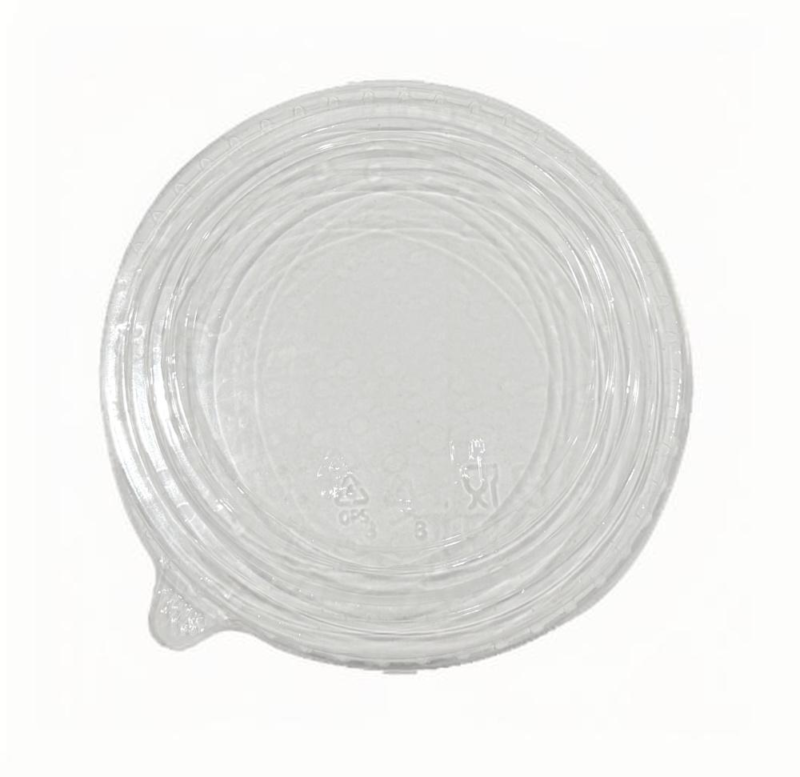
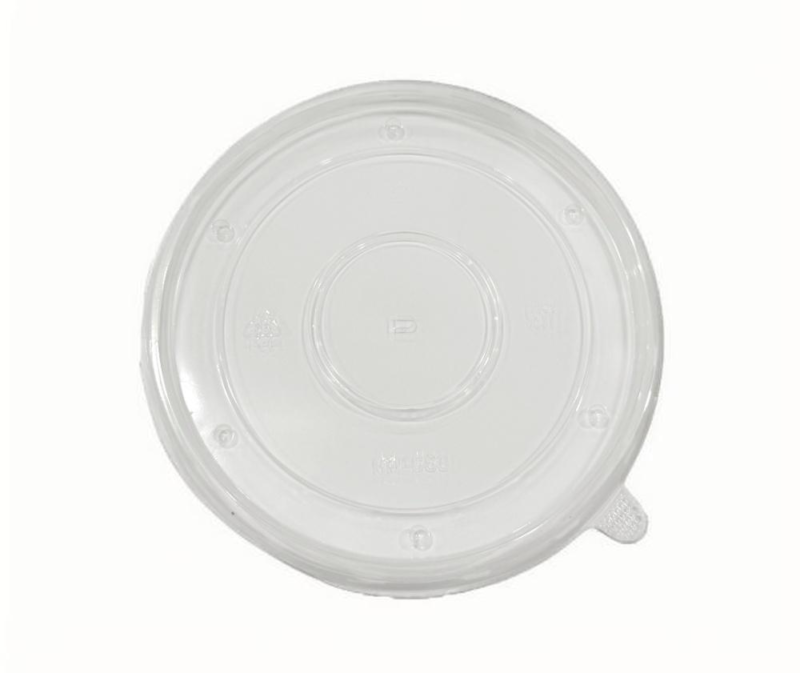
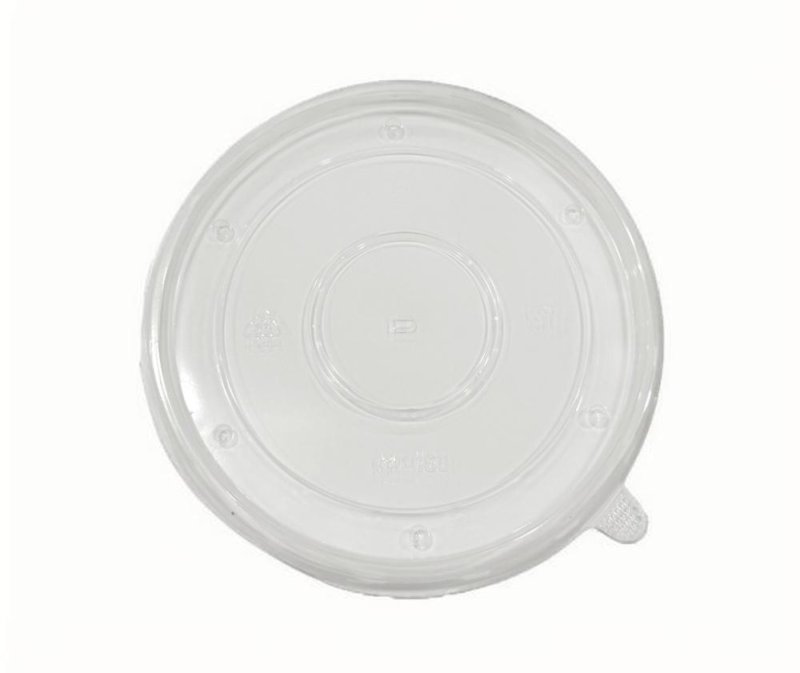
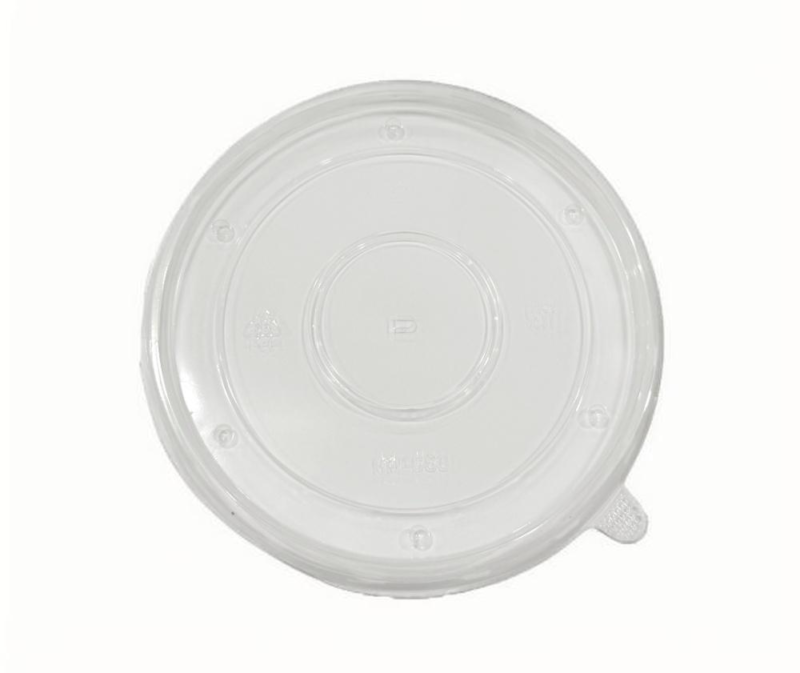
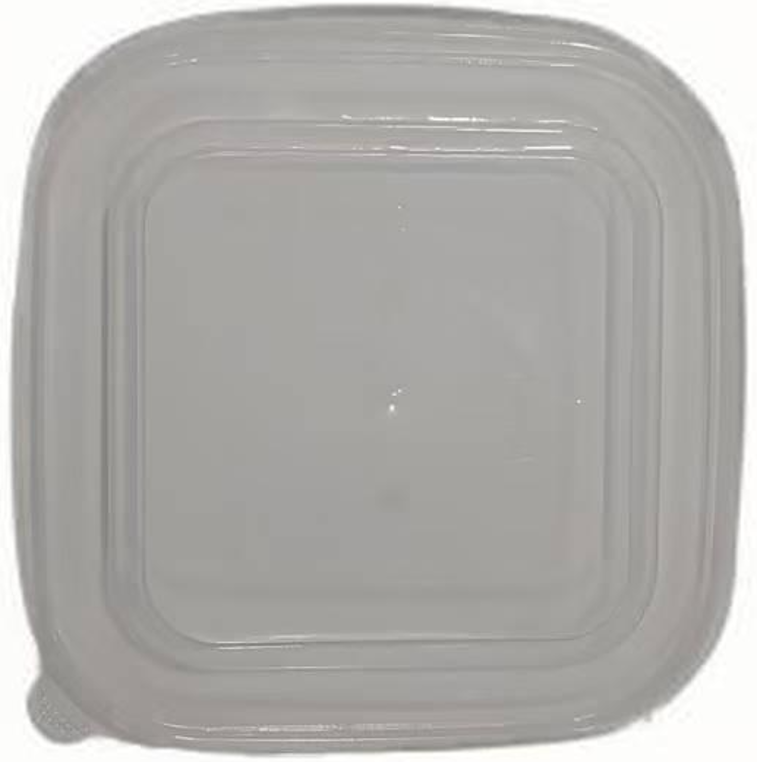
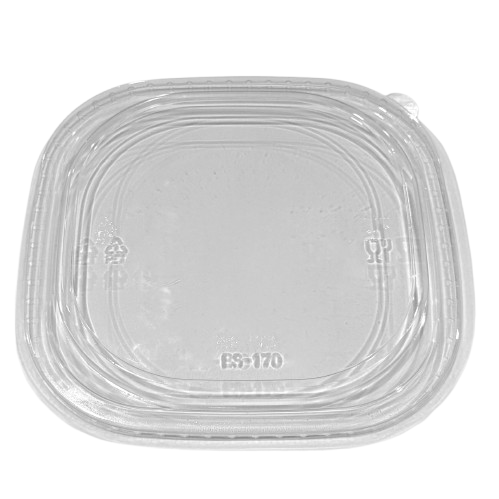
Paper, PP, OPS and anti-fog PET options allocated by bowl family and rim format

Supply Type

Manufacturer and supply-chain partner

Export Support

Product-document and logistics coordination based on destination-market requirements

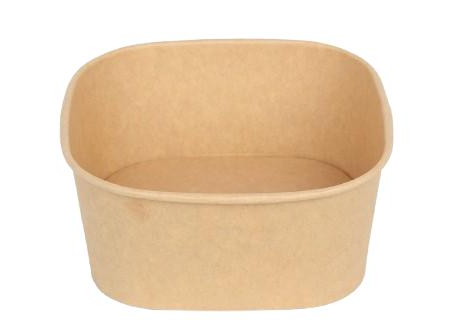
Custom paper bowls are formed paperboard food containers adapted with a brand’s artwork, colors, product information or private-label packaging. DAILYECO’s product catalogue covers kraft paper bowls for meals, paper soup bowls, square paper bowls, and matched lid systems that can provide a technical base for branded takeaway and delivery programs.

For B2B buyers, a custom paper bowl project involves more than adding a logo. Rim diameter, bowl depth, paperboard grammage, barrier material, lid fit, fill temperature and holding time define the functional specification; dielines, print colors, proofing, carton artwork, MOQ and lead time define how the brand is reproduced at scale.

DAILYECO supports importers, distributors, foodservice groups and private-label packaging brands that need coordinated custom paper bowls with lids rather than isolated SKUs. Specifications, artwork, performance claims and documentation should be approved for each project before mass production.

What Are Custom Paper Bowls? 

Custom paper bowls are not simply stock containers with graphics added at the end. In a commercial program, the buyer approves both the food-contact pack and the brand system: bowl format, barrier, lid pairing, print layout, color standard, product coding and outer-carton presentation.

The catalogue starts from PE-lined kraft paperboard, but customization begins by locking the base SKU before artwork is prepared. Once capacity, rim family and service conditions are confirmed, a size-specific dieline can position logos, mandatory copy, QR codes and decorative elements away from seams and forming zones.

A branded range may combine custom paper salad bowls for chilled meals, deeper custom paper soup bowls for liquid-rich dishes and square paper bowls for prepared-food presentation. The value comes from assigning each menu family to a controlled bowl-and-lid specification instead of applying one design indiscriminately.

Market labels such as cardboard bowls or paper bowl containers describe broad search intent, not a production specification. Procurement should reference the approved drawing, paperboard and lining, practical fill level, seam construction, assigned lid and artwork revision.

For custom printed paper bowls with lids, approval should follow the customer journey: fill the bowl, close the specified lid, stack it, transport it and inspect the graphics at handoff. This system test is more reliable than approving the bowl and lid as separate catalogue items.

What Are the Key Features of Custom Paper Bowls? 

Feature

Performance Role

Buyer Explanation

Paperboard construction

Rigidity, forming control and stacking

Fiber quality and grammage influence how the bowl holds its shape through printing, forming and service.

Barrier lining

Protection from grease and moisture

PE is referenced in the catalogue; any alternative barrier must be approved as a separate project construction.

Rolled rim

Closure interface and hand feel

A repeatable rolled profile allows the specified lid to close consistently across production lots.

Bottom and side sealing

Retention of liquid-rich foods

Side and bottom seals should be qualified with the actual recipe, fill temperature and service window.

Multiple capacities

Portfolio and portion architecture

The 240–1500 ml range can be organized around sides, soup, core meals and larger servings.

Round and square formats

Menu and display differentiation

Round or square geometry changes filling flow, shelf appearance, stacking and lid selection.

Custom printing

Customer-facing brand communication

Approved layouts may carry logos, campaign graphics, QR codes and private-label product information.

Color and proof control

Repeat-order visual control

Dielines, Pantone or CMYK references and approved proofs establish the released print standard.

Matched lid systems

Takeaway closure options

Paper, PP, OPS and PET lids are paired by bowl family rather than selected by name alone.

Nested storage

Counter and warehouse efficiency

Nested empty bowls reduce space at service stations and during storage or transport.

Specification traceability

Control of repeat procurement

A signed sample, drawing, artwork revision and pack record keep future orders aligned.

Custom Paper Bowl Structure, Print Area and Lid Compatibility 

Why Are Custom Paper Bowls Becoming Popular Worldwide? 

The growth of meal delivery, prepared-food retail and multi-location dining has turned packaging into a repeatable brand asset. Custom disposable paper bowls allow the same identity to travel across soups, salads, rice dishes, noodles, snacks and desserts without relying on labels applied at the point of service.

For operators, custom paper bowls with lids can also reduce operational variation. A planned capacity ladder, limited rim families and controlled artwork files make it easier to train staff, replenish stock and introduce new menu items without rebuilding the packaging system.

The printable wall gives custom kraft paper bowls a role beyond containment. Menu cues, campaign messages, reheating or disposal instructions, loyalty links and QR-led promotions can be integrated into the approved layout while the natural kraft surface supports a recognizable visual character.

Sustainability language is increasingly visible on branded packaging, so claim control must sit inside the artwork approval process. Terms such as compostable paper bowls, biodegradable paper bowls and recyclable paper bowls should appear only when the complete construction, supporting evidence and destination waste route justify the statement.

Industry Insights & Market Trends

Custom bowl procurement is shifting from one-off artwork orders to managed packaging platforms. Buyers now evaluate whether a supplier can hold the same color reference, lid relationship, product code and carton identity across several sizes and repeat production cycles.

Custom Paper Bowls Industry Insights and Foodservice Packaging Trends 

Demand for Managed Brand Programs

Restaurants, meal-prep brands, supermarkets, caterers, hotels, transport operators and packaging resellers enter the category for different reasons, but they share one requirement: the custom paper bowls received next quarter must match the approved product and visual standard used today.

Regional listings may describe capacity in ounces, milliliters or cubic centimeters. A scalable brand program therefore links each commercial name to one drawing, one rim family, one lid reference and one artwork code, preventing local sales teams from creating conflicting specifications.

Operational Trends Affecting Custom Bowl Programs

  • Range architecture: buyers are grouping several capacities around fewer approved rim and lid families.
  • Artwork governance: master brand rules are being separated from size-specific legal copy and seasonal campaigns.
  • Channel-ready packaging: private label paper bowlsincreasingly require retail packs, barcodes, listing data and export-carton identification.
  • Evidence-led communication: coating, food-contact records and environmental claims are being reviewed before graphics are released.
  • Format-led differentiation: deep round formats and square paper bowlsare used to create distinct menu and shelf presentations.

Packaging as a Controlled Brand Asset

With custom printed paper bowls, repeated exposure matters more than a single attractive mockup. Logo position, color hierarchy, product naming, QR placement and lid or carton coordination should work consistently when bowls are nested, filled, displayed and delivered.

The tapered surface changes how flat artwork is perceived. Approval should check the front-facing panel, side seam, curvature, safe area and production-scale text, then record the accepted proof and substrate as part of the SKU specification.

Regional Priorities for Custom Programs

Region / Buyer Group

Typical Focus

North America

Portion conventions, delivery validation, food-contact records and distributor or retail pack formats

Europe

Barrier disclosure, plastic-reduction plans, substantiated claims and market-specific collection routes

Australia & New Zealand

Takeaway heat performance plus evidence for any recycling or composting statement

Middle East

Guest-facing presentation, hot-climate logistics, dependable supply and branded hospitality programs

Asia

Competitive range architecture, stable production and capacities suited to fast-moving takeaway menus

Procurement Implications for Brand Owners

A useful request for quotation starts with the menu and service workflow, then adds brand requirements. Buyers should state fill temperature, service window, lid use, delivery route, graphics hierarchy, languages, barcode needs, annual volume and planned artwork changes.

Commercial comparison should be made at program level. A slightly cheaper bowl can become more expensive when it introduces another lid, a low-volume artwork version, inefficient cartons or inconsistent color that forces rework and obsolete stock.

Which Material Is Right for Your Business? 

For a custom program, material selection should follow the menu, brand appearance, service window, destination rules and end-of-life communication. The preferred route is the one that can be printed, formed, documented and replenished consistently for the intended use.

Start with PE-Coated Kraft Paper Bowls When:

  • You want to develop artwork on the construction documented in the supplied catalogue.
  • The menu requires established resistance to grease and moisture during normal takeaway service.
  • The range will combine round, soup or square formats with catalogue-assigned lid options.
  • Your environmental wording will be limited to claims supported for the finished product and destination market.

Evaluate PLA-Coated Paper Bowls When:

  • The project is connected to a verified industrial-composting collection and processing route.
  • Certification or documentation can cover the converted bowl, not merely the coating resin.
  • Forming, sealing, printing, storage and hot-food performance can be validated before launch.

Consider a Water-Based Barrier When:

  • The customer is pursuing a fiber-recovery program and can obtain acceptance for the final converted structure.
  • Coating disclosure, material records and local recyclability review will be completed before artwork claims are approved.
  • The project can accommodate development testing and any resulting changes to MOQ, cost or production timing.

Select Bagasse Bowls When:

  • A molded-fiber texture is more important to the brand than a smooth, high-definition paperboard print surface.
  • The desired shapes and presentation can be achieved through molded tooling rather than converted paperboard.
  • Food temperature, moisture exposure and the local disposal pathway have been checked for the chosen bagasse item.

Retain a Plastic Bowl Route When:

  • Clear product visibility, prolonged wet holding or a rigid premium presentation is a primary requirement.
  • The selected polymer and destination waste stream are acceptable for the customer program.
  • Specific barrier or display performance takes priority over a paper-based brand appearance.

How to Shortlist Materials by Program Type 

Market / Program

Starting Material Route

Primary Purchasing Considerations

General takeaway and delivery

Catalogue PE-lined kraft paper bowl

Recipe temperature, service duration, seam performance, assigned lid and program cost

Industrial composting program

PLA-coated or certified compostable system

Finished-product evidence plus real collection and industrial processing access

Fiber-recovery program

Verified water-based barrier or accepted paper structure

Acceptance by the intended recovery route, coating disclosure and food-residue conditions

Premium prepared-food retail

Printed paperboard bowl with clear or paper lid

Shelf presentation, lid clarity or anti-fog need, print standard and closure performance

Institutional foodservice

Standardized round or soup bowl range

Portion discipline, fewer operational SKUs and reliable replenishment

Eco-focused brand

Evidence-led material selection

Select material from evidence and avoid unsupported eco-friendly bowl language

Do not let a single material label decide the project. Shortlist the construction by food performance and brand needs, then review documentation, local infrastructure, regulatory obligations and program-level cost before releasing claims or artwork.

DAILYECO’s Complete Custom Paper Bowl Categories Will Cover All Your Sales and On-Site Application Needs

Our available product range provides a coordinated technical base for custom paper bowls in round meals, soup and square food formats with compatible lids. Buyers can apply one brand system across a practical portfolio covering small sides through large meals.

Pictures

Name

Size

Material and Weight

Pcs/Bag

Bags/CTN

Pcs/CTN

Carton L (cm)

Carton W (cm)

Carton H (cm)

17oz/500ml Bowl with PE Lined

150*47*128

Wall 280gsm Kraft Paper/Bottom 210gsm Kraft Paper+18gsm PE

50

6

300

45

30

38

25oz/750ml Bowl with PE Lined

150*60*128

Wall 280gsm Kraft Paper/Bottom 210gsm Kraft Paper+18gsm PE

50

6

300

45

30

39

30oz/900ml Bowl with PE Lined

180*50*160

Wall 280gsm Kraft Paper/Bottom 210gsm Kraft Paper+18gsm PE

50

6

300

55

37.2

38.5

34oz/1000ml Bowl with PE Lined

150*75*128

Wall 280gsm Kraft Paper/Bottom 210gsm Kraft Paper+18gsm PE

50

6

300

50.5

34

41.5

37oz/1100ml Bowl with PE Lined

165*65*144

Wall 280gsm Kraft Paper/Bottom 210gsm Kraft Paper+18gsm PE

50

6

300

52

35.5

44

44oz/1300ml Bowl with PE Lined

165*75*144

Wall 280gsm Kraft Paper/Bottom 210gsm Kraft Paper+18gsm PE

50

6

300

50.5

34

41

50oz/1450ml Bowl With PE Lined

180*60*160

Wall 300gsm Kraft Paper/Bottom 210gsm Kraft Paper+18gsm PE

50

6

300

42

27.5

44

50oz/1500ml Bowl with PE Lined

185*70*160

Wall 300gsm Kraft Paper/Bottom 210gsm Kraft Paper+18gsm PE

50

6

300

51

26

35

18oz/530ml Bowl with PE Lined

135*55*114

Wall 300gsm Kraft Paper/Bottom 210gsm Kraft Paper+18gsm PE

50

6

300

41.7

28.2

40.7

21oz/630ml Bowl with PE Lined

135*65*114

Wall 280gsm Kraft Paper/Bottom 210gsm Kraft Paper+18gsm PE

50

6

300

40.3

27.2

42

25oz/730ml Bowl with PE Lined

135*75*114

Wall 280gsm Kraft Paper/Bottom 210gsm Kraft Paper+18gsm PE

50

6

300

41

27.5

41

50oz/1480ml Bowl with PE Lined

165*88*131

Wall 300gsm Kraft Paper/Bottom 210gsm Kraft Paper+18gsm PE

50

6

300

49.5

33.5

49.3

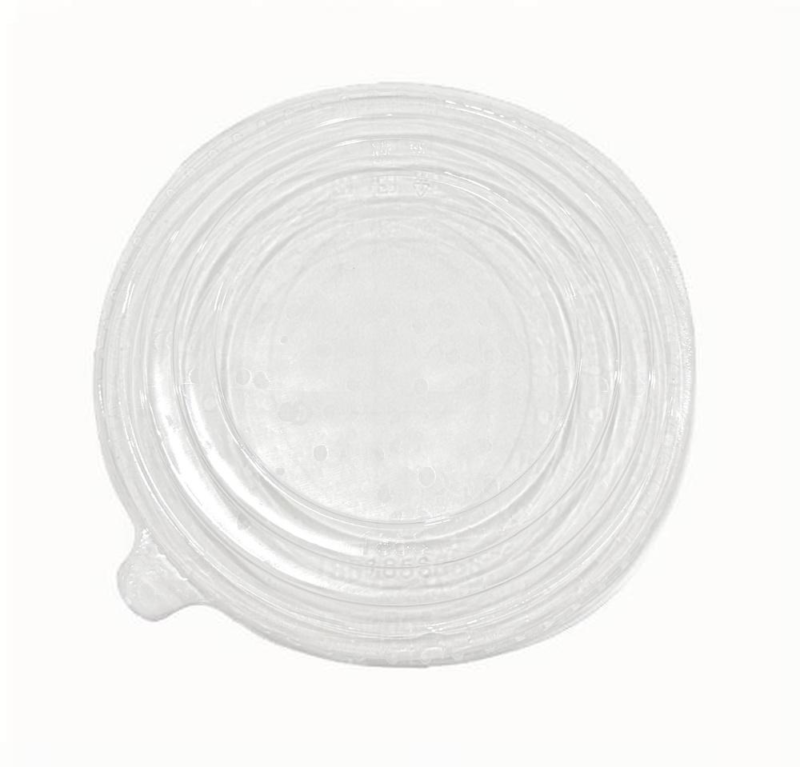
D135 PP Lid

Lid for 530/630/730 Bowl

4.8g

50

6

300

42

33

28.5

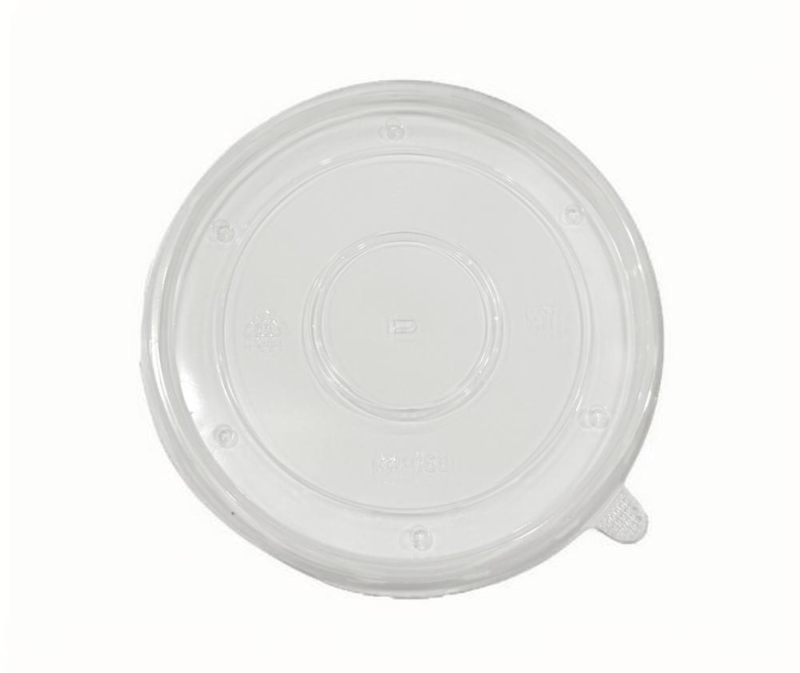
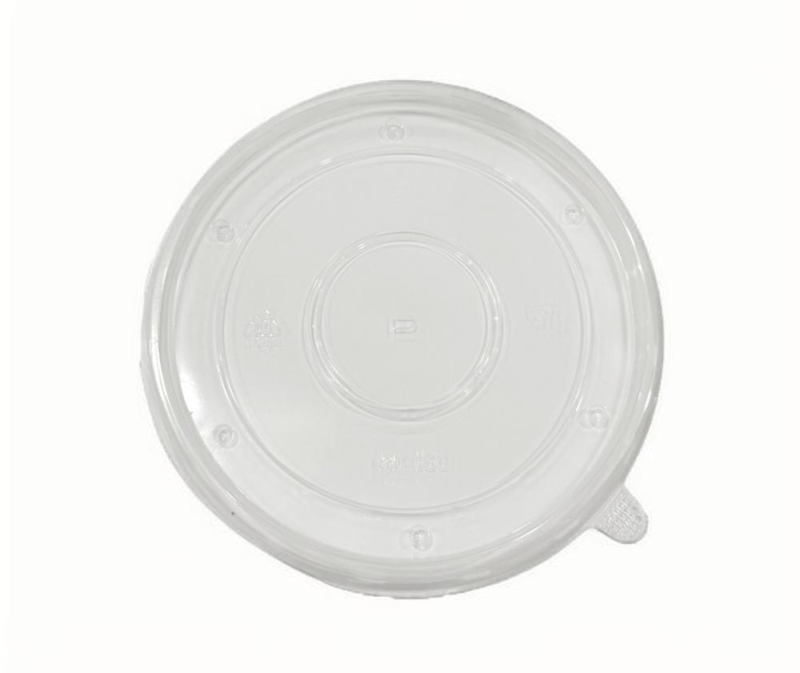
D150 OPS Lid

Lid for 500/750/1000 Bowl

3.6g

50

6

300

38

16

32

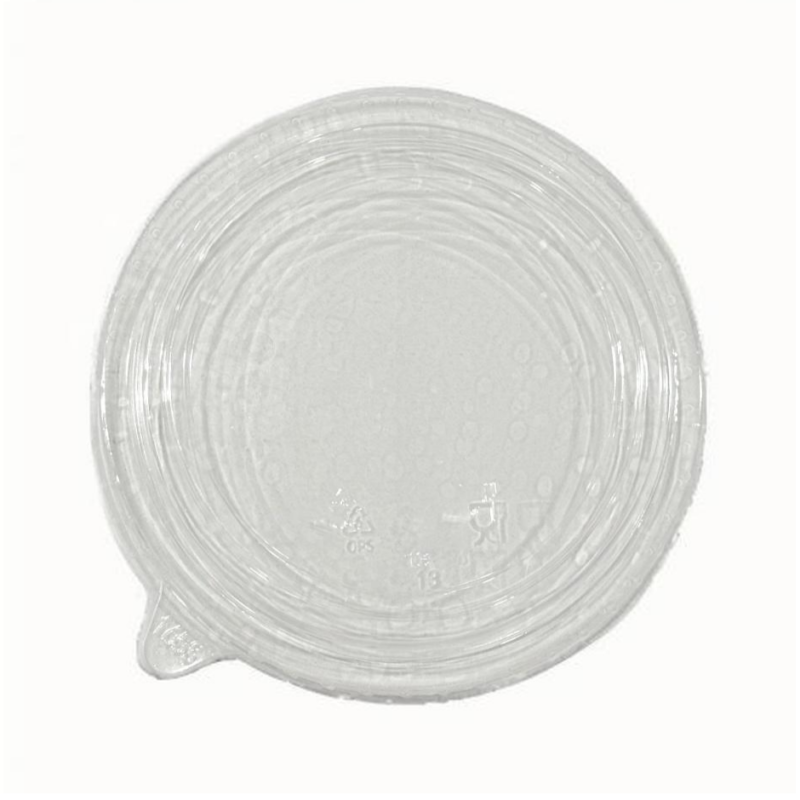
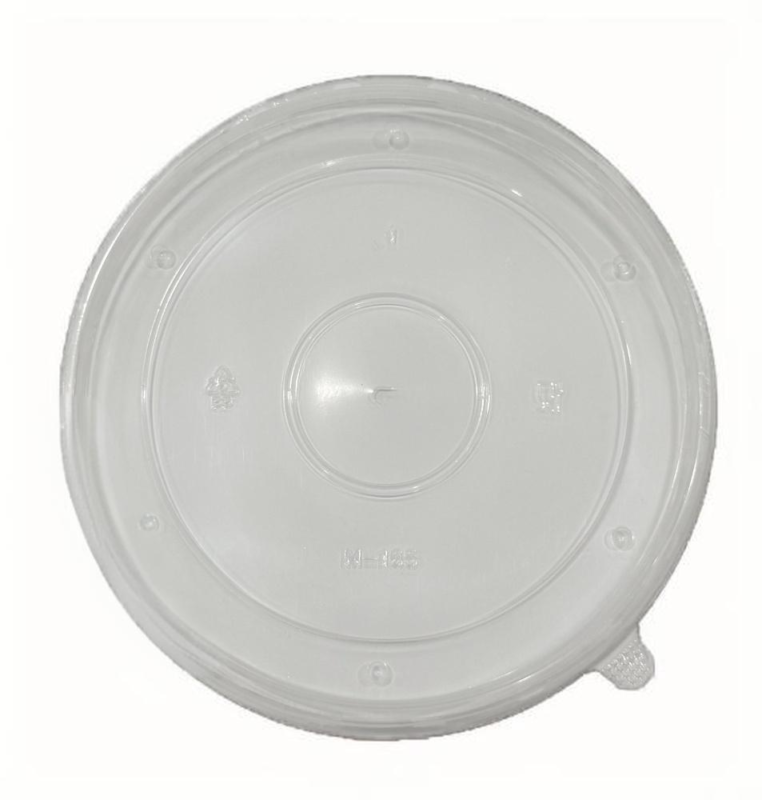
D165 OPS Lid

Lid for 1100/1300/1480 Bowl

4.5g

50

6

300

47

33.5

18

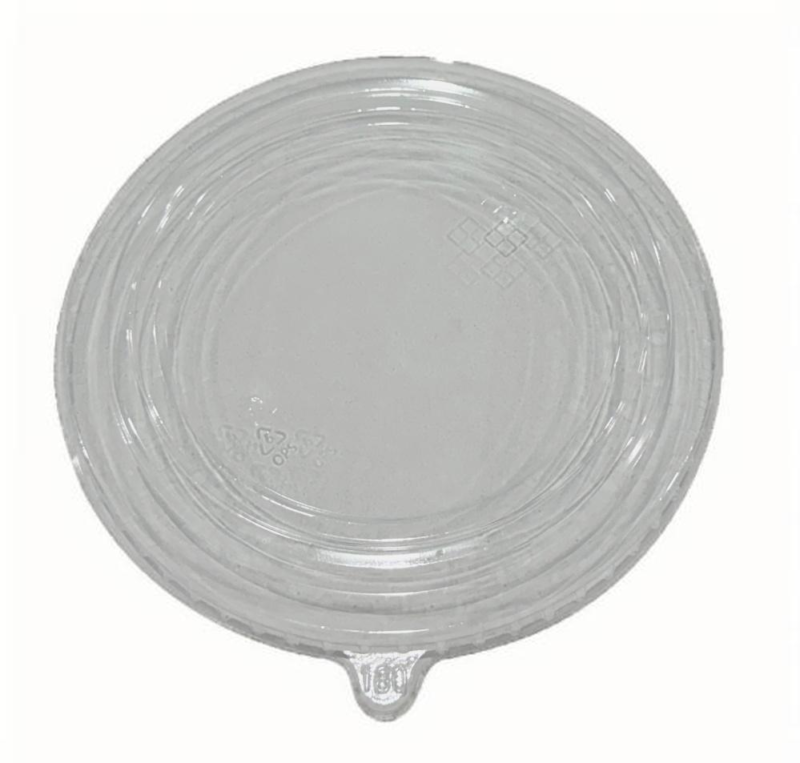
D180 OPS Lid

Lid for 900/1450 Bowl

5.5g

50

6

300

40

19

37

D185 OPS Lid

Lid for 1500 Bowl

5.4g

50

6

300

41

19

39

D150PP Lid (Tall Lid)

Lid for 500/750/1000 Bowl

5.5g

50

6

300

48

31

31.5

D150 PP Lid (Standard Lid)

Lid for 500/750/1000 Bowl

5.6g

50

6

300

48

33

31.5

D165 PP Lid (Tall Lid)

Lid for 1100/1300/1480 Bowl

6.6g

50

6

300

51.5

31

35

D165 PP Lid (Standard Lid)

Lid 1100/1300/1480 Bowl

6.5g

50

6

300

51.5

33

35.5

D180 PP Lid (Standard Lid)

Lid for 900/1450 Bowl

7.6g

50

6

300

58

30

38

D185 PP Lid (Standard Lid)

Lid for 1500 Bowl

8.3g

50

6

300

58

30

38

8oz/240ml Soup Bowl with PE Lined

90*72*60

Wall 300gsm Kraft Paper/Bottom 210gsm Kraft Paper+18gsm PE

25

20

500

45.5

19

60.5

12oz/360ml Soup Bowl with PE Lined

90*72*88

Wall 300gsm Kraft Paper/Bottom 210gsm Kraft Paper+18gsm PE

25

20

500

45.5

20

61.5

16oz/480ml Soup Bowl with PE Lined

97*72*100

Wall 300gsm Kraft Paper/Bottom 210gsm Kraft Paper+18gsm PE

25

20

500

49.5

21

63

26oz/760ml Soup Bowl with PE Lined

115*90*110

Wall 300gsm Kraft Paper/Bottom 210gsm Kraft Paper+18gsm PE

25

20

500

58

23

61.5

32oz/950ml Soup Bowl with PE Lined

116*89*134

Wall 300gsm Kraft Paper/Bottom 210gsm Kraft Paper18gsm PE

25

20

500

60

48

46

8oz/12oz Kraft Paper Lid With PE Lined

D90

250gsm Kraft Paper +18gsm PE

25

20

500

50

33

38.5

16oz Kraft Paper Lid with PE Lined

D97

250gsm Kraft Paper +18gsm PE

25

20

500

50

33

38.5

26oz Kraft Paper Lid with PE Lined

D115

250gsm Kraft Paper +18gsm PE

25

20

500

53

43

34

32oz Kraft Paper Lid with PE Lined

D116

250gsm Kraft Paper +18gsm PE

25

20

500

61

50

34

16oz/500ml Square Bowl with PE Lined

130*130*49 114*114

Wall 300gsm Kraft Paper/Bottom 210gsm Kraft Paper18gsm PE

50

6

300

42

27.5

44

22oz/650ml Square Bowl with PE Lined

130*130*59 112*112

Wall 300gsm Kraft Paper/Bottom 210gsm Kraft Paper18gsm PE

50

6

300

42

27.5

45

24oz/700ml Square Bowl with PE Lined

151*151*45 130*130

Wall 320gsm Kraft Paper/Bottom 250gsm Kraft Paper18gsm PE

50

6

300

47.5

32.5

42.5

25oz/750ml Square Bowl with PE Lined

170*170*45 153*153

Wall 320gsm Kraft Paper/Bottom 250gsm Kraft Paper18gsm PE

50

6

300

52

35.5

44

29oz/850ml Square Bowl with PE Lined

151*151*55* 130*130

Wall 320gsm Kraft Paper/Bottom 250gsm Kraft Paper18gsm PE

50

6

300

47.5

32.5

42.5

33oz/1000ml Square Bowl with PE Lined

170*170*56 152*152

Wall 320gsm Kraft Paper/Bottom 250gsm Kraft Paper18gsm PE

50

6

300

52

35.5

44

37oz/1100ml Square Bowl with PE Lined

151*151*65 130*130

Wall 320gsm Kraft Paper/Bottom 250gsm Kraft Paper18gsm PE

50

6

300

47.5

32.5

43.5

40oz/1200ml Square Bowl with PE Lined

170*170*68 149*149

Wall 320gsm Kraft Paper/Bottom 250gsm Kraft Paper18gsm PE

50

6

300

52

35.5

45.5

48oz/1400ml Square Bowl with PE Lined

170*170*76 147*147

Wall 320gsm Kraft Paper/Bottom 250gsm Kraft Paper18gsm PE

50

6

300

52

35.5

46

D130 PP Square Bowl Lid

Square Bowl Lid for 500/650

6.3g

50

6

300

42

33

28

D130 Anti-Fog PET Square Bowl Lid

Square Bowl Lid for 500/650

6.3g

50

6

300

40

27

28

D151 PP Square Bowl Lid

Square Bowl Lid for 700/850/1100

9g

50

6

300

52

35

35

D151 Anti-Fog PET Square Bowl Lid

Square Bowl Lid for 700/850/1100

8.5g

50

6

300

50

26

35

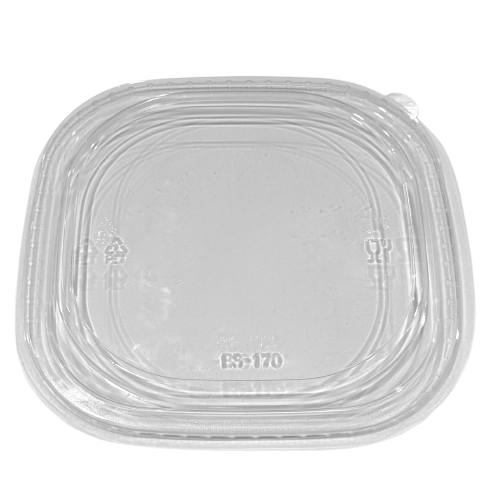
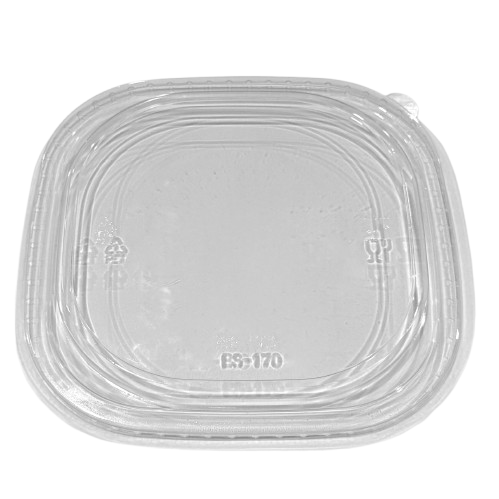
D170 PP Square Bowl Lid

Square Bowl Lid for 750/1000/1200/1400

11g

50

6

300

53

36

36

D170 Anti-Fog PET Square Bowl Lid

Square Bowl Lid for 750/1000/1200/1400

10.8g

50

6

300

51

26

35

Get Latest Catalog

What Is the Application of Custom Paper Bowls? 

A custom paper bowl program should be designed around moments of use rather than generic food categories. Each application below connects capacity and closure requirements with the way the brand is seen, handled and replenished in service.

Custom Kraft Paper Bowls for Takeaway Meal Service

Takeaway Meal Service 

For takeaway counters, a branded takeaway paper bowl must move smoothly from nesting to filling, closing and handoff. Rice, salads, noodles, pasta and mixed meals also require the main logo panel to remain visible after the lid is applied.

Typical Requirements

  • Menu portion matched to the bowl drawing
  • Approved bowl-and-lid pairing
  • Barrier verified for the recipe and service time
  • Reliable nesting at the filling station
  • Front-facing artwork orientation for handoff

Capacity Planning: Use 500–1000 ml for individual meals and larger formats for shared or high-volume portions.

Office & Corporate Catering

Corporate dining programs often prefer a compact family of custom paper food bowls rather than many occasional sizes. Breakfast, soup, salad and complete-meal formats can share one visual system while retaining clear product codes for catering staff.

Typical Requirements

  • Professional graphics suited to workplace dining
  • A limited, easy-to-reorder SKU range
  • Scheduled replenishment for recurring programs
  • Capacity rules aligned with catering portions
  • Waste instructions adapted to the facility

Capacity Planning: Select 360–950 ml according to whether the service covers sides, soup or a complete meal.

Custom Paper Bowls for Office and Corporate Catering (图 A2)
Custom Disposable Paper Bowls for Conferences and Exhibitions (图 A3)

Conference & Exhibition Food Service

Event catering compresses large order volumes into short service windows. Custom disposable paper bowls can carry sponsor or event graphics, but print approval, carton identification and backup quantities must be locked well before the venue deadline.

Typical Requirements

  • Service forecast by menu and session
  • Final artwork release date
  • Cartons labeled for rapid backstage handling
  • One tested lid instruction for service teams
  • Contingency quantity for attendance variation

Capacity Planning: Use 500–1000 ml for meal service and 240–480 ml for sides or desserts.

Hotel & Guest Hospitality

Hotels can use custom paper soup bowls, breakfast bowls and meal formats as an extension of the guest experience in buffets, events, room service and staff dining. Graphics and closure performance should reflect the service level of each channel.

Typical Requirements

  • Artwork appropriate for the property or sub-brand
  • Documentation matched to the food and destination
  • Closed-bowl testing along the room-service route
  • Controlled print quality for guest-facing service
  • Forecasting across events and year-round demand

Capacity Planning: Use 240–950 ml for soups, breakfast and sides; choose 1000 ml or more for complete meals.

Custom Paper Bowls for Hotel and Guest Hospitality (图 A4)
Custom Paper Bowls for Airport and Railway Food Service (图 A5)

Transportation & Travel Food Service

Travel foodservice packaging is opened, carried and consumed under movement and time pressure. Custom graphics must remain legible after closure, while the bowl system must tolerate queue handling, stacked display and passenger transport.

Typical Requirements

  • Closure retention during passenger movement
  • Stacking behavior in kiosk and carrier bag
  • Case dimensions suited to limited storage
  • Clear SKU and menu labeling
  • Replenishment planned for high-volume periods

Capacity Planning: Use 500–1000 ml for meals and smaller soup formats for side portions.

Quick-Service Restaurants

Quick-service chains use custom kraft paper bowls as both an operating component and a repeat brand impression. Grain bowls, noodles, curry, salads and sides must be served at speed without allowing bowl selection or artwork direction to vary between locations.

Typical Requirements

  • Fast separation and consistent filling
  • Portion rules linked to each capacity
  • Stable rim profile across repeat orders
  • A simplified lid family for stores
  • Central artwork control across all outlets

Capacity Planning: Build the menu range within 500–1300 ml according to portion and product architecture.

Custom Kraft Paper Bowls for Quick-Service Restaurants (图 A6)
Custom Paper Bowls with Lids for Food Delivery (图A7)

Food Delivery Platforms

Delivery turns the printed pack into the customer’s first physical contact with the meal. Paper bowls with lids should therefore be assessed inside the real carrier bag for movement, condensation, label visibility, closure and presentation on arrival.

Typical Requirements

  • Route-based filled package test
  • Defined lid and tamper-evidence method
  • Condensation impact on graphics and rigidity
  • Order identification without covering key artwork
  • Secondary packaging that supports the bowl

Capacity Planning: Use 630–1500 ml for meals and 360–950 ml for paper bowls for soup.

Outdoor Events & Seasonal Promotions

At festivals, sports venues and seasonal promotions, paper serving bowls compete for attention while staff work with limited storage and rapid turnover. Campaign artwork, carton sequencing and on-site waste messaging should be planned as one event package.

Typical Requirements

  • Artwork freezes date tied to the event calendar
  • Compact cases organized by service point
  • Bowl geometry suited to standing consumption
  • Storage controls for outdoor conditions
  • Disposal wording approved for the venue

Capacity Planning: Use 240–1000 ml according to whether the menu item is a snack, dessert, side or meal.

Custom Paper Bowls for Outdoor Events and Promotions (图 A8)

Custom Paper Bowls vs Other Branded Food Packaging

No material, shape or branding method is universally superior. The following comparisons help professional buyers identify the most suitable custom paper bowl route for a defined application, visual identity and end-of-life pathway.

Kraft Paper Bowls vs White Paper Bowls

Factor

Kraft Paper Bowl

White Paper Bowl

Visual character

Natural kraft brand character

Neutral, bright graphic base

Printing

Printable, with substrate tone affecting light colors

Printable, with more neutral color rendering

Typical positioning

Casual, natural or craft-led positioning

Retail, premium or color-critical positioning

Food performance

Governed by the selected lining and construction

Governed by the selected lining and construction

Buyer decision

Use when the substrate is part of the brand expression

Use when a white background or tighter color neutrality is required


Round Paper Bowls vs Square Paper Bowls 

Factor

Round Paper Bowl

Square Paper Bowl

Filling

Efficient for familiar soup, salad, rice and noodle workflows

Creates a broader plated-meal presentation area

Catalogue range

Round meal bowls plus dedicated soup formats

Square formats spanning 500–1400 ml

Lids

Assigned paper, PP or OPS lids by diameter family

D130, D151 or D170 PP and anti-fog PET options

Handling

Straightforward rotation, nesting and filling

Distinct corners support visual differentiation

Buyer decision

Best for versatile, high-volume menu systems

Best when display shape and presentation are part of the offer


PE-Coated Paper Bowls vs PLA-Coated Paper Bowls

Factor

PE-Coated Paper Bowl

PLA-Coated Paper Bowl

Catalogue status

Base construction documented in the supplied catalogue

Available only after project confirmation

Barrier performance

Established route for many normal foodservice conditions

Requires approval of the final bowl and recipe

End-of-life claim

Recovery claim depends on the destination system

Composting language requires finished-product proof and facility access

Commercial factors

Commercially familiar production route

May change price, MOQ, timing and storage expectations

Buyer decision

Select for the established catalogue platform

Select only for a documented composting program


Paper Bowls vs Plastic Bowls

Factor

Paper Bowl

Plastic Bowl

Primary structure

Converted paperboard plus functional barrier

Polymer-based container body

Brand presentation

Natural kraft or printed paper surface

Clear, colored or opaque polymer presentation

Wet holding

Qualified by construction, recipe and duration

Often selected for longer wet holding, polymer dependent

Visibility

Contents are normally hidden by the side wall

Clear versions can display the complete product

Buyer decision

Choose when paper-based graphics and presentation lead the brief

Choose when visibility or a specific barrier profile leads to the brief


Paper Bowls vs Bagasse Bowls

Factor

Paper Bowl

Bagasse Bowl

Forming method

Paperboard converted by printing, cutting and forming

Plant fiber shaped through molding

Surface

Smooth wall suited to controlled graphics

Visible molded-fiber texture

Shape flexibility

Round and square families produced from converted blanks

Tool-defined shapes, including compartment formats

Graphic printing

Supports stronger graphics and private-label programs

Usually offers less detailed surface printing

Buyer decision

Choose brand graphics and a broad size platform

Choose for molded-fiber appearance and validated performance

Who Usually Buys Custom Paper Bowls?

The commercial buyer for custom paper bowls usually manages more than a container purchase. Depending on the channel, the project may involve import documentation, private-label confidentiality, store consistency, retail presentation, barcode data or artwork ownership.

Importer Reviewing Custom Paper Bowl Samples and Specifications (图B1)

Importers 

Importers assess whether several wholesale custom paper bowls, lid families and related products can be loaded, documented and reordered as one controlled export program. They also need clear ownership of specifications and artwork revisions.

Packaging Distributors

Packaging distributors build assortments for many downstream customers. Their priority is to cover small, core-meal and large paper bowls without multiplying lid inventory, slow-moving artwork or confusing carton codes.

Packaging Distributor Stocking Custom Paper Bowls with Lids (图B2)
Foodservice Procurement Team Reviewing Custom Paper Bowls (图B3)

Foodservice Chain Procurement Teams

Restaurant and café procurement teams translate menus into operating standards. They require bowls that fill and close the same way across sites, plus color references and replenishment plans that protect the brand during repeat orders.

Brand Owners

Brand owners treat the wall of a kraft paper bowl as customer-facing media. They focus on visual hierarchy, campaign flexibility, correct legal copy and how the design appears after filling and lid application.

Brand Owner Reviewing Custom Paper Bowl Designs (图B4)
Private Label Paper Bowl Product Development (图B5)

Private Label Packaging Companies

Private-label packaging companies need a development process that protects customer files and creates saleable product data. Separate dielines, revision history, retail packs and repeat-order records are central to their program.

Foodservice Supply Companies

Foodservice supply companies combine paper soup bowls, meal containers, cups, cutlery and bags into account-specific bundles. They benefit from aligned product codes, carton labels and forecast cycles across the range.

Foodservice Supplier Managing Paper Bowl Inventory (图 B6)
Hospitality Procurement Team Evaluating Paper Bowls (图B7)

Hospitality Procurement Companies

Hospitality procurement companies select packaging for multiple properties, events and guest-service levels. Their decisions balance appearance, service testing, documentation and supply continuity across seasonal demand.

E-commerce Packaging Brands

E-commerce packaging brands need more than a factory carton. They require accurate variant names, barcode-ready retail packs, consistent listing images, controlled claims and stock that can be replenished without changing the approved specification.

E-commerce Packaging Brand Developing Paper Bowl Listings (图B8)

Are Custom Paper Bowls Right for Your Application? 

Application

Recommendation

Soup, chili and curry

Suitable after confirming fill temperature and service duration

Rice, grain and burrito bowls

Suitable for normal service after bowl-and-lid approval

Salads and chilled prepared meals

Suitable; check condensation and display time

Noodles and pasta

Suitable after sauce, closure and delivery validation

Snacks, chips and popcorn

Suitable for dry snack service

Desserts and ice cream

Suitable after checking condensation and any freezing requirement

Takeaway meals

Suitable when portion, barrier and handling are matched

Food delivery

Use with the assigned lid and a real delivery-bag trial

Hotel and catering service

Suitable after matching presentation and service workflow

Retail prepared-food display

Conditionally suitable; assess shelf time, lid visibility and anti-fog need

Microwave reheating

Conditional; only use a specification approved for the stated reheating cycle

Freezer storage

Conditional; validate the exact freeze and thaw sequence

Extended liquid storage

Normally unsuitable without a purpose-developed barrier test

Industrial or chemical liquids

Outside the intended foodservice application

Oven use

Do not use unless a separate ovenable construction is documented

Reuse program

Not designed as a reusable packaging system


Use the table as an application-screening tool. Final approval should reproduce the complete operating sequence with the selected bowl, assigned lid, recipe, fill temperature, service window, stacking method and delivery route.

Key Buyer Questions Before Purchasing Custom Paper Bowls

Which brand elements must remain consistent across every bowl size?

Define a master system for logo placement, color targets, typography, mandatory copy, QR treatment and product naming. Each custom paper bowl then receives its own dieline without losing the common brand rules.

How should we choose rim families before artwork begins?

Map menu portions and annual volume first, then identify catalogue sizes that can share approved lids. Reducing rim families early prevents unnecessary lid SKUs and avoids redesigning artwork after sampling.

Should artwork be approved before or after the food test?

Lock the bowl construction and lid through filled-food testing before final print release. Artwork developed for an unapproved base SKU may need to be rebuilt if the capacity, rim or barrier changes.

What information belongs to the bowl rather than the carton?

Reserve bowl space for customer-facing brand and product information; keep logistics data, detailed traceability and warehouse identification on the inner pack or carton unless the market requires otherwise.

How does natural kraft affect brand-color approval?

Kraft changes the perceived brightness and opacity of inks. Approve colors on the intended substrate using defined proof or printed reference, especially for light tones and strict brand colors.

How should artwork revisions be controlled?

Assign every size and language version a filename, revision number, approver and approval date. The purchase order and production file should reference the same released code.

Can one visual system cover the full catalogue range?

Yes. A master design can extend across the 240–1500 ml soup, round and square ranges, but each size still needs a dedicated dieline and production approval.

Which approval sample should purchasing retain?

Keep the signed bowl sample, matched lid, approved print reference, artwork file, specification and carton label together. This becomes the repeat-order benchmark.

How can a private-label range launch without too many SKUs?

Start with high-velocity portions and the smallest practical set of rim families. Add formats only when sales data, menu gaps or customer demand justify the extra artwork and stock.

Which documents should be tied to each custom SKU?

Link the drawing, material specification, food-contact documentation, lid reference, artwork revision, packing data and approved claims to one product code.

When should MOQ and production timing be confirmed?

Confirm them after the SKU and artwork-version count is known. The typical production MOQ is 50,000 pieces, with a usual 20–30-day production lead time after specification, artwork and sample approval.

Key Buyer Questions Before Purchasing Custom Paper Bowls 

When Custom Paper Bowls May Not Be the Best Choice 

A printed bowl may be visually distinctive yet still be the wrong technical or commercial route. The following conditions should be screened before investing in plates, proofs, private-label packs or campaign inventory.

Long-duration liquid storage: When food remains in the pack far beyond normal takeaway service, specify a structure designed for extended barrier performance rather than assuming a standard bowl will hold indefinitely.

Merchandising depends on full visibility: If purchase decisions rely on seeing the food through every side, an opaque printed bowl may need a clear lid or may be less suitable than transparent packaging.

Direct appliance exposure: Standard catalogue bowls should not enter an oven or microwave unless the exact construction has written approval for the stated food load, power, temperature and cycle.

Freeze-thaw distribution: Frozen storage followed by condensation or reheating introduces stresses that require a dedicated bowl, seal, print and lid validation plan.

Projects governed only by the lowest unit price: Custom artwork adds control steps and version risk. Compare the complete operating and inventory cost before choosing it over an unprinted or simpler pack.

Micro-runs and short promotions: When volume is below the confirmed MOQ, a stock bowl combined with a printed sleeve, label or secondary package may protect the campaign budget.

Unreleased brand assets: Do not order printed inventory while logos, languages, barcodes or legal copy are still changing. Version changes can create unusable stock.

Claims without a destination pathway: A kraft appearance is not evidence of recycling or composting. Environmental statements must be approved of the complete product and intended market.

When any of these conditions apply, ask for a written construction proposal and run a realistic use test before authorizing tooling, print preparation or mass production.

What Is the Processing to Manufacture Custom Paper Bowls? 

Production of custom paper bowls is a sequence of linked control gates. The substrate, artwork, forming geometry, seals, rim and final pack must all match the released SKU record; a change at one stage can affect print position, lid fit or repeat-order consistency.

Paperboard Selection for Kraft Paper Bowls (图P1)

Step 1 – Paperboard Selection

The project begins by issuing material against the approved specification. Catalogue constructions use kraft walls from 280 to 320 gsm and bottoms from 210 to 250 gsm; coating, stiffness and food-contact records are checked before print conversion.

Step 2 – Printing

Prepress converts the approved size-specific dieline into a controlled production file. Registration targets, color references, barcodes, QR codes, seam allowance and small text are checked before the side-wall blanks are printed, and the approved proof is recorded against the artwork revision.

Printing Process for Custom Paper Bowls (图 P2)
Automatic Paper Bowl Forming Process (图P3)

Step 3 – Bowl Forming

Printed blanks are die-cut and wrapped into the tapered wall. Machine settings are adjusted to keep the side seam inside its defined zone while holding the diameter and taper required by the approved bowl drawing.

Step 4 – Bottom Sealing & Rim Forming

A bottom disc is introduced and sealed to the former wall before the upper edge is curled into the finished rim. Seal temperature, pressure, alignment and rim profile are monitored because they influence filled-food performance and engagement with the assigned lid.

Paper Bowl Bottom Sealing and Rim Forming (图 P4)
Quality Inspection of Paper Bowls and Lids (图P5)

Step 5 – Inspection & Quality Control

Inspection combines product and brand checks. Teams review dimensions, seams, bottom seal, rim geometry, nesting, odor and lid fit together with print registration, color reference, readable codes and visible artwork defects under the agreed sampling plan.

Step 6 – Packaging & Export Preparation

Released bowls are counted into the approved bag and carton configuration. Before dispatch, carton artwork, labels, dimensions, pallet or floor-load plan and mixed-SKU loading sequence are checked against the shipping file.

Paper Bowl Packaging and Export Preparation (图 P6)

How to Choose the Right Custom Paper Bowl Manufacturer? 

Manufacturing Experience 

Ask for evidence of programs that combine formed paperboard, printing and matched lids. Relevant experience is demonstrated through comparable samples, controlled specifications and repeat-order records, not by a general product list alone.

Production Capacity

Review the equipment assigned to the bowl family, realistic monthly output, artwork changeover planning and peak-season allocation. Capacity should be discussed by approved SKU and schedule rather than as one unsupported headline number.

Product Quality Management

A reliable system links incoming paperboard, released artwork, in-process forming data, print inspection, finished-bowl tests and corrective actions to traceable production records.

Customization Capability

Customization capability should include tapered-dieline review, substrate-aware color control, barcode and QR checks, proof selection, version management, private-label packing and size-specific carton artwork.

Food Contact & Compliance Support 

Request the document set for the exact bowl construction and destination. The supplier should distinguish material records, finished-product testing and customer-specific declarations instead of presenting one report as universal coverage.

Export Experience

For export programs, evaluate how the manufacturer coordinates SKU data, shipping marks, carton measurements, loading plans, document deadlines and communication between production and logistics teams.

Technical Support

Technical support should translate the buyer’s recipe, fill temperature, service time and delivery route into a bowl, barrier and lid recommendation, then define the tests needed before print approval.

Customer Service

Customer service is visible in file discipline: clear quotation revisions, sample identification, approval records, production updates and rapid handling of deviations after delivery.

Pre-Purchasing Checklist for Buyers

Use this checklist to create one approval file for each bowl size and artwork version before requesting the final quotation or releasing production.

Checklist Item

Buyer Confirmation

Food and menu item

Identify soup, salad, rice, noodles, pasta, snack, dessert or another recipe

Capacity and fill weight

State ml or oz, fill weight and required headspace

Bowl shape

Select round meal, soup or square format

Dimensions

Approve top, height and bottom dimensions on the drawing

Paperboard and barrier

Record paper grammage, substrate color and barrier

Filling temperature

Record actual food temperature at the filling point

Holding and delivery time

Define counter, transport and consumption duration

Lid requirement

Specify paper, PP, OPS or PET and any tall or anti-fog requirement

Microwave / freezer need

Describe the exact cycle and evidence required

Artwork and dieline

Release final files with safe areas, legal copy, barcode and QR details

Printing

Define color targets, print route, coverage and registration tolerance

Proof approval

Choose digital proof, color reference, press proof or signed sample

Artwork version control

Record filename, revision, approver and approval date

Food-contact documentation

List the destination regulation or customer standard

Environmental claim

State the exact wording and its supporting evidence

MOQ and annual forecast

Forecast by SKU and artwork version

Packing

Confirm units per bag, bags per carton, retail pack and barcode

Logistics

Confirm destination, pallet or floor load and shipment date

Sample approval

Approved plain sample, printed reference, filled test and signed specification


When the checklist is complete, commercial, technical and brand teams are evaluating the same SKU. This reduces re-quoting, wrong-lid samples, artwork confusion and avoidable changes during repeat orders.

Choose DAILYECO to Be Your Professional Custom Paper Bowls Manufacturer

DAILYECO Custom Paper Bowls Manufacturing Facility

DAILYECO supports buyers that want to build a governed custom printed paper bowl range rather than manage bowls, lids, graphics and cartons through separate workstreams.

The project can be organized from range architecture and food testing through dielines, print approval, packing instructions and repeat-order control, giving procurement and brand teams one shared specification trail.

Factory Capability

DAILYECO Manufacturing Capability

Description

Employees

Workforce of approximately 1,000 employees

Paper bowl production equipment

Nearly 30 machines in total

Monthly supply capacity

Approximately 30,000,000 pieces each month

Catalogue range

Round meal, soup and square paper bowls covering 240–1500 ml

Printing capability

Confirm available flexographic / offset / other printing processes

OEM support

Logo, bowl artwork, inner-pack and carton customization, subject to confirmation

ODM support

Feasibility review for materials, structures and product development

Technical support

SKU review, sample planning, lid matching and use-condition guidance

Production MOQ

50,000 pieces

Typical lead time

20–30 days

Compliance & Documentation Support

After the exact SKU, construction, food use and destination are confirmed, the required documentation can be mapped to the order file. This may include material records, food-contact reports, product specifications, factory questionnaires or customer audit support, subject to project agreement.

View Our Compliance & Certification Support Page

Customization Services

Brand programs can cover size-specific dielines, logo or full artwork, CMYK or Pantone targets, QR and barcode placement, private-label inner packs, e-commerce presentation and printed shipping cartons. Only the jointly released specification and artwork revision enter production.

Export Experience

Export coordination connects approved product data with carton marks, loading configuration and shipment documents. Destination-specific requirements should be agreed before packaging files and dispatch milestones are finalized.

Customer Service

One project record can follow consultation, sample identification, food and lid testing, artwork review, specification sign-off, production reporting, shipment coordination and post-delivery feedback.

Continuous Product Development

Future development can add capacities, lid systems, print treatments or barrier routes to the existing brand architecture when volume, technical validation and manufacturing feasibility support the extension.
REQUEST A QUOTE

Case Study 

Case 1: Regional Restaurant Chain Unified a Three-Size Custom Paper Bowl Range 

Customer Background

A regional restaurant chain operating 128 locations used approximately 2,160,000 custom paper bowls per month for rice bowls, noodles, salads and takeaway combination meals.

Challenge

The customer previously purchased eight bowl sizes and six lid models from four suppliers. Differences in rim dimensions caused lid mismatching, while inconsistent logo placement, kraft-paper color and carton labeling created inventory and store-picking errors. The picking error rate reached 7.8% during peak periods.

DAILYECO Solution

DAILYECO consolidated the range into three catalogue-listed round kraft paper bowls:

  • 17 oz / 500 ml round paper bowl:900,000 pieces per month, 3,000 cartons
  • 25 oz / 750 ml round paper bowl:720,000 pieces per month, 2,400 cartons
  • 34 oz / 1000 ml round paper bowl:540,000 pieces per month, 1,800 cartons

All three bowls use the D150 rim family, allowing the customer to standardize on one approved D150 PP lid specification.

A master brand design was adapted to three size-specific dielines. Logo position, Pantone colors, safe areas, product codes and carton artwork were controlled through digital proofs and printed production samples. Filled bowls were tested with hot food at 95°C for 45 minutes to evaluate rigidity, grease resistance, seam performance and lid fit.

Results

  • Bowl SKUs reduced from 8 to 3
  • Lid models reduced from 6 to 1
  • Monthly supply standardized at 2,160,000 bowls
  • Total monthly carton quantity standardized at 7,200 cartons
  • Inventory holding reduced by 41%
  • Store-picking errors dropped from 7.8% to 1.1%
  • Lid-related complaints decreased by 76%
  • Initial mass production completed within 27 days after final artwork and sample approval

Key Takeaways

Standardizing three custom printed paper bowl sizes around one D150 lid family reduced inventory complexity and lid-matching risks. A unified visual system, separate dielines and controlled print proofs also helped the restaurant chain maintain consistent branding across all 128 locations.

Case 2: National Foodservice Distributor Consolidated a Five-SKU Private-Label Paper Bowl Program

Customer Background

A national foodservice distributor supplying 452 restaurants, hotels and catering companies required a coordinated range of private label paper bowls for soup, takeaway meals and prepared-food service. Its initial consolidated order covered 1,200,000 bowls.

Challenge

The distributor previously managed 13 bowl-and-lid combinations from six suppliers. Different kraft-paper tones, logo positions, carton specifications, product codes and delivery schedules increased warehouse labor, duplicate inventory and picking errors. Artwork files were also managed independently by each supplier, making repeat-order control difficult.

DAILYECO Solution

DAILYECO consolidated the range into five catalogue-listed products:

  • 12 oz / 360 ml soup bowl:300,000 pieces, 600 cartons, matched with the D90 paper lid family
  • 17 oz / 500 ml round paper bowl:240,000 pieces, 800 cartons, matched with the D150 PP lid family
  • 25 oz / 750 ml round paper bowl:300,000 pieces, 1,000 cartons, matched with the D150 PP lid family
  • 34 oz / 1000 ml round paper bowl:240,000 pieces, 800 cartons, matched with the D150 PP lid family
  • 40 oz / 1200 ml square paper bowl:120,000 pieces, 400 cartons, matched with the D170 PP lid family

One master private-label design was adapted to five approved dielines. The project included Pantone color targets, standardized logo orientation, QR codes, product barcodes, artwork revision numbers and size-specific printed cartons. Digital proofs and physical printed samples were approved before mass production.

A six-month rolling forecast was introduced to coordinate material planning, printing schedules and repeat shipments.

Results

  • Active bowl SKUs reduced from 13 to 5
  • Lid families reduced from 6 to 3
  • Initial order completed at 1,200,000 bowls
  • Total carton quantity standardized at 3,600 cartons
  • All five SKUs exceeded the 50,000-piece production MOQ
  • Artwork and printed-sample approval completed within 9 business days
  • Mass production completed within 28 days after final approval
  • Warehouse picking errors were reduced from 4.2% to 0.9%
  • Pallet storage requirements were reduced by 28%
  • All printed SKUs passed approved color-reference, barcode-scan and carton-label checks

Key Takeaways

A five-SKU custom paper bowl program with three controlled lid families gave the distributor broader foodservice coverage without maintaining unnecessary combinations. Centralized dielines, artwork version control, printed carton identification and forecast-based production improved both brand consistency and supply-chain efficiency.

FAQ

What must be decided before custom bowl artwork is started?

Confirm the base bowl, practical fill level, rim family, assigned lid, substrate color, food use and destination requirements first. The approved dieline should come from that locked specification.

Can DAILYECO develop a coordinated bowl range instead of one printed size?

Yes. Round meal, soup and square formats can be organized into one custom paper bowls program with common brand rules, size-specific dielines and controlled lid families.

How is flat artwork adapted to a tapered paper bowl?

Artwork is placed on the manufacturer’s dieline and reviewed for curvature, seam allowance, safe zones and the front-facing panel. Important logos and legal copy should be checked on a formed sample.

Can natural kraft reproduce an exact corporate color?

Kraft influences ink brightness and opacity. Set CMYK or Pantone targets but approve the result on the intended kraft substrate through an agreed proof or printed reference.

Can every size use the same logo and visual hierarchy?

A master design can be shared, while each capacity receives its own layout for taper, height, printable area, product name and required copy.

What should be kept away from the side seam and rolled rim?

Keep critical logos, small text, barcodes and QR codes inside the approved safe area. Seams and forming zones may distort graphics or reduce readability.

Can QR codes and retail barcodes be printed on paper bowls?

They can be evaluated, but code size, contrast, curvature, print process and scanning distance must be checked on production-representative samples.

How should a printed production sample be approved?

Check color, registration, visible panel, seam area, small text, codes, forming quality and lid fit. Record the sample and artwork revision as the repeat-order reference.

Which catalogue formats can support a custom program?

The catalogue covers round meal bowls, soup bowls and square bowls from 240 to 1500 ml, with lid options assigned by product family.

Can several round bowl sizes share one lid specification?

Only sizes assigned to the same approved rim family should share a lid. Confirm the exact lid code and test closing, stacking and transport before range approval.

Can paper lids carry coordinated branding?

Printing or labeling options depend on the selected paper-lid construction and production route. Confirm printable area, color expectation and MOQ for the exact lid family.

Can square paper bowls be included in the same brand system?

Yes. The square range can follow the same brand rules, but it requires separate dielines and D130, D151 or D170 lid-family confirmation according to the chosen size.

What is the difference between a branded stock bowl and a private-label program?

A branded stock bowl may involve one printed SKU, while a private-label program can also include proprietary product naming, retail packs, barcode data, cartoons and controlled repeat-order files.

Can retail or e-commerce inner packs be customized?

They can be evaluated for quantity, labels, barcodes, product information and presentation. Pack configuration must be included in the quotation because it can affect cost and MOQ.

Can each SKU have a matching printed carton?

Yes. Carton artwork can carry the size, product code, barcode, quantity, handling marks and private-label identity, subject to approved files and shipping requirements.

What controls print consistency between repeat orders?

Use a released artwork file, color reference, approved substrate, print tolerances and retained production sample. Repeat orders should quote the same revision code.

How should multilingual artwork versions be managed?

Treat each language or market version as a controlled artwork SKU with its own filename, approval and quantity. Do not combine versions informally during production.

Is full-coverage printing available on every bowl?

Coverage depends on the print process, dieline, seam allowance, substrate and bowl format. Submit the proposed design for technical and commercial review before making a claim.

Should printed bowls still undergo filled-food and delivery tests?

Yes. Printing approval does not replace functional testing. Evaluate the final bowl, lid, food, temperature, holding time, stacking and transport together.

Can environmental statements be included in the artwork?

Only after the exact wording is supported for the finished construction and destination pathway. Avoid using recyclability, biodegradability or compostability as decorative claims.

Which compliance information is needed before print release?

Identify the destination, food type, use conditions and customer standard so the applicable material or finished-product documents can be agreed before mandatory copy is finalized.

How can artwork changes be prevented after production starts?

Use a formal release record containing the final filename, revision, approver, date, dieline and proof. Production should reference that record rather than email attachments with unclear status.

What is the production MOQ for each custom artwork version?

The typical production MOQ is 50,000 pieces per SKU and artwork version. Bowl format, print coverage, color count and pack configuration may affect the final quotation.

How long should a custom printed order allow for production?

The typical production lead time is 20–30 days after the specification, artwork and sample are approved, subject to order quantity and the confirmed schedule.

Which samples should be requested before placing the order?

Request the base bowl, assigned lid and, where branding is involved, a printed reference. Test the full-service sequence and retain the approved sample set.

What should be included in a custom-paper-bowl quotation brief?

Include format, capacity, drawing, recipe, fill temperature, service time, lid, graphics, quantity by artwork, pack, destination, document list and required delivery date.

How can customization cost be controlled across several sizes?

Use one master brand system, limit rim families, combine forecast planning, approve artwork early and avoid low-volume language or campaign versions that create separate inventory.

Can new sizes be added to the program later?

Yes. The master brand specification can be extended to another confirmed catalogue SKU through a new dieline, sample, lid check and artwork approval.

DAILYECO Industry Expert Tips: 10 Professional Insights for Sourcing Custom Paper Bowls

Successful custom paper bowl sourcing depends on controlling the relationship between product engineering and brand execution. These ten insights focus on the decisions that keep multi-SKU printed programs repeatable.

Expert Insight 1: Freeze the Bowl Architecture Before Designing Graphics

Artwork created before capacity, rim family and lid approval may need to be rebuilt when the technical SKU changes.

DAILYECO Recommendation: Approve the base bowl-and-lid system first, then issue the final dieline to the brand team.

Expert Insight 2: Build One Master Brand Specification

Independent files for each size often drift in logo scale, typography, colors and mandatory copy, making the range look inconsistent.

DAILYECO Recommendation: Define shared visual rules once and document only the size-specific changes on each dieline.

Expert Insight 3: Approve Color on the Actual Substrate

A screen or white-paper proof cannot fully predict how light colors and fine details will appear on natural kraft paperboard.

DAILYECO Recommendation: Retain an approved substrate-based color reference or printed sample for repeat production.

Expert Insight 4: Treat the Seam and Rim as Engineering Zones

Graphics placed too close to the side seam, curl or forming boundaries can distort, disappear or become difficult to scan.

DAILYECO Recommendation: Keep logos, legal copy, QR codes and barcodes inside the production-safe area shown on the approved dieline.

Expert Insight 5: Design the Range Around Fewer Lid Families

Adding bowl sizes without a lid strategy increases stock, picking risk and store-level confusion even when the artwork is consistent.

DAILYECO Recommendation: Use menu data to select capacities that cover demand with the smallest practical group of approved lids.

Expert Insight 6: Separate Permanent Graphics from Campaign Content

Seasonal messages can shorten inventory life when they are embedded in every bowl instead of a label, sleeve or limited artwork version.

DAILYECO Recommendation: Keep the core brand layout stable and choose the lowest-risk location for temporary promotional content.

Expert Insight 7: Link Every Printed Sample to a Revision Code

An attractive sample is not a reliable control standard if its file, date, substrate and approval status cannot be identified later.

DAILYECO Recommendation: Store the signed sample, artwork revision, color reference and product specification as one approval package.

Expert Insight 8: Forecast by SKU and Artwork Version

A total annual quantity can hide small language, campaign or customer versions that create inefficient print runs and obsolete inventory.

DAILYECO Recommendation: Share a rolling forecast showing quantity and timing for every size and released artwork code.

Expert Insight 9: Test the Branded Customer Journey

A bowl may pass an empty inspection yet present poorly after filling, lid application, stacking, labeling and delivery.

DAILYECO Recommendation: Review both function and visual presentation through the real service and transport sequence.

Expert Insight 10: Create a Repeat-Order Dossier

Repeat consistency depends on preserving the exact product, lid, artwork, proof, packing and inspection references used for approval.

DAILYECO Recommendation: Reorder from a controlled SKU dossier instead of rebuilding the project from emails and old quotations.

The strongest custom programs treat each printed bowl as a governed product asset: technically validated, visually approved, traceable by revision and planned for repeat supply.

This Page Reviewed By

Lillian Guo

Food Packaging Compliance Manager

10+ Years of Experience

Specialized in:

  • Food Contact Compliance
  • Sustainable Packaging
  • Paper BowlManufacturing
  • Custom Printing and Artwork Review
  • Destination-Market Documentation
  • Material and Environmental Claim Review
  • Packaging Compliance Documentation

Explore Our Related Sustainable Packaging

Extend the same brand system across confirmed DAILYECO paper cups, food containers, bagasse packaging, cutlery and other foodservice categories to create a coordinated portfolio.

Contact Our Team

Planning a controlled custom paper bowls program for your brand or customers?

Our team can help organize the project around:

  • Catalogue SKU and rim-family selection
  • Menu, fill-temperature and service-condition review
  • OEM and private-label range architecture
  • Custom printed paper bowlsand size-specific dielines
  • Pantone/CMYK targets, proofs and artwork-version control
  • Plain, matched-lid and printed sample planning
  • Bowl, lid, packing and carton coordination
  • Destination documentation and claim-review planning

Submit Your Inquiry Now