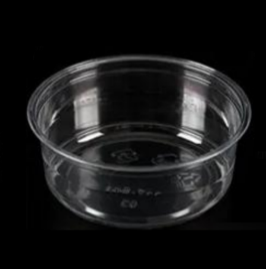
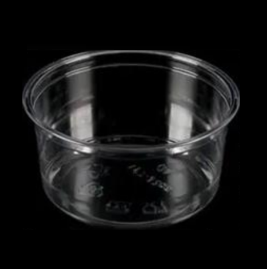
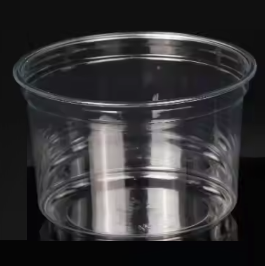
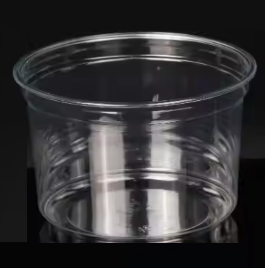
PLA Bowl

DAILYECO, Your Professional PLA Bowl Manufacturer

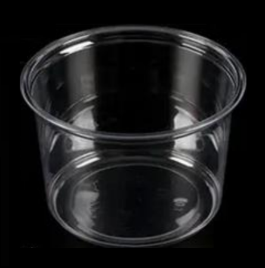
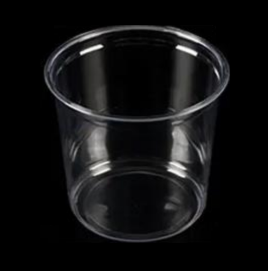
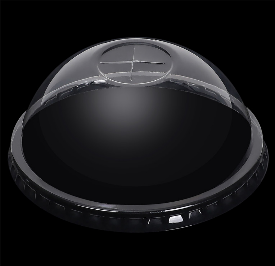
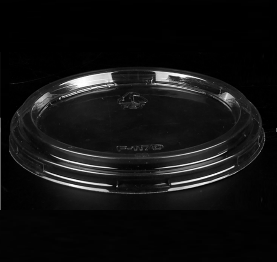
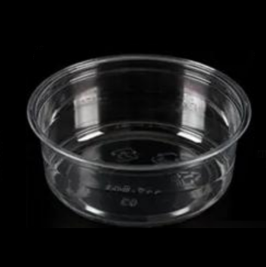
Clear PLA Bowl sizes with 117mm dome and flat lids for cold foodservice

Key Facts About PLA Bowl

Item

Information

Product Name

PLA Bowl

Material

PLA (polylactic acid); exact resin grade and documentation should be confirmed for the selected SKU

Available Bowl Capacities

300ml, 350ml, 440ml, 450ml, 500ml, 600ml, and 700ml

Series Diameter

117mm rim series; catalog bowl dimensions list 117 × 96mm with model-specific heights

Catalog Lid Options

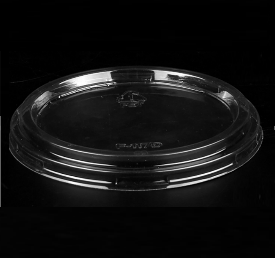
117mm dome lid, 117mm flat lid, and 117mm flat lid with double holes

Typical Applications

Cold salads, fruit, desserts, yogurt, chilled noodles, deli foods, snacks, and grab-and-go display

Appearance

Clear molded structure designed to support product visibility

Packing

10 pieces per bag, 50 bags per carton, 500 pieces per carton

Customization

OEM, ODM, Private Label, labels, sleeves, cartons, barcodes, and market-specific packing subject to project review

Buyer Documentation

Product specification, material declaration, food-contact documentation, and applicable environmental documentation

Supply Type

Manufacturer and export supply partner


A PLA Bowl is a clear disposable food container molded from polylactic acid. The current DAILYECO catalog provides seven bowl capacities and three 117mm lid configurations, enabling buyers to build a coordinated range around one rim series.

The catalog does not state one universal temperature limit, microwave status, freezer status, leakage rating, or compostability certificate for every item. These conditions must therefore be confirmed for the exact SKU, food type, contact time, destination market, and supporting documentation before publication or purchase.

What Are PLA Bowls? 

PLA Bowls are transparent molded food containers made from PLA, or polylactic acid, a biobased polymer commonly produced from fermented plant sugars. The exact feedstock, resin grade, additives, biobased content, and finished-product composition should be confirmed through the relevant material and product documentation.

A Clear PLA Bowl is generally selected when food visibility is important. Its transparent wall allows salads, fruit, yogurt, parfaits, desserts, chilled noodles, snacks, and prepared deli foods to remain visible in display cabinets, takeaway counters, and retail grab-and-go programs.

PLA should not be treated as identical to PET, PP, or high-heat CPLA. Standard clear PLA products are commonly evaluated for chilled or cold food applications, while hot-food, microwave, freezer, and extended liquid-contact performance must be verified for the exact bowl and lid combination.

A Compostable PLA Bowl claim is appropriate only when the finished bowl is covered by applicable test evidence or certification and the required industrial composting conditions are clearly stated. The material name alone does not prove that every finished item is certified, home compostable, recyclable, or accepted by local waste facilities.

What Are the Key Features of PLA Bowls?

Feature

Buyer-Relevant Performance

What to Confirm Before Ordering

Clear Appearance

Supports visible presentation of chilled foods

Clarity, haze, surface marks, and display conditions

Coordinated Size Range

Seven capacities from 300ml to 700ml

Actual fill volume, portion weight, and product code

117mm Rim Series

Simplifies lid planning across catalog models

Exact rim engagement and approved bowl-lid codes

Three Lid Formats

Dome, flat, and double-hole flat options

Headspace, venting, topping clearance, and transport test

Lightweight Construction

Catalog bowl weights range from 10g to 16g

Weight tolerance, rigidity, and nesting performance

Cold Food Presentation

Suitable starting point for salads, fruit, desserts, and deli display

Food temperature, contact time, acidity, oil, and condensation

Food Contact

Documentation can be reviewed by market and intended use

Report scope, migration conditions, food type, and temperature

Environmental Positioning

PLA can support a documented biobased-material story

Finished-item certification and local disposal route

Customization

Private Label and export packing support

MOQ, artwork, label, sleeve, carton, sampling, and lead time


The commercial value of a Disposable PLA Bowl comes from matching a defined food, service temperature, holding period, lid, display condition, and disposal message—not from the material name alone.

Clear PLA Bowl rim, transparent wall, nesting structure, and 117mm lids

Why Are PLA Bowls Becoming Popular Worldwide? 

Foodservice and retail buyers often evaluate PLA Bowls when they need clear product visibility, lightweight handling, coordinated lids, and a documented biobased-material option for chilled food packaging.

For salad bars, cafés, supermarkets, caterers, dessert brands, and grab-and-go programs, transparent packaging helps customers see color, freshness, layering, toppings, and portion size before purchase. A common 117mm rim can also simplify lid planning across several bowl capacities when compatibility has been approved.

The category should still be specified market by market. Food-contact rules, single-use plastic policies, accepted environmental wording, industrial composting access, and waste-facility acceptance differ by location. A responsible PLA Bowl Manufacturer should help buyers confirm the product, documents, lid, test conditions, label wording, and disposal route for each project.

Industry Insights & Market Trends

The market for clear biobased food packaging is becoming more specification-driven. Professional buyers increasingly compare actual item performance, material traceability, finished-product documentation, carton efficiency, lid compatibility, and end-of-life communication before approving a PLA Bowl.

This shift favors manufacturers that can explain which resin grade is used, how the bowl is formed, what temperature and food-contact conditions apply, which lids fit, and what evidence supports any compostability or environmental statement.

Buyers comparing PLA Bowl specifications, lids, packing, and documentation

Global Market Overview

Demand for Wholesale PLA Bowls varies by country and channel because food-contact requirements, single-use product rules, industrial composting infrastructure, labeling expectations, and accepted disposal claims are not uniform.

  • North American programs may request product-level food-contact documentation and clear commercial-composting qualifications where a compostability claim is used.
  • European projects commonly require food-contact compliance review, accurate material identification, traceability, and carefully qualified end-of-life wording.
  • Australia and New Zealand buyers may assess cold-food performance together with applicable packaging policies and certified disposal communication.
  • Middle Eastern buyers may emphasize chilled transport, hospitality presentation, export packing, and supply continuity.
  • Asian buyers may prioritize competitive packing, repeatable production, product clarity, rapid replenishment, and market-specific import requirements.

Key Industry Trends

Greater Material Transparency

Buyers increasingly distinguish PLA resin, finished-product formulation, additives, and verified biobased content instead of relying on the phrase ‘plant-based plastic’.

Application-Specific Temperature Control

Cold display, refrigerated storage, room-temperature holding, transport, and condensation are evaluated as separate conditions rather than covered by one broad temperature claim.

Qualified Compostability Communication

Professional brands identify the exact certified item, applicable standard, industrial or home composting route, and local acceptance conditions.

Common-Rim Portfolio Planning

A shared 117mm rim can reduce lid complexity across several bowl heights when exact compatibility is confirmed.

Retail and E-Commerce Readiness

Barcodes, retail labels, tamper-evidence requirements, carton artwork, product photography, and pack configuration are increasingly planned before sampling.

Brand Differentiation Through Packaging

For distributors and Private Label brands, differentiation can come from a coherent size range, consistent clarity, reliable lid matching, accurate product naming, retail-ready labels, carton graphics, and transparent environmental communication.

Because the bowl wall itself is clear, branding may be coordinated through labels, sleeves, bags, inserts, cartons, shelf presentation, or approved printing methods rather than assumed to work like printing on paperboard.

Regional Market Focus

Region

Typical Buyer Focus

North America

Food-contact documentation, cold-use performance, commercial-composting claim scope, and packing efficiency

Europe

Food-contact compliance, material traceability, single-use product rules, and substantiated end-of-life wording

Australia & New Zealand

Application performance, packaging policy requirements, certified claims, and disposal communication

Middle East

Chilled transport, hospitality presentation, export packing, and supply continuity

Asia

Cost efficiency, stable quality, clarity, rapid replenishment, and destination-specific requirements


This table is a procurement guide rather than a substitute for current legal review in the destination market.

What This Means for Buyers

Professional sourcing decisions should approve the complete bowl, lid, material, packing, documentation, application, and disposal-communication package.

  • Controlled dimensions, weight, capacity, and rim specification
  • Verified bowl-and-lid compatibility for the selected product codes
  • Application testing with the actual chilled food and service workflow
  • Food-contact documentation mapped to the intended use conditions
  • Qualified environmental statements supported by the finished item
  • Stable packing quantities, carton configuration, and traceability
  • Clear OEM, Private Label, sample, inspection, and change-control procedures

Which Material Is Right for Your Business?

The right bowl material depends on food temperature, contact time, clarity, barrier needs, microwave or freezer requirements, local rules, disposal infrastructure, and brand objectives. No material is automatically best for every application.

Choose PLA Bowls If You:

  • Need clear presentation for chilled salads, fruit, desserts, yogurt, snacks, or deli foods.
  • Want a coordinated 300ml–700ml range using a catalog-listed 117mm rim series.
  • Can verify the exact temperature, food-contact, lid, and disposal conditions before use.
  • Need a biobased-material option and will use compostability wording only when product-level evidence supports it.

Choose PET Bowls If You:

  • Prioritize high clarity and a conventional recycling route accepted in the target market.
  • Need temperature or impact performance supported by a specific PET grade and product test.

Choose PP Bowls If You:

  • Require a product grade designed for defined hot-food, microwave, or freezer conditions.
  • Can accept an opaque or translucent appearance where clear display is not the main priority.

Choose Paper Bowls If You:

  • Need a large printable sidewall for branding and menu communication.
  • Can verify the barrier coating, lid, leakage performance, and end-of-life route.

Choose Bagasse Bowls If You:

  • Prefer a molded-fiber appearance and can verify heat, grease, liquid, and microwave performance for the exact item.
  • Do not require the transparent food display offered by a Clear PLA Bowl.

Procurement Recommendations by Market

Application or Priority

Material to Evaluate

Primary Verification Point

Clear chilled-food display

PLA or PET

Temperature, clarity, condensation, and local disposal route

Industrial-compostability program

Certified finished PLA item

Certificate scope, standard, item code, and accepted facility

Microwave or hot meal service

Tested PP, CPLA, paper, or bagasse

Exact temperature, time, food load, and lid

Premium printed branding

Paper or sleeved/labeled PLA

Print method, label adhesion, condensation, and artwork

Long liquid contact or retail shelf life

Specialized barrier structure

Migration, sealing, shelf-life, and distribution tests


DAILYECO’s Complete PLA Bowl Categories Will Cover All Your Sales and On-Site Application Needs

DAILYECO’s current PLA Bowl catalog includes seven transparent bowl capacities and three 117mm lid options. The series supports portion service, desserts, yogurt, fruit, salads, chilled noodles, deli display, catering, takeaway, and retail grab-and-go programs.

Pictures

Name

Size

Weight (g)

Pcs/Bag

Bags/CTN

Pcs/CTN

Carton L (cm)

Carton W (cm)

Carton H (cm)

117-8oz A PLA Bowl

117*96*39mm
300ml

10

10

50

500

61

25

40

117-8oz B PLA Bowl

117*96*45mm
350ml

10

10

50

500

61

25

37

117-12oZ A PLA Bowl

117*96*55mm
440ml

12

10

50

500

61

25

42

117-12oZ B PLA Bowl

117*96*60mm
450ml

12

10

50

500

61

25

50

117-12oz C PLA Bowl

117*96*64mm
500ml

12

10

50

500

61

25

51

117-16oz PLA Bowl

117*96*75mm
600ml

14

10

50

500

61

25

45

117-24oz PLA Bowl

117*96*108mm
700ml

16

10

50

500

61

25

49

117 Dome lid

117mm

6

10

50

500

63

26

31

117 Flat lid

117mm

5

10

50

500

63

26

26

117 Flat lid with double holes

117mm

5

10

50

500

63

26

30

Get Latest Catalog

What Is the Application of PLA Bowls?

PLA Bowls are commonly evaluated for chilled foodservice, takeaway, catering, retail display, and grab-and-go programs where clear presentation is commercially important. Suitability depends on the exact resin grade, food temperature, acidity, oil level, contact time, lid, condensation, stacking, and transport conditions.

The following scenarios identify practical starting sizes and the tests buyers should complete before final approval.

Clear PLA Salad Bowls for deli and cold salad service(图A1)

Cold Salad & Deli Service

Salad bars, delis, cafés, and fast-casual operators use clear bowls to display vegetables, grains, proteins, toppings, dressings, and portion size. Separate sauce cups or controlled dressing contact may be considered where extended acidic or oily contact is expected.

Typical Requirements

  • Clear food presentation
  • Controlled chilled temperature
  • Lid fit and stacking
  • Condensation management
  • Delivery and holding test

Recommended Sizes

350ml · 440ml · 450ml · 500ml · 600ml · 700ml

Office Meal Programs

Corporate cafeterias, co-working spaces, and office meal providers may use PLA Bowls with Lids for chilled breakfasts, fruit, yogurt, desserts, side salads, and prepared cold meals.

Typical Requirements

  • Standardized product codes
  • Easy portion planning
  • Clean professional appearance
  • Reliable replenishment
  • Clear disposal instructions

Recommended Sizes

300ml · 350ml · 440ml · 500ml

PLA Bowls used in office chilled meal programs(图A2)
PLA Bowls for conference and exhibition catering(图A3)

Conference & Exhibition Catering

Conferences, exhibitions, seminars, and trade events require rapid service, stable packing, and consistent presentation for salads, fruit, desserts, snacks, and tasting portions.

Typical Requirements

  • Fast distribution
  • Pre-packed chilled service
  • Consistent portion size
  • Stackable presentation
  • Event labels or sleeves

Recommended Sizes

300ml · 350ml · 440ml · 450ml

Hotel & Guest Hospitality

Hotels may use transparent bowls for breakfast buffets, executive lounges, conferences, poolside chilled snacks, minibar programs, staff dining, and selected room-service support.

Typical Requirements

  • Premium clear appearance
  • Food-contact documentation
  • Cold-chain control
  • Reliable lid matching
  • Stable year-round supply

Recommended Sizes

300ml · 350ml · 450ml · 500ml

PLA Bowls for hotel breakfast and hospitality applications(图A4)
PLA Bowls for airport and railway chilled foodservice(图A5)

Transportation & Travel Foodservice

Airports, railway stations, service areas, and travel caterers may use Clear PLA Bowls for chilled meals and snacks where customers need to see the contents before purchase.

Typical Requirements

  • Secure lid retention
  • Stack stability
  • Lightweight handling
  • Cold display performance
  • Clear product identification

Recommended Sizes

350ml · 440ml · 500ml · 600ml

Quick-Service & Grab-and-Go Restaurants

Quick-service restaurants and grab-and-go counters prioritize standardized portions, rapid packing, clear item identification, and dependable bowl-and-lid preparation.

Typical Requirements

  • Fast portioning
  • Standard product codes
  • Repeatable lid fit
  • Barcode or label coordination
  • Cold holding control

Recommended Sizes

300ml · 350ml · 450ml · 500ml · 600ml

PLA Bowls for quick-service and grab-and-go meals(图A6)
PLA Salad Bowls with lids for chilled food delivery(图A7)

Food Delivery Platforms

Delivery applications require testing of the bowl, food, lid, secondary bag, stacking height, route time, orientation, and rider movement. Clear walls support item verification, but they do not replace functional transport testing.

Typical Requirements

  • Lid-retention test
  • Condensation management
  • Stacking and bag fit
  • Route-time validation
  • Clear order identification

Recommended Sizes

440ml · 450ml · 500ml · 600ml · 700ml

Outdoor Events & Seasonal Promotions

Festivals, markets, sporting events, pop-ups, and seasonal promotions may use clear bowls for chilled desserts, fruit, salads, and snacks. Labels, sleeves, and retail packs can support temporary campaigns.

Typical Requirements

  • Easy transport
  • Fast replenishment
  • Visible product presentation
  • Event-specific labels
  • Waste-stream communication

Recommended Sizes

300ml · 350ml · 440ml · 450ml · 500ml

Custom labeled PLA Bowls for outdoor events and seasonal promotions(图A8)

PLA Bowls vs Other Disposable Food Bowls

Material comparison should begin with the intended food, temperature, contact time, visibility requirement, barrier performance, lid, and local disposal route. The following comparisons are purchasing guides rather than universal performance guarantees.

PLA Bowls vs PET Bowls

Factor

PLA Bowl

PET Bowls

Primary Material

PLA biopolymer

PET resin

Appearance

Clear

Clear

Typical Starting Use

Chilled food display

Cold food and retail display

Heat Performance

Grade-specific; standard clear PLA is generally evaluated for lower temperatures

Grade-specific; verify product limits

Industrial Compostability

Only when the finished item is certified/evidenced

Generally not compostable

Recycling

Depends on local PLA collection and processing

Depends on local PET acceptance and item format

Best Evaluation

Application, document, and disposal review

Application, resin, and recycling review


PLA Bowls vs PP Bowls

Factor

PLA Bowl

PP Bowls

Appearance

Clear

Clear, translucent, or opaque

Typical Starting Use

Chilled display

Cold or hot use depending on grade

Microwave Potential

Do not assume; exact test required

Possible for suitable tested grades

Heat Resistance

Formulation-specific

Often broader for selected foodservice grades

Environmental Claim

Biobased and compostability claims require evidence

Usually fossil-based unless documented otherwise

Best Evaluation

Clarity, temperature, and disposal route

Temperature, sealing, and use conditions


PLA Bowls vs Paper Bowls

Factor

PLA Bowl

Paper Bowls

Appearance

Transparent molded wall

Opaque printable sidewall

Branding

Labels, sleeves, packs, or approved decoration

Large printable surface

Food Visibility

Excellent

Limited

Barrier

Product-specific

Coating-specific

Compostability

Finished-item evidence required

Depends on paper, coating, inks, and finished-item certification

Best Evaluation

Display and temperature

Print, coating, leakage, and disposal


PLA Bowls vs Bagasse Bowls

Factor

PLA Bowl

Bagasse Bowls

Primary Material

PLA biopolymer

Molded sugarcane fiber

Appearance

Clear and smooth

Opaque natural-fiber texture

Food Display

Excellent

Food is not visible through the wall

Hot Food Potential

Do not assume for standard clear PLA

May suit selected hot-food uses when tested

Microwave Potential

Product-specific; not assumed

Product-specific; often evaluated for short heating

Compostability

Finished-item certification required

Finished-item certification required


PLA Bowls vs Reusable Bowls

Factor

PLA Bowl

Reusable Bowls

Service Model

Single-use foodservice

Return-and-reuse system

Customer Return

Not required

Required

Washing Infrastructure

Not required

Required

Food Visibility

Clear

Depends on material

Operational Burden

Waste-stream management

Collection, washing, inspection, and loss control

Best Evaluation

Application and disposal system

Reuse cycles and total system operation

Who Usually Buys PLA Bowls? 

PLA Bowls are primarily sourced by B2B buyers that need clear chilled-food packaging, controlled specifications, dependable lids, export packing, and documentation. Each buyer group evaluates the range from a different operational perspective.

Importer comparing PLA Bowl specifications and export packing(图B1)

Importers

Importers evaluate destination-market documentation, landed cost, carton utilization, production timing, shipping marks, and supplier communication. They should request controlled product codes and bowl-lid samples before approving the range.

Packaging Distributors

Distributors need predictable replenishment, low breakage, clear product naming, efficient cartons, and a practical size architecture. A common 117mm rim may help simplify lid planning when compatibility is verified.

Distributor inventory of PLA Bowls and 117mm lids(图B2)
Foodservice team testing PLA Bowls with real chilled foods(图B3)

Foodservice Procurement Teams

Restaurant, café, salad-bar, and catering procurement teams focus on food presentation, portion control, chilled holding, lid fit, staff handling, delivery testing, and complaint reduction.

Brand Owners

Brand owners consider visible food quality, environmental wording, label design, retail presentation, customer experience, and launch timing. Claims and instructions should match the approved product documentation.

Brand team reviewing Private Label PLA Bowl packaging(图B4)
Private Label PLA Bowl packaging approval(图B5)

Private Label Packaging Companies

Private Label companies require confidentiality, artwork control, barcode accuracy, pilot approval, documented change control, carton specifications, and approved samples for bowls and lids.

Foodservice Supply Companies

Foodservice suppliers need products that fit existing sales channels, clear case-pack information, simple product education, repeatable supply, and practical application guidance.

Foodservice supplier preparing PLA Bowl wholesale orders(图B6)
Hospitality procurement review of PLA Bowls(图B7)

Hospitality Procurement Companies

Hotels, resorts, and conference buyers balance guest presentation, cold-chain control, storage, documentation, and stable availability for breakfast, lounge, catering, and event applications.

E-commerce Packaging Brands

Online brands need retail-ready packs, accurate photography, durable parcel packaging, product instructions, barcode control, and consistent specifications for marketplace listings.

E-commerce retail packs of PLA Bowls(图B8)

Is PLA Bowl Right for Your Application?

A PLA Bowl may be suitable when a buyer needs transparent chilled-food presentation and can validate the exact material, temperature, food-contact, lid, transport, and disposal conditions.

Application Requirement

Initial Recommendation

Required Confirmation

Fruit, desserts, yogurt, and small portions

300ml or 350ml bowl

Actual fill volume, temperature, and lid headspace

Regular salads and chilled noodles

440ml, 450ml, or 500ml bowl

Food weight, dressing contact, condensation, and lid fit

Large salads and catering portions

600ml or 700ml bowl

Stacking, center-of-gravity, and transport movement

Extra topping clearance

Dome lid

Total food height, stacking, and lid retention

Low-profile display

Flat lid

Rim engagement and food clearance

Vented application

Double-hole flat lid

Purpose of holes, leakage path, and transport orientation

Hot food or microwave use

Evaluate another tested structure or exact approved grade

Temperature, time, food load, and finished-product test

Compostability claim

Only an evidenced or certified finished SKU

Standard, item code, certificate scope, and accepted facility


Key Buyer Questions Before Purchasing PLA Bowls

How should I evaluate a PLA Bowl Manufacturer before placing an order?

Review the manufacturer’s experience with clear molded food packaging, relevant equipment, resin and lot controls, specifications, Quality Control, traceability, export packing, documentation, customization, and change-management procedures. Verify which production steps are performed in-house and which are outsourced.


What information should be included in my RFQ?

Specify the catalog model, nominal and working volume, intended food, filling temperature, holding time, lid format, order quantity, annual forecast, destination, label or sleeve requirements, retail packing, compliance-document needs, delivery schedule, and preferred Incoterm.


How should I compare quotations from different suppliers?

Normalize every quotation to the same resin grade, dimensions, unit weight, tolerances, clarity requirement, pack count, carton size, lid code, MOQ, tooling, label, inspection, and shipping term. Prices are not comparable when the product and packing specifications differ.


Which samples should be approved before mass production?

Approve the bowl, each required lid, representative application-test set, label or sleeve, retail pack, carton proof, and pre-production sample. The final approved samples should be linked to controlled product codes and specifications.


How should OEM and Private Label projects be managed?

Create a written approval register covering the bowl, lid, color, label, sleeve, artwork, barcode, bag, retail pack, carton, shipping mark, regulatory wording, approver, version, tolerance, and approval date.


How can buyers confirm production capacity and lead time?

Request capacity for the selected SKU and production period rather than one factory-wide number. Confirm resin availability, packaging-material lead time, tooling, production slot, inspection window, packing time, loading date, and the effect of artwork or sample delays.


What should be included in the Quality Control plan?

Define checks for resin identity, lot status, dimensions, weight, clarity, haze, black spots, scratches, deformation, rim condition, nesting, lid fit, application performance, pack count, carton condition, and batch identification. Agree tolerances and acceptance criteria before production.


How should pre-shipment inspection be arranged?

Identify the purchase order, SKU, quantity, approved sample, controlled specification, sampling level, defect classification, functional tests, packing requirements, inspection party, and release authority.


Which production and export records should be supplied?

Depending on the order, records may include the approved specification, material declaration, batch identification, inspection report, packing list, commercial invoice, certificate of origin where required, carton marks, loading record, and applicable product documentation.


How should changes, delays, and quality claims be handled?

Require written approval for changes to resin, additives, dimensions, color, mold, lid, label, artwork, pack count, carton, quantity, or schedule. Define retained samples, evidence requirements, notification deadlines, corrective action, replacement, and claim-resolution responsibilities.

PLA Bowl procurement, production approval, and export documentation review

When PLA Bowls May Not Be the Best Choice

Transparent discussion of limitations helps buyers avoid application failures and select a more appropriate structure.

Hot-Food or High-Temperature Applications

Do not assume that a standard clear PLA Bowl is suitable for hot filling, oven use, microwave heating, or high-temperature holding. Evaluate a product designed and tested for the required temperature and time.

Long-Term Liquid Storage

The catalog range should be evaluated as foodservice packaging rather than assumed to support filled retail shelf life, pasteurization, retort, or extended liquid storage. These uses require separate migration, sealing, and shelf-life assessment.

Applications Requiring Impact Resistance at Low Temperature

Freezer performance should not be assumed. Product-specific testing should evaluate brittleness, cracking, dimensional change, condensation, and lid engagement after storage and thawing.

Markets Without a Suitable Disposal Route

A certified industrially compostable item may still be unsuitable for a market where local facilities do not accept it. Disposal communication must reflect the actual local collection system.

Applications Requiring Large Printed Surfaces

A transparent molded bowl offers limited direct print area compared with paperboard. Labels, sleeves, inserts, cartons, or other approved branding methods may be more appropriate.

What Is the Processing to Manufacture PLA Bowls? 

The exact route depends on the selected PLA resin, additives, forming technology, tooling, and finished-product requirements. A typical clear PLA Bowl process includes resin approval, drying, forming, trimming, conditioning, inspection, and packing.

PLA resin selection for clear PLA Bowls(图P1)

Step 1 – PLA Resin Selection

The resin grade is selected according to clarity, forming method, rigidity, food type, target temperature, contact time, and destination documentation. The approved material specification should identify the grade, supplier, lot controls, and permitted additives.

Step 2 – Material Drying & Preparation

PLA resin is prepared under controlled conditions. Moisture management is important because inconsistent drying can affect processing stability, clarity, surface appearance, brittleness, and dimensional consistency.

Drying and preparing PLA resin for bowl forming(图P2)
PLA sheet preparation and thickness control(图P3)

Step 3 – Sheet Extrusion or Prepared-Sheet Control

Where sheet is produced in-house, resin is melted and extruded into controlled sheet thickness. Where prepared sheet is purchased, incoming identity, thickness, appearance, lot information, and document status should be verified.

Step 4 – Thermoforming & Trimming

The clear sheet is heated within a controlled process window and formed in the approved mold. Trimming defines the rim, profile, and individual bowl shape. Process settings are adjusted to maintain dimensions, clarity, wall distribution, rim quality, and nesting.

Thermoforming process for clear PLA Bowls(图P4)
Quality Control inspection of PLA Bowls and lids(图P5)

Step 5 – Inspection & Quality Control

Operators and inspectors verify appearance, dimensions, weight, clarity, surface marks, deformation, rim integrity, nesting, lid engagement, and agreed application performance. Nonconforming product is segregated under the factory control procedure.

Step 6 – Packaging & Export

Approved products are counted, bagged, placed in export cartons, labeled, and palletized where required. Product code, batch, pack count, carton mark, barcode, customer artwork, and loading plan are checked before shipment.

Packaging and export preparation for PLA Bowls(图P6)

How to Choose the Right PLA Bowl Manufacturer? 

A reliable PLA Bowl Manufacturer should be evaluated on item-level technical control, material traceability, clarity and forming capability, documentation, capacity, customization, packing, and export execution—not on quotation price alone.

Manufacturing Experience

Choose a manufacturer with proven experience in transparent molded food packaging. Verify relevant PLA material approval, sheet or forming process, mold control, maintenance, finished-goods handling, and whether each operation is performed in-house or outsourced.

Production Capacity

Compare normal and peak output for the selected SKU, resin and sheet lead time, tooling availability, planned maintenance, production cycle, packing capacity, and available slots. Capacity should be confirmed for the required period.

Product Quality Management

Review the controlled specification, inspection standard, measuring equipment, clarity and appearance criteria, application tests, nonconformance procedure, batch traceability, retained samples, and pre-shipment inspection options.

Customization Capability

Confirm which labels, sleeves, packs, cartons, colors, structures, and molds can be customized. Clarify tooling ownership, artwork approval, barcode verification, pilot run, MOQ, lead time, and change control.

Food Contact & Compliance Support

The supplier should map food-contact reports, material declarations, and environmental documentation to the relevant resin and finished item. Generic certificates without clear product scope should be treated only as supporting information.

Export Experience

Evaluate document accuracy, carton marks, palletization, container loading, time-zone communication, third-party inspection coordination, and customer-specific shipping requirements.

Technical Support

A professional supplier should help buyers select capacity, choose the lid, plan application tests, optimize cartons, review material claims, and define the approval file before purchase orders are released.

Customer Service

Evaluate quotation response, sample coordination, dedicated account support, artwork approval, production updates, inspection communication, shipping follow-up, complaint handling, and controlled-record maintenance.

Pre-Purchasing Checklist for Buyers 

Complete this checklist before approving a sample, purchase order, or production instruction for PLA Bowls.

  • Catalog model, nominal capacity, and practical fill line
  • Top diameter, bottom diameter, height, and unit weight
  • Dimensional and weight tolerances
  • PLA resin grade, material declaration, and lot control
  • Food type, temperature, contact time, acidity, and oil level
  • Clarity, haze, color, black-spot, scratch, and deformation criteria
  • Exact lid type, product code, headspace, venting, and fit
  • Stacking, refrigerated display, condensation, and transport performance
  • Microwave, freezer, and hot-use status where relevant
  • Food-contact documentation and intended conditions of use
  • Compostability or environmental claim scope where relevant
  • Pack count, carton dimensions, gross weight, CBM, pallet, and loading plan
  • Label, sleeve, barcode, retail pack, artwork, and carton approval
  • MOQ, tooling, sample, production, inspection, and shipment schedule
  • Inspection standard, batch traceability, retained sample, and claims process
  • Payment terms, Incoterm, change control, and destination requirements

A signed specification, approved bowl-and-lid samples, and an agreed inspection standard should control production. Email descriptions alone are not a complete approval file.

Choose DAILYECO to Be Your Professional PLA Bowl Manufacturer

DAILYECO PLA Bowl manufacturing and quality inspection facility

DAILYECO supports importers, distributors, foodservice companies, hospitality groups, retail packaging brands, and Private Label customers sourcing PLA Bowls for international markets.

The cooperation process can cover application review, catalog model selection, bowl and lid confirmation, sampling, packaging development, production, inspection, documentation, and shipment coordination.

Factory Capability

DAILYECO PLA Bowl Capability

Catalog-Based Description

Material

PLA; exact grade and supporting documentation confirmed by selected item

Monthly Capacity

50-55 containers for full PLA bowls and cup products

Catalog Bowl Range

Seven bowl models from 300ml to 700ml

Rim Series

117mm series for bowls

Catalog Lid Range

117mm dome lid, flat lid, and flat lid with double holes

Standard Packing

10 pcs/bag, 50 bags/CTN, 500 pcs/CTN

OEM

Label, sleeve, retail pack, barcode, carton artwork, and shipping-mark coordination

ODM

Specification or new-product development subject to technical and commercial review

Production MOQ

Confirmed by SKU, material, stock status, customization, packing, and tooling

Lead Time

Confirmed after sample, artwork, material, production-slot, and packing review

Technical Support

Product selection, sample evaluation, lid planning, packing review, and destination-document coordination


Compliance & Documentation Support

DAILYECO can coordinate available product specifications, material declarations, food-contact reports, factory audit information, and applicable environmental documentation according to the selected item and destination market.

  • Food-contact documentation and stated conditions of use
  • Material composition or declaration where available
  • Finished-product or component reports within their stated scope
  • Applicable industrial-compostability documentation for covered items only
  • Factory audit and third-party inspection coordination

VIEW OUR COMPLIANCE & CERTIFICATION SUPPORT PAGE 

Customization Services

  • Custom product and packaging specifications
  • Private-label labels, sleeves, bags, inserts, cartons, and retail packs
  • Logo, artwork, barcode, QR code, shipping mark, and language coordination
  • New mold or structure development subject to feasibility review
  • E-commerce and Amazon-ready packaging preparation
  • Pilot production and approved-sample control where required

Export Experience

Export support can include order coordination, carton and shipping-mark review, commercial documentation, inspection scheduling, pallet or floor-loading planning, container loading, and shipment communication subject to customer and destination requirements.

Customer Service

International sales and technical teams can support product selection, sample arrangement, artwork approval, production updates, inspection coordination, shipment preparation, and after-sales follow-up throughout the project lifecycle.

Continuous Product Development

Product development should focus on verified improvements in size architecture, lid compatibility, clarity, wall consistency, stacking, packing density, application performance, traceability, and claim accuracy. A custom PLA Bowl should be introduced only after technical and commercial approval.
REQUEST A QUOTE

Case Study

Case 1Healthy Meal Brand Completed a 100,000-Set 500 ml PLA Bowl Project

Customer Background

A healthy-meal brand required 100,000 sets of clear PLA bowls with lids for salads, fruit, cold noodles and other refrigerated takeaway meals.

Challenge

The customer needed a transparent container that provided sufficient capacity for standard meal portions while maintaining secure lid engagement, stable stacking and predictable export packing.

DAILYECO Solution

DAILYECO selected the 117-12 oz C PLA bowl, with a 500 ml capacity, dimensions of 117 × 96 × 64 mm and a unit weight of 12 g. The bowl was paired with the 117 mm flat lid weighing 5 g. Both products were packed according to the catalog configuration of 500 pieces per carton.

Results

The completed project included 100,000 bowls and 100,000 matching flat lids:

  • PLA Bowls: 200 cartons
  • Flat Lids: 200 cartons
  • Total Cartons: 400
  • Calculated Shipment Volume: Approximately 24.07 m³
  • Calculated Product Net Weight: Approximately 1,700 kg

Key Takeaways

Selecting a bowl and lid with the same 117 mm fitting system simplifies specification confirmation while supporting accurate carton, loading-volume and product-weight calculations.

Case 2Foodservice Distributor Consolidated Three PLA Bowl Sizes Under One Lid System

Customer Background

A foodservice packaging distributor required a coordinated range of clear PLA bowls for snacks, salads, fruit, desserts and larger cold-meal portions.

Challenge

The distributor needed multiple capacities without maintaining a different lid specification for every bowl size. Product differentiation, lid compatibility and export-carton planning had to be coordinated within one purchasing program.

DAILYECO Solution

DAILYECO organized the range around three bowl specifications sharing the 117 mm rim and matching flat lid:

  • 117-8 oz A PLA Bowl: 300 ml, 117 × 96 × 39 mm, 10 g
  • 117-12 oz C PLA Bowl: 500 ml, 117 × 96 × 64 mm, 12 g
  • 117-24 oz PLA Bowl: 700 ml, 117 × 96 × 108 mm, 16 g
  • 117 mm Flat Lid: 5 g

The order included 50,000 bowls of each capacity and 150,000 flat lids.

Results

The complete mixed-size order was configured as follows:

  • 300 ml PLA Bowls: 100 cartons
  • 500 ml PLA Bowls: 100 cartons
  • 700 ml PLA Bowls: 100 cartons
  • Flat Lids: 300 cartons
  • Total Cartons: 600
  • Calculated Shipment Volume: Approximately 34.13 m³
  • Calculated Product Net Weight: Approximately 2,650 kg

Key Takeaways

Using one compatible 117 mm lid across several PLA bowl sizes can simplify purchasing, warehouse identification and replenishment while allowing distributors to serve different portion requirements.

Case 3:Dessert and Fruit Retailer Completed a 120,000-Set PLA Bowl and Dome-Lid Project

Customer Background

A dessert and fresh-fruit retailer required 120,000 clear PLA bowl and dome-lid sets for layered desserts, fruit salads and presentation-focused chilled foods.

Challenge

The packaging needed sufficient vertical space to protect toppings and improve product visibility. The customer also required confirmed product dimensions, carton quantities and shipment volume before placing the order.

DAILYECO Solution

DAILYECO selected the 117-16 oz PLA Bowl with a 600 ml capacity, dimensions of 117 × 96 × 75 mm and a unit weight of 14 g. The bowl was paired with the 117 mm dome lid weighing 6 g. Each product was packed at 500 pieces per carton.

Results

The completed project included 120,000 bowls and 120,000 matching dome lids:

  • 600 ml PLA Bowls: 240 cartons
  • Dome Lids: 240 cartons
  • Total Cartons: 480
  • Calculated Shipment Volume: Approximately 28.66 m³
  • Calculated Product Net Weight: Approximately 2,400 kg

Key Takeaways

A matching dome lid provides additional headspace for desserts, fruit and foods with raised toppings, while catalog-based packing data supports more accurate purchasing and container-loading preparation.

FAQ

What is PLA made from?

PLA is a biobased polymer commonly produced from fermented plant sugars. The exact feedstock, resin grade, additives, biobased content, and finished-product formulation should be confirmed through product documentation.


Which lids are available?

The catalog lists three 117mm PLA lids: a dome lid, a flat lid, and a flat lid with double holes. Approve compatibility by exact bowl and lid product code rather than diameter alone.


What are PLA Bowls commonly used for?

Typical starting applications include cold salads, fruit, yogurt, parfaits, desserts, chilled noodles, deli foods, snacks, and refrigerated grab-and-go products.


Can a PLA Bowl hold hot food?

Hot-food suitability should not be assumed. It depends on the PLA grade, bowl design, filling temperature, contact time, food load, and lid. Use a claim only after the exact finished product has been tested under the intended conditions.


Is a PLA Bowl suitable for cold food?

Clear PLA bowls are commonly evaluated for chilled or cold food display. Buyers should still verify the exact temperature range, holding time, condensation, food composition, and transport conditions.


Is a PLA Bowl microwave safe?

Microwave safety should not be assumed from the material name. The exact bowl must be tested for microwave power, time, food load, starting temperature, and deformation before a microwave-safe claim is used.


Can a PLA Bowl be used in a freezer?

Freezer suitability is product-specific. Testing should assess brittleness, cracking, dimensional change, condensation, food type, storage duration, thawing method, and lid fit.


Is a PLA Bowl leakproof?

Leak resistance is an application result rather than a universal material property. Test the complete bowl-and-lid set with the intended food, dressing, liquid, temperature, holding time, stacking load, and delivery movement.


Can PLA Bowls hold oily or acidic food?

Suitability depends on the complete formulation, oil level, acidity, temperature, contact time, bowl structure, and lid. Test the actual meal or ingredient rather than relying on water-only tests.


Are PLA Bowls transparent?

The catalog products are presented as clear molded bowls. Buyers should approve clarity, haze, color, surface marks, condensation, and display performance using representative production samples.

Is a PLA Bowl safe for food contact?

Food-contact suitability must be supported by documentation applicable to the exact material or finished item, intended food type, temperature, and contact time. View our Compliance & Certification Support page for available documentation and applicable scope.


Is a PLA Bowl compostable?

Only a finished PLA Bowl covered by suitable test evidence or certification should be described as compostable. The statement should identify the covered item, applicable standard, industrial or home composting route, and disposal conditions.


Is a PLA Bowl biodegradable?

Do not use an unqualified biodegradable claim. Degradation depends on the finished formulation, time, temperature, moisture, microorganisms, and disposal environment. Use only product-specific wording supported by evidence.


What is the difference between PLA and PET Bowls?

Both can provide clear food presentation. PLA may support a documented biobased and certified industrial-compostability route for covered items, while PET may have different temperature, impact, and recycling characteristics. Compare exact products and local systems.


Is nominal capacity the same as usable fill volume?

Not always. A practical fill line must leave room for toppings, food movement, lid clearance, stacking, and safe handling. Confirm usable volume with approved samples and the actual menu portion.


What is the purpose of a dome lid?

A dome lid provides additional headspace for toppings, layered desserts, fruit, or salads. Confirm the total food height, stacking method, lid retention, and transport stability.


What is the purpose of the double-hole flat lid?

The holes may support venting or a specific service function, but their effect on leakage, freshness, condensation, and transport depends on the application. Confirm the intended use before ordering.


Can PLA Bowls be stacked?

The bowls are designed to nest for packing, but filled-product stacking depends on the chosen lid, food weight, bowl height, storage temperature, holding time, and transport conditions. Test the complete stack.


How should unused PLA Bowls be stored?

Keep sealed cartons in a clean, dry, ventilated warehouse away from direct sunlight, excessive heat, moisture, chemicals, and strong odors. Follow the supplier’s product-specific shelf-life, stacking, and stock-rotation recommendations.


How should a used PLA Bowl be disposed of?

Follow the local waste system and the verified claim for the exact item. Biobased content does not automatically make a bowl recyclable, home compostable, or accepted by every industrial composting facility.

DAILYECO Industry Expert Tips: 10 Professional Insights for Sourcing PLA Bowls

Successful PLA Bowl sourcing requires balancing clarity, temperature performance, product specification, lid compatibility, documentation, packing efficiency, and long-term supply—not simply comparing unit prices.

Common Mistake: Comparing Prices Without Comparing Specifications

Why It Matters

Two bowls with the same nominal capacity may differ in dimensions, weight, resin grade, wall distribution, rim design, clarity, packing, and performance.

DAILYECO Expert Advice

Normalize all quotations to one controlled product and carton specification before comparing prices.

Best Practice

  • Dimensions and working fill volume
  • Unit weight and tolerance
  • PLA resin grade
  • Clarity and defect criteria
  • Pack count and carton size
  • Lid code and test conditions

Common Mistake: Assuming All PLA Grades Have the Same Temperature Performance

Why It Matters

PLA grades, forming processes, wall structures, and finished products can behave differently under heat, cold, and extended contact.

DAILYECO Expert Advice

Approve temperature claims only for the exact finished bowl and documented test conditions.

Best Practice

  • Food temperature
  • Contact time
  • Food load
  • Refrigerated or freezer condition
  • Microwave status
  • Deformation criteria

Common Mistake: Ignoring Bowl and Lid Compatibility

Why It Matters

A nominal 117mm diameter does not by itself guarantee rim engagement, headspace, stacking, venting, or leakage performance.

DAILYECO Expert Advice

Test every bowl-and-lid combination by exact product code.

Best Practice

  • Rim engagement
  • Removal force
  • Headspace
  • Stacking
  • Orientation
  • Delivery movement

Common Mistake: Using Unqualified Compostability or Biodegradability Claims

Why It Matters

Material-level information does not automatically cover the finished item, label, lid, additive, or local disposal route.

DAILYECO Expert Advice

Map every claim to the exact finished product, certificate scope, standard, and disposal condition.

Best Practice

  • Covered item code
  • Applicable standard
  • Industrial or home route
  • Certificate validity
  • Local facility acceptance
  • Consumer disposal wording

Common Mistake: Selecting the Wrong Size Strategy

Why It Matters

Too many overlapping capacities increase inventory and confuse sales teams; too few sizes may not cover real portion needs.

DAILYECO Expert Advice

Build the range around actual portions, food categories, headspace, lid strategy, and forecast by SKU.

Best Practice

  • Working fill volume
  • Menu portion
  • Food height
  • Lid selection
  • Forecast by SKU
  • Slow-moving stock risk

Common Mistake: Ignoring Packaging and Freight Optimization

Why It Matters

Carton dimensions, pack counts, and damage protection affect freight, pallet positions, warehouse labor, parcel shipping, and product quality.

DAILYECO Expert Advice

Review product, retail, and transport packaging together before quotation approval.
Best Practice

  • Pcs per bag and carton
  • Carton L/W/H
  • Gross and net weight
  • CBM
  • Pallet or floor loading
  • Parcel protection

Common Mistake: Treating Transparency as the Only Quality Criterion

Why It Matters

A clear bowl can still fail because of weak rims, inconsistent dimensions, poor nesting, surface defects, or unsuitable temperature performance.

DAILYECO Expert Advice

Define appearance and functional acceptance criteria together.

Best Practice

  • Clarity and haze
  • Black spots and scratches
  • Rim condition
  • Wall distribution
  • Nesting
  • Application test

Common Mistake: Waiting Until Peak Demand Before Ordering

Why It Matters

Resin, labels, cartons, production, inspection, and shipping all require time, particularly during seasonal launches.

DAILYECO Expert Advice

Share a rolling forecast and agree capacity, reorder points, and approval deadlines before peak demand.

Best Practice

  • Sampling schedule
  • Artwork lead time
  • Production slot
  • Inspection window
  • Shipping cut-off
  • Safety-stock plan

Common Mistake: Choosing a Supplier Instead of a Long-Term Manufacturing Partner

Why It Matters

A transactional supplier may provide a quote but limited support when specifications, rules, markets, or customer requirements change.

DAILYECO Expert Advice

Evaluate whether the manufacturer can maintain documents, manage changes, improve products, and support growth.

Best Practice

  • Technical support
  • Product development
  • Quality records
  • Export execution
  • Change control
  • After-sales response

Common Mistake: Requesting Only a Price Instead of Professional Recommendations

Why It Matters

A price request without food type, temperature, capacity, lid, destination, quantity, and packing requirements invites inaccurate comparisons.

DAILYECO Expert Advice

Send a complete application brief and ask the manufacturer to explain the recommended SKU, test plan, and limitations.

Best Practice

  • Food and service condition
  • Capacity and lid
  • Order forecast
  • Destination market
  • Required documents
  • Packing and shipping method

Final Recommendation

A successful PLA Bowl purchase begins with a controlled material and finished-item specification, continues through real application testing and supplier verification, and ends with accurate packing, documentation, traceability, and disposal communication. The lowest quotation is not always the lowest sourcing risk.

This Page Reviewed By

FangJun Chan

Food Packaging Compliance Manager

10+ Years of Experience

Specialized in:

  • Food-contact compliance and documentation
  • Sustainable packaging claim review
  • PLA food packaging and finished-product specification control
  • S. and EU food-contact requirement coordination
  • Packaging compliance documentation

Explore Our Related Sustainable Packaging

Discover more sustainable beverage and food packaging solutions from DAILYECO.

Contact Our Team

Looking for a reliable PLA Bowl Manufacturer?

Our packaging specialists are ready to support your project with:

  • Product catalog and controlled specifications
  • Sample requests and application-testing guidance
  • OEMand ODM development
  • Private Labeland custom packaging coordination
  • Food-contact and available compliance-document guidance
  • Bowl-and-lid selection and fit-test planning
  • Carton, pallet, and container-loading optimization
  • Production, inspection, and global export coordination

Whether you are sourcing Wholesale PLA Bowls for a distributor, salad bar, café, caterer, hospitality group, retail packaging brand, or Private Label program, DAILYECO can help define the appropriate SKU, lid, documentation, packing, and supply plan for your application.

Submit Your Inquiry Now