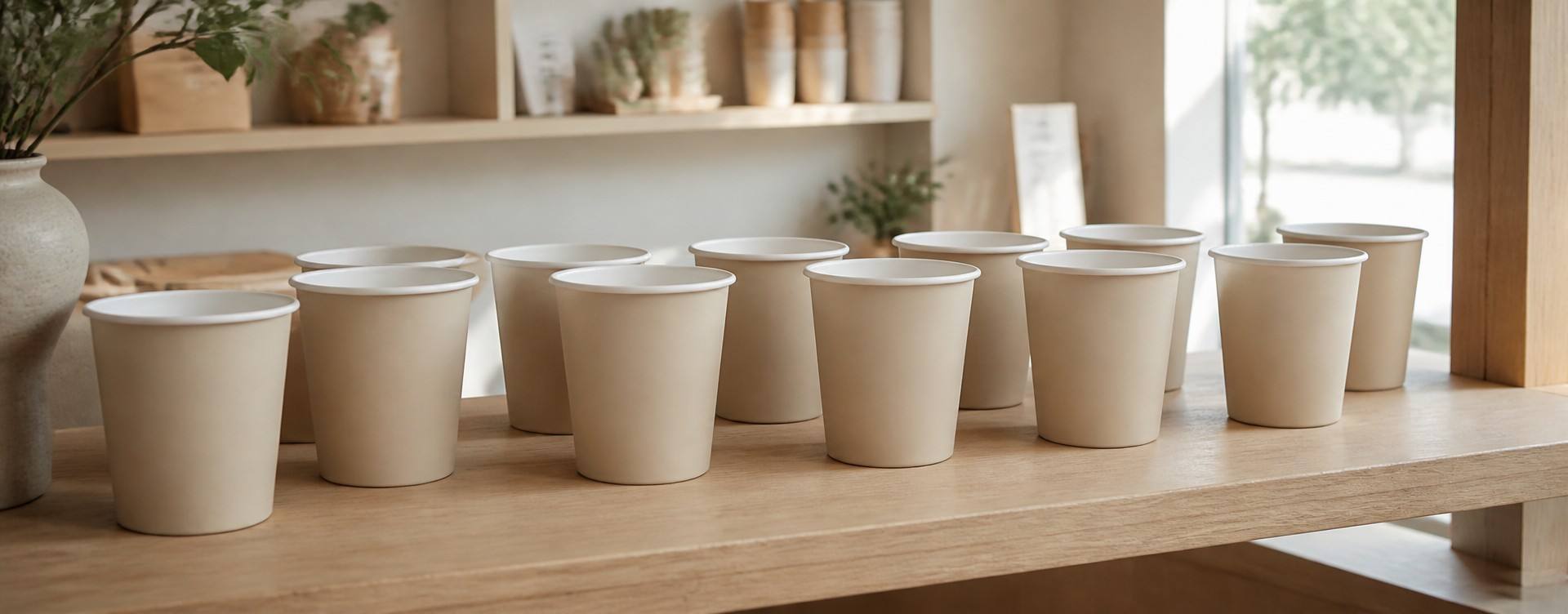
Single Wall Coffee Cups are disposable paper beverage cups made with a single paperboard sidewall and a formed bottom. The paperboard is combined with an internal barrier layer to help contain liquids and maintain cup structure during beverage service.
Compared with double wall or ripple wall cups, the single wall format uses a simpler construction without an additional outer paper layer. This creates a lightweight, stackable cup format that can be efficiently stored, transported, dispensed, and used in high-volume beverage operations.
Single wall paper cups are available in a wide range of capacities for espresso, coffee, tea, water, beverage sampling, takeaway drinks, and other commercial beverage programs. Depending on the product specification, they can be produced with white or kraft-look paperboard and different barrier options such as PE, PLA, or applicable aqueous systems.
The exterior paper surface also provides space for logos, brand graphics, product information, and promotional artwork, making custom printed coffee cups suitable for businesses that want beverage packaging to support both daily service and brand communication.
For commercial buyers, the appropriate cup should be selected according to beverage type, cup capacity, serving conditions, paperboard specification, required hand comfort, printing requirements, and the intended cup-and-lid combination.
Overall, Single Wall Coffee Cups provide a practical paper cup format for businesses requiring flexible sizes, printable surfaces, efficient nesting, and scalable supply for everyday beverage service.
Single wall coffee cups use one formed paperboard wall with an internal barrier layer to hold beverages. Their light construction, efficient nesting, and broad size range make them a practical format for high-volume beverage service where material use, carton efficiency, and custom branding must be balanced.
Item | Details |
Product Name | Single Wall Coffee Cups |
Common Capacities | 2.5oz, 4oz, 5.5oz, 6oz, 6.5oz, 7oz, 7.5oz,8oz, 9oz, 10 oz, 11oz, 12oz, 14oz, 16oz, 20oz, 22oz |
Available Sizes | Espresso and sample cups to large takeaway drink cups |
Materials | Food-contact white or kraft-look paperboard |
Barrier Options | PE, PLA, or aqueous barrier options depending on project requirements |
Printing | Flexographic or offset printing; custom artwork subject to approval |
Surface Finish | Uncoated paper exterior, printed finish, or food-contact compliant varnish as specified |
Shape | Round tapered cup |
Lid Options | Paper or polymer lids matched by verified rim diameter; sleeve options available |
Suitable Temperature | Hot or cold beverages within the approved test conditions |
Applications | Coffee, tea, hot chocolate, water, samples, vending and takeaway drinks |
Customization | Logo, artwork, color, cup size, sleeve, packing and carton marking |
OEM & ODM | Supported |
MOQ | Based on size, barrier, printing and packing requirements |
Certifications | Food-contact documentation available according to material and destination-market requirements |
Production Capacity | Automated cup-forming and export packing capability |
Lead Time | Confirm against specification, artwork approval and production schedule |
Export Markets | North America, Europe, Australia, Middle East, Asia and South America |
Target Customers | Importers, distributors, wholesalers, coffee chains, foodservice suppliers and private-label brands |
Sustainability Options | Structure-specific paper, barrier and certification options; claims require local end-of-life validation |
Unlike double wall or ripple wall cups, a single wall cup has no added insulating outer layer. This can reduce material and storage requirements, but hand comfort must be validated for the intended drink temperature and holding time. A sleeve, lower serving temperature, or alternative insulated cup may be appropriate for very hot beverages.
For importers, distributors, coffee chains, and private-label buyers, the key specification is the complete cup system: paperboard grade, barrier type, side-seam and bottom-seal performance, rim diameter, lid fit, print quality, packing configuration, and applicable food-contact documentation.
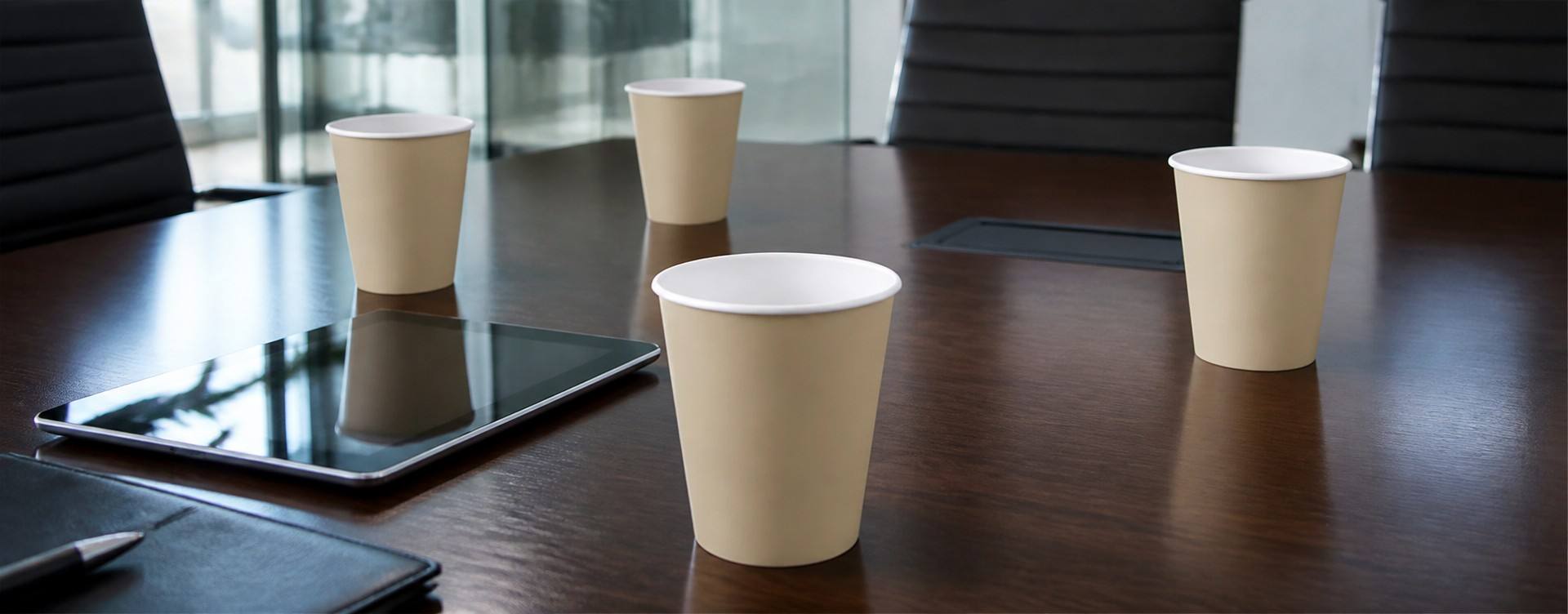
Selecting the right single wall coffee cup material is not about choosing the “best” option—it is about selecting the material that best matches your products, brand positioning, sustainability goals, and target market. Different materials offer different advantages, and understanding these differences helps buyers make more informed purchasing decisions.
At DAILYECO, we recommend materials based on each customer’s application rather than promoting a one-size-fits-all solution. Whether your priority is premium branding, cost efficiency, or environmental positioning, choosing the right paperboard and barrier coating can improve product performance while supporting long-term business growth.
White cupstock supports clean graphics, consistent color reproduction, and a broad range of beverage-service applications. Select grammage and stiffness against cup size, filling temperature, vending or manual dispensing, and required hand feel.
Combined with a PE coating, white paperboard provides an ideal balance of attractive appearance, reliable leak resistance, and cost-effective large-scale production. It is often the first recommendation for businesses seeking a professional, premium image.
Kraft-look paper cups provide a natural visual appearance. The exact fiber structure, food-contact layer, print result, and sustainability attributes should be confirmed because visual color alone does not establish recycled content, recyclability, or compostability.
Printing colors may appear softer on kraft-look paperboard than on a white surface. Buyers often choose this appearance for brand positioning, but environmental messaging should be supported by the actual material specification and applicable evidence.
PE is a widely used liquid barrier for commercial paper cups. It offers stable converting performance, while end-of-life acceptance depends on local cup-recycling infrastructure and the final material construction.
Its proven durability and competitive production cost make PE-coated paper the preferred choice for high-volume purchasing programs and everyday foodservice operations.
PLA and aqueous barrier options may support specific packaging strategies. Compostability or recyclability should only be stated when the finished cup structure, certification scope, and local collection and processing conditions support the claim.
Businesses exporting to environmentally conscious regions often select PLA-coated paper to align with local regulations, customer expectations, and long-term sustainability strategies.
Choose the cup structure from the real service profile: drink type, maximum fill temperature, holding time, lid requirement, printing coverage, regulatory market, disposal route, and target cost. Approve samples under use conditions before mass production.
By understanding your product application, destination market, branding goals, and purchasing volume, DAILYECO helps you select the most appropriate material solution to achieve both commercial success and long-term customer satisfaction.
DAILYECO offers a complete range of single wall coffee cups designed for coffee shops, tea stores, tea brands, beverage cafés, foodservice distributors, catering companies, supermarkets, and private-label beverage packaging brands.
DAILYECO offers single wall formats for espresso and samples, small coffee and tea servings, standard takeaway beverages, and larger specialty drinks. Each project should confirm food-contact paperboard, barrier, stiffness, rim diameter, lid system, print specification, and real-use performance before production.
Product | Top × Bottom × Height (mm) | Standard Packing | Reference Carton Size (cm) |
2.5 oz single wall coffee cup | 51 x 36 x48 | 50 pcs × 20 sleeves | 26 × 21 × 27.5 |
3 oz single wall coffee cup | 56 x 40 x60 | 50 pcs × 20 sleeves | 28.2 × 22.7 × 29.2 |
4oz single wall coffee cup | 62 × 45 × 60 | 50 pcs × 20 sleeves | 31.5 × 25.5 × 31.8 |
5.5 oz single wall coffee cup | 70 x 46 x 80 | 50 pcs × 20 sleeves | 35.5 × 28.5 × 34 |
6 oz single wall coffee cup | 70 x50 x 73 | 50 pcs × 20 sleeves | 35.5 × 28.5 × 32.8 |
6.5 oz single wall coffee cup | 73 x 50 x 78 | 50 pcs × 20 sleeves | 37 × 29.5 × 34.5 |
7 oz single wall coffee cup | 73 x52 x 78 | 50 pcs × 20 sleeves | 37 × 29.5 × 34.5 |
7.5 oz single wall coffee cup | 70 x 45 x 94 | 50 pcs × 20 sleeves | 35.5 × 28.5 × 33.5 |
8oz single wall coffee cup | 80 × 56 × 91 | 50 pcs × 20 sleeves | 38.5 × 31 × 34.7 |
9 oz single wall coffee cup | 70 x 52 x 95 | 50 pcs × 20 sleeves | 38.5 × 31 × 36 |
10oz single wall coffee cup | 90 × 60 × 95 | 50 pcs × 20 sleeves | 46 × 37 × 46 |
11 oz single wall coffee cup | 80 x 50 x 115 | 50 pcs × 20 sleeves | 40.5 × 32.5 × 39 |
12oz single wall coffee cup | 90 × 60 × 110 | 50 pcs × 20 sleeves | 46 × 37 × 46.6 |
14 oz single wall coffee cup | 90 x 60 x 128 | 50 pcs × 20 sleeves | 46 × 37 × 50 |
16oz single wall coffee cup | 90 × 60 × 137 | 50 pcs × 20 sleeves | 46 × 37 × 50 |
20oz single wall coffee cup | 90 × 60 × 150 | 50 pcs × 20 sleeves | 46 × 37 × 65 |
22oz single wall coffee cup | 90 x 60 x170 | 50 pcs × 20 sleeves | 46 × 37 × 68 |
DAILYECO provides comprehensive OEM and private-label solutions for beverage brands, distributors, wholesalers, and food packaging companies worldwide.
Customization services include:
Our engineering and printing teams work closely with customers to ensure every single wall coffee cup accurately reflects brand identity while maintaining consistent production quality and food safety standards.
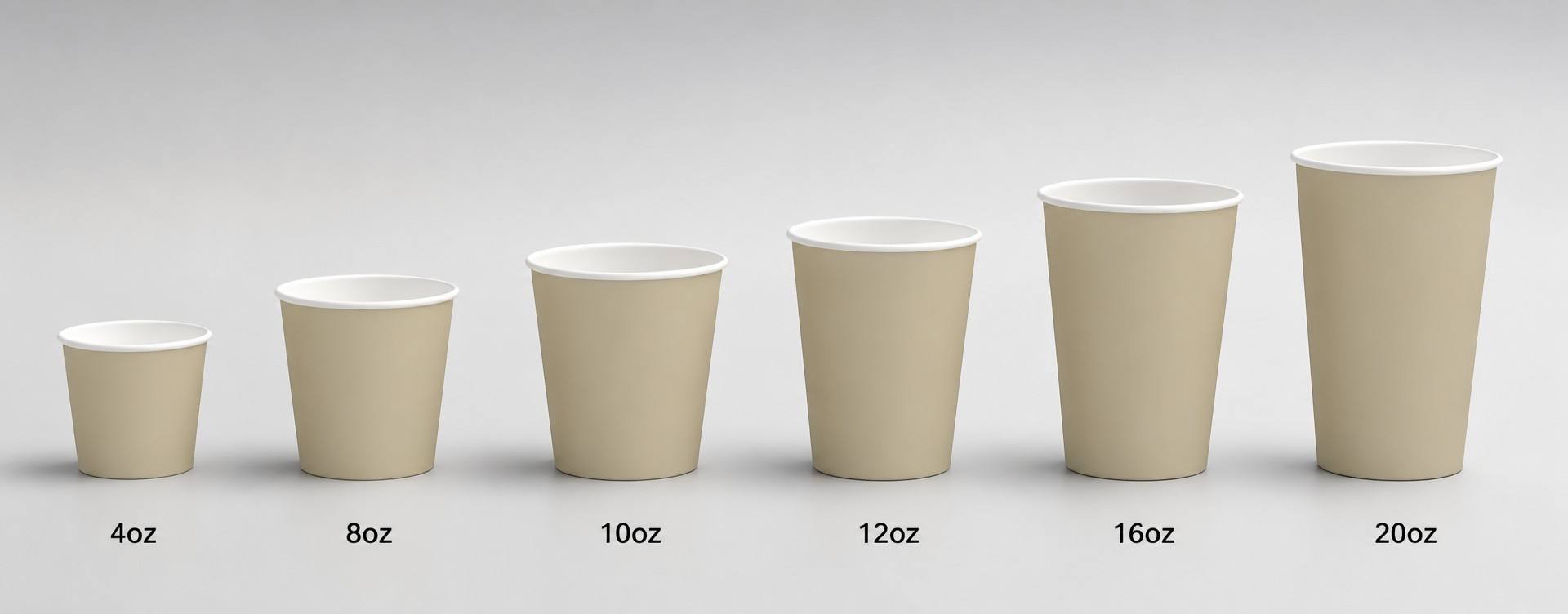
Different markets may use different serving sizes and portion standards. DAILYECO can recommend the most suitable single wall coffee cup specifications according to your target market, product offerings, and branding requirements.
Choosing the right beverage packaging is not simply a matter of selecting the lowest-cost container. Today’s foodservice businesses must balance product presentation, operational efficiency, customer experience, sustainability goals, and overall packaging costs. Different types of disposable beverage cups are designed for different applications, and understanding their strengths and limitations helps buyers make more informed purchasing decisions.
Compared with many alternative packaging solutions, single wall coffee cups offer an excellent balance between functionality and brand value. Their printable surface, premium appearance, and reliable performance make them one of the most popular choices for coffee shops, coffee chains, cafés, and beverage brands worldwide.
The following comparison highlights how single wall coffee cups perform against other commonly used disposable beverage cups.
Comparison Factor | Single Wall Paper Cups | Double Wall Paper Cups | Ripple Wall Paper Cups | Plastic Cold Cups |
Wall Structure | One paperboard wall | Two paperboard layers | Cup plus corrugated outer layer | Single plastic wall |
Heat Insulation | Limited; test sleeve need | Improved | High grip and insulation | Not generally intended for hot fill |
Material Use | Lowest of three paper formats | Higher | Highest of three paper formats | Depends on resin and gauge |
Custom Printing | Broad full-wrap options | Broad options | Print area depends on ripple design | Available by process and volume |
Nesting & Storage | Efficient | Moderate | More carton volume | Efficient |
Best-Fit Use | High-volume beverage service | Hot drinks held longer | Very hot drinks and grip-focused service | Cold drinks and product visibility |
Sustainability Review | Check barrier and local system | Check multilayer structure | Check multilayer structure | Check resin and local system |
Cost Evaluation | Cup + possible sleeve | Higher cup cost | Higher material/logistics cost | Material and market dependent |
Single wall cups use one paperboard sidewall and generally require less material and carton space than double wall formats. Double wall cups add an additional outer layer to provide greater thermal separation between the beverage and the user’s hand.
For buyers, the selection depends primarily on beverage temperature, expected holding time, sleeve strategy, storage requirements, and target packaging cost. Single wall formats commonly fit high-volume everyday beverage programs, while double wall formats are often selected where additional hand comfort is required.
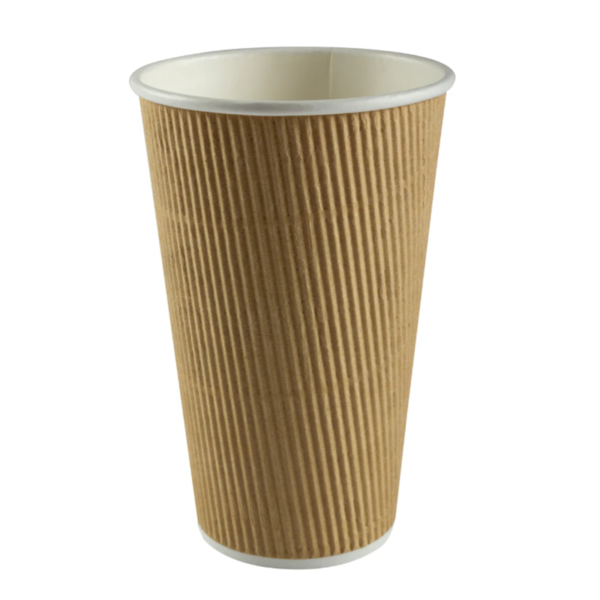
Ripple wall cups add a corrugated outer layer around the inner cup, creating additional insulation and a textured gripping surface. This construction also increases material use and carton volume compared with a single wall format.
Single wall cups are generally more suitable where compact nesting, straightforward construction, and high-volume service are priorities. Ripple wall cups fit programs where additional thermal protection and grip are part of the required packaging specification.
Single wall paper cups and transparent plastic cups serve different packaging requirements.
Paper cups provide an opaque printable surface and are commonly used for coffee, tea, and other takeaway beverage programs. PET, PP, or PLA cold cups provide product visibility and are commonly used where beverage color, ingredients, or layered presentation form part of the customer experience.
The appropriate format should therefore be selected according to beverage type, serving temperature, presentation requirements, branding route, and applicable market requirements.
The following guide helps buyers determine whether single wall coffee cups are suitable for different beverage and foodservice applications.
Application | Recommended |
Coffee Shops | ✓ |
Tea Shops | ✓ |
Office Coffee Service | ✓ |
Vending Programs | ✓ |
Quick-Service Restaurants | ✓ |
Takeaway Beverage Service | ✓ |
Catering & Events | ✓ |
Hotel Breakfast Service | ✓ |
Promotional Sampling | ✓ |
Bakeries and Cafes | ✓ |
Convenience Stores | ✓ |
Cold Beverage Service | ✓ |
Very Hot Drinks Without Sleeve Testing | ✗ |
Microwave or Oven Heating | ✗ |
Long-Term Liquid Storage | ✗ |
Closed-Loop Reuse Programs | ✗ |
Paper coffee cups are specifically designed for serving hot and cold beverages in commercial foodservice environments. They provide excellent liquid resistance, attractive branding opportunities, and reliable performance for dine-in, takeaway, and delivery applications.
For applications involving long-term extended high-temperature holding, microwave heating, or industrial food processing, specialized food containers or alternative packaging solutions should be considered.
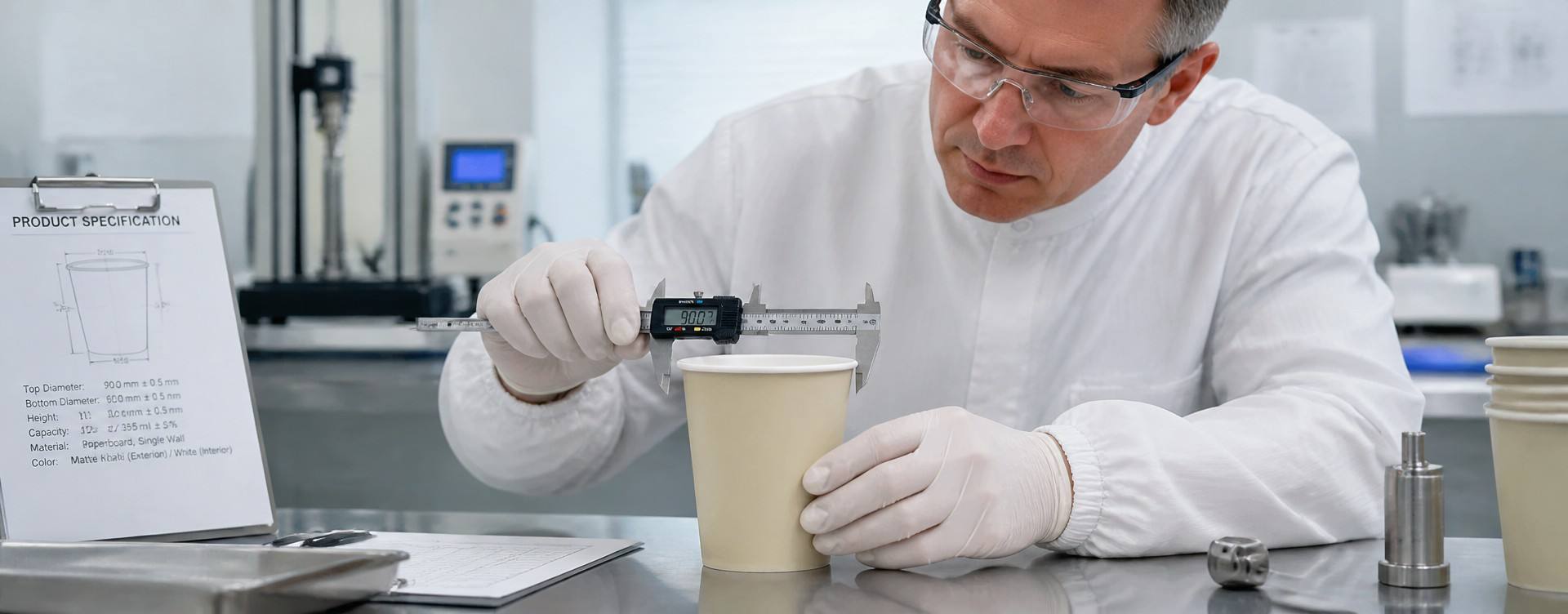
For bulk buyers, evaluating Single Wall Coffee Cups involves more than comparing product specifications and prices. Production scale, manufacturing capacity, order scheduling, customization capability, and repeat-order stability can directly affect long-term supply.
The following questions help buyers evaluate whether a supplier can support both current purchasing requirements and future volume growth.
Ask for measurable production information rather than general capacity claims. DAILYECO operates 20 production lines and 85 paper cup production machines, with monthly supply capability of approximately 50–55 × 40HQ containers across its paper cup operations.
A broad mold range makes multi-size purchasing easier. DAILYECO supports standard paper cup molds from approximately 2.5 oz to 22 oz, allowing buyers to develop coordinated cup ranges according to different beverage and market requirements.
Large importers and distributors should confirm whether the supplier can allocate sufficient equipment and production time for container-scale orders without disrupting agreed specifications or delivery schedules.
For long-term programs, repeat-order capability is as important as first-order capacity. Buyers should evaluate whether approved specifications, printing, packing configurations, and production schedules can remain consistent across recurring orders.
Lead time depends on order quantity, printing, raw-material preparation, and production scheduling. For new customized orders, DAILYECO’s typical production lead time is approximately 30–35 days, subject to final order requirements.
Buyers with seasonal demand should confirm how production capacity is allocated during busy periods. Providing purchasing forecasts in advance can help manufacturers reserve production windows and plan raw materials more effectively.
Custom projects may involve logo printing, artwork control, packaging, and carton customization. Buyers should confirm whether these requirements can be integrated into large-volume production without affecting agreed specifications and production schedules.
Bulk production requires consistent control of cup dimensions, rim forming, side seams, bottom sealing, printing, and packing. Approved specifications and samples should be used as production references for repeat orders.
MOQ affects purchasing flexibility and inventory planning. DAILYECO’s standard MOQ is approximately 50,000 pieces per size, while specific project requirements can be evaluated according to product specification and production conditions.
Long-term buyers should consider future demand as well as current orders. A capable supplier should be able to support additional sizes, higher order volumes, customized programs, and more complex purchasing schedules as the customer’s business expands.
Although single wall coffee cups are suitable for most beverage applications, they may not be the ideal solution for every project. Understanding their limitations helps buyers select the most appropriate packaging for different products and business models.
If users will hold very hot drinks for a long time, validate a sleeve, double wall cup, or ripple wall cup to improve hand comfort. Do not assume a single wall construction provides thermal insulation.
If product appearance is an important selling point, such as layered iced beverages, fruit beverages, or colorful specialty beverages, transparent PET containers may provide a better customer presentation.
Standard single wall paper cups are not automatically suitable for microwave or oven heating. Use only within the tested and documented conditions of the finished cup.
Single wall cups can be used for takeaway and delivery, but the cup and lid should be tested together under actual transport conditions.
If the selected lid does not provide sufficient retention or leakage control for the intended delivery environment, a different cup-and-lid system may be more appropriate.
Single wall coffee cups are designed primarily for single-use beverage service.
Businesses operating controlled return-and-reuse systems may instead evaluate reusable cups where collection, washing, redistribution, and return rates can be effectively managed.
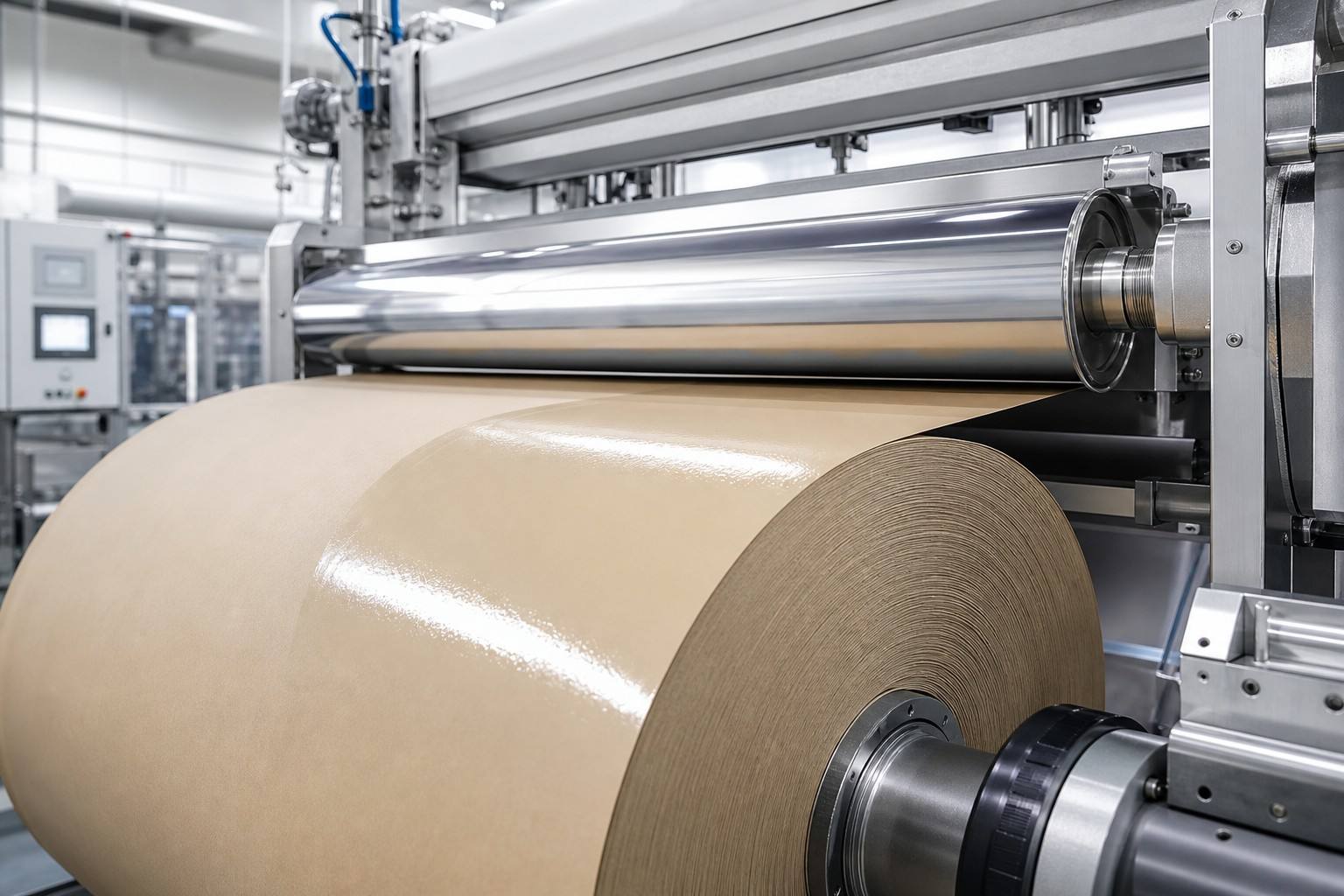
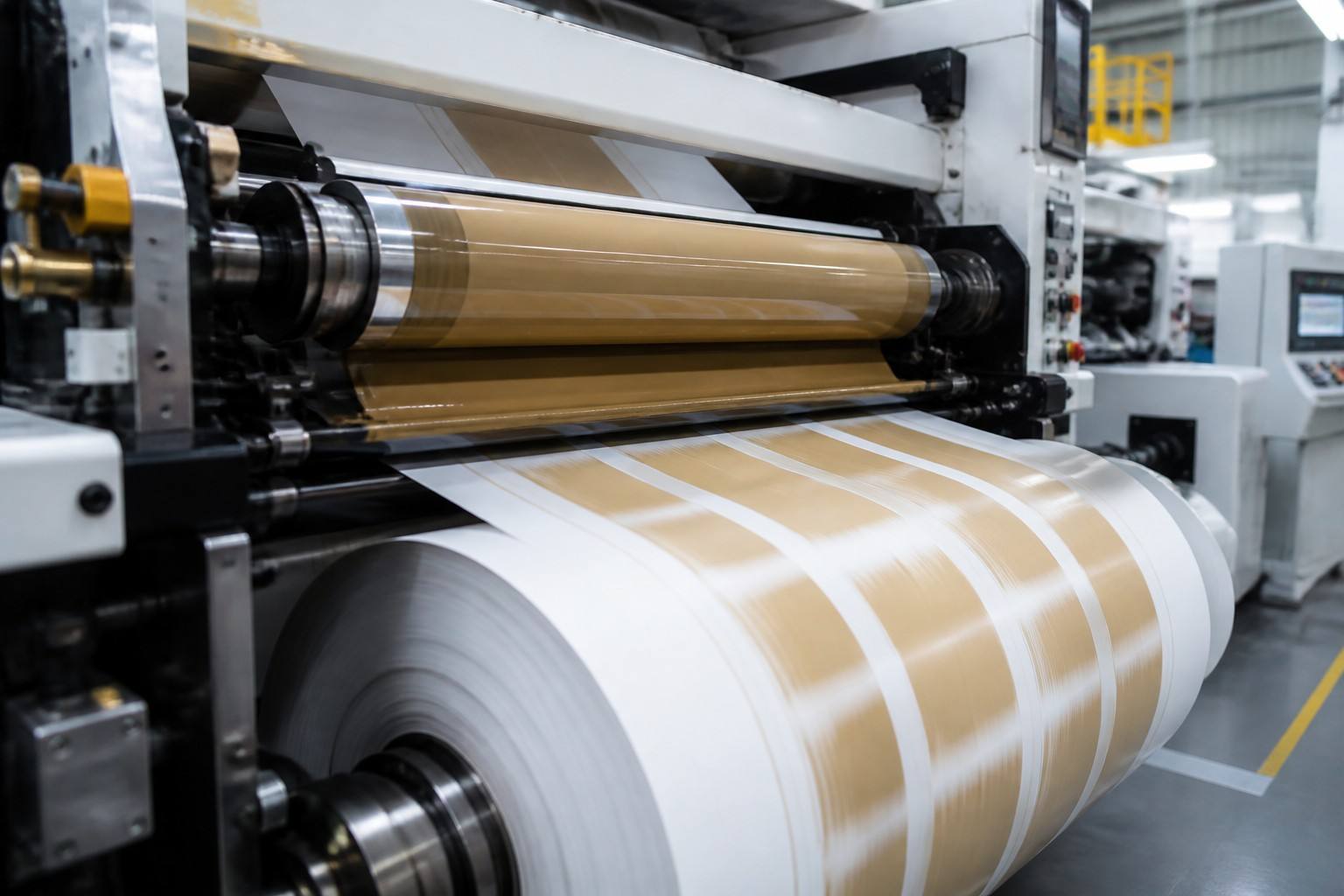
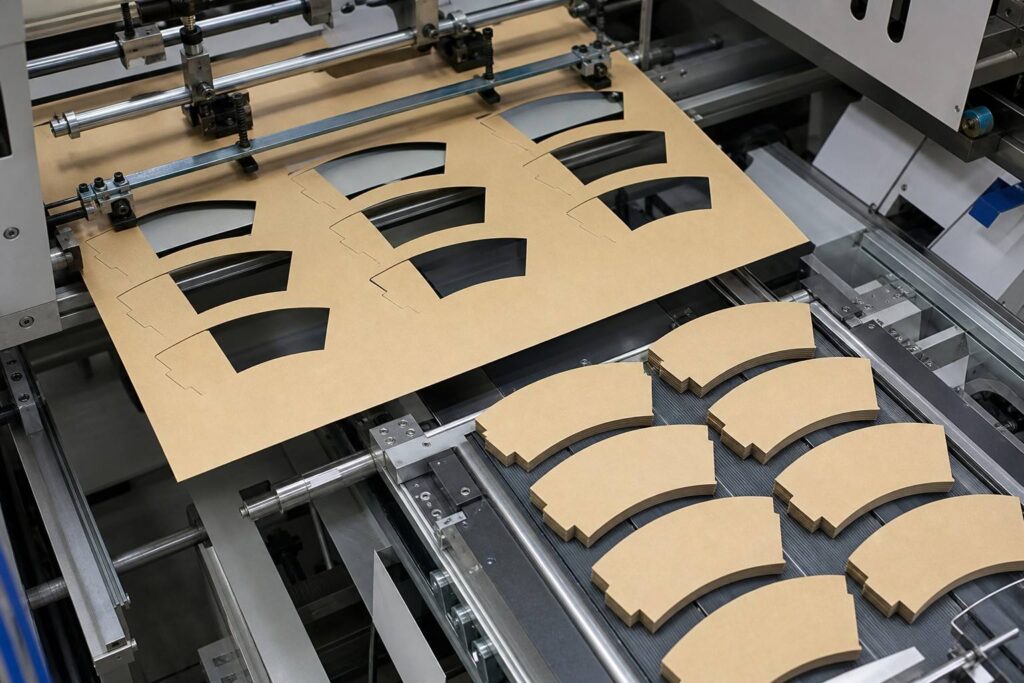
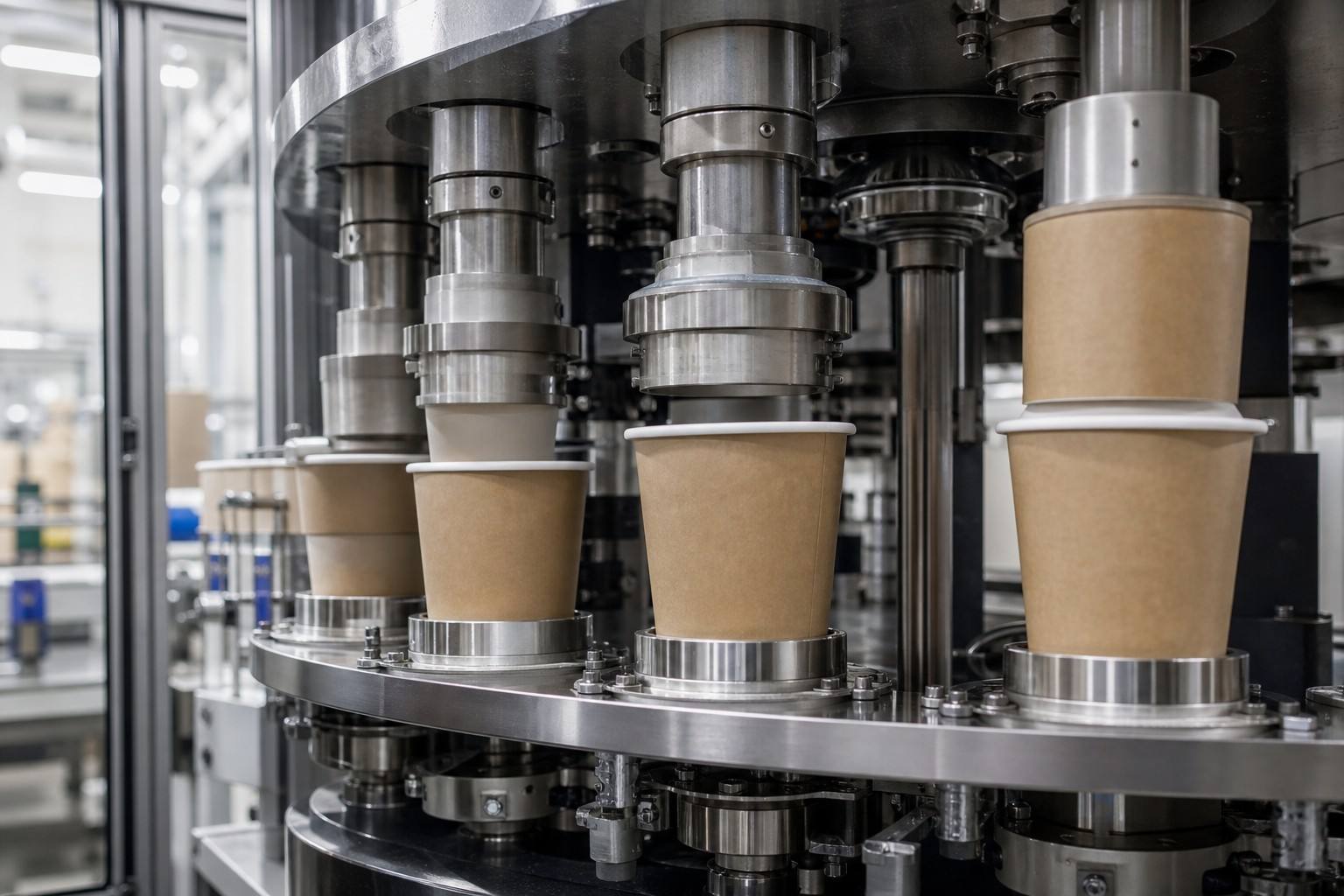
Manufacturing high-quality single wall coffee cups requires precision equipment, food-grade raw materials, and strict quality control throughout the production process. Every stage, from paper inspection to final packaging, directly affects the cup’s strength, leak resistance, printing quality, and food safety performance.
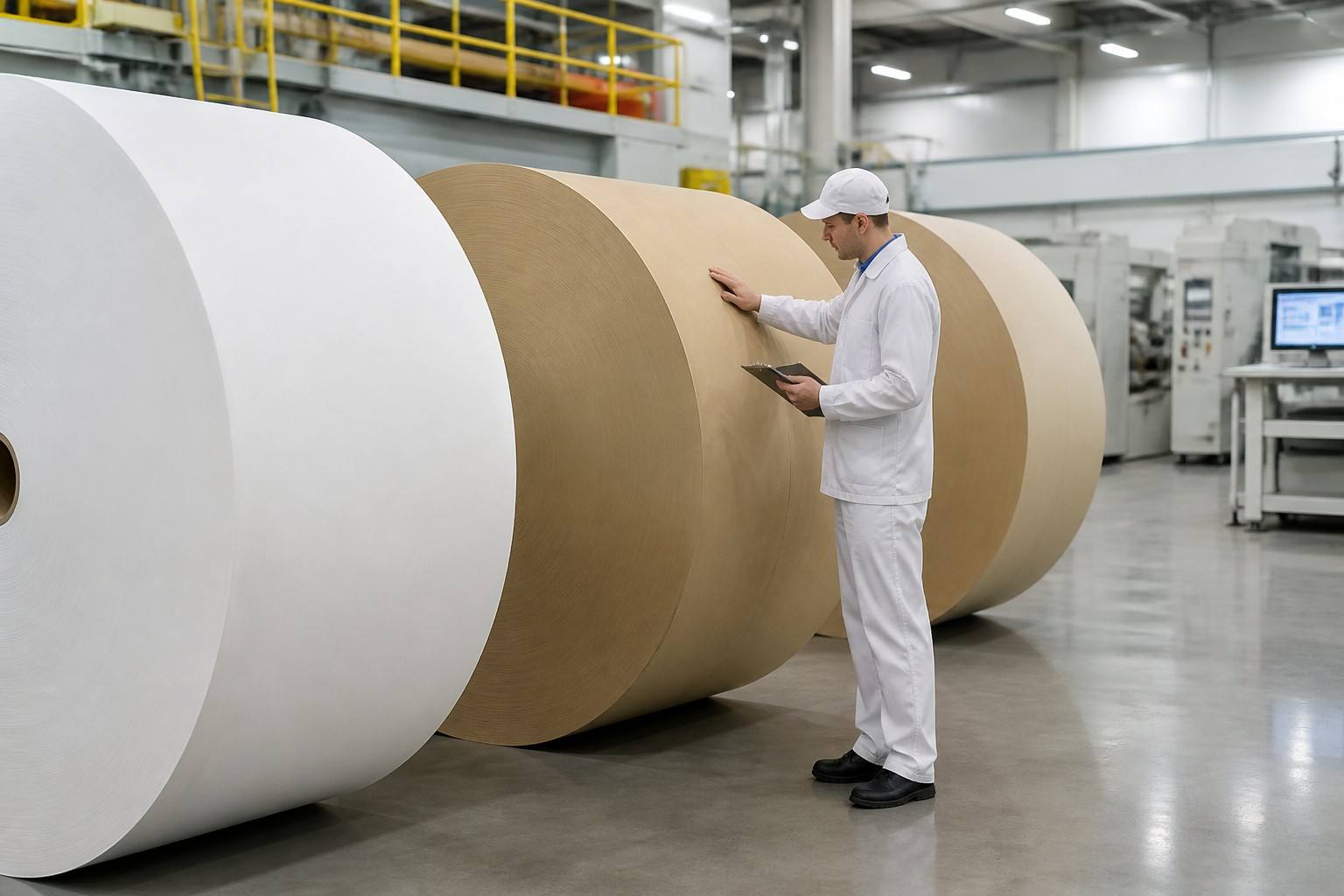

Selecting the right manufacturer is just as important as choosing the right product. A reliable supplier not only delivers high-quality single wall coffee cups, but also provides stable production capacity, professional customization services, and dependable international logistics support. Before placing a bulk order, buyers should evaluate the following key factors.
Choose a manufacturer with extensive experience in disposable food packaging and export markets. Experienced suppliers understand international quality standards, food safety requirements, and the needs of different industries.
A strong production capacity helps ensure stable lead times and consistent supply, especially during peak seasons. Manufacturers with automated production lines are generally better equipped to handle large-volume orders.
If your business requires branded packaging, confirm that the supplier offers comprehensive OEM and ODM services, including custom printing, packaging design, and carton customization.
Reliable manufacturers implement quality inspections throughout the production process, from raw material selection to final packaging. Consistent quality reduces complaints and supports long-term business relationships.
Verify that the manufacturer can provide food-contact compliance documentation and supports the certification requirements of your target market.
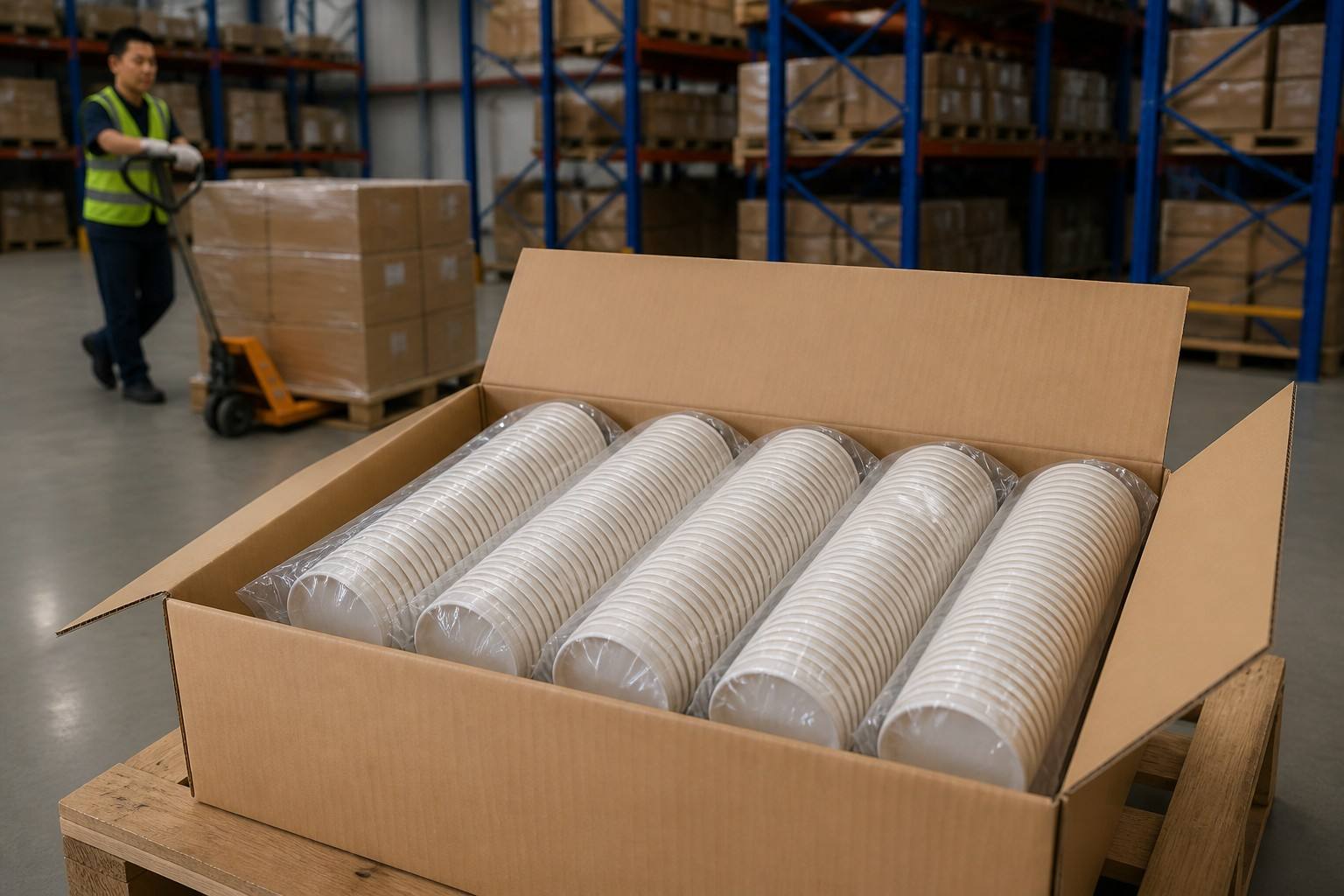
Experienced export suppliers can assist with shipping arrangements, export documentation, packaging optimization, and international logistics, helping reduce purchasing risks and improve delivery efficiency.
Before confirming your order, reviewing the following checklist can help ensure you select the most suitable single wall coffee cups for your business.
✓ Confirm the required cup capacity and dimensions.
✓ Select the appropriate paper material and coating.
✓ Verify lid compatibility if lids are required.
✓ Confirm printing artwork and color requirements.
✓ Check MOQ, lead time, and production schedule.
✓ Review food safety certifications and compliance documents.
✓ Confirm packaging specifications and carton labeling.
✓ Request production samples before mass production.
✓ Verify shipping terms and delivery arrangements.
Completing these checks before production begins helps reduce delays, avoid unnecessary costs, and ensure the final products meet your commercial expectations.
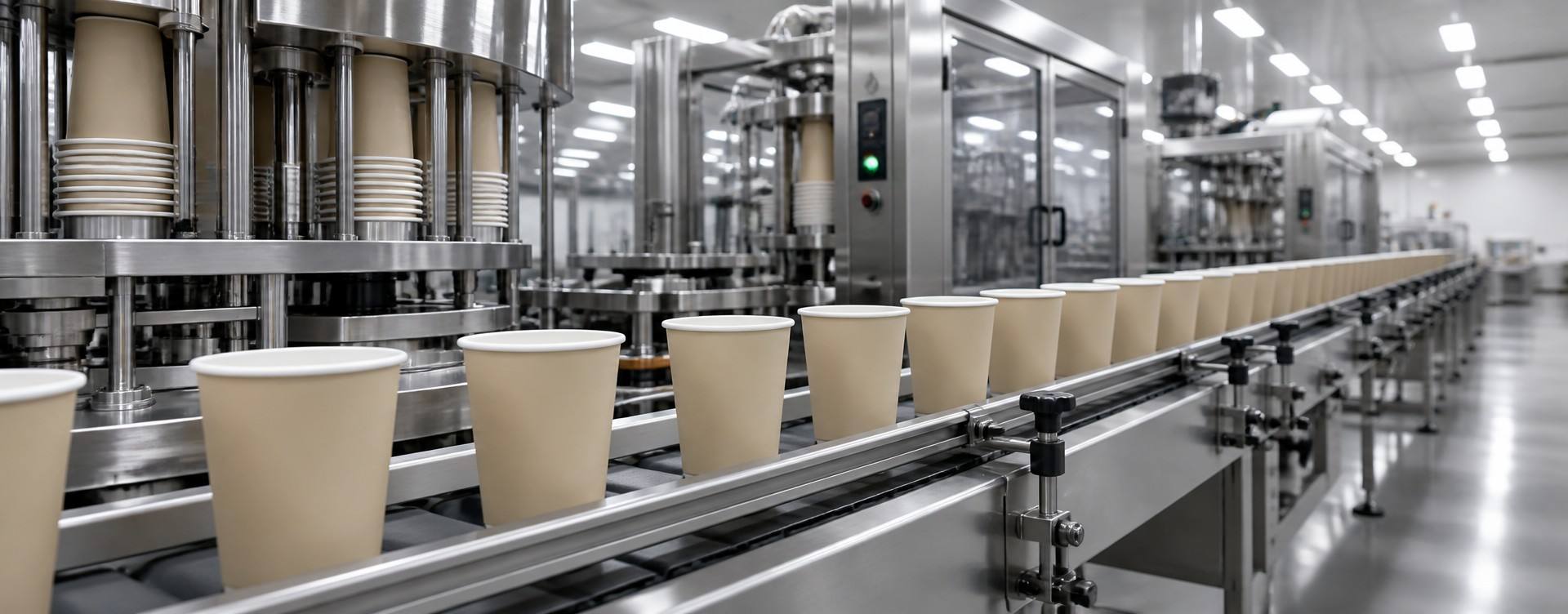
DAILYECO provides integrated disposable beverage packaging solutions for importers, distributors, coffee brands, coffee chains, cafés, foodservice companies, and global packaging brands.
As a manufacturing and supply chain partner, we focus on delivering stable quality, flexible customization, and reliable international supply for customers seeking long-term cooperation.
DAILYECO Manufacturing Facility | Description |
Employees | More than 1,000 employees |
Production Lines | 20 lines and 85 machines for paper cup production |
Monthly Supply Capacity | 50–55 × 40HQ containers |
Cup Sizes | Multiple standard cup molds; confirm the required single wall format |
Printing Capability | Flexographic and offset printing |
OEM | Logo, printing, packaging and carton customization |
ODM | Material, structure, artwork and packing optimization |
Technical Support | Available for cup, lid, sleeve and specification review |
Production MOQ | Common reference: 50,000 pcs per size; confirm by specification and customization |
Typical Lead Time | Common reference: approximately 30–35 days for new customized orders; confirm against schedule |
DAILYECO provides comprehensive compliance and documentation support to help importers, distributors, foodservice brands, and private-label buyers meet the regulatory requirements of their target markets. Our team works closely with customers to streamline customs clearance, supplier qualification, and market entry while reducing sourcing risks.
Support may include:
Our documentation support helps buyers accelerate procurement, simplify compliance reviews, and confidently source single wall coffee cups for North America, Europe, Australia, the Middle East, and other global markets.
DAILYECO supports comprehensive customization throughout the product lifecycle, including:
DAILYECO single wall coffee cups are exported to customers across North America, Europe, Australia, the Middle East, Asia, and many other international markets.
With extensive international shipping experience, we help customers simplify sourcing, reduce supply chain risks, and maintain stable long-term supply.
DAILYECO’s experienced international sales team provides responsive communication throughout the entire project lifecycle.
Support includes:
As beverage packaging continues to evolve, DAILYECO continuously develops new single wall coffee cup specifications, coating solutions, printing technologies, and customization capabilities to help customers respond to changing consumer preferences and market demands.