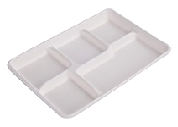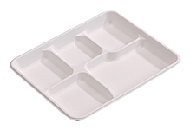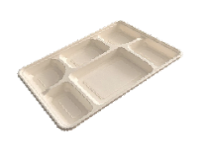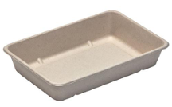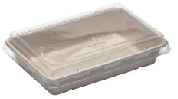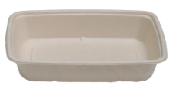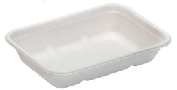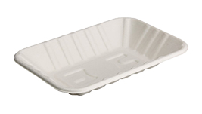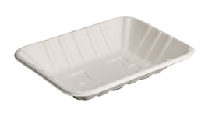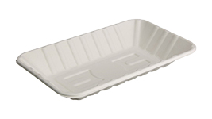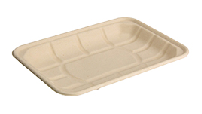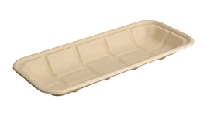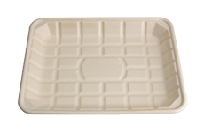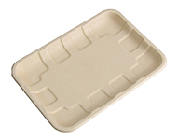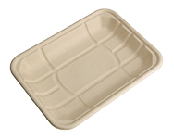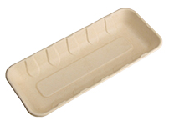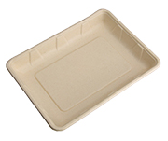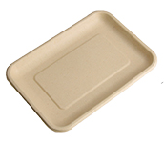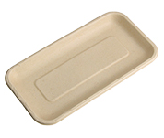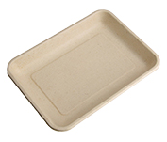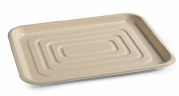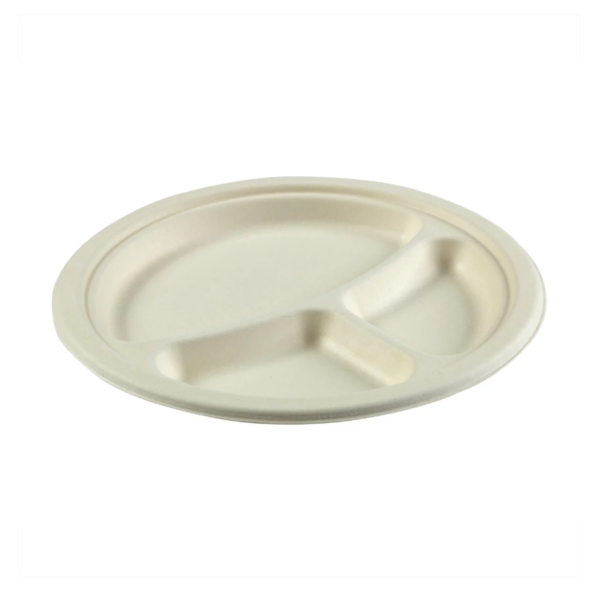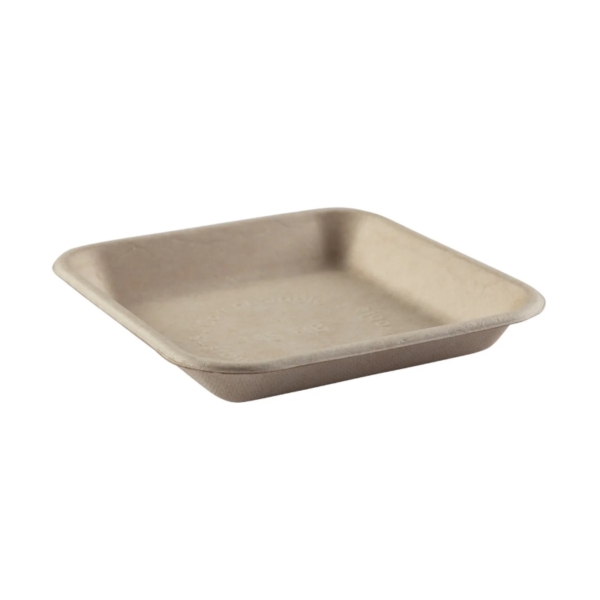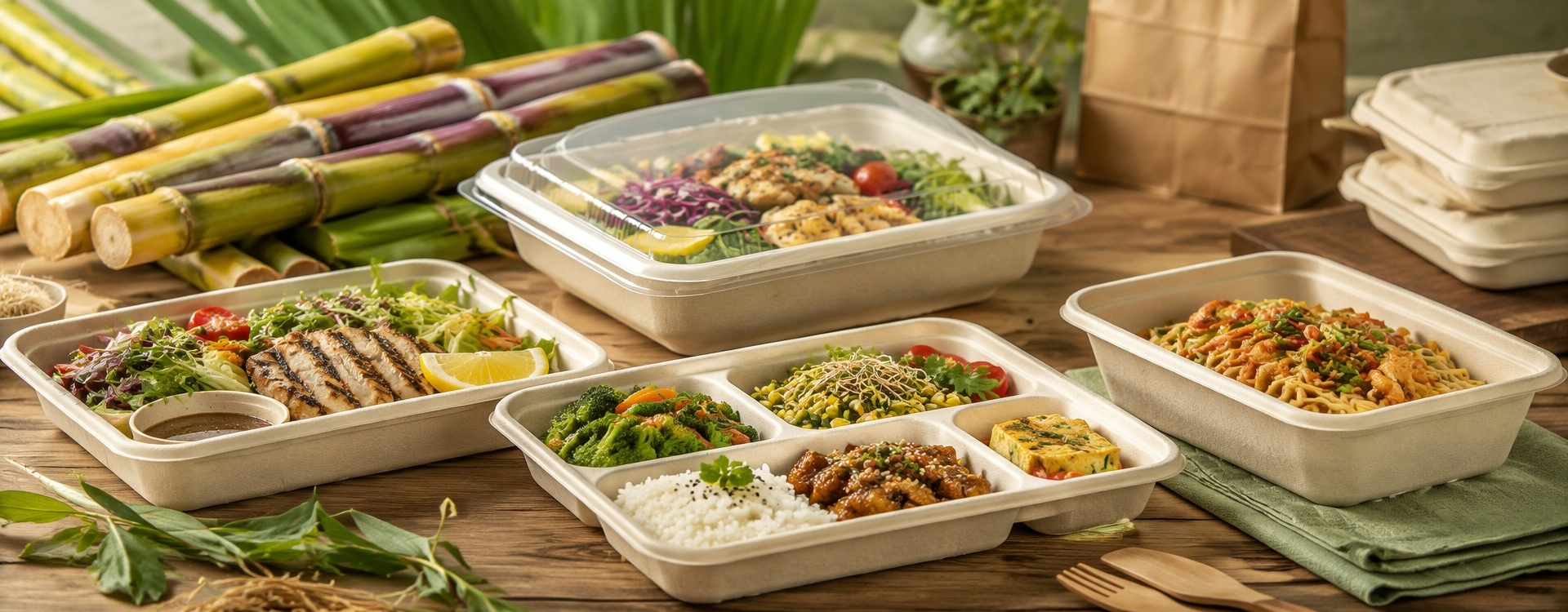
Item | Information |
Product Name | Sugarcane Tray |
Material | Food-Grade Sugarcane Bagasse Fiber |
Product Type | Molded Fiber Food Tray |
Typical Sizes | Custom sizes available according to application requirements |
Applications | Restaurants, Takeaway Food, Catering, Foodservice, Hotels, Retail Food Packaging |
Food Types | Meals, Snacks, Sushi, Tacos, Bakery Products, Fresh Food, Ready-to-Eat Meals |
Material Source | Renewable Sugarcane Fiber |
Structure Options | Flat Tray, Compartment Tray, Meal Tray, Custom Molded Fiber Structures |
Surface Characteristics | Natural Fiber Texture, Lightweight, Rigid Structure |
Sustainability Options | Compostable Solutions Available |
Customization | OEM & ODM Available |
Printing & Branding | Custom Packaging and Private Label Solutions Available |
Supply Type | Manufacturer & Supply Chain Partner |
Export Markets | North America, Europe, Australia, Middle East, Asia |
DAILYECO supplies complete sugarcane tray solutions, including standard products, customized designs, OEM manufacturing, private-label packaging, and global supply support for professional B2B customers.
Sugarcane trays are sustainable molded fiber food packaging products manufactured from sugarcane bagasse, the fibrous material remaining after sugarcane juice extraction.
Unlike traditional plastic food trays made from petroleum-based materials, sugarcane bagasse trays utilize renewable agricultural fibers and transform agricultural by-products into practical food packaging solutions.
The natural fiber characteristics make sugarcane trays suitable for a wide range of food applications, including takeaway meals, catering services, restaurants, food delivery, retail food packaging, and hospitality operations.
Sugarcane trays are designed to provide a balance between renewable material advantages, practical food packaging performance, and commercial usability. Rather than evaluating packaging based only on general descriptions, professional buyers typically consider structural performance, application suitability, documentation availability, and supply consistency before making purchasing decisions.
The following table summarizes the key characteristics buyers commonly evaluate when sourcing sugarcane trays.
Feature | Procurement Information | Buyer Notes |
Material Construction | Manufactured from molded sugarcane bagasse fiber using molded pulp technology. | Material composition and applicable documentation should be confirmed for the selected SKU. |
Structural Performance | Designed for commercial foodservice applications with one-piece molded construction. | Performance depends on tray dimensions, wall thickness, food weight, and transportation conditions. Product-specific testing is recommended. |
Heat Performance | Suitable for hot-food service within verified product limits. | Microwave use, serving temperature, and holding time should be confirmed for the selected product. |
Cold Food Applications | Suitable for chilled foods such as salads, desserts, sushi, fruits, and prepared meals. | Product performance should be evaluated according to storage temperature and application duration. |
Freezer Compatibility | Selected SKUs may be suitable for chilled or frozen-food applications. | Selected SKUs may be suitable for chilled or frozen-food applications down to −20°C, subject to product-specific verification. |
Oil & Grease Resistance | Designed for normal foodservice applications involving oily foods. | Helps prevent oil penetration during everyday meal service, up to 95°C for 30 minutes. |
Moisture Resistance | Suitable for short-term takeaway and dine-in foodservice applications. | Products intended for extended liquid storage or prolonged moisture exposure should be evaluated separately. |
Food Contact Documentation | Food-contact documentation may be available for applicable products. | Buyers should confirm compliance requirements based on destination market and selected SKU. |
Product Consistency | Manufactured under standardized production and quality-control procedures. | Critical dimensions, product weight, and tolerances should be confirmed during sample approval. |
Customization Capability | OEM and ODM services are available, including custom dimensions, compartment layouts, molds, and private-label packaging. | Commercial feasibility depends on tooling requirements, order quantity, and annual purchasing volume. |
Product Portfolio | Multiple tray structures are available, including flat trays, compartment trays, meal trays, bakery trays, sushi trays, hot dog trays, and custom molded fiber designs. | Buyers can select tray structures according to food category, serving method, and transportation requirements. |
Commercial Applications | Suitable for restaurants, takeaway services, catering, retail food packaging, food delivery, hospitality, and institutional foodservice. | Product selection should be based on actual food type and operational requirements rather than a single universal tray. |
PFAS-Related Documentation | PFAS-related test reports may be available for applicable products. | Buyers should verify that documentation covers the selected SKU and destination-market requirements. |
Compostability | Selected product lines may support industrial compostability when accompanied by applicable certification. | Certification availability depends on product specification, destination market, and applicable certification scope. |
The main advantage of sugarcane trays is their ability to combine renewable material benefits with practical packaging performance.
For businesses replacing traditional disposable packaging, bagasse food trays provide a sustainable solution without sacrificing essential functions such as food presentation, handling convenience, and commercial scalability.
The natural appearance of sugarcane bagasse trays also helps brands communicate sustainability values to customers, making them increasingly popular among restaurants, foodservice companies, and environmentally conscious packaging buyers.
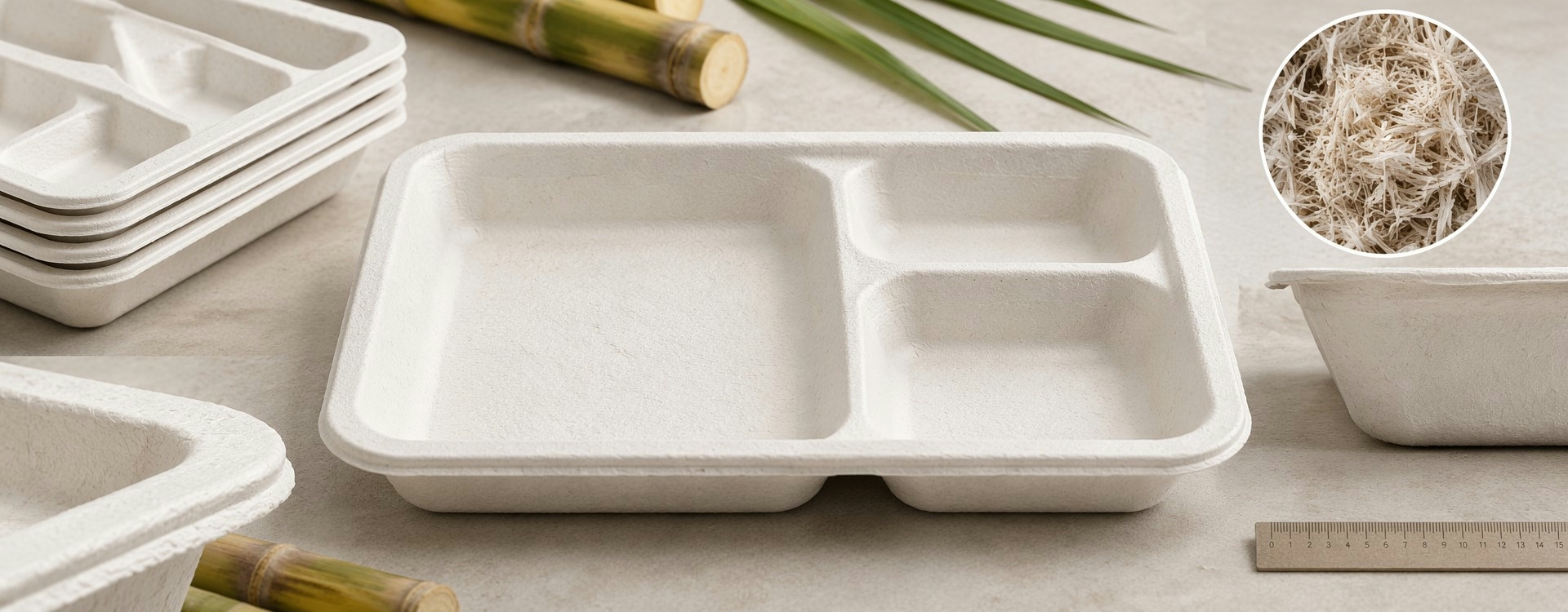
The global food packaging industry is experiencing a significant transition toward more sustainable solutions as businesses, consumers, and governments increasingly focus on reducing plastic waste and improving environmental responsibility.
In this changing market environment, sugarcane trays are gaining popularity because they combine renewable material advantages with practical food packaging performance. Made from sugarcane bagasse fiber, these products transform agricultural by-products into valuable packaging solutions while reducing dependence on petroleum-based materials.
Consumer expectations are also influencing packaging decisions. Modern customers are paying more attention to the materials and environmental impact behind the products they purchase. The natural molded fiber appearance of sugarcane bagasse trays provides a visible sustainability advantage compared with conventional plastic packaging, helping brands create stronger connections between packaging design and corporate values.
At the same time, environmental regulations and corporate sustainability goals are accelerating the adoption of renewable packaging materials. Many companies are reviewing their packaging strategies to reduce reliance on petroleum-based products and meet evolving market expectations. As a renewable fiber packaging solution, sugarcane trays help businesses strengthen sustainability positioning while maintaining practical performance for commercial food applications.
Professional sugarcane tray manufacturers can provide customized solutions based on different business requirements, including:
The global food packaging industry is gradually moving toward more sustainable material solutions as businesses, consumers, and governments place greater attention on environmental responsibility.
Within this transition, sugarcane trays are becoming an increasingly considered option because they combine renewable fiber materials with practical food packaging functionality.
Several factors are contributing to the wider adoption of sugarcane bagasse trays.
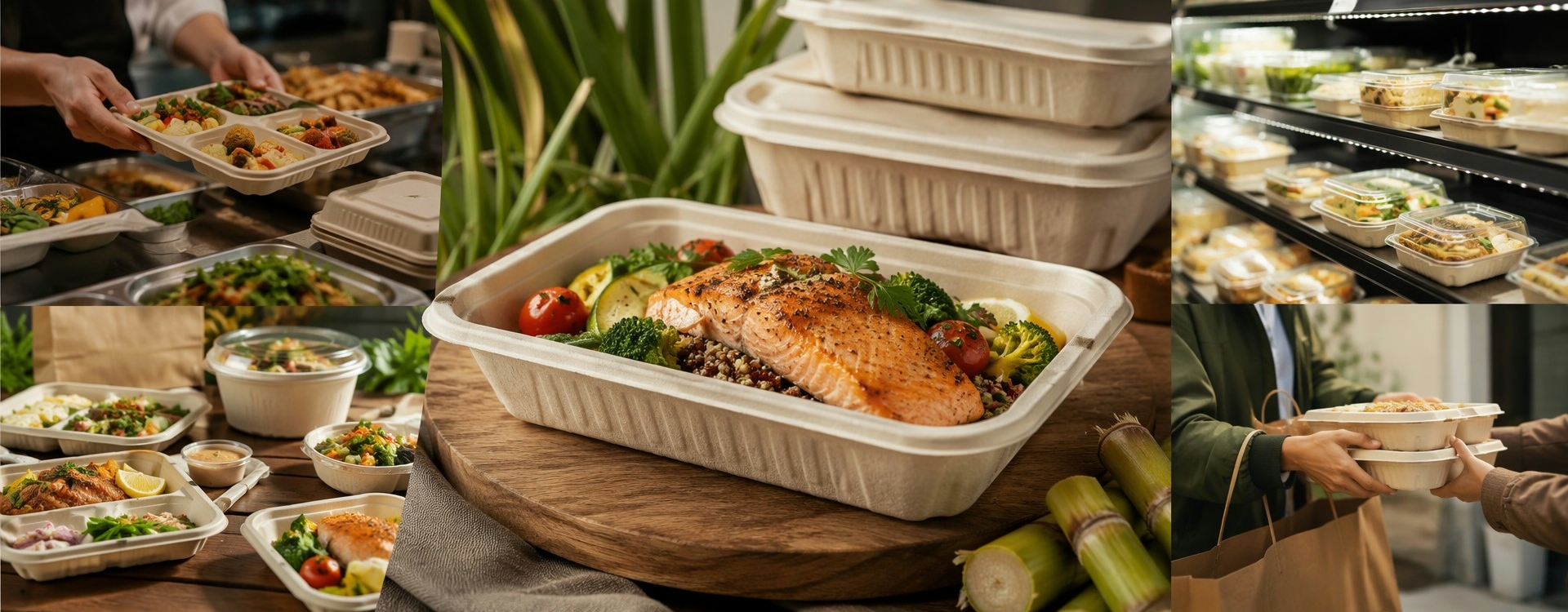
Foodservice companies and packaging buyers are reviewing their packaging strategies as sustainability requirements become increasingly important.
Traditional plastic packaging has historically been widely used because of its durability, availability, and cost advantages. However, concerns related to plastic waste, resource consumption, and changing consumer expectations have encouraged companies to explore alternative materials.
As a renewable fiber solution, bagasse food trays provide businesses with an option to reduce dependence on petroleum-based packaging materials while maintaining suitable performance for many food applications.
Many international food brands, restaurant chains, and distributors are establishing sustainability objectives within their supply chains.
When selecting packaging suppliers, buyers increasingly evaluate:
Biodegradable sugarcane trays are frequently considered by companies seeking renewable packaging alternatives. However, buyers should evaluate biodegradability or compostability claims according to product-specific certifications, local disposal conditions, and applicable market requirements.
Packaging is no longer only a protective container. It has become part of the overall customer experience.
For takeaway restaurants, catering companies, and food brands, packaging influences:
Products such as bagasse sushi trays, bagasse meal trays, and bagasse chip trays allow businesses to select packaging formats designed for specific food categories while maintaining a consistent sustainability message.
As competition increases in the foodservice industry, businesses are looking for packaging solutions that combine functionality with brand differentiation.
Manufacturers with OEM and ODM capabilities can support customers through:
For buyers, choosing an experienced sugarcane tray manufacturer can reduce development risks and improve supply chain consistency.
Selecting the right food packaging material depends on your product category, target market, sustainability goals, and operational requirements.
Different packaging materials provide different advantages. Sugarcane trays are widely selected by businesses that need renewable fiber packaging, natural appearance, and reliable performance for foodservice applications.
The following guide helps buyers evaluate whether sugarcane bagasse trays are the right choice for their business.
Choose Sugarcane Trays If You:
Choose Plastic Food Trays If You:
Choose PLA Food Trays If You:
DAILYECO provides a comprehensive range of sugarcane trays manufactured from renewable sugarcane bagasse fiber for restaurants, foodservice distributors, catering companies, food brands, and global packaging buyers.
Our product portfolio covers different sugarcane tray structures and sizes, including bagasse food trays, bagasse meal trays, compartment trays, takeaway trays, and customized sugarcane bagasse tray solutions.
By combining standardized products with OEM development capabilities, DAILYECO helps customers select suitable sugarcane bagasse trays according to food type, serving method, transportation requirements, and market positioning.
Pictures | Product | Size | Typical Product Weight | Packing | CTN Size |
| 12.5″ 5 Compartment Tray | 317 × 216 × 24 mm | 30 g | 125 pcs/bag, 4 bags/CTN, 500 pcs/CTN | 45 × 32.5 × 44.5 cm |
| 10″ 5 Compartment Tray | 260 × 210 × 25 mm | 24 g | 125 pcs/bag, 4 bags/CTN, 500 pcs/CTN | 43.5 × 41 × 27 cm |
| 10″ 5 Compartment Tray | 260 × 210 × 25 mm | 22 g | 125 pcs/bag, 4 bags/CTN, 500 pcs/CTN | 43 × 30.5 × 27.5 cm |
| 12.5″ 6 Compartment Tray | 321 × 221 × 31 mm | 38 g | 125 pcs/bag, 2 bags/CTN, 250 pcs/CTN | 47 × 23.5 × 33.5 cm |
| 13.2″ 6 Compartment Tray (Big) | 336 × 243 × 30 mm | 55 g | 25 pcs/bag, 10 bags/CTN, 250 pcs/CTN | 50 × 49 × 34.5 cm |
| Nacho 2 Compartment Tray | 189 × 164 × 38.6 mm | 21 g | 50 pcs/bag, 6 bags/CTN, 300 pcs/CTN | 46 × 33.5 × 20 cm |
| Nacho 3 Compartment Tray | 228.4 × 190 × 38.4 mm | 28 g | 125 pcs/bag, 4 bags/CTN, 500 pcs/CTN | 49 × 46.5 × 39 cm |
| 28oz Rectangle Tray | 232 × 157 × 45 mm | 24 g | 50 pcs/bag, 6 bags/CTN, 300 pcs/CTN | 50 × 24 × 32.5 cm |
| PET Lid for 28oz Rectangle Tray | 240 × 170 × 27 mm | 24 g | 50 pcs/bag, 6 bags/CTN, 300 pcs/CTN | 67 × 25 × 35 cm |
| 30oz Rectangle Tray | 228.3 × 165.7 × 46.4 mm | 23.5 g | 50 pcs/bag, 6 bags/CTN, 300 pcs/CTN | 46.5 × 45 × 34 cm |
| PET Lid for 30oz Rectangle Tray | 228.5 × 165.6 × 27 mm | 23 g | 50 pcs/bag, 6 bags/CTN, 300 pcs/CTN | 67 × 24 × 34 cm |
| 11″ × 7″ Pulp Lunch Tray | 285 × 195 × 48 mm | 30 g | 100 pcs/bag, 2 bags/CTN, 200 pcs/CTN | 40.5 × 36 × 29.5 cm |
| 790ml Food Tray | 216 × 153 × 47 mm | 20 g | 50 pcs/bag, 8 bags/CTN, 400 pcs/CTN | 44.5 × 39.5 × 31.5 cm |
| Pulp Lid of 790ml Food Tray | 220 × 157 × 10 mm | 17 g | 50 pcs/bag, 8 bags/CTN, 400 pcs/CTN | 47 × 23.5 × 33.5 cm |
| Hot Dog Tray | 211 × 98 × 20 mm | 14 g | 50 pcs/bag, 6 bags/CTN, 300 pcs/CTN | 40 × 21.5 × 22 cm |
| PET Lid for Hot Dog Tray | 214 × 102 × 32 mm | 13 g | 50 pcs/bag, 6 bags/CTN, 300 pcs/CTN | 40 × 21.5 × 22 cm |
| Cake Bagasse Tray | 133 × 133 × 13 mm | 7 g | 100 pcs/bag, 24 bags/CTN, 2,400 pcs/CTN | 52 × 36.5 × 24.5 cm |
| Cake Bagasse Tray | 160 × 109 × 15 mm | 7 g | 100 pcs/bag, 18 bags/CTN, 1,800 pcs/CTN | 41 × 33.5 × 34 cm |
| 7″ × 4″ Bagasse Tray | 170 × 115 × 25 mm | 10 g | 250 pcs/bag, 2 bags/CTN, 500 pcs/CTN | 33 × 24 × 18 cm |
| 7″ × 5″ Bagasse Tray | 176 × 132 × 30 mm | 11 g | 250 pcs/bag, 2 bags/CTN, 500 pcs/CTN | 32.5 × 28 × 18.5 cm |
| 8″ × 5″ Bagasse Tray | 220 × 135 × 30 mm | 14 g | 250 pcs/bag, 2 bags/CTN, 500 pcs/CTN | 32 × 28 × 23 cm |
| 8″ × 6″ Bagasse Tray | 212 × 150 × 24 mm | 22 g | 125 pcs/bag, 4 bags/CTN, 500 pcs/CTN | 46 × 23 × 31.5 cm |
| 10″ × 4″ Bagasse Tray | 258 × 112 × 26.5 mm | 18 g | 125 pcs/bag, 4 bags/CTN, 500 pcs/CTN | 46 × 27 × 23.5 cm |
| 12″ × 9″ Bagasse Tray | 231 × 297 × 31 mm | 42 g | 125 pcs/bag, 2 bags/CTN, 250 pcs/CTN | 39.5 × 32 × 24.5 cm |
| 10″ × 6″ Bagasse Tray | 274 × 149 × 18.5 mm | 32 g | 125 pcs/bag, 4 bags/CTN, 500 pcs/CTN | 45 × 31 × 29 cm |
| 8″ × 5″ Bagasse Tray | 202 × 141 × 14.2 mm | 18 g | 125 pcs/bag, 4 bags/CTN, 500 pcs/CTN | 41 × 23.5 × 30 cm |
| 9″ × 7″ Bagasse Tray | 242 × 179 × 28.5 mm | 30 g | 125 pcs/bag, 2 bags/CTN, 250 pcs/CTN | 46.5 × 19 × 25.5 cm |
| 6″ × 6″ Bagasse Tray | 155 × 145 × 35 mm | 17 g | 125 pcs/bag, 4 bags/CTN, 500 pcs/CTN | 33 × 30 × 32.5 cm |
| 10″ × 5″ Bagasse Tray | 260 × 115 × 30 mm | 18 g | 125 pcs/bag, 4 bags/CTN, 500 pcs/CTN | 44.5 × 23.5 × 27 cm |
| 9″ × 7″ Bagasse Tray | 240 × 180 × 30 mm | 29 g | 125 pcs/bag, 2 bags/CTN, 250 pcs/CTN | 37 × 34.5 × 36.5 cm |
| 6″ × 6″ Bagasse Tray | 153 × 153 × 24 mm | 13 g | 125 pcs/bag, 4 bags/CTN, 500 pcs/CTN | 40 × 16 × 31.5 cm |
| 8″ × 5″ Bagasse Tray | 200 × 140 × 15 mm | 18 g | 125 pcs/bag, 4 bags/CTN, 500 pcs/CTN | 41 × 28 × 30 cm |
| 8″ × 4″ Bagasse Tray | 212 × 110 × 15 mm | 15 g | 125 pcs/bag, 4 bags/CTN, 500 pcs/CTN | 46 × 22 × 22.5 cm |
| 9″ × 6″ Bagasse Tray | 225 × 165 × 25 mm | 21 g | 125 pcs/bag, 4 bags/CTN, 500 pcs/CTN | 46 × 23.5 × 34 cm |
| 18″ × 14″ Bagasse Tray | 458 × 354 × 35 mm | 108 g | 50 pcs/bag, 2 bags/CTN, 100 pcs/CTN | 47.5 × 26 × 37 cm |
| 5.5″ × 4.5″ Bagasse Tray | 139.7 × 114.3 × 26.5 mm | 10 g | 50 pcs/bag, 6 bags/CTN, 300 pcs/CTN | 37 × 24 × 15 cm |
| PET Lid for 5.5″ × 4.5″ Bagasse Tray | 147.8 × 121.8 × 54 mm | 13 g | 50 pcs/bag, 8 bags/CTN, 400 pcs/CTN | 51 × 37 × 31.5 cm |
| 10″ × 5″ Bagasse Tray | 241.1 × 115.3 × 24.4 mm | 15.5 g | 100 pcs/bag, 3 bags/CTN, 300 pcs/CTN | 35 × 21.5 × 25 cm |
| PET Lid for 10″ × 5″ Bagasse Tray | 253.2 × 126.6 × 54 mm | 22 g | 50 pcs/bag, 6 bags/CTN, 300 pcs/CTN | 52 × 38 × 39 cm |
| 11.8″ × 11.8″ Food Bagasse Tray | 300 × 300 × 36 mm | 68 g | 50 pcs/bag, 4 bags/CTN, 200 pcs/CTN | 41 × 31 × 61 cm |
All sugarcane trays can be customized according to customer requirements, including product dimensions, tray structure, compartment design, packaging method, and private-label branding needs.
For businesses requiring specific food packaging formats, DAILYECO also provides customized mold development to support unique product applications.
DAILYECO provides OEM and ODM customization services for customers seeking customized sugarcane bagasse trays.
Customization capabilities include:
Our engineering team works with customers to evaluate product requirements, optimize structures, and develop packaging solutions suitable for commercial production.
Selecting the correct sugarcane tray size depends on food type, portion size, transportation requirements, and serving method.
Common selection considerations include:
Application | Recommended Sugarcane Tray Type |
Single portion meals | Small and medium bagasse food trays |
Catering service | Large sugarcane trays |
Sushi packaging | Customized bagasse sushi trays |
Combination meals | Bagasse 5 compartment biodegradable trays |
Snacks and fried food | Bagasse chip trays |
Bakery products | Cake and dessert trays |
DAILYECO can recommend suitable specifications according to your product category, market requirements, and annual purchasing plan.
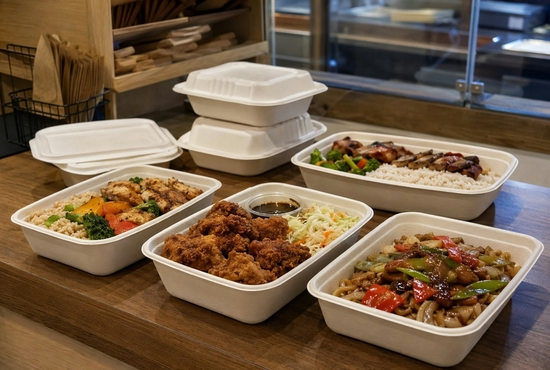
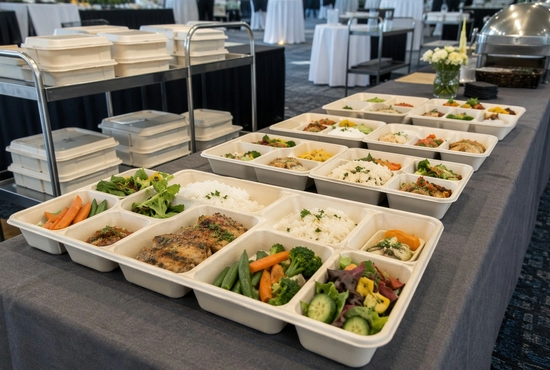
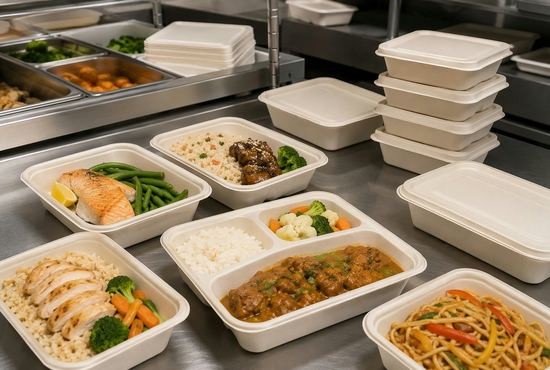
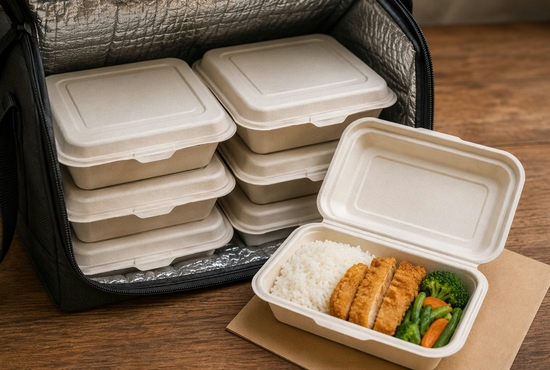
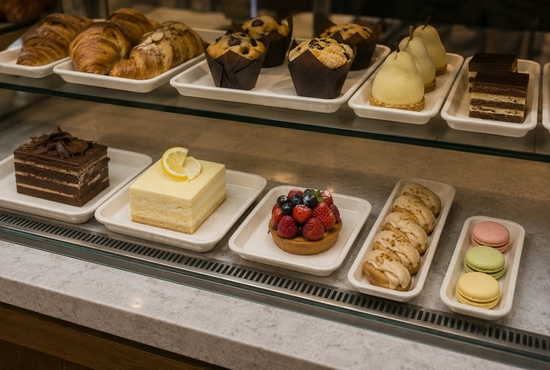
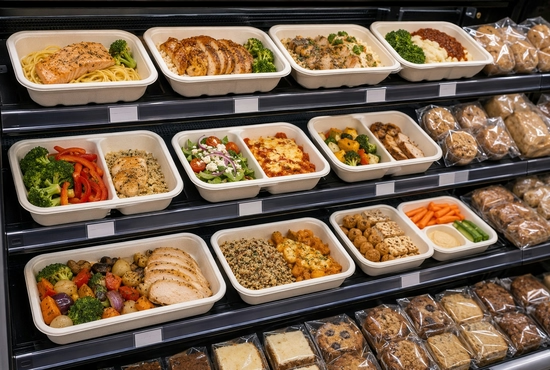
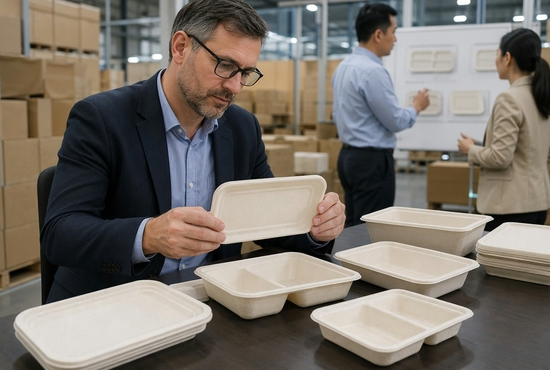
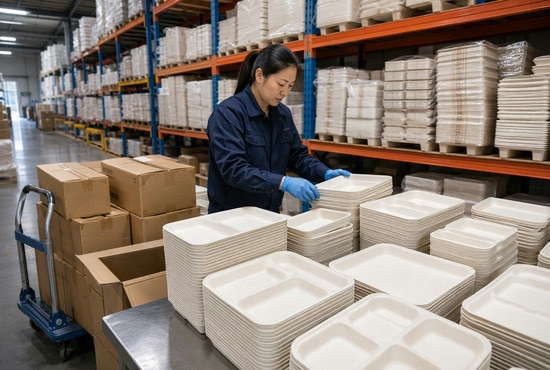

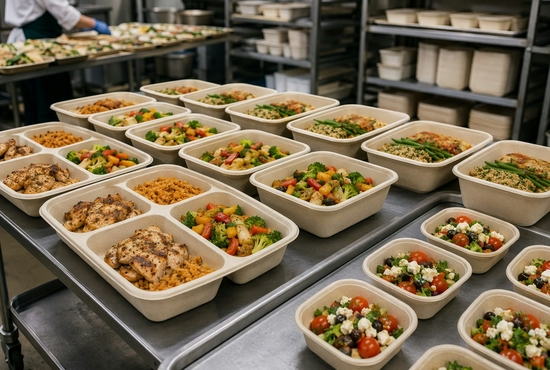


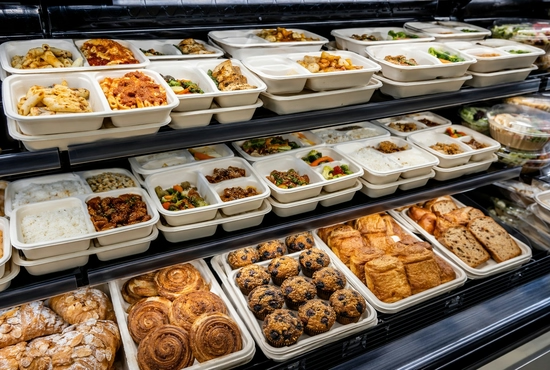
Choosing the right food packaging solution depends on your product category, serving method, transportation requirements, and sustainability objectives.
Sugarcane trays are widely used for restaurants, catering, takeaway food, retail meals, and foodservice applications. However, different packaging requirements may require different material choices. The following guide helps buyers quickly evaluate whether sugarcane bagasse trays are suitable for their applications.
Application | Recommended |
Restaurant Takeaway Meals | ✓ |
Ready-to-Eat Meals | ✓ |
Catering Food Service | ✓ |
Food Delivery Applications | ✓ |
Meal Preparation Programs | ✓ |
Compartment Meal Packaging | ✓ |
Bakery and Dessert Packaging | ✓ |
Snack and Fried Food Packaging | ✓ |
Retail Prepared Food Packaging | ✓ |
Foodservice Distribution | ✓ |
Private Label Food Packaging | ✓ |
Sustainable Packaging Programs | ✓ |
Sushi Takeaway Packaging | ✓ |
Fresh Food Display Applications | ✓ |
Products Requiring Custom Tray Structures | ✓ |
Long-Term Liquid Storage | ✗ |
Industrial Liquid Packaging | ✗ |
Applications Requiring Transparent Packaging | ✗ |
Sugarcane trays are suitable for most foodservice and takeaway packaging applications where renewable fiber materials, practical food presentation, and customized structures are important considerations.
For applications involving long-term liquid storage, transparent packaging requirements, or specialized industrial uses, buyers may need to evaluate alternative packaging solutions.
DAILYECO can provide product recommendations and customized sugarcane bagasse tray solutions based on food type, packaging requirements, and destination market needs.
Before purchasing sugarcane trays, professional buyers usually evaluate more than product appearance and unit price. Material selection, product specifications, manufacturing capability, compliance requirements, and long-term supply stability all influence the success of a packaging project.
The following questions help buyers better understand important factors when selecting a sugarcane tray manufacturer and developing a suitable packaging solution.
To prepare an accurate quotation, buyers should provide the required SKU or dimensions, food application, order quantity, product weight, compartment structure, lid requirements, packing method, destination port and applicable documentation requirements.
For custom projects, buyers should also provide drawings, physical samples, annual purchasing forecasts and expected sample-approval dates.
MOQ depends on whether the buyer selects a standard product, custom carton, private-label package or newly developed molded fiber structure.
Standard products generally have lower development requirements, while custom molds and retail packaging may require higher order volumes. MOQ should therefore be confirmed for the exact SKU and customization scope.
Custom development normally includes feasibility review, mold design, sample production, physical testing, buyer approval and mass-production scheduling.
The final schedule depends on product complexity, mold requirements, revision rounds and current production capacity. Buyers should request separate timelines for sample development and commercial production.
Yes. Samples should be tested with the actual food, portion size, temperature, oil level, holding time and transportation method.
Sample approval should cover:
Buyers should compare pieces per carton, carton dimensions, carton volume, container-loading quantity and freight cost per usable tray.
For high-volume export orders, packaging optimization can have a greater effect on landed cost than a small reduction in product unit price.
The purchase contract should identify the SKU, dimensions, weight tolerance, material, color, compartment structure, packing quantity, carton size, applicable test documents, sample-approval standard, production lead time, inspection requirements and delivery terms.
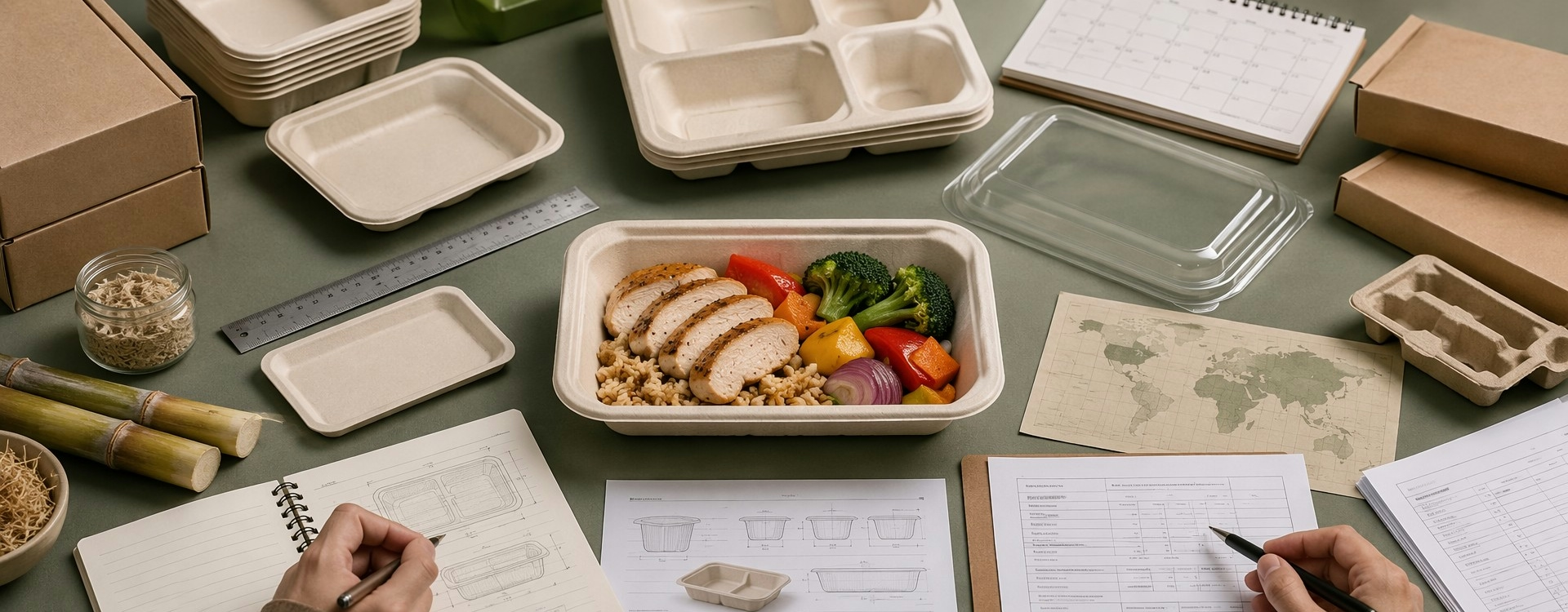
Although sugarcane trays are suitable for many foodservice and takeaway applications, they may not be the ideal solution for every packaging requirement.
Before selecting a packaging material, buyers should evaluate product characteristics, storage conditions, transportation requirements, appearance expectations, and market regulations.
Understanding situations where sugarcane bagasse trays may not be the best choice helps businesses avoid unsuitable packaging decisions and select a solution that matches their actual application.
Businesses that require customers to clearly see the product through the packaging may prefer transparent materials rather than molded fiber solutions.
For example, fresh food retailers, display-focused products, and certain ready-to-eat foods may prioritize visual product exposure as part of the purchasing experience.
In these cases, materials such as PET or other transparent packaging options may provide advantages compared with sugarcane trays.
Sugarcane trays are designed primarily for solid food packaging applications.
For products involving long-term liquid storage, high moisture exposure, or extended holding periods, buyers should carefully evaluate packaging requirements before selection.
Applications involving soups, liquid beverages, or products requiring long-term leak protection may require alternative packaging formats or additional packaging components.
While sugarcane bagasse trays provide suitable structural performance for many commercial foodservice applications, certain industrial environments may require packaging materials with higher mechanical resistance.
Heavy-duty transportation, specialized industrial handling, or applications involving unusual pressure conditions may require alternative material solutions.
Buyers should evaluate product weight, transportation methods, and handling conditions before confirming specifications.
For some purchasing projects, the lowest possible packaging cost may be the primary decision factor.
Traditional plastic packaging may offer cost advantages in certain large-volume applications due to established production systems and material availability.
However, businesses choosing sugarcane trays often consider additional factors, including sustainability positioning, customer expectations, brand value, and long-term packaging strategy.
Different countries and industries may have specific documentation and certification requirements for food packaging products.
Before purchasing sugarcane trays, buyers should confirm applicable regulations, testing requirements, and market standards.
A professional manufacturer should be able to provide product-related documentation support and communicate requirements clearly before production.
The suitability of sugarcane trays depends on the complete application rather than a single product feature.
Before making a purchasing decision, businesses should evaluate:
For most restaurants, catering companies, foodservice distributors, and food brands seeking renewable packaging solutions, sugarcane bagasse trays provide a practical option.
For specialized applications, DAILYECO can help customers review requirements and recommend suitable packaging solutions.
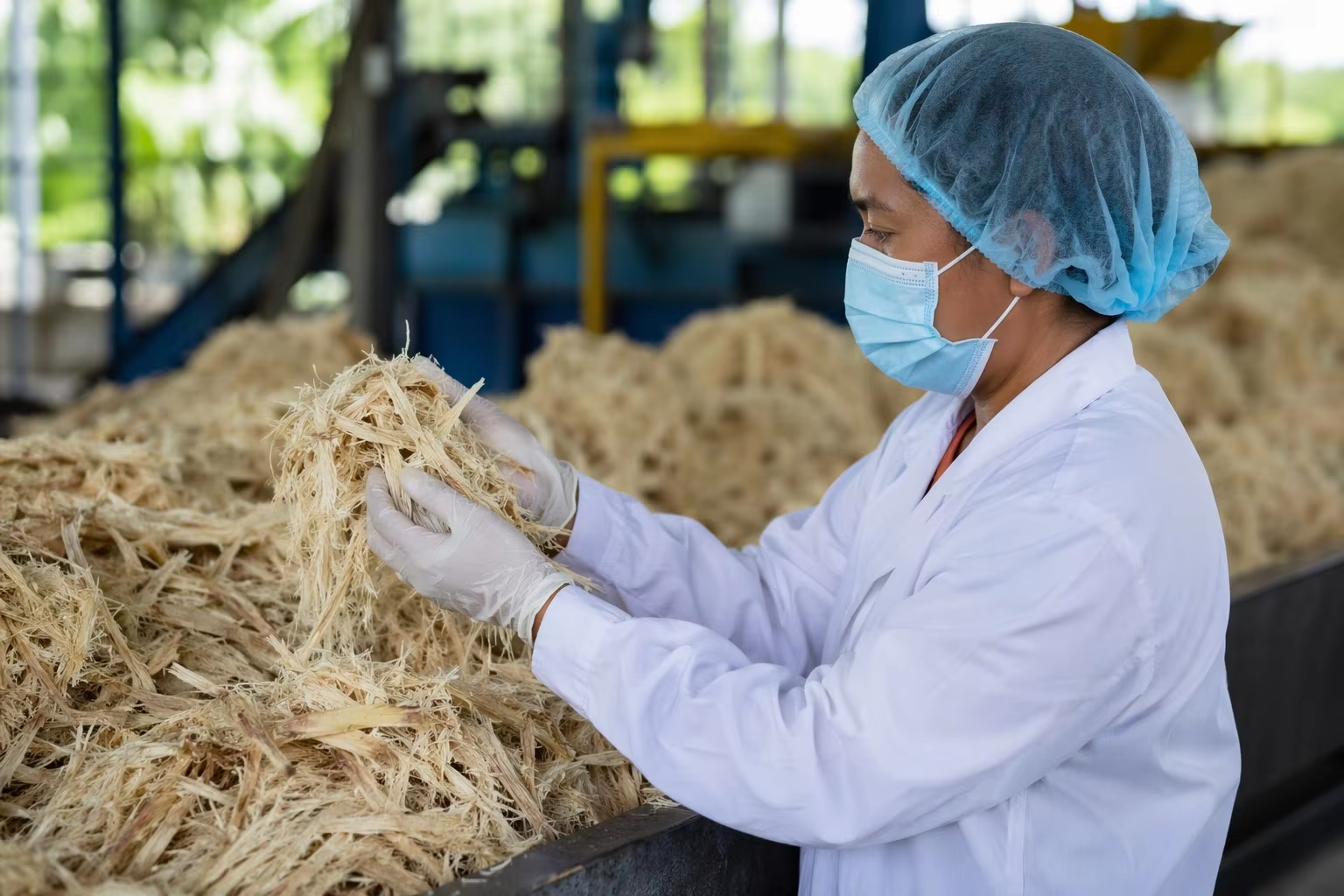
Selecting the right sugarcane tray manufacturer is an important decision for importers, distributors, food brands, and foodservice companies.
A reliable manufacturer should provide more than standard products. Production capability, quality control, customization experience, compliance support, and long-term supply stability all influence the success of a packaging project.
Before placing an order, buyers should evaluate the following factors to identify a suitable manufacturing partner.
Experience in molded fiber packaging production directly affects product consistency and project execution.
Manufacturers with experience producing sugarcane bagasse trays are usually better prepared to manage different product structures, customer specifications, export requirements, and customized packaging projects.
When evaluating a supplier, buyers should consider whether the manufacturer has experience serving international markets and handling different application requirements.
A manufacturer’s production capacity determines whether they can support both current orders and future business growth.
For wholesale buyers and distributors, stable production capability is especially important because supply interruptions can affect inventory planning and customer relationships.
Important factors include production equipment, manufacturing efficiency, quality consistency, and the ability to handle seasonal demand changes.
Different food applications require different tray structures, sizes, and designs.
A professional sugarcane tray manufacturer should be able to provide a wide product range, including standard trays and customized molded fiber solutions.
Customization capabilities may include:
Strong customization capability allows businesses to develop packaging solutions that better match their products and market positioning.
For customers requiring unique packaging structures, mold development capability is an important factor when selecting a supplier.
The mold design stage determines product shape, edge structure, dimensional accuracy, and overall appearance.
Manufacturers with internal engineering support can usually provide better communication during product development and reduce potential issues before mass production.
Consistent quality is essential for commercial food packaging projects.
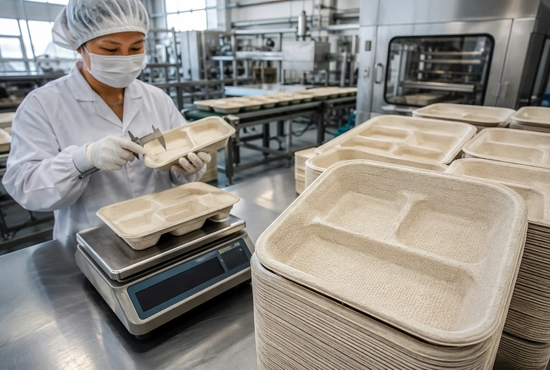
A reliable manufacturer should implement quality control throughout the production process, from raw material preparation to finished product inspection.
Typical quality checks may include:
A stable quality management process helps reduce shipment risks and ensures consistent product performance.
International export experience is an important advantage for global buyers.
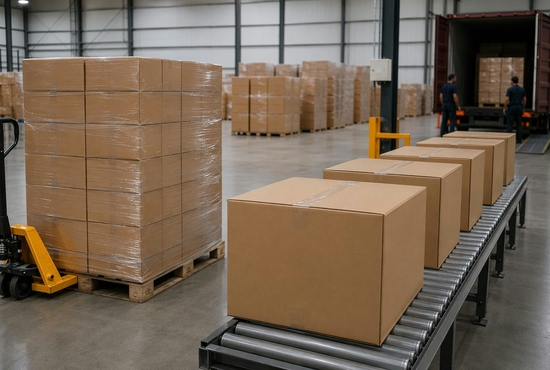
Manufacturers familiar with overseas shipments usually understand export packaging requirements, logistics coordination, documentation preparation, and communication processes.
For importers and distributors, working with an experienced export supplier can reduce supply chain risks and improve purchasing efficiency.
Successful packaging projects require effective communication between buyers and manufacturers.
A professional supplier should provide technical recommendations regarding product selection, tray structure, packaging configuration, and production feasibility.
Clear communication before production helps identify potential problems early and improves project efficiency.
Before placing an order for sugarcane trays, buyers should review the following checklist to ensure the selected packaging solution meets product requirements, market expectations, and supply chain needs.
□ Sugarcane Tray Type
□ Tray Size & Food Capacity Requirements
□ Food Application Requirements (Restaurant / Catering / Takeaway / Retail / Foodservice)
□ Material Specification (Sugarcane Bagasse Fiber / Molded Fiber Requirements)
□ Tray Structure & Design Requirements
□ Compartment Design Requirements
□ Product Dimensions & Weight Requirements
□ Food Presentation Requirements
□ Heat Resistance Requirements
□ Moisture Resistance Requirements
□ Food Contact Compliance Requirements
□ Sustainability Documentation Requirements
□ Product Appearance & Surface Quality Standards
□ Customization Requirements (Logo / Private Label / Packaging Design)
□ OEM & ODM Development Requirements
□ Sample Approval Before Mass Production
□ MOQ Requirements
□ Production Lead Time
□ Packaging Specifications
□ Carton Size & Shipping Requirements
□ Container Loading Efficiency
□ Destination Market Regulations
□ Annual Purchasing Forecast
□ Factory Audit Requirements
□ Payment Terms
Completing this checklist before production begins helps reduce communication errors and procurement risks.
For businesses sourcing sugarcane trays, confirming product specifications, application requirements, customization needs, and market expectations in advance allows manufacturers to provide more accurate recommendations and develop suitable packaging solutions.
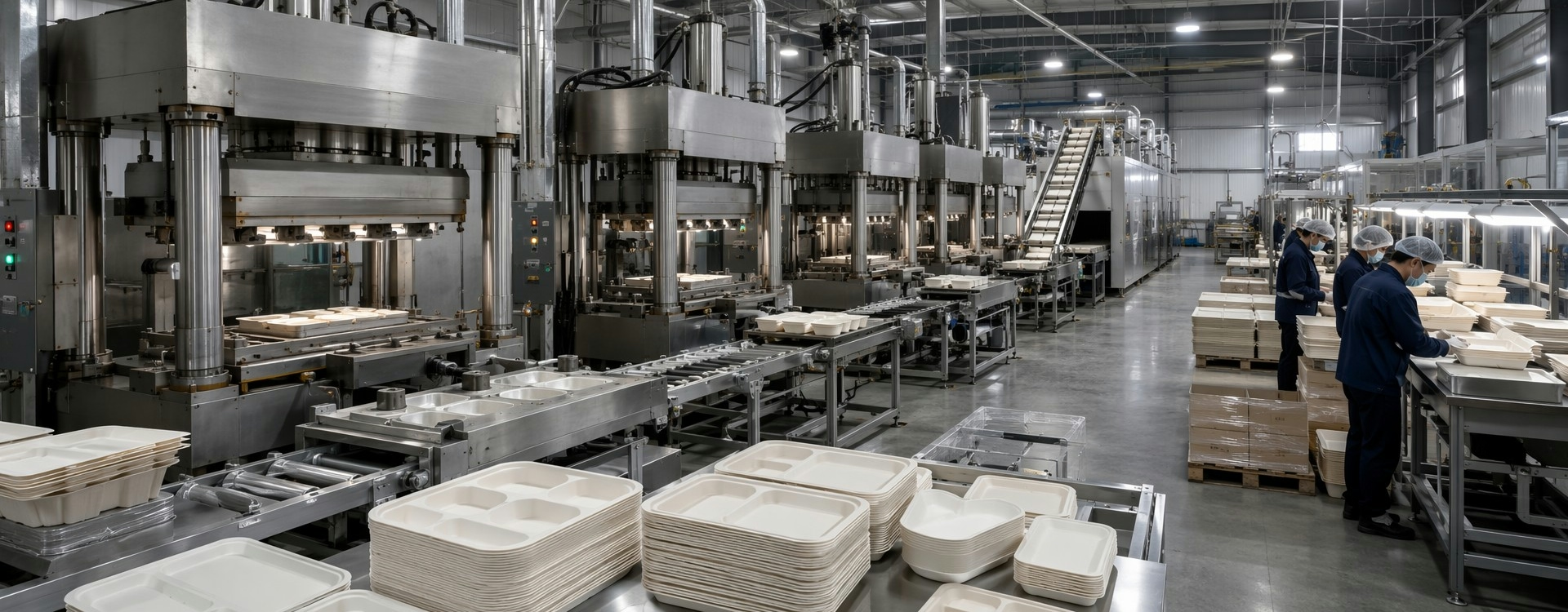 Choosing the right sugarcane tray manufacturer is essential for restaurants, food brands, distributors, importers, and foodservice companies that require reliable sustainable packaging solutions.
DAILYECO specializes in sugarcane bagasse tray manufacturing based on advanced molded fiber technology for global customers.
Item | Description |
Manufacturing Facility | Professional molded fiber packaging production facility |
Employees | More than 1,000 employees |
Production Capability | Sugarcane cups, bowls, trays, clamshell boxes, food containers, cutlery and customized molded fiber packaging |
Monthly Supply Capacity | Stable capacity for large-volume export orders,40HQ*200 containers monthly |
Product Range | sugarcane tray, taco tray holder, compartment sugarcane tray, and Vegetable and Meat Tray |
Material Capability | Renewable Sugarcane Bagasse Fiber and other sustainable packaging materials |
Product Development | Custom structure design, mold development, and packaging optimization |
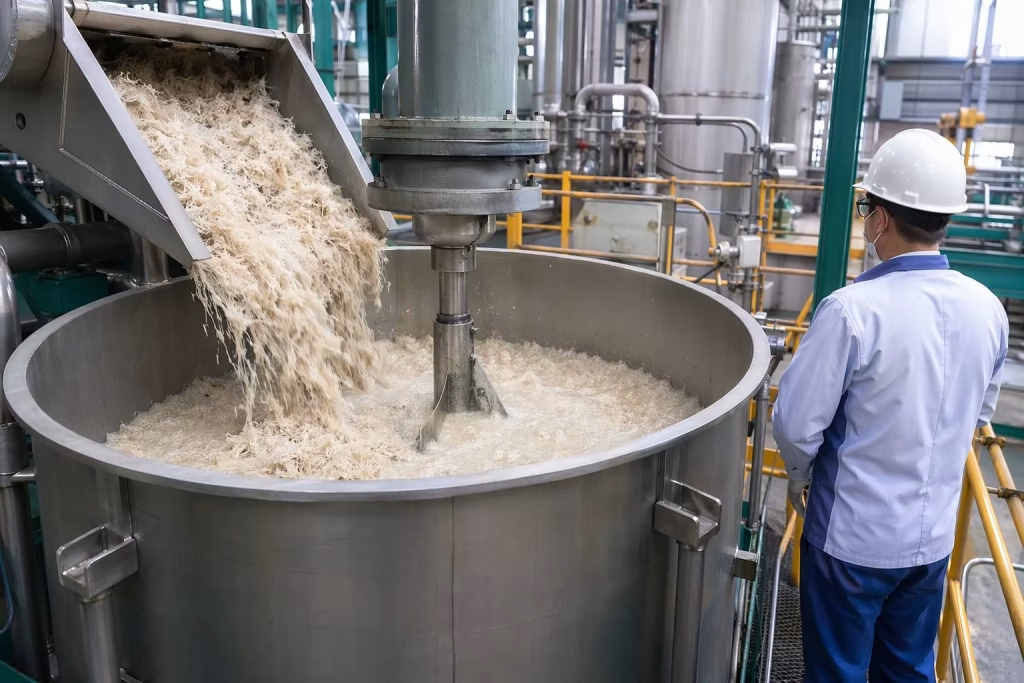
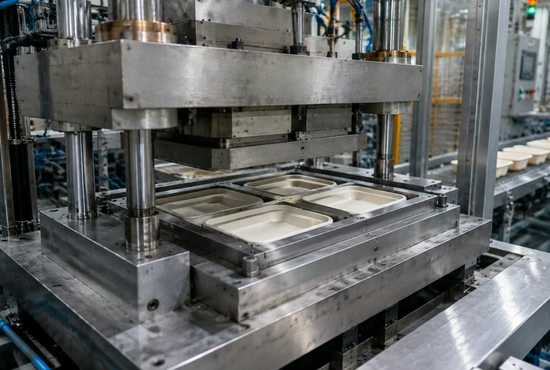
Manufacturing Process | Fiber preparation, molding, quality inspection, and packaging control |
OEM | Logo, packaging, carton, labeling, and private label customization |
ODM | Product structure optimization, material improvement, and customized packaging development |
Technical Support | Professional engineering and product development assistance |
Production MOQ | Flexible according to product specifications and customization requirements |
Typical Lead Time | Approximately 25–35 days for customized orders |
DAILYECO understands that international buyers require reliable documentation and compliance support when sourcing sugarcane trays for different markets.
Based on customer requirements and destination market standards, DAILYECO can support documentation preparation and compliance communication.
Support may include:
✓ Food Contact Documentation
✓ Material Information
✓ Product Testing Reports
✓ Sustainability-Related Documentation
✓ Factory Audit Support
Providing complete documentation support helps customers reduce procurement risks and prepare products for different international markets.
View Our Compliance & Certification Support Page
Different food applications require different tray structures, sizes, and packaging solutions.
DAILYECO provides professional customization services for customers seeking custom sugarcane trays and private-label packaging solutions.
Customization options include:
✓ Custom Tray Sizes
✓ Different Compartment Designs
✓ Mold Development
✓ Product Structure Optimization
✓ Logo Customization
✓ Private Label Packaging
✓ Customized Carton Solutions
✓ Retail Packaging Support
Through OEM and ODM development capabilities, DAILYECO helps restaurants, distributors, and food brands create packaging solutions that match their product requirements and market positioning.
DAILYECO supplies sugarcane bagasse trays to customers across international markets, including North America, Europe, Australia, the Middle East, and Asia.
With experience supporting global importers, distributors, foodservice companies, and packaging brands, DAILYECO understands international purchasing requirements and export processes.
Export support includes:
✓ Export Packaging Optimization
✓ Container Loading Planning
✓ International Logistics Coordination
✓ Shipping Documentation Support
✓ Long-Term Supply Management
DAILYECO provides professional support throughout the complete purchasing process, from initial product consultation to final shipment.
Customer support includes:
✓ Product Consultation
✓ Sample Arrangement
✓ Specification Confirmation
✓ Production Updates
✓ Shipping Coordination
✓ After-Sales Support
By combining manufacturing capability with responsive communication, DAILYECO aims to become a reliable long-term partner for global sugarcane tray buyers.
Quality consistency is essential for businesses purchasing large quantities of sugarcane bagasse trays.
DAILYECO follows standardized inspection procedures throughout the production process, including:
✓ Raw material inspection
✓ Product dimension checking
✓ Appearance inspection
✓ Structural performance testing
✓ Packaging inspection
These quality control procedures help ensure stable product performance across different production batches.
As sustainable packaging requirements continue to evolve, DAILYECO continuously improves product structures, manufacturing processes, and packaging solutions to meet changing market demands.
Through ongoing product development and manufacturing optimization, DAILYECO helps customers access more efficient, practical, and sustainable bagasse packaging solutions.